Close
Digital Health & Ai Innovation summit 2026
Medical Taiwan 2026

Viz.ai Launches AI-Powered Viz Vascular Suite

Viz.ai Launches AI-Powered Viz Vascular Suite

Viz.ai, the leader in AI-powered disease detection and intelligent care coordination announced the launch of VizTM Vascular Suite, AI-powered software enabling vascular care teams to automatically detect and triage care for suspected pulmonary embolism, right heart strain, aortic dissection, and abdominal aortic aneurysm (AAA).1 Viz.ai submitted a new 510(k) application to the U.S. Food & Drug Administration (FDA) for the AAA algorithm.

โ€œRecognizing the symptoms of serious vascular conditions, such as aortic dissections, is hugely important because any delay in treatment can have a direct impact on patient outcomes,โ€ said Philip Batista, MD, Associate Program Director, Vascular and Endovascular Surgery Residency, Cooper. โ€œWhen Viz identifies an abnormal scan, it quickly notifies the appropriate specialists regardless of their location, facilitating seamless communication via mobile application. Weโ€™ve been using the Viz software for the last several months and have seen improvements in patient care across our institution.โ€

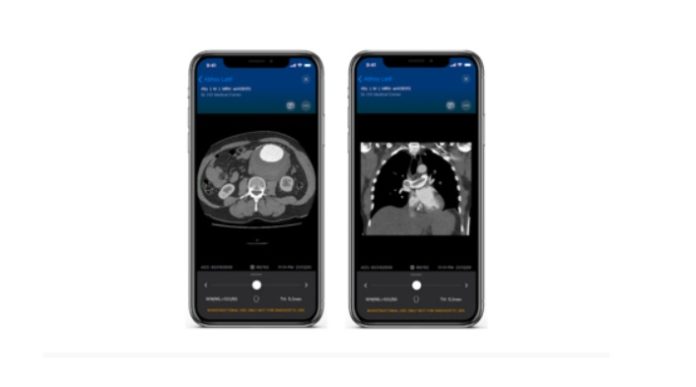
The Viz Vascular Suite uses artificial intelligence to automatically analyze an array of imaging modalities, including computerized tomography (CT), electrocardiogram (ECG), and more for suspected vascular diseases. If a suspected pathology is found, the app automatically alerts and displays high-fidelity patient scans on providersโ€™ mobile devices. Clinicians can use Viz Vascular Suite to remotely coordinate vascular pathology care within a hospital systemโ€™s hub and spoke network and enable synchronous, HIPAA-compliant communication among specialists. The platform is enhanced by AI for immediate team activation and facilitates informed, efficient treatment decisions.

โ€œWe set out to build a solution where any patient with life threatening diseases can benefit from AI-powered care coordination with triage and real-time mobile communication. The Viz Vascular Suite will bring the advantages of intelligent care coordination to even more patients and help clinical teams achieve better clinical outcomes,โ€ said Chris Mansi, CEO of Viz.ai. โ€œThe feedback from our early adopters has been highly positive, and we look forward to expanding access to this solution to our over 1,300 hospital customer base.โ€

Laxis Intelligent Meeting Assistant Automates Workflow with AI Follow-Up Email Copy

Laxis Intelligent Meeting Assistant Automates Workflow with AI Follow-Up Email Copy

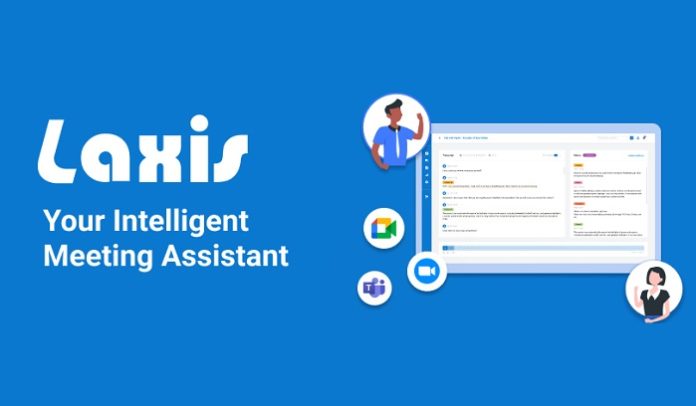
Laxis announced that the Laxis Intelligent Meeting Assistant automatically records and transcribes a conversation, takes notes, and uses AI to write follow up email copy. Laxis also offers real-time sentiment analysis and sales coaching during meetings for enterprise customers.

โ€œWeโ€™re all bogged down with too many virtual meetings, and are expected to stay present while meeting, take notes, and immediately follow up with next steps, which is why I am so excited about our new developments,โ€ said Erix Xiao, Founder and CEO, Laxis, Inc. โ€œAfter a 45 minute meeting, no one wants to listen to the recording or go through long transcripts again to find key information. At the same time, people still have to spend time writing memos, reports, or follow up emails. The new Laxis will prevent anyone from missing anything during an online meeting, enhance key takeaways, and provide email copy to quickly use as follow up.โ€

After a meeting, a user can request Laxis to quickly create meeting memos, reports, customer profile and requirements, action items, follow up emails, and all kinds of content based on the meeting conversation. After a quick review, these notes or outcomes can be sent to relevant recipients.

With Laxis Intelligent Meeting Assistant, users can:

  • – Use AI to get notes automatically post meeting
  • – Receive transcripts or a recording after meeting
  • – Obtain writing memos, reports, emails after meeting, and so much more!

โ€œI spend most of my time in customer meetings. With Laxis, I can focus my attention on my customers during meetings, and automatically generate my email follow-up copy in seconds after meeting,โ€ said Martin Broadhurst, Sales and Marketing Consultant, Broadhurst Digital. โ€œI have saved at least 4 hours every week!โ€œ

Augmented Healthcare: Shaping Remote Patient Monitoring with Artificial Intelligence of Things

State of Artificial Intelligence in the Healthcare Industry revealed through a new IDC White Paper

Since the beginning of the pandemic, remote patient monitoring (RPM) has caught the attention of healthcare experts around the world. It affords practitioners a valuable channel through which to gather data on their patients, reducing the need for appointments or in-person check-ups. From monitoring the condition of the elderly and vulnerable, to assessing whether a course of treatment is having the desired impact, RPM takes us one step closer to democratizing healthcare as a resource and making care universal โ€“ without the associated strain on resources.

The number of individuals using remote monitoring devices in the US increased from 29.1 million in 2020, to 45.1 million in 2022. That number is expected to reach 70.6 million by 2025. The pandemic may have accelerated the uptake of such technology, but now that its benefits have been firmly established and recognized, any reversion to pre-pandemic care will feel like a step back for the industry. Technology only moves in one direction โ€“ forward.

This rapid growth isnโ€™t due to the simple fact that more devices are being rolled out, but that RPM is getting smarter and use cases are multiplying. Thanks to advancements in artificial intelligence (AI) and the Internet of Things (IoT), a basic smartphone can be transformed into a health monitoring device that can relay vital data back to health professionals. For instance, many wearable patches or smart watches nowadays come equipped with fall detection. So, if a person falls while wearing one of these devices, it will recognize the movement and automatically trigger an alert. Such technology has the potential to save lives and revolutionize healthcare around the world. It can give every patient the attention they deserve without burdening already stretched resources with home visits and appointments.

Detecting Health Problems with the Artificial Intelligence of Things

Use cases for RPM have grown exponentially as technology and connectivity have evolved. Weโ€™re now seeing AI and IoT come together (AIoT) to offer practitioners and their patients more ways to share data and monitor health. For example, a healthcare organization recently developed a respiratory health model using the audio data of patients with respiratory issues. It then leveraged the microphone and accelerometer on patientsโ€™ smartphones via a dedicated app so it could run a spectral analysis and compare patientsโ€™ data to baselines in the model. This allowed the organization to set up real-time dashboards for patients with known respiratory issues, creating health profiles using data on heart rate, oxygen levels, body temperature and movement. Not only can this solution help save lives and pre-empt complications, but it also adds to the available pool of data practitioners work with and will help to hone future models.

Intelligent Patient Monitoring

Take a patient suffering from a chronic disease or another illness that is prone to complications. In many cases, the patient themselves may not be aware of these complications as they arise, and a doctor may only be able to start treating complications after they have already occurred. However, with RPM, vitals such as heart rate, oxygen levels and blood pressure โ€“ all tell-tale signs of complications arising โ€“ can be shared in real-time. This in and of itself isnโ€™t new or revolutionary, but it does require manual study and assessment on behalf of the practitioner. Data can be gathered in real-time, but assessing that data and turning it into actionable intelligence that saves lives still requires human assessment and decision-making. This takes time and resources, which are often in short supply.

Thanks to the integration of AI and IoT with RPM, outcome predictions and risk assessments can be carried out through automated analytics, using previous cases and the patientโ€™s own history as baselines for assessment. This results in an effective form of triage for practitioners that need to prioritize those most at risk. It also facilitates proactive intervention from practitioners to prevent the patientโ€™s illness from progressing.

The data collected through RPM such as carbohydrate intake, insulin, and other metadata can be fed into a machine learning (ML) program to analyze and identify patterns and predict abnormal conditions. For instance, if a patient is observed to have taken high-carb food items, has high glucose reading, and has not done much physical activity, this can hint at a possible complication that could develop in the near future. AI can act as an assistant to a doctor to help not just in detecting potential complications but also in deciding the line of treatment with the health data.

Augmenting Healthcare with AIoT

The AIoT is a game-changing evolution in remote patient monitoring. From heart and respiratory monitoring to contactless screening and clinical trials, it offers clear benefits to practitioners in the diagnosis and treatment of illnesses, as well as the delivery of life-saving care. Future applications of such technology will only grow as connectivity and AI capabilities expand, giving the healthcare industry a holistic, automated and highly efficient vehicle through which to deliver care and treatment.

Malaysia Healthcare Travel Council Joins HIMSS To Digitise

HIMSS and the Malaysia Healthcare Travel Council have agreed on a new agreement of understanding. According to the agreement, MHTC will work closely with HIMSS as a strategic partner to revolutionise the healthcare system in Malaysia.

MHTC, a government organisation under Malaysia’s Ministry of Health that was established in 2009, is in charge of boosting the nation’s healthcare travel sector. Under the “Malaysia Healthcare” brand, it collaborates with business leaders and service providers to establish Malaysia as a top international healthcare destination.

With the help of major hospitals in Malaysia, HIMSS will seek to accredit them for Stage 7 of the Electronic Medical Record Adoption Model (EMRAM). The MHTC will then advise each of its 73 member hospitals to take the HIMSS EMRAM, which evaluates a facility’s level of EMR maturity.

In accordance with the Malaysia Healthcare Travel Industry Blueprint 2021โ€“2025, the collaboration also aims to develop Malaysia’s healthcare travel sector. It addresses four topics:

  • Activities for knowledge exchange and capacity building to promote constant adoption of digital and technology in the Malaysian healthcare sector;
  • By utilising the resources, knowledge, and abilities of both parties in the fields of healthcare, travel, and wellness, strategic thought leadership activities are being undertaken to develop a value proposition for Malaysia;
  • Utilize HIMSS’ regional, international, and thought leadership networks and platforms to promote and broaden Malaysia Healthcare’s reach, particularly in chosen focus markets; and
  • To get Malaysia’s private hospitals ready to adopt digital maturity models and participate in government-to-government collaborations for knowledge sharing, create new channels for strategic industry engagement.

To reimagine the patient experience through digitalization, MHTC is using a coordinated and cooperative strategy. It acknowledges the necessity for ongoing innovation and digitalization to advance the healthcare travel business while assuring sustainable growth throughout the shift to a pandemic era.

One can construct more paths for the industry to develop the digital and technological skills and look into new ways to magnify the Malaysia Healthcare brand, said Mohd Daud Mohd Arif, MHTC CEO.

With more than 60 years of experience serving the global health community, HIMSS has a proven track record of offering thought leadership insights and consulting to enhance the quality, safety, affordability, and accessibility of healthcare by utilising the best practises in information technology and management systems. They are pleased to collaborate with MHTC and welcome Malaysia into our global network. By leveraging the power of information and technology, they will work to advance the transformation of the global health ecosystem, HIMSS Vice President and Executive Director for Asia-Pacific Simon Lin made a point.

Digital Tech To Boost Indian Healthcare Industry In 2023?

According to a recent analysis by Markets and Research, the Indian digital health market had a value of Rs. 252.92 billion in FY2021 and is projected to grow to Rs. 882.79 billion in FY2027, with a CAGR of 21.36% from FY2022 to FY2027.

The COVID-19 pandemic may be part of the reason for the rapid adoption of digital technologies in India’s healthcare industry. There has been a noticeable rise in the usage of telemedicine, wearable technology, medical applications, the use of electronic medical records, artificial intelligence (AI), and machine learning (ML).

The use of electronic health records under supportive policy frameworks like the National Digital Health Mission (NDHM) as well as the Ayushman Bharat Health Account is an example of the digital push- ABHA. Healthcare executives told ETHealthworld that despite the significant changes that took place in 2022, technology disruptions will still play a significant role in the country’s healthcare system.

Digital change is driven by COVID

All areas of healthcare can be impacted by digital transformation, from providing greater access to care to enhancing quality and reducing costs.

Healthcare delivery models are still under a great deal of pressure as healthcare systems throughout the world struggle to contain the COVID-19 outbreak, as per Vineet Aggarwal, CIO, Paras Healthcare. Healthcare providers are increasingly embracing innovations to address these issues and enhance the care given to patients as a result of an increase in patient traffic, employee burnout, workforce shortages, supply chain interruptions, equipment limitations, and antiquated buildings. In order to address current challenges and reimagine the Future of Health on the digital push from 2022 to 2023 with the goal of reaching true connectivity all across care ecosystem, providers are moving rapidly to virtual care and relying more and more on advanced technologies, including 5G telecommunications, cloud services, artificial intelligence (AI), VR and AR, Blockchain, as well as interoperable data and analytics.

According to Senior Vice President of Global Health Sciences at Cognizant, Surya Gummadi, as businesses adjust to the post-COVID market, digital transformation will continue. Businesses are refocusing their expenditures on patient-centered initiatives, creating robust and efficient supply chains, and adopting smart manufacturing. Additionally, there is a focus on cutting-edge research and development in fields like gene treatments and precision medicine. Given the current state of the economy, he anticipates that by 2023, digital spending will reflect a revived emphasis on cost minimization, as well as an emphasis on data analytics, automated data exchange, and improved patient experience and engagement.

Senior Vice President and General Manager, Global Leader, HLS Business, Persistent Systems, Ganesh Nathella, commented on the post-pandemic technological upheavals, saying that COVID vaccine manufacturing capabilities have established the platform for innovation. Innovative uses of mRNA technology are being made all around the world to cure and even reverse disease. Cell and gene treatments and their use in treating conditions like diabetes, autoimmune illnesses, and cancer will be the subject of the following wave of disruption. The manufacturing of cell therapies and digital health technology will propel growth.

Decentralized clinical trials have, since the conclusion of the pandemic, increased patient recruitment and participation, he continued. Restrictions on in-person visits even during times of COVID led to their establishment. Additionally, the IOT and remote monitoring have created virtual and home care delivery models that are more practical for patients and more affordable for payers. Non-acute care services will soon be provided outside of hospitals in a number of locations.

A significant rise in artificial intelligence is expected

Clinical outcomes, financial performance, and operational use cases in healthcare organisations can all be seen today where artificial intelligence and machine learning models are being applied.

According to Praveen Bist, CIO of Amrita Hospital, adoption of AI will grow in three different ways. First, by using a few straightforward strategies, it is simple to enjoy the fruits at hand. Second, as more data becomes available, they have a larger dataset on which to train the machine learning system, improving its accuracy and predictability. Last but not least, the IoT’s availability of enormous databases makes it simple to centralise data and use big data techniques to gather useful information.

Technology has grown to be a significant facilitator, and co-founder and president of Portea Medical, Meena Ganesh, concurred that this trend will continue in the years to come. India’s healthcare sector is significantly growing in terms of new offerings through technological platforms, next-generation diagnostic equipment, public-private partnerships, and home care, she said. Additionally, it is drawing a great deal of new capital from investors. The rapid development of AI, remote healthcare, wearable technology, and individualised, patient-centered healthcare are some developments to watch out for in 2023.

Similar sentiments were echoed by Mayank Bhargava, CIO of Fortis Healthcare, who predicted that the health sector would continue to put its emphasis on utilising technology to provide better health and care in 2023. He stated that 2022 had an increased focus on and awareness of health management, particularly mental wellbeing, and that trend is anticipated to carry over into 2023.

It appears that technology adoption will continue to experience good growth as experts express their firm opinion that AI, ML, and IOT will alter the Indian healthcare industry in the future. Additionally, disruptive technology will continue to lead the win-win healthcare market in the upcoming year due to the discovery of new COVID variations and the resumption of preventative measures.


Elevate Addiction Services Integrates Vivalink Platform for Real-Time Detox Monitoring in Inpatient Treatment

Vivalink, a leading provider of digital healthcare solutions, announces its biometric data platform has been successfully integrated into Elevate Addiction Servicesโ€™ drug and alcohol in-patient detox treatment program. Vivalinkโ€™s Biometrics Data Platform, along with its wearable blood pressure cuff and Sp02 sensors, are used to unobtrusively monitor patient vitals to promote improved sleep, reduce risk of negative outcomes, and improve the patient experience.
Elevate Addiction Services uses the Vivalink platform at its residential inpatient treatment centers in northern California, located in Santa Cruz County and South Lake Tahoe. As part of its accredited drug and alcohol rehabilitation program, in-patient detox is a key first step forย  Elevate Addiction Servicesโ€™ clients. Detox requires 24/7 monitoring, including multiple vital checks per day by staff to monitor a patientโ€™s heart rate, blood pressure, oxygen levels and other key vitals overnight. However, patients in detox are in need of rest and recuperation, and disrupted sleep can be detrimental to their recovery. The Vivalink platform is used to automatically monitor patient vitals, both reducing staff workloads and giving patients the uninterrupted rest they need.
โ€œVivalinkโ€™s technology is a gamechanger for our staff and our clients,โ€ said Dan Manson, President and Co-Founder of Elevate Addiction Services. โ€œDrug and alcohol detox can be an incredibly challenging time for our clients, and sleep is instrumental in ensuring they heal and recover safely. The data and insights from the Vivalink platform are the key to allowing them to sleep as much as possible during detox, while giving our staff peace of mind by being able to monitor their vitals in real-time. All of us at Elevate Addiction Services firmly believe remote patient monitoring is the future of drug and alcohol rehabilitation.โ€
Vivalinkโ€™s biometric data platform is powering technological innovation for the addiction treatment by providing both real-time and retrospective patient data and insights with automated workflow, adding minimal burden to addiction treatment staff. The wearable blood pressure cuff enables multiple systolic and diastolic measurements in a unibody design with no tubes or other accessories. The wearable Sp02 monitor provides continuous tracking of a patient’s oxygen saturation levels without the need for the patient or provider to manually initiate a reading. The biometrics platform is ideal for automated monitoring in the addiction rehabilitation setting to ensure patients are safe and comfortable, while alleviating staff burden.
โ€œOur biometrics data platform automates the entire patient monitoring workflow with the inclusion of a large selection of high quality wearable devices that can be used in a wide array of healthcare and clinical trial settings, and it is rewarding to see compelling applications of the technology,โ€ said Jiang Li, CEO of Vivalink. โ€œWe strive to enable a deeper understanding between provider and patient in all of our digital healthcare solutions and look forward to a continued partnership with Elevate Addiction Services.โ€
In addition to this partnership, Vivalink continues to expand its portfolio of medical sensors for continuous and episodic data capture for virtual healthcare and decentralized clinical trials, measuring ECG rhythm, heart rate and variability, respiratory rate, axillary and skin temperature, oxygen saturation, blood pressure, and more. The Biometrics Data Platform is designed to comply with high standards in the global healthcare industry, including FDA, HIPAA, GDPR, FDA 21 CFR Part 11, ISO 13485, IEC 62304, ISO 14971, ISO 10993, ISO 27001. Vivalinkโ€™s wearable sensors and data platform have been adopted by over 200 commercial partners in over 40 countries worldwide.

Medtronic announces first enrollment in head-to-head global randomized trial evaluating durability of endovascular aneurysm repair

Medtronic announced the first patient enrollment in the ADVANCE Trial, a head-to-head randomized controlled trial of two leading aortic stent graft systems, the Medtronic Endurant II/IIs stent graft system and GORE Excluder AAA Device Family systems. The ADVANCE Trial is a global, post-market, prospective, interventional, multicenter, randomized study that will enroll a minimum of 550 patients at up to 50 centers globally. Patients will be randomized to receive endovascular aneurysm repair (EVAR) with either the Endurant family or Excluder family grafts and will be followed at one month, one year, and annually through five years.

The first patient in the ADVANCE Trial was enrolled by the team led by Ray Workman, MD, at Novant Health Forsyth Medical Center in Winston-Salem, North Carolina.

โ€œThrough the ADVANCE Trial, we are working to deepen our evidence of sac regression as a key indicator of long-term EVAR patient outcomes,โ€ said Prof. Hence Verhagen, Professor of Vascular Surgery, head of Vascular Surgery Erasmus MC, Rotterdam, Netherlands, and co-principal investigator of the trial. โ€œOur hope is that the findings will allow physicians to make evidence-based clinical decisions to improve long-term patient outcomes.โ€

The ADVANCE Trial aims to further the understanding of sac regression by robust evaluation of CT imaging utilizing an independent core lab through five years. The trial will provide a comparison of aneurysm sac regression outcomes between the Medtronic Endurant II/IIs stent grafts and the GORE Excluder AAA Device Family stent grafts with additional evidence to analyze risk factors related to aneurysms that fail to regress. The trial will also compareย other key clinical outcomes between the two stent grafts, includingย endoleaks, migration, secondary interventions, mortality, and renal complications.

โ€œWe are pleased to announce the first patient enrolled in the ADVANCE Trial,โ€ said Marc Schermerhorn, MD, Chief of Vascular and Endovascular Surgery, Beth Israel Deaconess Medical Center in Boston, Massachusetts, and co-principal investigator of the trial. โ€œThis milestone underscores the commitment to rigorous study of the long-term data around the durability of the Endurant system for patients in need of EVAR. The results of the trial aim to demonstrate contemporary outcomes and our overarching goal to deliver superior aortic patient care through robust and rigorous clinical data.โ€

The ADVANCE Trial draws on clinical data showing that one-year sac regression is an early indicator of improved long-term survival. The outcomes were consistent with the eight-year results from the ENGAGE OUS Registry, published in January 2022, which demonstrated the long-term clinical safety and effectiveness of the Endurant Stent Graft System. The ENGAGE OUS Registry followed subjects through 10 years.

The Endurant II/IIs bifurcated stent graft is indicated for the endovascular treatment of infrarenal abdominal aortic or aorto-iliac aneurysms. Endovascular stent grafting may be an option for patients who have an abdominal aortic aneurysm as determined by a vascular specialist.

An abdominal aortic aneurysm (AAA) is a localized bulging or enlargement of the abdominal aorta, a condition impacting more than 2.4 millionย people globally. EVARย is a minimally invasive alternative to major open surgery for the repair of AAAs, performed using an abdominal stent graft. Current research demonstrates that sac regression (the reduction or shrinkage in the aneurysm diameter as a result of EVAR) is associated with better long-term outcomes, including mortality and secondaryย reinterventions.

The ‘Healthy Selfie’ Arrives As NuraLogix Unveils The Ability To Perform Continuous Health and Vital Sign Measurements on Video Calls

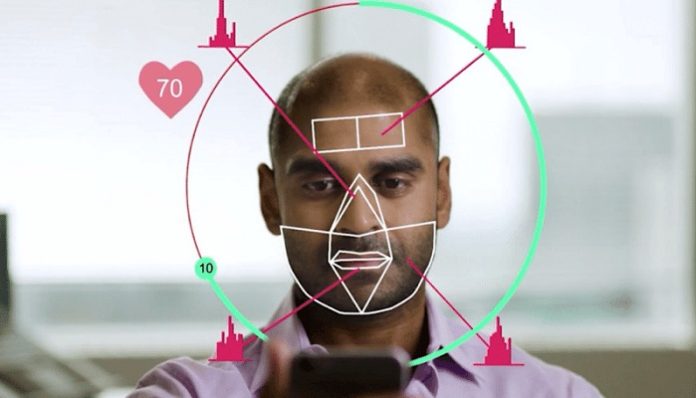
NuraLogix, global pioneers of contactless health monitoring, announces the unveiling of Anuraโ„ข Telehealth at CES 2023. Anuraโ„ข Telehealth is a platform that performs continuous health and vital sign measurements while on a video telemedicine call. This is the latest addition to the AnuraTM ย platform that uses conventional video cameras to extract facial blood flow information to accurately calculate a host of vital signs and health risk assessments – using only the ubiquitous mobile and desktop devices already in the hands of billions of people.

Nuralogix is the CES 2023 Innovation Award Honoree for Digital Health for the AnuraTM platform that conducts health measurements using a 30 second video scan. The new AnuraTM Telehealth platform featuring the ability to conduct continuous health scans, will be on display throughout the Consumer Electronic Show at The Nuralogix Booth (LVCC North Hall Booth#8233) and at CES Unveiled.

The Healthy Selfie

Anuraโ„ข is the only video-based contactless health monitoring solution that can measure vital signs and provide health risk assessments using mobile and desktop devices. Unlike smartwatches, health trackers and rings that track blood flow through light sensors, Anuraโ„ข can do so with a video selfie.

The entire Anuraโ„ข platform is powered by NuraLogixโ€™s patented Transdermal Optical Imaging (TOIโ„ข) technology, a novel form of Remote Photoplethysmography (rPPG). It automatically detects a personโ€™s face, identifies key regions of interest, and extracts blood flow information that is combined with powerful AI data models developed from tens of thousands of patients with multiple health conditions.

Results are delivered within its intuitive app, showing information on dozens of health parameters* such as heart rate, breathing rate, and cuffless blood pressure. It provides health risk assessments for some of the most prevalent chronic conditions, including Type 2 Diabetes, Hypertension, Cardiovascular Disease, and Mental Health.

Since it is hardware agnostic, Anuraโ„ข is paving the way to a world where health vitals are continually monitored with just a look at a smartphone, bathroom mirror, TV screen or kiosk โ€” transforming the way chronic diseases are identified, managed, and prevented.

Filling the Gap in Teleheatlh

AnuraTM Telehealth is designed to enable true, two-way video telemedicine sessions and enhance remote patient monitoring, making these sessions more useful to both patients and healthcare professionals. The Anuraโ„ข Telehealth platform provides richer interaction between patients and healthcare professionals with the ability to provide real-time information and assist physicians in identifying future health risks.

It is designed for use in the telemedicine, remote patient management and insurance industries. Key features of the platform include:

  • Continuous real-time vital sign measurement
  • Ability to integrate with video conference software such as Zoom, Teams, Webex, Blue Jeans and more
  • Ability to integrate with telehealth software such as Doxy. me
  • Customizable interfaces, templates, and reporting to accommodate different use cases

โ€œPost-pandemic telemedicine has increasingly become the norm. While convenient and cost-effective, remote visits have until now lacked the ability for health professionals to carry out the routine health checks they would normally perform in the clinical setting,โ€ said Dr. Keith Thompson, Chief Medical Officer at NuraLogix. โ€œFrom heart rate to blood pressure levels, and more, Anuraโ„ข Telehealth allows this to occur in real-time while also helping physicians to leverage the power of AI and its potential to help identity, predict and prevent chronic and acute diseases.โ€

The ability to carry out real-time health risk health assessment is a โ€œgame changerโ€. Uniquely, Anuraโ„ข can assess HbA1c, monitor fasting glucose, and assess the risk of type 2 diabetes, hypertension, and hypertriglyceridemia. Its research models have currently appeared in 10 global peer-reviewed research publications, with three additional publications in progress covering topics of hypertension, multi-year cardiovascular risk, diabetes, and fatty liver disease.ย  Its latest released models have been proven to predict whether a subject’s HbA1c is greater than 5.7% or their Fasting Blood Glucose is greater than 5.5mmol/L to a clinically accurate level.

NuraLogixโ€™s Anuraโ„ข is used by customers such as NTT Data, Bupa Group, HSBC, AIA, and FWD to power health programs for businesses and consumers. Its capabilities include:

Physiological Health Vitals/Indexes

  • Blood Pressure
  • Cardiac Workload
  • Heart Rate
  • Breathing/Respiratory Rate
  • Irregular Heart Rate
  • Heart Rate Variability
  • Facial Skin Age

Mental Health/Risk Assessmentsย 

  • Mental Stress
  • Depression Health Risk
  • Anxiety Health Risk
Physiological Health/Risk Assessments

  • T2 Diabetes Risk Assessment
  • Fatty Liver Disease Risk Assessment
  • HbA1c Risk Assessment
  • Fasting Blood Glucose Risk Assessment
  • Cardiovascular Disease Risks

(10ย  yr. prediction of risk of death from Heart Attack or Stroke)

  • Hypertension Risk
  • Hypercholesterolemia
  • Hypertriglyceridemia

Health, Sociodemograpy Aligned With Long-Term E-Health Use

A study that was just published in npj Digital Medicine found that sociodemographic and health-related characteristics are related to long-term use of digital health devices.

Within the lengthy and ongoing Framingham Heart Study, researchers monitored a cohort using three digital tools: a smartphone app, a blood pressure cuff, and a smartwatch. App-based surveys were sent to participants once they signed up and then every three months. From the smartwatch, daily step count and heart rate data were gathered, and weekly blood pressure readings were acquired. Researchers gathered sociodemographic data, details on health conditions, and information on habits during in-person exams.

The study discovered that over the year-long follow-up period, higher use of each device was connected with older age (55 years and above). Higher-educated users and women were more likely to fill out the app surveys. Lower smartwatch use was associated with higher scores for depressive symptoms and less-than-excellent self-rated health.

These findings assist in identifying subgroups that may benefit from further support to continue long-term usage of digital gadgets in prospective clinical studies and population-based remote monitoring for clinical purposes, according to the study’s authors. With this information, researchers and clinicians, for instance, can start to comprehend the obstacles to adherence and create ways to help and encourage people with higher symptoms of depression and a worse self-rated health status to retain engagement and prevent attrition.

The cohort’s placement within the wider Framingham Heart Study allowed researchers to look into a number of variables that might have affected long-term device use, according to the authors. The study’s extensive follow-up duration, broader focus on chronic illnesses in general, and lack of financial incentives for patient enrollment are some of its other strong points.

The study did have certain drawbacks, though, according to the researchers. Participants in the cohort had smartphones, and many were white, educated, in good health, and from the New England area. Results from this group might not be transferable to samples from more diverse populations.

The study’s authors said that digital health tools are useful for tracking study participants or virtually monitoring patients, and that their analysis may reveal which populations would benefit from additional assistance.

The use of digital health technologies can change how clinical care is delivered and improve clinical research. As more patients request to use remote or telemedicine technologies as a result of the COVID pandemic, the change in healthcare has accelerated. Strategies to address the issues with user dropout and long-term involvement need to be created in order to reap the advantages of digital technologies.

5 Common Dental Issues You Need to Look Out For

One area of our health that we often neglect is our dental health, but the truth is that proper dental care and hygiene are incredibly important.

If you donโ€™t take good care of your teeth, there are many issues that can arise. And while some of them can be basic with quick fixes, some issues can also be permanent, or negatively affect your life in many ways. Thatโ€™s why, in this post, weโ€™re going to be walking you through five common dental issues that many people experience. Be sure to look out for these, and if you notice any of them, you should see your dentist as soon as possible.

Discoloration

Everyoneโ€™s teeth will discolor over time. After all, no one will naturally have perfectly white teeth as they age. Itโ€™s completely normal for your teeth to become slightly yellow as you age. This is often due to the food we eat and drink, although some things can cause more severe discoloration than others. Drinking excessive amounts of coffee, for example, could cause your teeth to change color.

However, if you suspect that the discoloration in your teeth is due to an underlying issue, itโ€™s best to see an expert. You may notice issues like sudden brown spots on teeth, in which case, it might be time for a dental checkup.

Bad breath

Another issue that many people suffer from is bad breath. Keep in mind that no oneโ€™s breath will smell minty fresh all the time โ€“ you will likely have some bad breath in the morning, or after certain meals โ€“ but if itโ€™s a constant thing, it might be cause for worry.

A simple solution would be to practice proper dental hygiene like brushing, using mouthwash, and flossing, but if you do all of that and still experience bad breath, it might be time to visit your dentist. Certain lifestyle habits like smoking can increase the chances of you having bad breath, so it might be time to kick the habit.

Cavities

More and more people are suffering from cavities. Once again, this is often caused by our diet, but there can be other reasons for having cavities as well.

Even if your cavities are small and donโ€™t bother you, you should visit your dentist to see if they can fill them for you. If left untreated, your cavities could worsen over time, so itโ€™s best to tend to the problem sooner rather than later. You may also want to consider cutting down your sugar intake since large amounts of sugar often cause cavities and other dental problems.

Grinding

Many people also grind their teeth, especially while they sleep. This may seem like a small issue, but it could lead to serious health problems down the line.

If you grind your teeth too much, you could end up stripping them and exposing the nerve. Grinding your teeth can also lead to jaw, ear, and neck pain, as well as headaches. There are many reasons why people grind their teeth, but itโ€™s often due to stress. Therefore, you should consider looking into some natural anxiety remedies so that you can have a better nightโ€™s rest. You can also look into other treatments such as facial massage to relax the muscles around your jaw, or investing in a bite plate to wear at night.

Tooth pain

Tooth pain is one of the most common dental issues out there, and thatโ€™s because there are so many things that can cause tooth pain.

Sometimes, the ache will be momentary and leave on its own, but if it is persistent, you may want to book an appointment to see your dentist. Ideally, they will be able to help you get rid of the pain, but if you have chronic pain, you will need to look into other ways of managing it.

In conclusion

If you are suffering from dental issues, donโ€™t worry โ€“ youโ€™re not alone. Most of us will have some issues with our dental health at least once in our lives.

This post discussed a few of the most common dental issues, but you need to remember that there are many other problems that can occur. Thatโ€™s why itโ€™s always best to see a professional if you have any pain, discomfort, or other symptoms of dental issues. This way, you can rest assured that you are getting the treatment you need. If you experience dental issues and donโ€™t treat them, there is a chance that the problem will only get worse, so donโ€™t procrastinate when it comes to your health.

Translate ยป