













Close
Digital Health & Ai Innovation summit 2026
Medical Taiwan 2026

3 Leading Digital Advances That Revolutionized Healthcare

The future of healthcare is patient interaction, and single-platform patient interfaces laid the digital groundwork for this continuous change. Patients now demand a streamlined healthcare experience in today’s tech-driven environment, which equates to a digital one-stop shop for handling their private health data.

Patient portals are already widely used by many patients for activities like making appointments and asking for refills on their prescriptions. But nowadays, patients are using technology more frequently to actively engage in their own healthcare.

The Evolution of the Digital Revolution

When improvements in health information technology enhance communications between medical professionals and patients, digital transformation happens. Legacy EHRs were created largely for the secure transmission of patient data between physicians, despite being revolutionary for early adopters.

By giving patients unparalleled and long-needed access to their own health information, today’s EHRs have changed the face of healthcare. Since clinicians, developers, and health information platforms are no longer allowed to engage in actions that would prohibit patients from getting personal health data or restrict an interchange of data at the patients’ request, laws governing patient data also support transparency.

The foundation for the current and future digital transformation was laid by the following three technologies:

1.) Elimination of Obstacles to Patient Data

A secure web portal must render certain clinical notes made in an EHR promptly accessible to patients, according to the federal 21st Century Cures Act’s information blocking requirement. The regulation includes eight categories of patient data and requires the adoption of EHR technology that supports APIs:

  • Notes for consultation
  • Summaries of discharge notes
  • Examinations of history and health
  • Graphic narratives
  • Narratives for lab reports
  • Narratives from pathology reports
  • Practice notes
  • Progress reports

Patients who have access to this data have far more fast and transparent access to their medical records. Patients can take a more active role in making decisions about their own health thanks to the critical insights provided by this information.

2.) Telehealth Powered by Consumers

Many patients, especially those who reside in rural areas or have compromised immune systems, now have access to healthcare thanks to telehealth, specifically virtual sessions. However, as customer expectations are still being shaped by healthcare consumerism, conveniences like telemedicine are becoming a necessity for clinicians who want to stay competitive in a crowded healthcare market.

Telehealth has many advantages for both patients and providers. Telemedicine not only brings convenience and cost reductions, but it can also lead to higher standards of treatment and better overall results. Telehealth operations can save administrative load when linked with practise workflows, freeing up doctors to spend more time enhancing the quality of patient care.

3.) Remote patient surveillance

The patient experience has been altered by remote patient monitoring (RPM) technology, which also continues to spur interoperability advancements. RPM equipment enables practises to gather information on vitals, weight, blood pressure, sugar levels, blood oxygen levels, heart rate, electrocardiograms, and more. A few examples include digital scales, step counters, and blood pressure cuffs. Remote patient monitoring systems are even more crucial to achieving the best possible patient outcomes thanks to increased interaction with EHR systems.

Patients who utilise RPM might therefore have more independence, especially those who have chronic medical illnesses like diabetes or high blood pressure that call for constant observation. Patients can save time and money by using RPM technology to circumvent needless appointments. RPM can also save lives because it warns patients and medical professionals about potentially fatal conditions like low blood sugar or excessively high blood pressure.

Even though telemedicine and RPM are commonly used interchangeably, there are significant distinctions between the two. Both services employ technology to deliver distant healthcare services, but to receive CMS payment, telehealth providers must adhere to tight rules. Procedures for reimbursement are more lenient because CMS does not classify RPM as a telemedicine service.

Increasing Patient-Provider Communication and Closing the Communication Gap

If the Cures Act is any indicator, new government rules and CMS guidelines in support of openness and equity for patients are to be expected. This is digitalization at its best. EHRs might also develop further as a result of previous digital changes. Increased trust and more cooperative interactions between patients and providers will result in improved general health outcomes.


Genetic Elements In ASD Linked In Ways Previously Unknown

news - 11082-dna-science.jpg

Researchers from the Donald K. Johnson Eye Institute (DKJEI), a unit of the Krembil Research Institute at the University Health Network, have discovered previously unrecognised linkages between genetic markers in autism spectrum disorder in a new study published in Cell Reports.

This neurodevelopmental condition is characterised by a broad spectrum of behavioural and physiological symptoms, such as impairments in motor, cognitive, and communication skills, seizures, and hyperactivity.

Hundreds of risk genes that may contribute to the onset of the disease have been connected to ASD, which impacts one in 50 Canadians between the ages of 1 and 17.

The purpose of this study was to determine the activities of particular risk genes in ASD and whether distinct genes congregate on shared pathways that control cellular processes like metabolism and energy production.

The majority of ASD risk genes create proteins that are essential to vital cellular processes. In this study, the research group examined 41 risk genes for ASD, many of which were previously unknown to interact with one another using a protein mapping method.

Numerous risk genes affect the functioning of mitochondria, the cell’s energy manufacturers, according to one of the team’s key discoveries. As a result of their high metabolic activity, brain cells’ mitochondria might become dysfunctional, which can affect how well the brain functions.

A postdoctoral researcher in Dr. Singh’s team, Dr. Nadeem Murtaza, states that the connection between ASD risk genes and mitochondrial dysfunction puts the spotlight on how mutations in these genes might modify brain cellular activities and ultimately generate illness symptoms.

The study also showed that the protein-based mapping approach might be used to categorise ASD patients who share a molecular signature. Since ASD is an illness with great individual variation, scientists may be able to provide more individualised treatments in the future by categorising people according to the biological causes of their symptoms. Dr. Murtaza continues that there is a great deal of room for change between the level of genetic sequences, which we are gaining a very good hold on, and what actually appears in the patient.

According to Dr. Murtaza, individuals with various genetic disorders may be more interconnected than previously believed.

This study’s use of protein-mapping technology offers the potential to deepen their understanding of how the brain works and can be used to treat many other brain disorders. In Dr. Singh’s laboratory, stem cells from a patient’s blood are transformed into three-dimensional brain tissues that display that patient’s particular gene and protein profiles. The next step is to use this technology on patient-specific brain tissue created in the facility.

According to Dr. Singh, this would make it possible to investigate the specific illness mechanisms of a patient and ultimately evaluate the efficacy of various treatments. He continues, this ground-breaking strategy will pave the way for these technologies to be employed more extensively and to treat other diseases as well. A wonderful opportunity to utilise this technology and their current findings is to collaborate with colleagues at Krembil, with projects that span a large array of neurodegenerative, arthritic, and vision-related problems.

Gene Mutation Linked To Autism Overstimulates Brain Cells

Researchers examining the underlying neural mechanisms of autism spectrum disorder have discovered that a gene mutation known to be linked to the condition results in a far larger overstimulation of brain cells than is seen in neuronal cells without the mutation.

One of the most cutting-edge techniques used in the seven-year, Rutgers-led project was the growth of human brain cells from stem cells and their transplantation into mice brains.

According to researchers, the finding shows the possibility of a novel method for examining brain abnormalities.

Researchers announced their findings in the journal Molecular Psychiatry. They said a mutation known to cause autism in humans, R451C in the gene Neurologin-3, was shown to enhance communication among a group of human brain cells transplanted into mice brains. Scientists have measured this overexcitation through studies, and it manifests as an electrical activity burst that is more than twice as intense as electrical activity in brain cells that do not have the mutation. According to Pang, the interconnected network of brain cells contains specialised excitatory cells that increase electrical activity and inhibitory brain cells that reduce electrical pulses. The researchers discovered that the abnormal electrical activity brought on by the mutation put the mouse brains out of balance.

A developmental issue brought on by abnormalities in the brain is autism spectrum disorder. As per estimates from the Centers for Disease Control and Prevention, the disorder has been found in about 1 in 44 kids.

According to research, the National Institute of Neurological Disorders and Stroke of the National Institutes of Health speculates that autism may stem from disturbances of normal brain growth very early in life. According to the NIH, these abnormalities may be caused by mutations in the genes that manage brain development and influence intercellular communication.

The inability to produce efficient therapies is hampered by the fact that so much of the underlying mechanisms in autism remain unknown, according to Pang. They wanted to understand how and why a particular mutation produces autism in humans, the study’s authors write. They used human neurons produced from human stem cells as a model system.

The genetic material of human stem cells was modified using CRISPR technology to produce a line of cells with the mutation they intended to research, from which they subsequently created human neuron cells with this mutation. The gene-editing method known as CRISPR stands for frequently interspaced short palindromic repetitions.

In the study, mice brains were implanted with the human neuron cells that were produced, half of which had the mutation and half of which did not. From there, using electrophysiology, a field of physiology that examines the electrical characteristics of living cells, researchers monitored and contrasted the electrical impulses of certain neurons. Depending on the size of the object being studied, voltage changes or electrical charge can be measured on a variety of scales.

According to Pang’s research, the NLGN3 R451C mutation has a profound effect on excitatory synaptic activity in human neurons. This alteration in overall network features may be connected to mental illnesses. They believe that this information is crucial for the industry.

Pang stated that he anticipates that many of the methods created to carry out this experiment will be applied in upcoming academic studies into the causes of other brain illnesses, such as schizophrenia.

In order to investigate mental diseases and create new treatments, he added, this study underlines the possibility of using human neurons as a model system.

Stiff Challenge In Health Tech With M&A Taking Place Rapidly

Following a flurry of M&A activity over the last two years, Walgreens recently made steps to acquire Summit Health-CityMD and CareCentrix.

Major retailers are expanding their reach further into the care continuum, which has significant consequences for how, where, and by whom care is provided and paid for. To obtain a stronger presence in the healthcare business, CVS, Walgreens, Walmart, and tech giant Amazon are intensifying their focus on offering medical services.

Signify Health, a provider of home healthcare and technology services, was the target of a bidding war won by CVS Health, which intends to pay $8 billion to buy it.

Amazon also intends to pay $3.9 billion to primary care provider One Medical.

Walmart also has healthcare aspirations. With facilities affixed to its supercenter stores, the business runs 32 health centres throughout Florida, Illinois, Arkansas, Georgia, and Texas.

Insurance firms are investing heavily to increase their presence in home health and primary care. In August 2021, Humana completed a multibillion-dollar deal to acquire the remaining shares of Kindred at Home, the largest home health service in the US.

In March, UnitedHealth Group declared its intention to pay $5.4 billion to acquire home health provider LHC Group. Among the holdings of UnitedHealth Group is the sizable Optum subsidiary, which includes the data analytics division Optum Insights and the Optum Health division, one of the biggest employers of physicians in the nation.

Verily, the life sciences division of Alphabet, increased its war fund as dealmaking picks up speed. The business revealed in September that its parent firm had given it a $1 billion boost to help it reach its next stage of expansion. Executives from Verily stated that the company will consider more investments in strategic alliances, international business development, and prospective acquisitions.

According to recent research from Bain & Company, these non-traditional companies are gaining ground and may be able to take up to 30% of the $260 billion U.S. primary healthcare market by 2030. As per healthcare IT and digital health analyst at financial services company BTIG, David Larsen, CVS Health will be even more compelled to acquire a primary care company sooner rather than later as a result of Walgreens’ aggressive M&A.

During an earnings call in August, CVS CEO Karen Lynch hinted that the firm planned to make a significant move in primary care by investing in or buying a provider by the end of the year. Cano Health, a provider of primary healthcare, was apparently on the radar of the pharmacy chain. In October, Barron’s reported that CVS had decided against exploring a partnership with Cano Health.

According to vice president and research director at Forrester, Natalie Schibell, they’re definitely going to have to start making some additional purchases to challenge and make up ground with Walmart and catch up with Walgreens, which is building retail health clinics at a record speed.

The $8.9 billion Summit Health-CityMD merger will increase Walgreens’ access to primary, specialty, and urgent care. One of the biggest independent provider groups in the US is created as a result of the transaction. With the CareCentrix acquisition, Walgreens obtains a business that oversees the medical care of 19 million members at around 7,400 provider sites.

In comparison to One Medical, which has 200 medical offices spread across 25 cities, the merger of Summit Health-CityMD and VillageMD will add up to 680 sites. According to Larsen, Privia Health partners with around 3,400 doctors, while Oak Street Health runs about 144 clinics across more than 30 regions. According to Larsen’s estimation, VillageMD will consist of more than 4,100 providers after the acquisition, including 2,150 primary care physicians.

Larsen’s article states that Walgreens’ most recent M&A actions show the corporation aspires to dominate the healthcare services sector. With the agreement, Walgreens will also be in direct competition with Walmart and urgent care facilities as it expands its Walmart Health clinic network, according to Schibell.

They’ll compete with urgent care facilities for some customers. If she were them, she would be really concerned. She believes this is the first of many actions and purchases that the retail health sector will effectively take over primary healthcare and shift toward more preventive care as opposed to reactive care, she said. There is conjecture regarding which medical firms and primary care startups may be targeted for M&A as the primary care industry ramps up.

Larsen argues that CVS might pursue the private firms Forward and Carbon Health. He claimed that both businesses are great, patient-oriented businesses, with highly modern technology infrastructures, that can supply the kind of services needed by CVS.

They think that Privia Health could also be taken into account for a significant strategic decision, Larsen stated.

Well-established primary care clinics that have a big volume of physicians around the country, according to Schibell, will be the goal of CVS and other retail healthcare businesses. There won’t be any startups. These will be clinics that handle a lot of patients and have in-depth knowledge of primary care workflows, she said.

Roz Brewer, CEO of Walgreens Boots Alliance, discussed increased competition in healthcare from Amazon and other competitors while highlighting Walgreens’ strong heritage in retail health during the recent HLTH 2022 conference.

Brewer said that they are building and bringing the consumer all the way across the healthcare continuum by starting with the retail data they currently have and making sure they know that consumer better than anyone else. He just believes that the winner will be determined by who understands the consumer the best and bases decisions on the consumer.

New 3M Ambulatory Potentially Preventable Complications software supports growing need for patient safety and quality oversight in outpatient settings

New 3M Ambulatory Potentially Preventable Complications software supports growing need for patient safety and quality oversight in outpatient settings

3M Health Information Systems (HIS) announced the rollout of its new methodology, 3Mโ„ข Ambulatory Potentially Preventable Complications (3M AM-PPCs) software, developed to address patient safety and quality oversight for procedures performed in hospital outpatient departments or ambulatory surgery centers.

Unlike the inpatient setting, the outpatient environment has a less mature patient safety measurement system. As the scope, volume and complexity of procedures conducted in ambulatory settings expand, the need for a comprehensive approach to identify and trend adverse events also increases. The newย 3Mย AM-PPCs software uses sophisticated grouping logic and allowsย providers and payers to identify and analyze complications in outpatient settings by specific procedures, service lines, providers, andย facilities. National benchmarks are also included. These robust drill-down data analysis capabilities can provide insights on patient safety areas with the greatest opportunities for quality and excess cost improvements in outpatient settings.

3Mย AM-PPCs can help payers and providers develop interventions to reduce preventable complications, improve care in ambulatory settings, and establish targeted incentives to guide outcomes-based payment,” said Dr.ย Sandeep Wadhwa,ย 3Mย HIS global chief medical officer. This new software can also facilitate easy and accurate reporting of ambulatory complications for public report cards and quality improvement efforts by providing a fair, age-adjusted basis for comparing service lines, hospital outpatient procedures and ambulatory surgery centers.

Complications not only impact quality of care, but also directly impact resource utilization and contribute to potentially avoidable health care costs. They are associated with excess follow-up visits, emergency department visits and inpatient admissions, and can affect patient safety, satisfaction, and emotional health. Although not all complications are preventable, excessive complications can be reduced if they are clearly identified and addressed. Likewise, the solution also identifies providers and sites of excellence with lower-than-expected complications from whom best practices and recognition can follow.

“Patient safety is a priority for all health care organizations. As the trend toward ambulatory care delivery continues to grow, the need to promote safety and efficiency in this setting will also continue to grow. Our preliminary analysis of more than 11 million at-risk ambulatory procedures indicates complication rates may be as high as 10 percent for certain procedures, with significant variation by hospital outpatient departments, which suggests there is room for improvement in the quality of care being delivered,” said Dr. Wadhwa.

WHO and the Netherlands call for stronger cooperation under the new Dutch Global Health Strategy

Australia to get new hub for infectious diseases and global health

The Netherlands discussed its new strategy for Global Health with WHO on Thursday and called for deeper coordination with the Organization to improve global health โ€“ aiming to strengthen health systems at home and worldwide, better prepare for pandemics and address the impact of climate change on public health.

The presentation of the Dutch Global Health Strategy 2023-2030: โ€œWorking together for health worldwideโ€ came during a full day of strategic dialogue in which WHO and the Netherlands reflected on their longstanding partnership and set a way forward for their shared priorities.

Led by Mr Gerard Steeghs, Director Multilateral Organisations and Human Rights, Mr Joris Jurriรซns, Head of the Health and AIDS Division at the Ministry of Foreign Affairs, and Mr Roland Driece, Director for International Relations at the Netherlandsโ€™ Ministry of Health, Welfare and Sport, the delegation indicated that in the coming year, the Netherlands will scale up its efforts in the field of global health through the new Strategy.

The Strategy aims to contribute in a coordinated and targeted way to improving public health around the world, including in the Netherlands. Stressing its excellent partnership with WHO, the Netherlands welcomed the opportunity to strengthen the collaboration through the new Strategy.

On Thursday, the Netherlands also announced its intention to provide solid, predictable, mostly flexible, multi-year financing to WHO, building on its longstanding support of the Organization. This commitment consolidates the Netherlandsโ€™ position as a top contributor of flexible funds โ€“ resources that enable a stronger result driven WHO to fulfil its mandate and work most effectively for the health of everyone.

From new conflicts to resurging diseases, the global community faces increasingly complex health challenges. Against this backdrop, WHO highlighted the role of the Netherlands as a courageous partner, advocating for equal access to health services to all people, and welcomed its renewed commitment to global health under the new Strategy.

“Your voice, your advocacy for other countries โ€“ even in times of shrinking economies and difficult crises, to keep the focus on global health โ€“ are of critical importance, and WHO looks forward to working with you as you go ahead with this brave global health strategy,โ€ WHO Chef de Cabinet Dr Catharinaโ€ฏBoehme said.

The meeting touched on shared priorities in strengthening national health systems, access to medicines and local manufacturing, planet health โ€“ including One Health โ€“ as well as antimicrobial resistance, environmental health, and health and human rights, including access to sexual and reproductive health for all girls and women.

Joining forces to promote equitable access to medicines and other health technologies, Mr Driece and Dr Mariรขngela Batista Galvรฃo Simรฃo, WHO Assistant Director-General, Access to Medicines and Health Products, signed a letter of intent to co-host the second edition of the World Local Production Forum in June 2023. The Forum draws high-level, global attention and sparks discussions on challenges and opportunities related to local production of pharmaceuticals, vaccines and other health products.

WHO also welcomed the Netherlandsโ€™ support for WHOโ€™s work on health emergencies, including the countryโ€™s engagement in international negotiations to boost pandemic preparedness and response, and build the worldโ€™s health architecture with a strengthened WHO at the centre.

The Netherlands is a key supporter and strategic partner of WHO. It funds crucial activities in the areas of sexual and reproductive health, water and sanitation, mental health in emergencies, emergency preparedness, tuberculosis, One Health, primary health care, antimicrobial resistance, while facilitating cooperation with top Dutch institutions.

Between 2020 and 2021, the Netherlands provided over US$ 94 million to WHO, including US$ 16 million in fully flexible core voluntary contributions, making it the fourth-largest flexible contributor to the Organization. Such support allows WHO to be agile and strategic in its efforts to reach theโ€ฏTriple Billion targetsโ€ฏand help countries improve the health and well-being of their populations.

The Netherlands is also the fourth-largest contributor to WHOโ€™sโ€ฏContingency Fund for Emergencies, which enables WHO to respond rapidly to disease outbreaks and other health emergencies around the world.

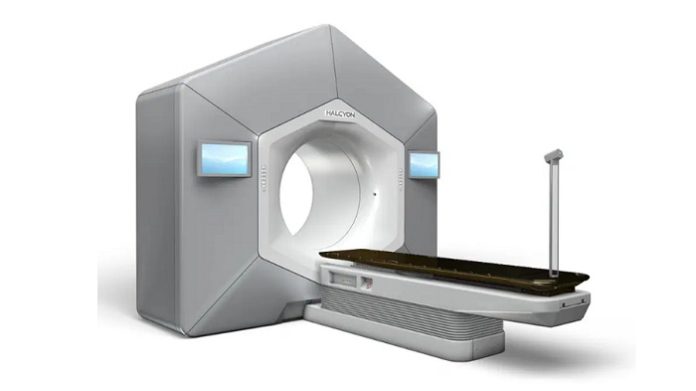
Varian manufactures Halcyon radiotherapy systems in Germany for the first time

Varian, a Siemens Healthineers company, manufactures the first Halcyon radiotherapy system at its Kemnath site. Siemens Healthineers built a completely new production line at the plant and expanded its research and development team. With the acquisition of Varian, these are once again part of the Siemens Healthineers product portfolio. Systems for the German, European and US markets are manufactured in Kemnath. The first Halcyon from Kemnath goes to Curavid Radiotherapy and Radiology in Lรผbeck. Siemens Healthineers announced in February 2022 that it would invest EUR 60 million in the Kemnath production site and create 50 new jobs. The expansion of the production to include radiotherapy devices is part of this investment.

“We want to further expand the production of radiotherapy systems in Kemnath and increase the quantities. We also want to increase the vertical integration of the Halcyon system by producing more individual parts here in the plant,” said Michael Braunreuther, head of the Kemnath site at Siemens Healthineers. “The expansion of our portfolio here in Kemnath is a further commitment to Germany as a location for innovation.”

Radiotherapy is one of the most important methods of modern cancer therapy and is now used in more than half of all cancer treatments. The radiotherapy devices, so-called linear accelerators, are part of the product portfolio of Varian, now a Siemens Healthineers company. Linear accelerators are used both in the outpatient sector and in hospitals for the targeted treatment of cancer. The Halcyon system from Varian is one of the most technically innovative accelerator systems on the market. Siemens Healthineers built another production site for these systems in Kemnath. A second production site is located in Beijing. Until 2012, Siemens Healthineers manufactured radiotherapy systems in Kemnath. Parts of the infrastructure, such as the radiation-proof test cabins, are still available and can be used to test the new Varian systems. The production of radiotherapy systems complements the existing portfolio at the site. The Kemnath plant in the Oberpfalz region was established in 1962. It has grown since then from a purely contract-based manufacturer to a Center of Competence for mechatronics that covers large parts of the Siemens Healthineers product range. The components developed and manufactured in Kemnath include C-arms for angiography systems in addition to tables for MRI units and components for analytical systems used in lab diagnostics.

Teaching With Anatomical Brain Models: Enhance Student Learning of Human Anatomy

Our brain is a complicated structure, and studying its anatomy is even more difficult. A good anatomical brain model can help illustrate the various components of the brain and their functions in a multifaceted manner, making it easier for students to learn.

What Are Anatomical Brain Models?

Anatomical brain models are tools that assist in teaching anatomy and physiology. They are available in various configurations intended to focus learning on a critical system or specific mechanisms or to show the whole brain with all structures in place.

Without visual aids, making the human brain’s architecture easy to understand is challenging. That’s why teachers rely on human brain models to help students comprehend the anatomy and physiology of the brain. It’s one thing to stand in front of a group of excited pupils. It’s quite another to fully describe how the brain regulates memory, memory abilities, appetite, etc. Even the basics can get lost in the imagination without a visual aid.

Choosing an Anatomical Brain Model for the Classroom

The best brain models provide customers with a wide selection of functions so that teachers and students can benefit from them in various ways. To choose the ideal anatomical brain model, you must first consider your lesson plan’s complexity. The model you pick should correspond with the level of detail you need.

For instance, a two-part brain model will show the different hemispheres but not the various lobes. It implies that students won’t be able to see basal ganglia or the pons of the brain stem. You’ll need a more sophisticated anatomical model to represent these parts. However, while a model with more components will offer a more thorough understanding, it can also make matters harder when students merely need to comprehend how the two hemispheres connect.

It’s also to read reviews when purchasing anatomical brain models. It is an excellent way to determine whether or not a product is worth your money. Consumer reports are a great source of information. So that consumers don’t have to rely on reading labels or the manufacturer’s word for it, they evaluate items for safety, performance, and value.

To help you find the best one for your classroom, here’s a list of the most popular anatomical brain models professionals use.

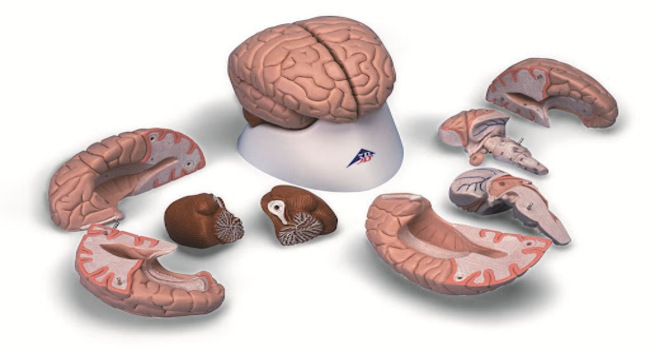
Anatomical Classic Human Brain Model (Five Parts)

The Anatomical Classic Human Brain Model (Five Parts) is an exact reproduction of a human brain that can be used in classrooms, universities, and hospitals to educate about anatomy or to illustrate medical processes. It may be divided into five separate parts for a more thorough analysis of the brain’s structure, in addition to being incredibly realistic and large enough for improved sight and anatomical accuracy.

When divided, it displays the inner anatomy of the brain after initially showing only the brain’s surface structure. The frontal and parietal lobes, the cephalic trunk, the cerebellum, and temporal and occipital lobes can then be seen after additional dissection of the left hemisphere brain.

Students can easily understand how the various pieces fit together thanks to the high degree of detail, anatomical accuracy, and removable sections in this brain model, which makes it easy for them to master its structure.

The Classic Human Brain comes with a detachable base that makes it simple to set the model down on a desk or shelf. It also has a hands-free display for presentations. The model can also be affixed to a whiteboard for improved visibility because each of its hemispheres is magnetic.

8-Part Anatomical Human Brain Model

To illustrate the anatomy and proportions of the various functioning parts, you can split this human brain model into eight sections. The vascular pathways of the human brain can also be taught with accuracy and reliability thanks to unique details.

The 8-Part Anatomical Human Brain Model is excellent for usage in GP offices, physiotherapy clinics, and other medical settings where it can help patients understand. However, it is also adaptable enough to be utilised by medical students in universities and classrooms to promote learning and comprehension.

Neuro-Anatomical Coloured Brain Model

A medially divided brain model that’s colour-coded to show the various neurological aspects of the brain. The intricate neurological anatomy of the brain can be learned or taught using this top-notch neuro-brain model. The left half of the brain model shows the Broca and Wernicke areas, pre and post-central region, brain nerves, Hesch’s gyrus, and ventricles, while the right half of the brain is divided medially to provide a coloured, systematic grouping and representation of the cerebral lobe.

The frontal cortex with parietal lobe, occipital and temporal lobes, 50% of the brain stem, and 50% of the cerebellum are just a few of the anatomical components that may be separated from either of the two halves of this coloured brain model. This neurological brain model is a great teaching tool for the human nervous system and brain anatomy. The base of the brain model is removable.

These anatomical brain models come with a free 3B Scientific 3B Smart Anatomy app. This includes access to an anatomy course that offers a variety of virtual anatomy models, lectures, and exams. Additionally, it offers a free warranty upgrade from 3 to 5 years with every product registration. Simply scan the sticker on your anatomical model and register online to receive these benefits.

Maintaining Anatomical Brain Models

Anatomical models can last for years when properly used. The unit can be cleaned to increase its longevity and make it last for many years in the classroom. Additionally, routine cleaning will improve hygiene when handling the model and lower the chance of cross-contamination.

Simple cleaning only needs soapy water and a gentle towel. Germs that are spread by so many hands contacting the appliance can be decreased by cleaning it gently using an antibacterial cleaner. Abrasive cleaners can cause hand-painted identification numbers and details on many of the models to fade. Additionally, stay away from drying substances like alcohol, which can lead to the cracking of the vinyl.

Why You Need Managed Healthcare IT Services

Healthcare businesses and institutions must keep up with innovation and technology to meet increasing patient demands and public health needs. Telehealth, electronic health records, advanced diagnostic equipment, and clinical research forms are some technology-related assets that healthcare organizations manage.

But these technologies are at a high risk of a security breach. Cybercriminals also target healthcare institutions for stealing sensitive information and ransomware infliction. If you own or operate a clinic, medical supply manufacturing company, hospital, or any healthcare organization, consider managed healthcare IT services to protect your data, network, and overall business.

Learn why you need managed healthcare IT services below so that you can make more intelligent decisions on how to effectively manage your IT infrastructure and operations to meet your goals.

Provide Excellent And Secure Patient Careย 

A crucial aspect of patient care is fast service. Patients consider long waiting times a big turn-off. Outdated computers and inefficient workflows for gathering patient information can negatively affect the overall experience. The same holds for long waiting times in answering patient inquiries online or over the phone.

One way to provide excellent and secure patient care is through business process outsourcing (BPO). This managed healthcare IT solution can be highly beneficial for medical institutions and healthcare manufacturers. A managed service provider can give the means to enhance response and resolution times for a more positive customer experience. Learn more about BPO for healthcare at https://www.buchanan.com/bpo-healthcare/.

Promote Workforce Mobility And Flexibilityย 

The healthcare industry can extremely benefit from mobile technologies. Medical professionals and organizations use smartphones, tablets, and other mobile devices to communicate and collaborate quicker than relying on wired phone lines and fax machines. These capabilities improve both employee and patient satisfaction.

However, mobile technologies can pose security risks in the healthcare sector, such as data breaches and unauthorized access to critical patient data via mobile devices. Managed IT service providers can help reduce these risks through 24/7 hours of cybersecurity monitoring.

Managed IT service companies can also help healthcare organizations migrate to cloud-based platforms to benefit from ubiquitous access. More importantly, they offer a wide range of services to secure healthcare systems from unauthorized access and data breaches. For instance, Isowire Healthcare IT Services offer onsite support, strategic advisory services, and business and security-focused solutions.

Help Build Scalable Healthcare IT Infrastructure

Many healthcare companies struggle to build and maintain a scalable IT infrastructure. Because of tight budgets, outdated call centers, and insufficient physical space, healthcare organizations face obstacles in deploying the latest technologies to improve patient care. In short, technology becomes stagnant and restricted. As a result, healthcare facilities take a while to undergo upgrades.

Healthcare institutions need managed IT services to ensure their IT systems are up to date and meet the increasing needs of their patients and other stakeholders. A scalable operational infrastructure improves overall operations by accommodating more patients and training more employees.

If you want to build a cloud-hosted infrastructure or IT system that grows with your practice, collaborating with a managed healthcare IT service provider is a must.

Promote Better IT Cost Control

Healthcare organizations recognize the importance of maintaining a secure IT infrastructure. But the problem is that many of them get too overwhelmed with the broad range of IT solutions available in the market. The deals can be enticing, confusing healthcare business owners with what technology to embrace.

In addition, managing IT infrastructure can be expensive. Healthcare facilities need a huge capital to maintain and upgrade hardware systems such as workstations and servers. Moreover, unscheduled downtimes can delay or halt business operations, possibly compromising data and network security.

Entrusting your IT through a managed healthcare IT service provider can help decrease infrastructure and maintenance costs. Because managed IT service companies have a 24-hour workforce and sophisticated systems in place, preventing unscheduled downtime is possible. Moreover, healthcare organizations donโ€™t have to let patients shoulder their technology expenses, providing better patient care at a more reasonable cost.

Promote Healthcare Business Compliance

Healthcare organizations can immensely benefit from managed healthcare IT services because theyโ€™re able to provide proactive security. Managed healthcare IT services deploy core security services, such as identity-based security, encryption, data backup and recovery, and user access control management. Healthcare companies can thus meet and comply with industry standards and healthcare laws, such as data privacy regulations.

Conclusion

Managed IT services streamline the operations of healthcare organizations, reducing operational costs and enhancing workforce transparency. These services help healthcare facilities and institutions overcome the key challenges related to mobility, compliance, and scalability to provide the highest quality patient care possible at an affordable cost.

Singapore Resorts To Preventive Care To Cut Healthcare Costs

UBERDOC Launches UBERDOC for Hospitals to Significantly Reduce Hospital Administrative Costs

According to a report from GlobalData, Singapore’s intentions to implement a new healthcare reform called “Healthier SG” that aims to change the country’s healthcare approach from reactionary to preventative medicine will provide a resolution to rising healthcare expenditures in the city-state.

In order to address chronic diseases, Singapore wants to offer a family doctor, a health plan, and reasonably priced medications first to the population 60 years of age and older, and then progressively to those in other age categories.

As per GlobalData, the programme will assist people in comprehending their current state of health, identifying their medical requirements and health objectives, and developing an action plan that may include making lifestyle changes, managing their weight, scheduling screenings, or receiving vaccinations. People will have enough freedom to select and switch doctors as necessary.

The research also stated that Singapore provides an excellent basis for firms to establish new models of operation centered on big data and patient-centric care.

The action emphasises how crucial it is for people to take charge of their health, according to the report. According to a survey, the Singaporean market for medical devices is predicted to grow to $3.5 billion by 2022. Singapore is currently home to more than 60 international MedTech businesses, with operations spanning from regional headquarters and manufacturing to development and research.

The two main causes that may have impacted Singapore’s choice to introduce the new healthcare legislation plan are an ageing population and a rising burden of long-term diseases like obesity and hypertension, as perย medical devices analyst at GlobalData, Pratibha Thammanabhatla.

As the population ages and requires more medical care, the plan will help the nation’s healthcare system, according to Thammanabhatla.

According to her, Singapore has always placed a high premium on health and is dedicated to modernising its healthcare system by remaining open to ideas and collaborations, embracing new technologies, and launching new government initiatives.

When it comes to displaying government initiatives and policies that, if properly developed and followed, may make a significant difference in people’s lives, the country always sets a precedent for other nations, she added.

Translate ยป