Close
Digital Health & Ai Innovation summit 2026
Medical Taiwan 2026

The Best Non-surgical weight loss option: The Gastric Balloon

Losing weight is difficult for most people. However, some factors make it even more difficult to lose weight. What options are available to people who cannot shed weight and keep it off? One common option today is the gastric balloon.

The gastric balloon is a non-surgical weight loss treatment that can benefit persons with diabetes, high blood pressure, and other health issues associated with being overweight. For a wide spectrum of persons who desire to lose small to moderate amounts of weight, it is a safe and successful treatment. It has less risks and problems than weight reduction surgery and can help patients accomplish their goals.

Gastric Balloon For Optimal Weight lossย 

Theย Spatz Medicalย Gastric Balloon is adjustable; it encourages better eating habits and keeps weight off even after removal. Many patients have reported that it helped them positively alter their relationship with food.

Because it is an adjustable product, people who can use it have exceeded their expectations and achieved great success.

Benefits

There are several benefits of gastric balloons. The most notable benefits include:

  • Adjustability

Once the implant is in place, the gastric balloon is adjustable. To get the optimum outcome, patients can ask for a volume increase if they want to avoid weight gain. Additionally, they can lower the volume to lessen its sensitivity.

  • High Rate of Success

The effectiveness of gastric balloons has recently been demonstrated by a study. The Adjustable Balloon was given to about 187 persons, who wore it for eight months. With a 5% weight loss and a 15% decrease in body weight, 92 people on average had notable improvements. The participants did not only lose weight but were able to keep the weight off.

  • Weight Loss Maintenance

Individuals with sensitive stomachs benefit from this therapy. With it, patients do not need to worry about regaining lost weight. This is not the case with non-adjustable balloons, which lose their efficacy after four months. It is useful for those who may struggle to lose weight and keep it off due to various health conditions.

How Does it Work ?

Because intragastric balloons are non-invasive and reversible, many people opt for them. They can safeguard the stomach’s physical structure. Only a third of the stomach is occupied by the saline-filled Spatz3 gastric balloon. As a result, the quantity of food it keeps at a given moment might be decreased. The individual will gradually eat fewer portions, which will result in healthier eating behaviors.

Who is it Meant For?

The ideal customers for this product are adults who have had difficulty losing weight in the past. The balloon can stay in the stomach for 8 months and produce the best outcome. However, it still requires long-term eating changes and behavior changes that prevent weight gain.

If you’re serious about losing weight and improving your health, the Spatz3 adjustable balloon is the finest option.

Other tips to lose weight include the following:

  • Avoid skipping breakfast.
  • Eat typical meals.
  • Consume lots of fruits and vegetables.
  • Become more active.
  • Take in lots of water.
  • Consume high-fiber foods.
  • Read the food labels.

Many people make the mistake of following the fad diet trend. This diet is not sustainable and may have its own negative effects. Less invasive treatments like the gastric balloon can produce more satisfying results.

Final Words

Although the Adjustable Gastric Balloon is the safest and least invasive option currently available. While it is not a miraculous treatment for obesity, it can help reduce some of the weight. It not only facilitates risk-free, healthy weight loss, but it also lessens the chance of relapse.

First Aid Procedures: Why Everyone Should Learn How to Save Lives

When it comes to saving lives, first aid procedures are essential. In the event of an emergency, you may be the only person who can help. Thatโ€™s why everyone needs to learn how to administer first aid.

Even if you donโ€™t work in a profession where you might need to use first aid procedures often, thereโ€™s always a chance that you could find yourself in a situation where they could save a life. And with so many different types of emergencies possible, itโ€™s best to be prepared for anything.

In this blog post, we will discuss what first aid is and why itโ€™s important for everyone to learn how to administer it. We will also provide some tips on how to get started learning first aid procedures. So whether youโ€™re an everyday citizen or a healthcare professional, read on for everything you need to know about the importance of learning first aid!

What Is First Aid?

First aid is the immediate care administered to a person who is injured or ill. This type of care is designed to minimize further harm and provide comfort until professional medical help can be obtained.

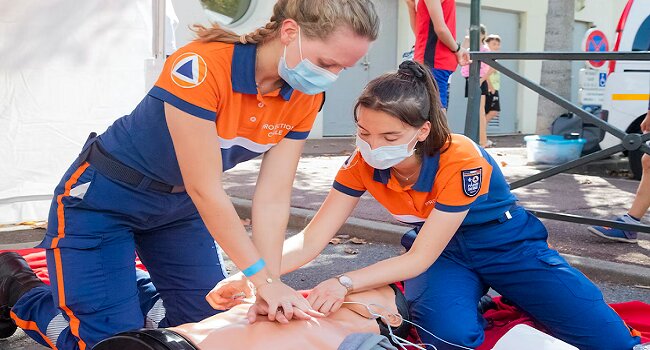
Basic first aid procedures include controlling bleeding, cleaning wounds, using splints to immobilize fractures, administering CPR, and providing rescue breathing. In addition, basic first aid also includes preventing shock and managing common illnesses such as allergies and asthma attacks. While some people are familiar with these procedures, many do not have adequate training or knowledge in administering first aid, so itโ€™s important to make sure youโ€™re well-prepared in the event of an emergency.

What Are The Most Important First Aid Procedures To Know?

The most important first aid procedures to know are CPR, controlling bleeding, providing rescue breathing, and stabilizing fractures. Knowing what are the Steps of CPR and how should you be prepared is especially important in an emergency, as it can save a personโ€™s life. Additionally, controlling bleeding and providing rescue breathing is important for emergencies where a person is not breathing or has lost excessive amounts of blood. Finally, stabilizing fractures can help reduce the amount of pain a person is experiencing and can help prevent further injury.

However, it is important to note that it is not enough to only know the steps of first aid and be familiar with the most important proTo order to be effective, it is also important to practice these skills in a safe environment so that you can respond effectively in an emergency.

Why Is It Important To Learn First Aid Procedures?

Learning first aid procedures is important for many reasons, but some of the most important include:

Saving Lives

Knowing how to administer first aid can help save lives. In emergencies, it may be the only thing standing between life and death. By learning basic first aid procedures, you can help someone in need until professional medical assistance arrives. No matter where you live or work, thereโ€™s always a chance that an accident or unexpected health problem could occur. From a simple cut or burn to a serious injury, you never know when first aid skills may be needed.

Improving Health Outcomes

Learning first aid procedures is also important for improving health outcomes. By providing basic first aid, you can reduce pain and discomfort while helping to stabilize a patient until they receive professional medical care. In some cases, this can even help prevent the development of a more serious condition or infection. For instance, administering CPR can help keep a person alive until they receive defibrillation or other medical treatments.

Reducing Pain And Suffering For The Victim

Finally, learning first aid is important because it can help reduce pain and suffering for the victim. By providing basic care such as cleaning wounds or immobilizing fractures, you can make a person more comfortable until medical help arrives. This can be especially helpful in cases of life-threatening injuries where immediate medical attention is not available

How To Get Started Learning First Aid?

The best way to get started learning first aid is to take a basic first aid course. These courses can provide you with the knowledge and skills necessary to respond effectively in emergencies. Most courses are offered by local hospitals, community centers, or even online. Additionally, there are many organizations such as the Red Cross that offer classes on first aid and CPR certification.

In addition to taking a course, itโ€™s important to practice your skills regularly so that they remain fresh in your mind. Additionally, make sure you have a well-stocked first aid kit at home or in the car so that you have everything you need to respond quickly and appropriately in an emergency.

As you can see, learning basic first aid procedures is an important skill to have to be prepared for any emergency. By taking a course and practicing your skills regularly, you can help save lives, improve health outcomes, and reduce pain and suffering for the victim. Itโ€™s never too late to learn these important skills and make sure you are ready to respond when needed.ย  So don’t wait – start learning today!

Artificial Intelligence Will Keep Drawing Healthcare Funding

According to GlobalData’s most recent report, Digital Transformation and Emerging Technology in the Healthcare Industry: 2022 Edition, artificial intelligence (AI) was regarded as one of the top current investment priorities and was expected to continue to attract investment in the healthcare sector in the ensuing two years.

Digital media was highlighted as a top current investment priority in this survey-based report tracker, with 53% of respondents stating that their organisations are presently investing in this technology. AI, social media, and big data came after it (Figure 1). Digital media experienced the largest gain in current investment when compared to last year’s data, up 22%. In addition to emerging as very popular technologies for investment priorities for several years, big data (+5%), social media (+8%), and AI (+9% from 2021) have all gained since last year. Their joint use has the potential to unleash synergistic power and disruption in the healthcare industry.

Although digital media was chosen as the top investment target for the present, it is anticipated that over the following two years, fewer businesses will be investing in this technology. This would probably be because of the current inflation and soaring prices, which make the investing environment dismal. The professionals in the healthcare sector who were polled predicted that their organisations will prioritise AI as the primary investment objective during the next two years (Figure 2).

Since 2018, artificial intelligence (AI) has led the list of the most appealing investment targets. AI is a relatively adaptable technology that can be used in a variety of operations along the pharmaceutical value chain to make them quicker and more effective, thereby reducing time and labour expenses.

The technology has a wide range of uses; for instance, businesses like Exscientia are utilising AI to assist their pharmaceutical clients in analysing massive data sets to quickly find prospective drug targets. BioSymetrics uses AI and machine learning to create a platform and designs to help pharmaceutical companies recognise drug targets for discovery, while Bayer’s AI-enabled CalanticTM Digital Solutions framework, which combines AI with cloud computing, is used to provide additional structured tasks and better work. K Health uses AI and big data in its AI-based telehealth app to allow users to access accurate information about their signs and communicate with doctors.

The adoption of digital technology has been sped up considerably by the new digital era. Healthcare industry procedures are likely to undergo a transformation fuelled by disruptive technologies like artificial intelligence (AI). A growing confidence in AI is supported by an increase in the number of successful AI use cases in the healthcare sector. The potential of AI goes well beyond simply speeding up and saving money on the process of drug discovery or giving medical professionals access to quicker and more precise diagnostics.

How To Improve Patient Satisfaction

Today, healthcare providers donโ€™t just aim to provide an accurate diagnosis but also improve patient satisfaction. While it might feel like a small thing, patient satisfaction can significantly affect the business, as one small mistake might risk the hospitalโ€™s reputation.

With the advent of social media, people are more empowered than ever to share their negative experiences with the world, which can have far-reaching consequences for oneโ€™s reputation. Hence, improving patient satisfaction is essential.

Patient satisfaction is about providing the best service possible. Itโ€™s where everything is convenient for the patient while making them feel safe under your care. To help you get started, below are some ways to improve patient satisfaction:

Switch To Digital Process

Today, more patients would be grateful if hospitals were updated to reflect the cutting-edge standards of today. One way you can improve patient satisfaction is by switching to a digital process wherein you allow your customers to process everything using the latest technology.

This can include their appointments or even checkups, as they no longer have to wait at the hospital for their turn. Consequently, they can do everything right in the comforts of their own home and get the diagnosis they need.

While not every case is possible for a video checkup, itโ€™ll be an excellent option for your patients with mobility issues. Going digital helps accommodate your patients and lets them enjoy the new technology you can offer while taking care of their health.

Update Website

When a patient has no idea about your hospital or clinic, theyโ€™ll first check your website. Your website can give them the necessary information to see if you can provide their needed service.

With that, itโ€™s necessary to leave an excellent first impression by making your website optimized and user-friendly. Most hospital websites are outdated as they focus more on what they can provide physically.

However, a poorly maintained website may give a wrong impression. It might make the patients think you still use old methods and facilities. Hence, itโ€™s best to update your site to impress your customers even when they still havenโ€™t set foot inside your facility.

Upgrade Hospital Amenities

Everyone wants to be in a hospital that uses updated and modern facilities. Besides helping doctors make more precise diagnoses, this innovation can improve patientsโ€™ healthcare and overall experience.

Damage or apparent wear and tear indicate that itโ€™s time to upgrade your facilities. While it might be expensive, itโ€™ll help to satisfy the patients under your care. They would think the price tag is reasonable for the level of care they receive at your facility.

Improve Appointment Process

One of the biggest frustrations of most patients is the appointment process. In the past, patients had to come to the office to list their names for a schedule. A phone call might work but not every hospital answers promptly. To make things convenient for your patients, it helps to improve this process by providing various options to book an appointment.

Apart from phone calls, you can create an online system where patients can book their doctors without the secretaryโ€™s assistance. Alternatively, they can also send a text or email about scheduling an appointment.

Moreover, itโ€™s also best to train everyone assigned to this field to provide a quick response to avoid mixing appointments. And it would be better to keep your lines open during lunchtime and have someone respond to the call to accommodate everyone.

Provide Excellent Patient Service

When your patient steps inside the clinic or hospital, they should get the best service as soon as possible. There should be someone whoโ€™ll speak to everyone who goes inside and give them directions about what to do to wait for their turn.

Moreover, itโ€™s also necessary to maintain professionalism and respect to make the patients feel valued inside the facility. This service should continue throughout their process until they leave the establishment.

Develop Rapport

Patients are more comfortable discussing their ailments with their doctors if they feel that they can trust them. Hence, theyโ€™ll be more transparent about what theyโ€™re experiencing. However, not everyone is comfortable sharing their experiences, especially if the doctor isn’t welcoming enough or theyโ€™re anxious about what could happen.

To help your patients feel at ease, it helps to develop rapport from the moment they step in. You can share a quick conversation about anything unrelated to their health. Moreover, as they discuss their concerns, itโ€™s best to listen to them attentively and show empathy. Itโ€™ll help make your customers feel comfortable about their health issues.

Educate The Patient

When you receive a diagnosis, it might be quicker to blurt it out to your patient. However, they might not understand what youโ€™re trying to say, making them more confused. To make things easier for everyone, discussing your diagnosis with the patient is essential so they can fully understand the situation. Itโ€™s their health, and they deserve to understand whatโ€™s happening.

Be Punctual

Nothingโ€™s more frustrating to a patient than arriving to their appointments early, only to wait for hours because their doctors arrived late. Patients may become annoyed by this, especially if they have important obligations. To respect their time, itโ€™s best to be punctual as much as possible.

Arrive at your scheduled time and avoid being late. If thereโ€™s an emergency, keep everyone in the loop so your patients can understand why you couldnโ€™t make it on time for their appointment.

Create Comfortable Waiting Area

Patients would have to wait for a couple of minutes before their doctor is ready to see them. While they stay outside, they can spend time in the waiting area. Apart from providing chairs, itโ€™ll be great to create a comfortable space where everyone can feel at ease.

You can provide entertainment, such as a television, book, or magazine. You can also install a water station that lets your patients have something to drink while they wait. While coffee or tea is a good option, some patients might not be allowed to take them, which can serve as a temptation.

Takeaway

Improving patient satisfaction will help make your customers happy about your service. The above mentioned tips can enhance your business image. As you improve patient satisfaction, ensure you provide them with the most convenience possible. Theyโ€™re putting their trust in you and your expertise, so prove that you deserve it by being the greatest at what you do.

A Guide To Using COCM In Boosting Mental Health

The world is gradually becoming a better place for recognizing mental health needs and validating many physical and psychological struggles. However, the number of institutions and professionals that can handle and manage these cases is still low. This imbalance between several patients and the mental health support system causes many of these psychological problems to be left untreated and undervalued. Furthermore, it makes getting quality treatment challenging for many and out of a regular person’s budget.

The usual path for those who need support for their mental health is to talk to their primary care provider (PCP). The PCP can either treat the patient’s issue themselves or refer them to another mental health provider, such as a psychiatrist. However, many of these PCPs cannot provide quality mental health care for everyone as they are also limited in ratio to the patients.

The collaborative care model, or COCM, is modeled for these reasons, making mental health care accessible and available for more patients. The University of Washington in the United States developed specific integrated care to treat common mental health problems many faces, such as depression, anxiety, and substance abuse. This model works for conditions that require a proper follow-up system as these are persistent, and the progress needs to be tracked accordingly.

The COCM is a team-based approach using various disciplines in psychiatry and psychology to produce evidence-based diagnoses, provide necessary treatment, and ensure that follow-up care is provided for patients. Most healthcare systems in the US are starting to adopt this model for better mental health maintenance.

How Does COCM Work

In the COCM, the primary care practitioners set up a registry of patients who have identified mental illnesses or need immediate care in their respective scope according to specific disorders. This treatment involves four people, including the patient, which are:

  • Behavioral Health Care Manager

Usually, these are the counselors, social workers, psychologists, psychiatric nurses, or clinical social workers tasked to perform management jobs when a patient undergoes treatment. Behavioral health care managers work directly with a primary care provider for the patient’s treatment plan and medication. They are also in direct contact with the patient and the registry, ensuring that the patient’s records are appropriately stored safely at any point in the treatment process.

  • Primary Care Provider

These professionals are the ones who lead the team and see people who have medical problems, in this case, patients in need of mental health treatment. They can prescribe medicines and medications to the patient and works together with the behavioral health care manager. From time to time, these PCPs contact a consulting psychiatrist to ask for their expertise in the treatment and receive support for other parts of the treatment that need professional work.

  • Consulting Psychiatrist

These experts are not in direct contact with the patient, but they oversee the status, treatment, and medication plan provided by the PCP and the behavioral health care manager. They can also access the registry to keep track of the patient’s progress. Moreover, they can prescribe or administer psychotropic medications and conduct individual or group psychotherapy for the patients involved.

By implementing this collaborative care model, the treatment plan for the patient is ensured to be conducted correctly and with the needed guidance without losing or missing a part in the process. It also allows the mental health professional not to be overloaded with tasks and be focused on a specific delegated job that they need to work on in the COCM.

Timeline of Treatment In Collaborative Care

The treatment is divided into patient care and ongoing systems support. By following this timeline, the Collaborative Care Model ensures effective treatment for the patient and an efficient way for the system.

  • Identify And Engage Patients

This first step includes identifying people who need help and screening them for behavioral health problems using valid measures set by the system. The person is introduced to and engaged in the integrated care program at this stage. This step happens in week 1, and the Primary Care Provider and Behavioral Health Provider are directly in contact with the patient.

  • Establish Diagnosis

After the first step, establishing a diagnosis comes immediately after performing a behavioral health assessment. This stage allows the involved healthcare professionals to identify the patient’s coexisting medical conditions and treat them as possible. It is also the stage where the patient is educated about their symptoms and diagnosis, involving them in their treatment process.

  • Initiate Treatment

This step happens in the initial week after the patient is informed about their recommended treatment plan. Their behavioral treatment plan is also developed and updated according to their needs. Brief counseling sessions and behavioral activation are also conducted, along with the prescription of psychotropic medications. For psychotherapy, Interpersonal Therapy (IPT), Problem-Solving Therapy (PST), Cognitive Behavioral Therapy (CBT), and other evidence-based methods are used for the patient. The patient will be referred to specialty care or social services if indicated.

  • Follow-Up Care and Treat to Target

The follow-up treatment happens in the second to the 16th week of the Collaborative Care Model. It involves tracking the treatment engagement of the patient and their record’s adherence to the registry. This part is also where non-adherent or disengaged patients are addressed and reached out to. The patient’s symptoms are also tracked with valid outcome measures, such as the Patient Health Questionnaire-9 (PHQ-9). The prescribed medications are followed, along with their side effects and patient concerns. The referrals, treatments, and other outcomes are also tracked and assessed with the changes needed if the situation requires them.

In-person or telehealth psychiatric assessments are conducted as well for those with challenging cases to ensure they receive treatment according to their needs.

  • Complete Treatment And Provide Relapse Prevention

During the end phase of treatment, patients are assessed for completing their goals and creating a relapse prevention plan as a safety measure. This plan is then communicated to the team, allowing them to access it just in case the patient relapses after the treatment is completed. This step occurs after the 16th week and beyond.

  • Provide System Level Supports For Care

Finally, the COCM provides administrative support and coordinates communication among team members. They are then engaged in continuous quality improvement, focusing on the patient panels or the entire population on the registry. The treatment is considered ongoing system support and is complete by this time.

Following this timeline allows the patient to recover on time and the system to accommodate as many patients as possible. The timeline and weeks may be adjusted to earlier or later times, but it’s recommended to follow this model for more efficient treatment.

Advantages Of COCM

The collaborative care model can be a good treatment plan for patients needing mental health support. In the model, everyone benefits from COCM, especially the patients. Some of the ways that this model helps are:

  1. Effectivity

Many studies have proven and provided results that COCM produces better outcomes for their patients, as well as higher satisfaction. The cost of this mental health care support is significantly reduced, and follow-ups for the treatment plans are handled more successfully, with patients following through all necessary procedures to get better eventually.

  1. Affordability

Using the collaborative care model as a treatment plan for patients is significantly cost-effective and can save healthcare expenses. These savings, especially for those with long-term follow-up treatments, allows more people to have the ability to access treatment for their mental health problems. Aside from that, COCM is reimbursable by insurance, making the cost of the treatment affordable and accessible to a broader population.

  1. Less Stigmatized

Although seeking help for mental health problems is now usual in the modern world, it is still stigmatized by some, making treatments harder for most people. With the COCM, a team of professionals will work hand in hand to ensure that the patient does not feel pressured and alone in their journey toward the treatment of their mental health. Also, the set-up of this kind of treatment allows it to be more casual and less severe than getting strict one-on-one therapy sessions, progressing at a consistent and long-term pace for the patient.

  1. Better Psychiatric Oversight For The Psychiatrist

This model allows clinical psychiatrists to have a more flexible schedule with their patients, with more time to provide and attend to other patients. Also, the creation of a registry with detailed and complete follow-ups for each mental illness and population group, a weekly chart review, overseeing treatment and medication plans, and collaborating with PCPs and behavioral health care managers allows them to share the task and work together with a team for more effective treatment and accommodating more patients.

  1. Population Health Approach Trains the Primacy Care Providers

By having a registry of the PCP population, they can identify the trends and frequencies of mental health problems in their scope. Instead of individual treatments, a population of similar cases can be studied and provided with the needed support based on the data on the registry. At the same time, they are constantly trained in mental health support by collaborating with other professionals, such as clinical psychiatrists.

Factors To Look For In A COCM

An effective COCM requires hiring an experienced team of professionals to enable a more productive output. Moreover, as the registry becomes slowly loaded with patients’ data, using technology such as the cloud and other software can make the process efficient. With this, they can save data across computers and access it anytime and anywhere. Good communication between the team members of the COCM is also necessary to avoid mistakes in the process and accommodate patient needs effectively.

Conclusion

The collaborative care model was introduced in healthcare systems for better and more adequate access to mental health care. COCM comprises a team including behavioral health care managers, primary care providers, and clinical psychiatrists. These people help the patient during their treatment and medication plan while building a registry with data collected from the population, efficiently identifying and targeting issues as a whole. COCM is backed by studies and cases proving it is more effective and affordable. With improvements and conclusive support for COCM implementation, we can expect a better outcome in the mental health system.


Analytics and Data-Driven Healthcare to Be Fuelled by FHIR Interoperability Boost: InterSystems ANZ Study

InterSystems, a provider of next-generation solutions for enterprise digital transformation to help customers solve the most critical data challenges, today revealed expected changes in Australia and New Zealandโ€™s interoperability landscapes that would increase the limited data currently available for health analytics and boost data-driven care.

A new study,ย The State of Healthcare Analytics & Interoperability Study โ€“ Australia & New Zealand, was conducted by tech advisory firm,ย Ecosystm for InterSystems. It surveyed 180 healthcare executives across public and private organisations, large and small hospitals, and city and rural locations. Among its findings are that:

  • 94% of healthcare executives want to change their existing data exchange mechanisms
  • 66% want healthcare organisations to focus more on the standardisation of data exchange
  • Adoption ofย FHIRยฎ-enabled interoperability is expected to increase sixfold from 11% to 66%

These improvements in interoperability would address limitations in the data available for health analytics that currently hamper data-driven care initiatives needed to meet community expectations and boost the effectiveness of healthcare without increasing costs.

โ€œHealthcare organisations are currently limited in the datasets they can analyse,โ€ said Darren Jones, Country Manager, Australia and New Zealand for InterSystems. โ€œBecause of data exchange issues, analytics solutions typically work within information silos, without access to the bigger picture. This limits innovation in the use of data to improve healthcare delivery.โ€

The survey found that around half (52%) of healthcare organisations could use inpatient clinical data in their health analytics solutions. But only 41% could analyse data from diagnostic systems, and only 38% could analyse patient administration data. Clinical data from outpatient services was available for analysis at around a third (34%) of healthcare organisations surveyed. Fewer than a quarter could analyse text from communications systems (24%) or log files (23%).ย  And fewer than a fifth (18%) could use sensor or medical device data for analytics.

A dramatic expected increase in the use ofย FHIRยฎ, or Fast Healthcare Interoperability Resources, a global health data standard invented in Australia, would make it easier to exchange data between different healthcare information sources in a meaningful way and in real time.

While the study revealed a low base of FHIR adoption in Australia and New Zealand, with only 11% of organisations currently employing FHIR-enabled data exchange, this is set for a rapid upswing, with a further 55% of providers surveyed planning a shift to a FHIR-based interoperability platform.

The survey found that 67% of providers currently use more than one interoperability method. However, only 30% currently look beyond in-house API-based data exchanges (used by 63%) and bulk data transfer (56%) to standards-based interoperability methods, including IHE certified data exchange (27%),ย HL7ยฎ/X12 interface engines (19%) and FHIR-enabled data exchange (11%).

As a result, the lack of access to real-time data is currently a significant challenge in implementing successful analytics solutions. The survey found it is a particular challenge for respondents in administrative roles (cited by 54%), clinical roles (47%), operations (43%) and management (41%), along with data quality.

โ€œThe road to healthcare interoperability has been rocky. Obstacles include multiple jurisdictions and a complex public/private healthcare mix,โ€ said Jones. โ€œBut out of this adversity has come FHIR, a huge breakthrough in health data standards, which our study shows is on the cusp of mainstream adoption. Increased FHIR adoption would increase the data available for analytics and enable data-driven care initiatives to solve the challenges our healthcare systems face.โ€

The State of Healthcare Analytics & Interoperability Study โ€“ Australia & New Zealand is available at:ย InterSystems.com/au/the-state-of-analytics-and-interoperability-study.

Pearly Penile Papules: 5 Treatment Considerations

Pearly penile papules are pimple-like skin lesions that grow around and near the head of the penis. These tiny bumps are common among males in late adolescence or early adulthood and may stay for a lifetime unless treated. The specific causes for this condition are still unknown, but they’re not an infection or contagious.

Although pearly penile papules are harmless, they’re commonly mistaken for a sexually transmitted infection. These misconceptions can lead to lower self-esteem, especially in romantic and sexual relationships.

To help get rid of pearly penile papules and regain your confidence, here are five effective treatments you can consider:

  1. PPP Ionizer Kit

Looking for a home remedy is one of the first options considered due to accessibility and affordability. However, not all natural remedies are safe. Applying lemon juice, toothpaste, or essential oils doesn’t remove pearly penile papules and may even cause skin irritations. Good thing there’s a DIY PPP kit that’s safe and effective.

The pearly penile papules ionizer kit is a convenient treatment option that utilizes an electrosurgery device you can use at home. It’s also affordable, costing as low as USD$100 per kit. Each kit includes an electrical ionizer to target and vaporize each bump from the core. It’s also non-invasive and painless since the package contains an effective anaesthetic cream. It’s worth considering for those looking for a quick solution.

This treatment option can also minimize papule regrowth. In most cases, one or two sessions are enough to remove the bumps permanently. However, some lumps may still grow in other spots, especially during early adulthood. In this case, you may repeat the treatment.

  1. Carbon Dioxide Laser

If you’re not confident about treating pearly penile papules at home, consulting a professional is always a reliable option. Doing so reduces the risk of irritation and quickens healing and recovery. One of the popular options is carbon dioxide laser surgery.

Carbon dioxide laser surgery is one of the most efficient treatments for papules and other skin lesions. It’s a non-surgical procedure that targets each papule through concentrated CO2, avoiding damage to other skin parts. The laser can effectively dissolve the bumps and prevent them from coming back.

The typical recovery time for CO2 laser treatments is one to two weeks. There are also aftercare instructions provided to avoid infections and quicken healing. Each session typically costs around USD$2,500, which is reasonable for reliable results. In most cases, papules stop recurring after one session.

  1. Cryoablation

Cryoablation is a type of cryotherapy. It’s a minimally invasive procedure to remove bumps on the skin, like papules, warts, and skin tags. It’s an effective treatment for pearly penile papule removal, with a 90% success rate after two sessions.

Cryoablation or cryosurgery uses liquid nitrogen to freeze the papules and stop growth. A needle-like probe is inserted into the bump to apply extreme cold and freeze the tissue from the inside. After the session, scabs will form and eventually fall off with the dried papules.

Before the procedure, you may receive topical anaesthesia to get you comfortable. This treatment is quick and effective and requires only one to three days for recovery. After the surgery, keep the area clean by washing it with mild cleansers to help prevent infections. Each session may cost around USD$1,800.

  1. Radiosurgery

Radiosurgery isn’t as common as laser therapy and cryosurgery. However, it’s also one of the most efficient ways to remove pearly penile papules permanently. The targeted radiation creates free radicals that can destroy the cell membranes and proteins of the bumps.

Radiosurgery for pearly penile papule removal typically lasts only 15 to 25 minutes. The radiofrequency tool is swiped across the papules as it radiates heat that destroys the tissues. The procedure’s success, cosmetic-wise, depends on the surgeon’s skills.

This treatment only requires one to three weeks for recovery, with proper aftercare. The only downside of radiosurgery is its accessibility. It’s not as accessible as other treatments like electrosurgery and laser therapy and may cost USD$800 to USD$1,500 per session.

  1. Excisional Surgery

Excisional surgery is a slightly invasive procedure for removing pearly penile papules. However, this treatment is a straightforward method to permanently eradicate unwanted skin tissue growth and prevent it from recurring.

Before the procedure, topical anaesthesia is applied to prevent pain. This treatment usually involves using a sharp razor to make tiny incisions on the papules. Then, the rest of the cells are removed and feathered using a dermal loop electrode, a wire loop that utilizes heat through electric current. It burns the tissues of the papules to remove them completely.

This procedure typically lasts 30 to 90 minutes and costs between USD$900 to USD$1,200. The only disadvantage of this treatment is the pain and discomfort for at least 24 to 48 hours after the surgery, and it requires up to three weeks for complete recovery.

Conclusion

Treating pearly penile papules can be life-changing. Despite being non-contagious, removing them can bring relief and help regain your confidence. With these treatment options, you can easily find the procedure that works best for you.

NHS Seeks Many More Staff To Tackle Cost-of-Living Crisis

According to information provided to The Independent, NHS treatment services are already thousands of therapists short and won’t be able to handle additional demand brought on by the cost-of-living problem.

A shortage of 2,000 personnel is preventing NHS counselling services in England from fulfilling therapeutic access goals, according to sources.

In a survey conducted by the UK Council for Psychotherapy (UKCP) and YouGov and published with The Independent, it was shown that nearly two in five respondents believed the cost of living crisis was negatively affecting their mental health. More than 2,000 people participated in the study, and those between the ages of 25 and 34 were most likely to report that the cost of living problem was having an effect on their mental health.

What he is concerned about, said Adam Jones, policy and public relations manager for the UKCP, is the reality that there is already a high level of demand for mental health care. They are also aware that prescriptions for antidepressants are being written at historic levels. They worry that the available capacity is already insufficient.

So with the future demand increasing, they are concerned that services will be stretched, waiting times will increase, and the average number of therapy sessions provided will decrease.

While the NHS is focused on training new therapists, he cautioned that there is already a population of psychotherapists and counsellors who are employed outside of the NHS. They would like to see more targeted recruiting of qualified psychotherapists and counsellors, such that most would only need a brief, adaptable training to be able to function in an NHS context.

Mr. Jones expressed concern that a two-tier mental health system with those from higher income homes who can afford private care would emerge. According to him, numerous people are absolutely unable to afford therapy in the existing environment, which results in a two-tiered system. People from better income origins can also benefit from other lifestyle aspects in terms of their mental health.

Mr. Jones stated that therapists had expressed worries about the needs of children, saying that there does not appear to be a strategy in place that can address the dire need for help that exists now and is anticipated to deteriorate in children in the coming months.

According to the most current statistics for NHS talking therapy services (IAPT), which are provided to people with low to severe depression, just 1.2 million of those who were recommended for treatment actually began it in 2021โ€“2022. The NHS issued plans in 2019 that called for 2,940 more IAPT therapists by 2023/23; but, according to The Independent, services are now about 2,000 therapists below what they require.

IAPT services are reportedly falling short of goals by 35%, which is the equivalent of 40,000 patients not receiving care each month, according to a source inside the NHS.

According to the UKCP study, 29% of respondents said they would have to spend less on nourishing foods, 33% said they would have less money to spend on their physical health, and 28% said they wouldn’t be able to maintain their mental health due to the growing cost of living.

The chief executive of UKCP, Professor Sarah Niblock, released the following warning: “The cost of living has a direct impact on their anxiety and that of their children. It is not isolated to the cost of heating or eating healthily. This new surge of fear and decreased financial support is escalating the mental health crisis in a country that is already feeling the effects of the COVID pandemic on mental health.

UKCP aims to increase awareness of the critical role that therapy can play in promoting the mental health of the country, which is more crucial than ever as they observe the mental health crisis reaching a breaking point.

People in higher-income households claimed to be better equipped to care for their physical and mental health, according to the poll. When asked about the remark, 22% of respondents claimed they already took mental health medication more frequently than once per week.

As a psychotherapist, it concerns him that almost half of the country is feeling the pinch of the cost-of-living problem, not just on their finances but also on their mental wellbeing, said Dr. Syed Azmatullah from UKCP.

These numbers start to illustrate the scope and long-term effects of the nation’s cost-of-living crisis. Even if the crisis were to end tomorrow, its long-term effects would be profound. The cost-of-living problem is hurting individuals of all ages and backgrounds, but 25- to 34-year-olds are more affected than any other age group, with two out of three of them saying it has an impact on their mental health.

According to a spokesperson for the NHS, the NHS remains committed to increasing support through its internationally recognised talking therapeutic interventions, and in August, more than 145,000 people were referred for assistance, up 5% from the same period last year. This was due to a campaign encouraging people to self-refer if they needed support.

If someone isย interested in pursuing an exciting and fulfilling career helping people from all walks of life, get in touch and learn more about joining theirย leading talking therapy service. The NHS is also boosting the number of trainee locations for new entrants to the workforce in accordance with the Long-Term Plan.

Sustainability Is Vital In Indian Medical Device Sector

Sustainability Is Vital In Indian Medical Device Sector

The medical device business in Indiaย needs to do more to be environmentally sustainable, according to a statement madeย by theย data and analytics firm GlobalData.

Many nations and businesses are working hard to put rules in place to stop the earth’s rapid warming because climate change is a chronic and significant concern on a worldwide scale, according to the company, but certain industries are trailing behind others.

According to reports, in part because of stringent regulations, the Indianย medical device industry has been hesitant to modify its sustainability practises.

Due to the nature of the products, the risk and quality management criteria are frequently rigid since adjustments cannot be made at the cost of the general public’s health. This is reflected in a recent survey by GlobalData, which found that 58% of respondents believed the medical device sector should do more to improve environmental sustainability, the company said.

According to Alexandra Murdoch, a medical analyst at GlobalData, medical device companies and the health industry as a whole should still be environmentally conscious where possible, even though the former faces strict regulations, especially in comparison to other industries.

The data and analytics firm claims that there are a variety of ways medical device firms may enhance their environmental sustainability policies, starting with waste reduction. Additionally, hospitals produce a significant amount of trash from disposable items like sharp objects, trace chemo, and pathological debris. The COVID-19 pandemic has significantly boosted the usage of single-use goods, such as masks and gloves, which has aggravated the problem, according to the statement.

Hospitals use the most energy of any building paid for with public funds; thus, switching to renewable energy sources might have a big impact. Additionally, using digital health could aid businesses in achieving their sustainability objectives. Utilizing digital health solutions, healthcare professionals can continue to treat patients, increasing value while using fewer resources. Utilizing telehealth and other digital health solutions also helps to reduce travel for medical purposes, lowering CO2 emissions. Similar to how on-site hardware requires resources, cloud services can assist in promoting good sustainability practises by reducing CO2 emissions, according to Murdoch.

GlobalData reports that while there is general agreement that the medical device industry in Indiaย might do more to improve environmental sustainability, several businesses are taking various steps to try and lower their CO2 emissions.

Philips recently established an EcoDesign programme with the intention of increasing the energy efficiency of its goods, using less raw materials and more recycled materials, avoiding the use of hazardous materials, designing for circularity, and making its packaging simple to recycle and reuse.

The CO2 emissions from medical devices may be decreased if more businesses in the sector create programmes that are comparable to the EcoDesign program. The importance of environmental sustainability is growing daily, and medical device businesses must take action quickly to cut waste and CO2 emissions.

NSW Health, Australia Requires Virtual Care Transformation

QliqSOFT Virtual Healthcare Platform Gets Even 'Smarter' with Addition of Elsevier Educational Database

In order to provide digitally enabled health facilities in Australia, Health Infrastructure, an organisation under NSW Health that provides infrastructure solutions and services, is planning to study international best change management practises.

The National Health and Medical Research Council recently supported this research with a A$1.27 million (about $840,000) grant, in collaboration with the Australian Institute of Health Innovation at Macquarie University and other health providers. Every healthcare facility needs some amount of change management, as per Health Infrastructure CEO Rebecca Wark, to assist hospital workers in adjusting to new infrastructure or new models of treatment.

In order to successfully adopt virtual care systems in their healthcare facilities, Wark is hoping that their study on the best change management techniques will serve as a roadmap for everything from early clinical requirements planning through asset repurposing.

The evaluation of international best practises in change management for virtual care inclusion is a component of the Smarter Hospital initiative by Health Infrastructure. After this stage, the organisation will create and test specialised change management strategies for redevelopment initiatives across New South Wales, Australia. In turn, this will offer a fact-based strategy for implementing change in upcoming virtual care programmes.

In addition, Wark stated that specialised, tried-and-true methodologies to endorse the management of change will make sure that their future health facilities are equipped to integrate the use of cutting-edge technology with in-person treatment and provide high-quality care for societies, particularly those in rural and regional NSW.

The initiative also attempts to create fresh techniques that address certain integration-related difficulties and are replicable across projects.

A five-year NSW Virtual Care Strategy serves as the roadmap for integrating virtual care throughout the state. The strategy, which was unveiled at the beginning of the year, calls for the total integration of virtual care as a secure choice across the state on a sustainable level. Patient contacts, remote care and surveillance, treatment planning and coordination, clinical innovation and collaboration, patient self-management and autonomy, and a digitally skilled workforce are the six strategic topics that are the focus of the report. A task group has also been formed to supervise the application of the approach.

Health systems will be placed to offer better care for patients, realise efficiencies, and provide optimal healthcare experiences by fully integrating virtual care with face-to-face offerings, said Reema Harrison, an associate professor at Macquarie University and the Australian Institute of Health Innovation research lead.

Translate ยป