Close
Digital Health & Ai Innovation summit 2026
Medical Taiwan 2026

Digi Platform-Social Media Spot Vector-Borne Cases In India

A digital portal has been launched by the Institution of Engineering and Technology, a professional engineering institution, to track vector-borne diseases in India.

The software, which tracks mentions of dengue, malaria, and chikungunya, is known as Social Analytics for Rapid Transformation in Health for India (SARTHI). The Centre for Health Research and Innovation, Capgemini, and Siemens Healthineers India collaborated on its development.

WHAT IT DOES

SARTHI reviews and tracks occurrences of the aforementioned diseases using publicly accessible information from digital sources such as online newscasts, newsgroups, blogs, and social media platforms like Twitter, Facebook, and Instagram. To trace and locate their source to district and street locations, it examines this detailed data.

The software offers several data presentation options, including map view, trend view, and table view with sophisticated filters. Additionally, it displays data on each monitored ailment at the macro and micro levels.

The SARTHI project assists the Indian government in its efforts to conduct a nationwide disease surveillance program. The research, funded by Siemens Healthineers India’s CSR project, lays the groundwork for developing a model for forecasting disease epidemics.

It all began when researchers realised there was a substantial amount of non-personal data available through open-source websites that may be utilised as illness indicators. According to the IET, illness outbreaks can be prevented in the country by using focused analysis and precise forecasts that are based on user-generated data that is in the public domain. The national disease surveillance programme for India, which costs $78 million, currently uses decentralised lab data. The IET stressed that real-time monitoring and forecasting of disease outbreaks could still help the programme improve.

The Integrated Health Information Platform was updated last year by the Ministry of Health and Family Welfare, and it now offers real-time data that is combined from both public and private health facilities. Additionally, it can monitor 33 disorders, up from 18 in the past.

They hope that this project will help the Indian government in its efforts to prevent and manage disease. In addition to helping India achieve its Sustainable Development objectives of good health and well-being and reducing disparities, the project has the potential for widespread implementation, IET India’s director and country head, Shekhar Sanyal, said.

According to Dr. Vikram Venkateswaran from the Healthcare Working Group at the IET Future Tech Panel, the SARTHI prototype is just the beginning. In addition, a predictive model, according to him, will be created as part of the cooperation, aiding the nation in proactively shifting healthcare infrastructure and resources to meet disease outbreaks.

Trends & Growth Opportunities In The Chiropractic Industry

With the speed at which things are changing in many areas of the world, it’s no surprise that the chiropractic industry is constantly advancing.

With new trends and methods popping up all the time, it’s vital to determine what’s worth looking into and what seems to be a fad.ย 

A big focus on health and wellness has been on the rise in recent years as people look to be as healthy as they can be.ย 

With this focus, many interesting, new changes have come up in the chiropractic industry, and many of them seem as if they’re here to stay.ย 

Tech Trends

With the age of technology still going strong, it’s no surprise that the technology in chiropractor offices is increasing and getting better constantly.ย 

One product that is rising in popularity in the chiropractic industry is smart wearables, which track things such as posture and alleviate back pain by letting patients know their posture needs adjusting.

Many chiropractic institutions are experimenting with new technology to help patients, such as VR systems that help them stay calm or new scanning equipment.ย 

Holistic Chiropractic Care

The holistic approach to chiropractic care involves thinking of a person’s body as a whole system rather than separate parts.ย 

Often, chiropractic-related issues have many underlying causes, such as weight or lifestyle.ย 

Holistic chiropractic care incorporates full-body healing strategies with the belief that no pain in the body exists on its own.ย 

Chiropractic care centers like Back To Health Center believe that holistic practices like acupuncture when combined with chiropractic care provide pain relief and faster healing.

The holistic medicine approach seeks to heal areas of the body instead of isolating specific regions.ย 

In most cases, holistic care is used together with conventional chiropractic practices to ease the results and tailor chiropractic care for all ages.

Social Media Rise

Many chiropractors and doctors in the industry have realized just how powerful of a tool the internet can be.ย 

In recent months a rise in TikTok chiropractors has begun to come up and share helpful information with people in their videos.

Many people now get helpful tips and at-home chiropractic advice from licensed doctors straight from their phones.ย 

Chiropractors can generate more awareness of common problems and reach a broad audience to educate many people at once.ย 

Virtual Visitsย 

Virtual visits benefit patients who cannot travel but would still like to meet with their chiropractor and have that face-to-face interaction.ย 

In many cases, virtual visits are more for check-ins and recovery check-ups, as the chiropractor has no way of performing physical care.ย 

Patients have found that a virtual visit relieves the stress and pressure, meaning they can talk and explain their issues better than if they were in the office.ย 

This sense of ease is helpful for child patients who are reluctant toward doctor’s visits.ย 

Convenience

By focusing on efficiency, many doctors have made the lives of their patients more convenient and created an easier system to solve their issues.

By offering personalized care packages and optimizing sessions, chiropractors have begun a trend of convenience.ย 

In the past, after 2 or 3 visits, if they still experienced any issues, there was nothing more they could do. The situation is a lot different today.

Many chiropractors offer personalized packages with sessions over multiple weeks or months to ensure the customer gets the care they deserve.ย 

Digital Filing Systems

The digital revolution in the medical industry has been one of the most beneficial changes and trends in recent times.

By creating digital files and moving away from paper files the digital system has made the entire system extremely efficient.ย 

By implementing digital systems to share and record patient files, doctors can now share and find any patient’s records without having to search with other healthcare providers.ย 

The rise in digital systems and filing is expected to rise in the next few years and will have the entire industry digitized.

Outcome Assessment tools

Outcome assessment tools are methods and instruments used by chiropractors to get an idea of how well a patient is recovering.

These can come in many forms, usually as surveys or reports. Patients give an honest and detailed report of how well they are recovering or if they are noticing changes.ย 

Many chiropractors have to give clients insight into what to expect after an adjustment, as many people can have different reactions to a session.ย 

Making sure the problem doesn’t arise after the session is just as important as the session itself. This is where surveys and self-reports come in handy.

Trends And Growth Opportunities In The Dental Industry

As the dentistry industry continues to evolve and change, its vital that trends and growth opportunities are monitored. 

As a fast-growing industry with constant changes in technology, there are several innovations and trends every year. 

The demand for new technology and progress has also created a demand for more dental practices and the dental industry still is one of the biggest medical industries. 

Dental procedures have continued to change and become more cost-effective, less painful, and more efficient as technologies advance. 

Keep reading to find out the biggest growth trends in the dental industry over the past few years. 

Digital Marketing

In the past dental practitioners were small businesses that relied on small client communities and had no substantial marketing ability. Today, marketing is a crucial aspect of many dental operations.

With a rise in social media attention and awareness, dentists can reach an audience and clients through multiple advertising streams, such as TikTok, Facebook, Youtube, and more. 

Multiple studies and surveys show that practitioners who don’t have several advertising streams lack revenue and clients compared to those with marketing in a few apps. 

Preventative Care In Child Patients

Many dental issues take many years to develop or at least don’t come along quickly unless of course they are caused by accidents or injury. 

This means that dentists advise patients as young children already that oral healthcare is vital. 

Dental institutions such as The Smile Factory In Newcastle, believe in regular check ups for children to preserve their oral health and prevent problems before they become serious. 

Making sure preventative dental care is taken from childhood is crucial as children develop habits that end up sticking with them as they grow up.  

Preventative dental care is to prevent minor issues from getting worse or from developing in the first place.

3d Printing

A recent and quickly rising trend in dental care is 3D printing. This unique technology is on the rise and has come a long way in the industry. 

With 3D printing, dental practitioners can create models and custom implants for patients with biocompatible materials, which serves lots of uses in cosmetic dentistry. 

The technology has become quite mainstream and is now accessible by many, which leads to broader use in many operations. 

It is truly one of the quickest-rising technologies in the dental industry, and for a good reason, with many implications that are changing the industry and its efficiency. 

Natural Oral Hygiene Products

Natural and sustainable products have seen a massive rise in popularity in all spheres, and the dental industry is no different. 

The demand for natural, clean and sustainable products in dentistry have never been higher and continues to rise. 

As people look to be more environmentally friendly they look for their products to do the same. 

This means dentists have been pushing for more natural products such as herbal toothpaste, bamboo toothbrushes, and natural oral supplements. 

Patient Experience

Convenience and comfort of patients are at an all-time high with a significant focus on the patient experience

Today patients have an array of choices in choosing healthcare providers, meaning it’s of utmost importance that your practice comes across as the best option. 

Patients always choose the easiest and most comfortable option, so reducing the worry and anxiety and leaving them feeling comfortable is crucial to gaining clients.

Many times people do not realize how the patient’s mental state affects their willingness to carry out procedures and come in for a consultation. Emotions and client satisfaction play a big part in how well the industry does. 

Artificial Intelligence 

In general, the medical industry has already been reaping the benefits of AI, and the dental industry is on the rise in the incorporation of AI into their procedures and work. 

With the adaptation of Ai in simple procedures and more so in scanning and detection, AI can detect lesions or issues and keep track of patterns in a patient’s history. 

Many dentists may supplement treatment with AI to plan treatments, add precision to diagnosisโ€™ and predict results in certain procedures. 

Teledentistry

One of the biggest trends of the pandemic is telehealth, in multiple medical industries. 

The rise of teledentistry comes with several benefits, such as ease of access and availability. It is proven that teledentistry and online consultations work just as well as face-to-face consultations. 

Teledentistry isn’t without its limitations, such as no direct care can be administered, it does however provide a more efficient consultation experience. 

Laser Dentistry

The dental industry has benefited from laser treatments and technology for quite some time, laser dentistry has the widest range of benefits and uses from the rising trends.

Laser dentistry provides precision and accuracy to many procedures, cutting down on sutures and the need for a longer recovery.

By increasing the efficiency of laser technology and helping patients recover faster with precise procedures the entire operation can be run smoother.

Nasal Vaccination Boosts COVID-19 Protection In Australia

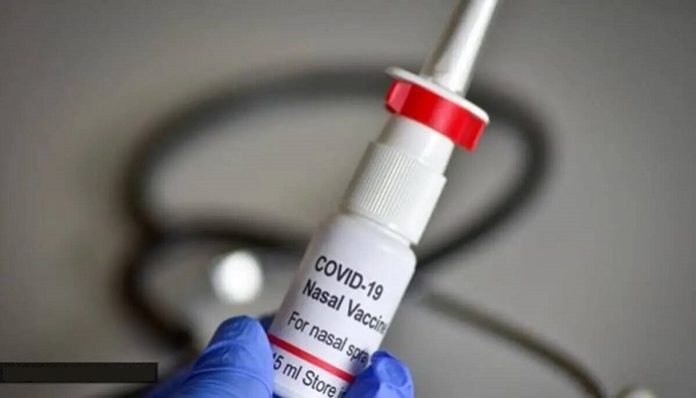
Researchers from Australia’s Centenary Institute and the University of Sydney have created a novel nasal vaccination system that promotes strong lung resistance and tolerance against the SARS-CoV-2 coronavirus.

The newly developed vaccine strategy, which was successfully tested in mice and was published recently in Nature Communications, has the potential to be an effective tool for strengthening defences against COVID-19 infection and reducing ongoing viral dissemination.

The vaccine has been administered by simply blowing through the nose and is composed of the SARS-CoV-2 spike protein and an adjunct called Pam2Cys (a chemical that aids in stimulating a higher immune response within the body). In the lungs and airways of the tested animals, it induced significant levels of specific antibodies and elevated T-cell responses.

In the study on mice, the vaccine entered the respiratory system and remained there, attaching to the tissues of the nasal passage, airways, and lungs. According to testing, the lungs’ T-cell responses had grown and the airways were producing significant amounts of protective antibodies. It’s noteworthy that none of the immunised mice contracted COVID-19.

Dr. Anneliese Ashhurst, the study’s lead author and a research fellow at the Centenary Institute and Faculty of Medicine and Health at the University of Sydney, stated that the current SARS-CoV-2 vaccinations significantly reduce death and severe disease, but prevention against infections is less effective. Breakthrough infections are still happening because COVID-19 can still be transferred by those who have received the vaccination. They require a novel vaccine strategy that limits COVID-19 transmission in order to stop viral spread and stop this virus from evolving. This vaccine differs from the majority of the currently available COVID-19 vaccines in that it allows for the direct production of an immune response in the nose, airways, and lungs- areas of the body that are most likely to be the first site of contact with the virus. This may clarify why the vaccine is successful.

The head of the Centenary Institute’s tuberculosis research programme and senior study author, Professor Emeritus Warwick Britton, suggested that the novel vaccine approach could be crucial in the fight against several diseases. The strategy devised here, according to Britton, may help interrupt the COVID-19 infection cycle and will probably impact future coronavirus vaccine related studies.

He came to the conclusion that modifications of the new nasal vaccination might also be used to treat other bacterial or viral respiratory illnesses such asย influenza, avian flu, SARS, and MERS.

Telemedicine Penetration In Korea Eyes A Permanent Stay

According to a study report issued by the Korea Health Industry Development Institute, an institution connected to the Ministry of Health and Welfare, the majority of South Koreans are ready to use telemedicine once again in the future, particularly those residing in remote towns and villages. This provides an excellent opportunity for equipment manufacturers and developers to capitalize.

Hankook Research conducted the aforementioned online poll in September with over 1,700 participants who were 19 years of age or older. It aimed to assess the respondentsโ€™ familiarity with telemedicine services, their chosen medium, their motivation and intent, their contentment, and their degree of expertise in digital health.

Eight out of ten respondents claimed to be aware of the temporary authorization of telemedicine in the nation, but a similar proportion claimed they had not received any advertising or education on it. A little more than 88% of people claimed to have had online counselling and therapy within five minutes, and more than 70% claimed to have had a voice or video phone consultation.

Over a third of respondents who were asked why they opted for telemedicine cited ease and COVID-19 isolation measures as their reasons. Itโ€™s important to note that 13% of participants, particularly those with chronic illnesses, found it challenging to describe their symptoms during teleconsultations.

88% percent of respondents, or six out of ten, said they would be prepared to use telemedicine again in the future. According to the survey, those who live in small towns and villages in rural areas with limited access to healthcare are more likely than those who live in big cities to use telemedicine again.

The respondents said that they would like to see real-time medical information used, home or portable health monitoring equipment included, and online reservation and collection capabilities. In terms of their level of digital health competency, it has been shown that while many people are capable of finding health information and using it to live a healthy lifestyle, there is a poor level of expertise in using medical information for managing diseases and health.

The study also discovered that women are better at searching for health information than men, even though men were better at evaluating the validity of the information and using health management tools.

High digital health competency individuals were more at ease describing their symptoms during voice or video consultations. Additionally, they frequently use additional hospital services, including online booking and payment, access to medical records, and health information. As the larger South Korean health system pursues digital transformation, KHIDI claims that the survey results show the necessity for governmental assistance programmes to increase patientsโ€™ digital health capacities. For instance, the Samsung Medical Center has been at the forefront of the agreementโ€™s digital transformation, demonstrating its supremacy in EMR infrastructure and technology by receiving verifications for HIMSS Digital Maturity models.

According to a recent global survey conducted by Zoom, most people who used telemedicine during the pandemic now favour a hybrid technique of care post-COVID-19.

Leveraging Zero Trust Security in Healthcare Organizations

Today, healthcare organizations are at greater risk of cyber attacks as these organizations store the most sought-after confidential data. Even amateur cybercriminals try to execute attacks on these organizations to steal health-related confidential data and generate tons of money by selling it on the black market. When healthcare organizations rely on legacy technologies and out-of-date security practices, cyber criminals can accomplish their goals easily. Thatโ€™s mainly because cyber criminals are using the most advanced methods and tactics of all time and unfortunately legacy technologies arenโ€™t able to safeguard corporate assets against these sophisticated and advanced methods. For this reason, implementing holistic security solutions like Zero Trust Network Access (ZTNA) is essential, especially for healthcare organizations.ย 

Additionally, transitioning to the Zero Trust framework will help healthcare organizations become compliant with compliance regulations, laws, and standards like Health Insurance Portability and Accountability Act (HIPAA). Nowadays, being compliant with regulations is really vital because regulators apply severe fines for each violation and data breach. For example, HIPAA regulators can apply fines that go up to 1,5 million dollars yearly in accordance with the severity of the violation or data breach. To avoid all of these outcomes, the Zero Trust framework is necessary. Letโ€™s explain what is Zero Trust Network Access (ZTNA) solution further.ย 

What Is Zero Trust Network Access (ZTNA)?

Zero Trust Network Access (ZTNA) is a comprehensive security framework that is built upon the idea of โ€œnever trust, always verifyโ€. This framework thinks that every user, device, or application is compromised and hostile, and for this reason, continuous verification is required for all entities that want to access private corporate networks and resources. Verification of users is conducted via multi-factor authentication (MFA), biometrics, and single sign-on (SSO) tools.ย 

These authentication tools strengthen security as they demand users to authenticate their identities in more than 2 ways. This eliminates the risks associated with compromised user IDs and passwords. Because even if cyber criminals manage to steal employees’ login credentials, they still need to pass through the remaining authentication factors to gain access to corporate networks and resources. Passing through authentication factors is really difficult because authentication mechanisms can require security keys, tokens, biometrics, etc.ย 

On top of these, Zero Trust enforces the least privilege principle, meaning that everyone inside the organization has limited access to corporate networks and resources. Simply, everyone is allowed to access resources that are required for their duties and tasks, nobody can access resources that are over their job roles. If somebody tries to access resources or data that is beyond their access privileges, the Zero Trust framework will trigger an alert and remove this userโ€™s access to all corporate resources.ย 

Zero Trust solution has the greatest Identity Access Management capabilities and features that will help healthcare organizations become compliant with regulations and standards. Because healthcare organizations can restrict access to network areas that have health-related confidential information, any attempt to access these areas will trigger an alert and enable rapid response to all threats.ย ย 

Benefits of Zero Trust Network Access (ZTNA)ย 

1-Network Visibilityย 

Zero Trust enables the best network visibility that most security tools canโ€™t deliver. It allows healthcare organizations to map every user, device, and application in their networks. Additionally, it has activity and behavioral monitoring features that allow healthcare organizations to catch anomalies or suspicious activities and behaviors quickly. This way, IT admins can eliminate threats before they damage the organization and corporate assets. On top of these, IT admins can get real-time or historical data of user activities and see who accesses which resources when, and from where.ย 

2-Robust Endpoint Security

Zero Trust endpoint security is what healthcare organizations need these days. Zero Trust enables robust endpoint security by securing identities and devices. Identities are secured by using MFA, biometrics, and single sign-on (SSO) tools. Additionally, the Zero Trust solution has a jailbroken device detection feature that allows this framework to detect weak and unsafe devices. When these devices are detected, Zero Trust alerts IT admins so that they can restrict access to these vulnerable devices until they are secured.ย ย ย 

3-Reduced Surface Areas of Potential Attacksย 

Zero Trust solution uses a network segmentation strategy to reduce the surface areas of potential attacks. Network segmentation is a procedure of separating a network into smaller pieces, and creating various checkpoints for users. One of the main purposes of applying this process is to stop cyber attacks before they spread to the other subsections of a corporate network. Additionally, Zero Trust prohibits usersโ€™ lateral movement between the subsections of the network. If somebody tries to move laterally or roam within the corporate network, this triggers an alert, and IT admins restrict this userโ€™s access to corporate resources.ย 

Putting lateral movement policies is quite useful for mitigating internal security risks and stopping cyber attacks in the subsegments where they occur. On top of these, as a part of network segmentation strategy healthcare organizations can segment their vulnerable machinery so that in the event of cyber attacks, these devices will remain secure and safe. Lastly, Zero Trust enables robust data protection against cyber attacks and mitigates security risks.ย ย ย ย 

Last Remarksย 

In todayโ€™s world, healthcare organizations are facing the highest security risks because they store health-related confidential data and this data type is the most valuable of all. Unfortunately, with legacy security infrastructure, healthcare organizations canโ€™t establish robust security for health-related confidential data that they store. Thatโ€™s why implementing Zero Trust Network Access (ZTNA) solutions is really critical for healthcare organizations.

Addiction Treatments That Are Proven to Be Successful

Substance Use Disorders (SUDs) remain a pressing societal challenge across the world. Naturally, different countries face different challenges regarding addiction; the US has declared the opioid epidemic a public health crisis, while the UK sees 51% of those in SUD treatment struggle with opiate use. Nonetheless, addiction treatment evolves in strides to address rehab needs both local and global. This has given rise to a wealth of addiction treatments proven to be successful, which treatment providers implement into their programs.

Addiction Treatments and Addiction Programs

An initial crucial factor in such explorations is the distinction between addiction treatments and addiction programs. In terms of both accuracy and informing oneโ€™s expectations of rehab, itโ€™s vital that the two terms donโ€™t see interchangeable use.

Addiction Programs; The Steps to Recovery

Addiction programs constitute phase-specific programs, typically with a set duration and stage-appropriate treatments. Programs correspond to stages of treatment, during which treatment providers can explore every part of the process of rehabilitation โ€“ namely:

  • Detoxification, where rehabilitation begins as the individual detoxifies in clinical settings
  • Inpatient programs, where the individual remains under clinical care and supervision
  • Partial Hospitalization Programs are optional step-down services where the individual proceeds to outpatient therapy while receiving some weekly clinical care
  • Outpatient programs, in either regular (OP) or Intensive (IOP) varieties, where rehabilitation focuses on psychotherapy and socialization
  • Aftercare, where treatment providers offer a continuous support network to help prevent relapse

How one proceeds through these steps toward recovery does differ, and many providers offer distinct personalization through case management. Still, these programs present the typical route to recovery through stage-specific applications of appropriate therapies within robust frameworks.

Addiction Treatments; The Therapeutic Practices Used

In contrast, addiction treatments represent the exact therapeutic practices used during rehab programs. Addiction treatments are abundant and vary significantly, but can include:

  • Pharmacotherapy, utilized both during detoxification and subsequent programs
  • Individual psychotherapy, typically the focus of inpatient programs
  • Group therapy, as the key focus of outpatient programs and beyond

Typically, addiction treatments will first focus on phase-appropriateness and then address the individualโ€™s unique needs. Therefore, they can differ in intensity, frequency, variation used, and more.

Addiction Treatments Proven to Work

Having outlined the above, knowing which addiction treatments have demonstrated consistent effectiveness can be crucial when seeking addiction treatment services. By and large, most addiction treatments have done so to some degree. However, some among them have proven to be notably effective.

#1 Medication-Assisted Treatment (MAT)

MAT, as the name suggests, leverages medication to treat addiction. Specifically, it does so during the detoxification phase, allowing for a safer and more comfortable recovery from substance use. This type of treatment uses FDA-approved drugs to manage withdrawal symptoms and reduce cravings, paving the way for inpatient programs.

SAMHSA finds MAT notably effective for detox and relapse prevention, as it notes:

โ€œMAT has proved to be clinically effective and to significantly reduce the need for inpatient detoxification services for these individuals. [โ€ฆ]  Research also shows that these medications and therapies can contribute to lowering a personโ€™s risk of contracting HIV or hepatitis C by reducing the potential for relapse.โ€

#2 Behavioral and Cognitive Therapy

Beyond the detox phase, behavioral and cognitive therapies begin to come into focus. Such therapies vary significantly in principle and application, which allows for deeper treatment specialization. For this reason, Bright Futures Treatment Center FL suggests that providers explore different forms of such therapies to best meet each caseโ€™s unique needs.

Cognitive Behavioral Therapy (CBT)

Likely the best-known behavioral addiction treatment proved to work, CBT has a rich and established history in the field. VeryWellMind defines CBT as follows:

โ€œ[CBT] is a type of psychotherapeutic treatment that helps people learn how to identify and change destructive or disturbing thought patterns that have a negative influence on behavior and emotions.โ€

Regarding its effectiveness, CBT remains a viable standalone treatment and an excellent complementary one with longstanding benefits. NIH research confirms this, noting that:

 โ€œ[CBT] for substance use disorders has demonstrated efficacy as both a monotherapy and as part of combination treatment strategies. [โ€ฆ] Evidence also supports the durability of treatment effects over time.โ€

Rational Emotive Behavior Therapy (REBT)

Often regarded as a type of CBT, REBT shares some of its literature and principles with CBT. It is defined as:

โ€œ[A] type of cognitive behavioral therapy (CBT) [,]REBT is an action-oriented approach thatโ€™s focused on helping people deal with irrational beliefs and learn how to manage their emotions, thoughts, and behaviors in a healthier, more realistic way.โ€

Most notably, this type of therapy has demonstrated effectiveness in dealing with co-occurring mental health disorders. In the example of PTSD, NCBI research found that:

โ€œ[REBT] demonstrated reductions in PTSD symptoms that were comparable to a PTSD treatment as usual[.] Reductions in depression and anxiety were also present. [โ€ฆ] [REBT] can significantly reduce symptoms and may be beneficial to expand to other civilian, military, or VA medical centers.โ€

Dialectical Behavior Therapy (DBT)

Finally, with regards to behavioral addiction treatments proven to work comes DBT. DBT is also principally similar to CBT, defined as:

โ€œ[A] modified type of [CBT, its] main goals are to teach people how to live in the moment, develop healthy ways to cope with stress, regulate their emotions, and improve their relationships with others. [โ€ฆ] This type of therapy is also sometimes used to treat post-traumatic stress disorder (PTSD).โ€

Because of its effectiveness in dealing with mental health disorders, DBT often sees use in addiction treatment as well. It is particularly potent in treating patients with co-occurring borderline personality disorder (BPD), as NCBI finds:

โ€œDBT, a treatment originally developed by Dr. Linehan that is efficacious for chronically suicidal patients with BPD, has been adapted for this patient population. [โ€ฆ]  DBT and its adaptation may also be effective for SUD patients with multiple, complex problems rooted in emotional dyscontrol who have not responded to other evidence-based approaches.โ€

#3 Pharmacotherapy

Throughout rehabilitation, pharmacotherapy remains an established case-appropriate staple. As the name suggests, pharmacotherapy entails the use of medication to treat addiction. How it does so depends on the program utilizing it, but two medication-based addiction treatments proven to be successful bear noting.

One use lies in MAT, which has been outlined above. Through pharmacotherapy during detoxification, severe cases of SUD can be treated more effectively and safely.

The other lies in psychiatric medication in dual-diagnosis contexts. Dual diagnosis is defined as the co-occurrence of SUDs and mental health disorders and is very common, according to NIDAโ€™s findings:

โ€œOf the 20.3 million adults with substance use disorders, 37.9% also had mental illnesses[.] Among the 42.1 million adults with mental illness, 18.2% also had substance use disorders.โ€

Notably, while effective, pharmacotherapy often works better in conjunction with behavioral therapies rather than as a standalone therapy. This is particularly true for severe dual diagnoses, as NCBI finds that:

โ€œThere is mounting evidence pointing to the efficacy of combination treatments of medications and behavioral therapies[.] For some particularly severe comorbidities such as the schizophrenia/cannabis dependence comorbidity, the intensity of treatment must be increased markedly because pharmacological treatments alone have significant limitations.โ€

#4 12-step Meetings

Following typical therapy progression, individuals will often progress from individualized therapy to group therapy. A key model of group therapy with established effectiveness lies in 12-step-based meetings, which see ample use in outpatient and aftercare programs. Such group therapies are based on the Twelve Steps of Alcoholics Anonymous (AA), with subsequent modifications to best suit the SUD they intend to address.

This customization arguably makes these some of the most effective addiction treatments proven to be successful, as SagePub finds:

โ€œAlmost half of the people who resolved significant substance use problems did so through participation in 12-step programs like Alcoholics Anonymous or Narcotics Anonymous. [โ€ฆ]Moreover, 12-step participation reduces the associated healthcare costs for adolescents with SUD.โ€

#5 Sober Living

Finally comes sober living as an established component of aftercare programs. While not a therapy in the traditional sense, sober living is a highly therapeutic and demonstrably effective practice. Sober living has newly-recovered individuals live among their peers in designated residential facilities, where socializing and reintegration into everyday life cements abstinence from addictive substances.

Despite a typical lack of clinical services, sober living remains notably effective as a relapse prevention tool, according to NCBI:

โ€œResidents reduced or stopped their substance use between baseline and 6-month follow-up and then maintained those improvements at 12 and 18 months. This was the case for both substance use measures that assessed 6 month period of time: 1) complete abstinence over the 6 months and 2) maximum number of days of any substance use during the month of highest use.โ€

In Closing

In summary, addiction treatment providers now have an array of addiction treatments proven to be successful at their disposal. These range from medication-assisted detox and case-specific pharmacotherapy to behavioral therapies, 12-step group therapies, and sober living. While only a few examples of the fieldโ€™s continued evolution, these treatments have repeatedly demonstrated their effectiveness in treating SUDs.


How A Well-Educated Pharmacist Can Contribute To Society

Pharmacists are medication experts who play a vital role in ensuring that patients receive the correct medication and dosage. They work in a variety of settings, including community pharmacies, hospitals, long-term care facilities, and correctional institutions. Pharmacists must have a Doctor of Pharmacy degree from an accredited pharmacy school to practice in the United States. This article will discuss some of the ways in which pharmacists can contribute to society.

Pharmacists are widely accessible healthcare professionals

Pharmacists can provide patients with information about their medications. They can answer questions about side effects, drug interactions, and dosage. Pharmacists can also help patients manage their medication regimens by providing education about the proper storage and administration of their medications.

In addition to patient care, pharmacists play an important role in public health. Pharmacologists conduct research to develop new medications and improve existing ones. They also work with government agencies to ensure that the public has access to safe and effective medications.

Pharmacists are an essential part of the healthcare team

When it comes to patient care, pharmacists play an important role in ensuring that patients receive the correct medication and dosage. They work closely with physicians and other healthcare professionals to ensure that patients receive the best possible care. Pharmacists are also often the last line of defense against dangerous drug interactions. On the other hand, pharmacy technician certification Arizona offers courses related to the work of a pharmacy technician which may be more focused on the day-to-day tasks in a pharmacy, such as dispensing medications and answering customer questions. Other certifications may be more focused on the business side of running a pharmacy, such as inventory management and ordering medications.

So, while pharmacists and pharmacy technicians both play vital roles in the healthcare industry, their day-to-day responsibilities may be different.

Pharmacists play a vital role in our society

Pharmacists play a vital role in our society by ensuring that patients receive the correct medication and dosage. They also play an important role in public health by conducting research and working with government agencies. When it comes to patient care, pharmacists are an essential part of the healthcare team.

The role of pharmacists is important and far-reaching. They play a vital role in our society by ensuring that patients receive the correct medication and dosage, and by conducting research to develop new medications. Pharmacists are an essential part of the healthcare team, and they play a vital role in public health. We are fortunate to have such dedicated and skilled professionals working to improve our health and well-being.

They help ensure the best patient outcome

Pharmacists are medication experts who play a vital role in ensuring that patients receive the correct medication and dosage. They work closely with physicians and other healthcare professionals to ensure that patients receive the best possible care. Pharmacists are also often the last line of defense against dangerous drug interactions.

They practice in diverse settings

Pharmacists work in a variety of settings, including community pharmacies, hospitals, long-term care facilities, and correctional institutions. They play a vital role in ensuring that patients receive the correct medication and dosage regardless of where they practice.

For instance, pharmacists in hospitals play a crucial role in ensuring that patients receive the correct medication and dosage. They also work closely with physicians to ensure that patients receive the best possible care. In addition, pharmacists in long-term care facilities play an important role in ensuring that residents receive the correct medication and dosage.

They have a Doctor of Pharmacy degree

Pharmacists must have a Doctor of Pharmacy (Pharm.D.) degree from an accredited pharmacy school. In addition to completing a four-year Pharm.D. program, pharmacists must also pass a national examination. Once they obtain their license, pharmacists must complete continuing education credits to maintain their licenses. The Doctor of Pharmacy degree is the only credential that allows pharmacists to dispense medication and provide patient care.

They are accessible to patients

Pharmacists are widely accessible healthcare professionals who can provide patients with information and advice about their medications. In addition, pharmacists are often the first point of contact for patients with questions about their medications. A nice thing about pharmacists is that they are usually very accessible to patients. You can often find a pharmacist in the same building as your doctor or at the local drug store.

They are an essential part of the healthcare team

Pharmacists play a vital role in ensuring that patients receive the correct medication and dosage. They work closely with physicians and other healthcare professionals to ensure that patients receive the best possible care. Pharmacists are also often the last line of defense against dangerous drug interactions.

In addition, pharmacists play a vital role in public health. They work with government agencies to ensure that the public has access to safe and effective medications. In addition, pharmacists conduct research to develop new medications and improve existing ones.

4 Tips To Help You Keep Your Smile White And Beautiful

People will often notice your smile, so itโ€™s important to keep it looking its best. Sadly, our teeth can become stained and yellowed over time from the foods we eat and drink and even the medications we take.

Fortunately, there are a number of simple and natural ways to keep your teeth looking white and beautiful. Here are four tips to help you achieve it:

1. Get a teeth whitening procedure

A white and beautiful smile can brighten up your day. However, not everyone is blessed with perfect teeth. If you are one of those people who are unhappy with the way their teeth look, then you should consider getting a teeth whitening procedure done.

There are various reasons why you should get your teeth whitened. First of all, it will boost your confidence. You will no longer have to feel self-conscious about your smile. Secondly, it will make you look more attractive. A whiter and brighter smile is always more appealing than a dull and yellow one.

Lastly, getting your teeth whitened can also help improve your oral health. Over time, coffee, tea, and red wine can stain your teeth and make them look yellow. By getting a professional teeth whitening treatment, you can eliminate these stains and restore your teeth to their natural whiteness.

If you are considering getting a teeth whitening procedure, you should consult your dentist first. One excellent recommendation from a Ballston dentist is using Zoom Whitening in-office or take-home. In-office teeth whitening can only take an hour or more. If you prefer whitening your teeth at home, your dentist will provide whitening trays, bleaching gel, and instructions on performing the process. He or she will be able to assess your individual needs and recommend the best option or course of treatment for you.

2. Eat crunchy fruits and vegetables

Several simple tips can make a big difference when it comes to keeping your smile white and beautiful. One of the most effective โ€“ and straightforward โ€“ is ensuring you eat crunchy fruits and vegetables daily.

There are a few reasons why this works so well. First, chewing these foods helps scrub your teeth clean and remove any surface stains. Second, the high water content in crunchy fruits and vegetables helps to keep your mouth hydrated, which prevents staining in the first place. Finally, the nutrients in these foods help to support healthy gums, which also helps to keep your smile looking its best.

3. Use baking soda

Baking soda is a great way to keep your smile white and beautiful. It is a natural tooth whitener that can remove stains and discoloration from your teeth. Baking soda is also an effective abrasive, so it can help to scrub away plaque and other buildup on your teeth. Plus, baking soda is gentle on your teeth and gums, so it won’t cause any irritation or sensitivity. Simply add a few drops of water to a teaspoon of baking soda to create a paste, then brush your teeth with the paste regularly to keep your smile looking its best.

4. Avoid staining foods and drinks

Foods and drinks like coffee, tea, and red wine can all contribute to staining your teeth. When it comes to keeping your smile white and beautiful, one of the best things you can do is avoid staining foods and drinks. Here’s why:

  1. Staining foods and drinks can cause your teeth to become discolored.

2. Staining can also lead to tooth decay and other dental problems.

3. Avoiding staining foods and drinks will help keep your smile looking its best.

So, if you’re looking for a way to keep your smile white and beautiful, avoid staining foods and drinks. Your teeth will thank you!

By following these simple tips, you can help to keep your smile looking white and beautiful for years to come.

What Will It Take to Prepare the Supply Chain for the Next Pandemic?

As the COVID-19 pandemic spread across the U.S. at a horrifying pace in 2020, the government and various private sector organizations rapidly tore through their stockpiles of personal protective equipment (PPE) and other essential products. A number of supply chain issues quickly emerged, including the lack of holistic visibility into sources, a fragmented approach to ordering and fulfillment and an outsized reliance on overseas manufacturing for essential raw materials and finished goods.

Fast forward to today, the nationโ€™s latest public health issues stem from pneumonia and influenza. Considering the U.S. just emerged battle hardened from a global pandemic, it is natural to assume that, as a country, we are prepared to respond.

The truth is we have much left to do. In a twist of dรฉjร  vu, for RSV in particular, treatment products are running short, surveillance has been spotty and public health agencies continue to lack communication and coordination, making it challenging to track and contain disease spread and stem off a looming public health crisis.

We sat down with Michael J. Alkire, President and CEO of Premier Inc., a healthcare improvement company, uniting an alliance of more than 4,400 U.S. hospitals and health systems and approximately 250,000 other providers, to discuss some of the challenges we need to address in order to better prepare for the public health crises we are seeing.

Que: COVID-19 exposed a lot of technology, data, supply chain and coordination weaknesses. Could you summarize the top challenges we saw as a result of the COVID-19 pandemic?

Ans: Providers need both clinical surveillance and supply chain data to provide high-quality patient care. A critical barrier to the COVID-19 response was the lack of information on the exact quantities as well as specific locations of medical supplies and drugs on U.S. soil at any given time. Our nationโ€™s limited information on the location, production process and inventory status amounted to an exercise akin to supply chain Whac-A-Mole to find authentic products and allocate them based on need. We also saw unprecedented global supply chain challenges stemming from the pandemicโ€™s impact on every facet of life, including changes to consumer buying patterns, global logistics upheaval (including changes in the workforce) and increased costs and challenged access to raw materials.

The macro-level issues created bottlenecks in a system not designed for such pressures โ€“ from raw materials, labor and manufacturing, to shipping, transportation, warehousing, distribution and โ€œlast-mileโ€ delivery. Every step in producing, delivering and administering products critical to patient care was challenged.

Even today, we continue to lack information on a national level that could help us understand where supplies are needed to provide COVID-19 and RSV treatment, all with the 2022 flu season on the horizon, which specialists are already describing as having the potential to be particularly severe. Supply chain challenges are likely to continue as we recover from the pandemic while emerging global health infections and new COVID-19 variants and other diseases, place added strain on the system.

What we need to prioritize is overlaying clinical and supply chain data, which can help entities in both the public and private sectors see where products, such as PPE, are stocked as well as gaps in resources. This progressive monitoring approach needs to extend across the supply chain, providing advanced alerts of demand signaling and inventory levels, and enabling rapid movement of product to points of care.

Que: What can be done to help improve the state of the medical supply chain?

Ans: We are already seeing a lot of improvement and key learnings applied from the COVID-19 pandemic to ensure more resiliency and better preparation, but that doesnโ€™t mean we are completely in the clear.

For one, we need to modernize the U.S. supply chain data infrastructure โ€“ one the nation can summon on a momentโ€™s notice to help manage a large-scale emergency. As I mentioned, the nation needs a system that can comprehensively track critical products both upstream and downstream โ€” from the raw materials, to manufacturer, distribution, local and national government stockpile levels and hospital inventory. This will enable accurate inventory management, dynamic allocation and a data-driven approach to bolstering supply where needed. Not only will this help providers anticipate demand for key products, but also allow the nation to better manage supplies during a crisis.

Additionally, prior to the pandemic many of us at Premier were pointing to our nationโ€™s overreliance on overseas manufacturing for many critical goods, like the aforementioned PPE, but also many of our pharmaceutical products (both finished dose and raw material). Fortunately, on the heels of the pandemic, many U.S. lawmakers and those in the private sector took steps to bring greater diversity to the market with more nearshore and onshore manufacturing of raw materials and finished products. Within the private sector, healthcare providers are leading the way to change how we source critical medical supplies and drugs. Scaling domestic and diverse manufacturing isnโ€™t going to come easy. It requires a massive steadfast effort on behalf of the U.S. manufacturing industry and the federal government to generate the necessary public policy support to truly compete in the global marketplace.

Finally, the public and private sectors should continue to collaborate to ensure that needs are met across the supply chain. COVID-19 vaccines and treatments were developed and distributed in record time, and, even amid ongoing case spikes due to new variants, are proving effective in keeping people out of the hospital โ€“ demonstrating the awesome power of science and ingenuity. Continued information-sharing and collaboration will help ensure a path to a more agile and robust response to public health crises โ€“ for RSV, the potential for a polio resurgence, and beyond.

As an example of public-private collaboration, during the pandemic, our PINC AI division developed a technology platform designed to deliver more efficient processes in healthcare through an incredibly powerful and robust membership base, deriving cost, quality, outcomes supply chain and operational insights on 45 percent of patient discharges in the United States. The PINC AI platform helps create healthy, resilient markets, driving stable, diverse sources of supply, alleviating risk and allowing members to better weather times of disruption as well as better power them for healthcare systems of the future. To date, PINC AI has entered several partnerships with stakeholders, including governmental organizations and hospitals, and provided the industry with early indicators, real-time data and analytics on topics including staffing shortages in hospitals and drug usage and outcomes.

Que: What else would you like our readers to know?

Ans: The movement toward value-based care and alternative payment models has created an even greater imperative for health information exchange and interoperability. The lack of access to complete and timely data across the supply chain and care continuum adds inefficiencies and cost to the healthcare system โ€” hampering population health efforts, public health surveillance and reporting.

Itโ€™s vital that we leave no provider behind within this data infrastructure, particularly those in rural and remote communities that may lack the existing capabilities needed for accurate data reporting and management. Improving technology access for small, rural, independent and critical access hospitals โ€” and meaningfully engaging them as part of the process โ€” will help ensure both equitable distribution of products as well as improved outcomes for patients in these communities. This can include everything from modernizing our supply chain to digitizing back-office functions that are mired in manual, paper-based invoicing and payment processes to be more productive and to focus on value-added, strategic opportunities that contribute to the delivery of patient care.

If thereโ€™s one thing COVID-19 laid bare, itโ€™s the antiquated nature of our public health data systems and technologies. While much of our lives can be orchestrated with a simple click, the healthcare industry still largely relies on inefficient, manual processes where very little is technology-driven. Improving our response to pandemics and addressing future problems that could arise is a tall, but achievable, order. The critical steps we take now will help us avoid or mitigate shortages that marked the early days of the pandemic.

Translate ยป