Close
Digital Health & Ai Innovation summit 2026
Medical Taiwan 2026

Abu Dhabi DOH Initiates Image Exchange For Patient Records

To be incorporated into the region’s Malaffi health information exchange platform, the Department of Health in Abu Dhabi has established an image exchange solution. Thanks to the solution, authorised physicians will have safe access to radiography and diagnostic pictures as part of patient records.

Following a staged approach, two million radiology images, including X-rays, CT scans, MRIs, and ultrasound images, will be accessible through Malaffi from more than 60 different healthcare facilities throughout Abu Dhabi.

Nine hospitals from the NMC Healthcare group and Reem Hospital are already linked and exchanging radiology pictures. Patients won’t need to bring hard copies of scans and CDs to every appointment once all sites are connected.

Patients and healthcare professionals are put under a great deal of stress by the time and effort required to retrieve radiological and diagnostic pictures from various systems. Clinicians must have secure access to radiological images in order to improve decision-making and the provision of high-quality patient care. For surgeons, gynaecologists, obstetricians, internal medicine specialists, and cancer care teams to have a comprehensive understanding of patients’ medical histories from encounters at various facilities, access to photographs is very crucial.

Additionally, it lessens the need for repeated, costly, and intrusive radiology tests, protecting patients from needless radiation while saving time and money. Medical image exchange systems are anticipated to be implemented internationally at a large rate as a result of the increased uptake of IoT in the healthcare sector, as per Persistence Market Research.

To aid in the access and interoperability of radiology and other imaging data, Google Cloud recently announced the debut of its Medical Imaging Suite.

The addition of an image sharing solution to the Malaffi provider portal would significantly aid in the ongoing development of a strong and fully digitalized healthcare sector in the Emirate, according to undersecretary of the Abu Dhabi Department of Health, H.E. Dr. Jamal Mohammed Al Kaabi.

Malaffi’s acting CEO, Robert Denson, stated that they are always working to expand the functionality and clinical value of Malaffi and to provide a comprehensive picture of patient records. The latest string to the bow is ensuring that radiology images are included in the transferred information. Medical imaging provides the bedrock of diagnosis, said Mark Adams, interim CEO of NMC Healthcare. Malaffi has taken further strides towards establishing a complete and integrated digital health ecosystem with the introduction of the image exchange service. By exchanging medical photos, doctors can create stronger referral networks, make more precise diagnoses, improve workflow, cut down on clinical time, and monitor the development of their patients as they undergo therapy.

They are thrilled to be one of the first health centres to contribute to the picture exchange solution supplied by Malaffi, said IT director at Reem Hospital, Naushad Mohammed. As they work to establish themselves as a premier and reputable hospital in the UAE, the adoption of cutting-edge clinical care pathways is essential.

5 Things To Consider When Choosing The Best Rehab Center For You

When facing a drug or alcohol addiction, it’s important to find a rehab center that supports your specific needs. It is not as simple as checking into the most expensive facility you can afford. There is a number of things you need to consider first, starting with your specific needs and all the way to your end goal.ย 

The WHO reports that around 35 million people suffer from drug use disorder globally. But information surrounding the rehabilitation of drug users is not very commonly available. This is mostly due to stigma, as rehabilitation can be very successful with the right treatment and motivation.ย 

But before you check yourself or your loved one into a rehabilitation clinic, here is a list of 5 things you need to consider to see if it is the right option:

The Treatment

The kind of treatment offered by the facility is the most important factor to consider, so that is what we are going to talk about first.

A quick Google search will tell you that the treatments can be broken down into two broad groups. Inpatient and outpatient. Inpatient treatment includes the patient checking into a facility and spending some time there, typically 30-90 days. This is typically suitable for people with severe addiction or supplementary mental health issues.ย 

If your addiction is not severe, outpatient treatment can be sufficient for you. It includes people carrying on with their daily life while regularly visiting group therapies and counseling sessions to get over their addiction. It is also useful for people who have just completed inpatient treatment and want to make sure they donโ€™t relapse.ย 

If you have any accompanying mental health condition, that will dictate your treatment requirements as well. Aย study of the correlation between anxiety disorder and alcoholism has demonstrated that people who use alcohol to cope with their anxiety form a feedback loop. In the long run, their alcoholism heightens their symptoms of anxiety.ย 

In such a scenario, you canโ€™t treat one problem without the other. Your mental health, your demographic, your lifestyle, your social standing, everything will impact the correct course of treatment for you. Therefore, try to enroll yourself in a rehabilitation facility that uses a variety of different treatment methods, so they can tailor make your recovery plan according to your needs.ย 

Epiphany Wellness is a New Jersey-based rehabilitation clinic that offers a myriad of different approaches to rehab, from dual diagnosis and partial hospitalization to outpatient treatment with a solid aftercare plan. You can use their facility as a model when you search for a rehab center like Southern California rehab.

It can be overwhelming to decide what you want or what is best for you. If you face that problem, seek advice from a doctor or some other trained professional. You can also contact the clinic directly to ask for their recommendations.

The Aftercare Program

The National Institute of Drug Abuse reports that 40-60% of patients relapse after the treatment stops. It is common for any chronic illness. It does not mean the treatment has failed but that it needs to resume and be modified. The chances are you will feel the urge to relapse as well. Therefore, you need to make sure your rehab clinic offers a good aftercare program.ย 

The aftercare program is an essential part of any recovery process, and it’s important to stay connected with your treatment team after you finish your rehabilitation program. The goal of aftercare is to help people who are recovering from addiction to successfully integrate their new lives into their communities and families. In addition, many rehab centers offer sober living options for people who need more support transitioning back into society at large.

A good aftercare program will help you continue the progress made during treatment by helping you identify triggers that could lead to relapse and providing resources for continued care and support after treatment has ended. A good aftercare program will also provide practical tools such as budgeting skills training, employment assistance programs, and life skills classes that can help prevent relapse.ย 

The Amenities

Many people are surprised to learn that a rehab facility has many of the same amenities as a resort. Many facilities offer access to pools, gyms, libraries, or even small-scale movie theaters. These facilities usually get better with the increasing cost. You can go through the list of facilities a clinic offers to see if you will enjoy your time there. This should play a part in your decision-making process.ย 

But do be careful, though. Often clinics try to reel in new clients with the promise of glamorous amenities or promise to โ€˜cureโ€™ addiction through yoga, detoxification diet, equine therapy, and such.

ย Margaret. A. E. Jarvis, MD, the chief of addiction services for Geisinger Neuroscience Institute, says, โ€œIf it looks too good to be true, then it is. If there are promises of a cure, addiction is not a disease that can be cured. It can be managed.โ€ย 

The available amenities should be an afterthought when it comes to selecting a rehabilitation clinic. The first priority always has to be the quality of the treatment and the qualification and experience of the staff.ย 

The Cost

The cost of seeking treatment is also an important consideration. Costlier doesnโ€™t necessarily mean better. It just means fancier.ย 

The cost of treatment can vary from none to upwards of tens of thousands of dollars a month. Your priority has to be selecting the clinic that will provide you with the right treatment. After you have prepared a short list of such clinics, you can compare them based on their fees and amenities and come to a final decision.ย 

You can see if those clinics accept insurance. Or, going the other way, you can see which clinics are covered by your health plan. Remember that rehab probably wonโ€™t be cheap. But if it offers the right plan, you should consider spending the money.ย 

The Location

The location of your treatment clinic does not directly affect the outcome of the program. It is mostly a matter of your preference. If you want to stay in touch with your family as much as possible, pick a clinic closer to your home. But if you feel cutting off connection with your regular surroundings would help you, then pick a clinic in a different city or state.

If you pick a clinic far away, consider beforehand how you will participate in the aftercare program. As explained before, you will probably need help managing your addiction even after you have completed your program. Therefore you need to find a way to stay in touch with your clinic.

Deciding on a rehabilitation clinic can be a hard task. It is even harder to keep yourself motivated enough to control your addiction. But people are overcoming their addiction every day. With the right plan and the will to fight, you can do it too.

Top Tips to Deal with PTSD Caused by Abusive Relationship

Did you know that around 20 people are physically abused every minute? It can affect everyone at any age, and it can happen to anyone, even you. If you are in an abusive relationship, getting out of it can seem like a daunting task.ย 

But it’s not as hard as you might think if you know what signs to look for and how to get help. We’ve put together a list of tips on how to get out of an abusive relationship and deal with the trauma that follows when leaving one behind.

Move Out to a Safe Location

If you’re in an abusive relationship, the best way to get out of it safely is to move out. You should find a safe place to stay that’s not where your abuser lives and with someone who isn’t part of the problem. According to Project Sanctuary, 15% of all violent crimes comprise intimate partner violence.

Most women don’t want their abusers arrested because they worry police involvement will lead back toward them being mistreated by their partners again, which could even result in death.ย 

If you feel unsafe during this process, call 911 immediately for help from law enforcement officers explicitly trained for these situations. These professionals know how best to handle these types of emergencies effectively without causing further physical or mental harm.

File an Order of Protection Against the Abusive Partner

According to Queensland Court, in 2022, 27% of all domestic violence protection orders have been temporary protection orders registered to protect the victim until their application is finalized. If you’ve decided to leave your abusive partner, it might be a good idea to file an order of protection against him.

An order of protection is a court document that protects you from further abuse by the person who abused you. Filing an order of protection can be scary, but it’s worth it if it helps protect you from further harm and gives you time to figure out your next step.

To file an order of protection, go to your local courthouse or legal aid office and ask for help. You can also contact the National Domestic Violence Hotline at 1-800-799-SAFE (7233). Bring someone with you who has gone through filing an order of protection before so they can help explain what will happen next and make sure there aren’t any mistakes on your paperwork.

Get Support from Friends and Family

Getting support from friends and family can be a great way to break out of an abusive situation. It is essential, however, that you are honest with them about what you are going through. Otherwise, they won’t be able to help you as much.

If your loved ones don’t know what is happening in your relationship, they won’t be prepared for it if something happens. You should let them know how their support will help others see the signs of abuse and know what to do about it.ย 

Seek Help from a Trained Therapist Who Has Extensive Experience In Treating PTSD

You may find it helpful to seek help from a trained therapist with extensive experience treating PTSD. A therapist can provide you with the skills and tools you need to overcome your anxiety, depression, and other symptoms associated with PTSD. It would help if you looked up “find a therapist near me” to get a list of licensed professionals in your area.

You may have heard that you can treat PTSD on your own. You may even have tried some standard methods for treating PTSD and found that they didn’t work. That’s because there’s no one-size-fits-all approach to treating this complex disorder, which is why seeking help from a trained therapist with extensive experience in treating PTSD is essential.ย 

A trained therapist can help you discover what will work best for you, so it’s vital to find someone who deeply understands the condition and its symptoms. They can tailor their treatment plan based on your specific needs rather than trying to fit you into a cookie-cutter approach. They’ll also be able to explain what they’re doing and why which will give you confidence in their ability to help you heal.

Do Not Blame Yourself for the Events that Happened in Your Relationship

It can be easy to blame yourself for the abuse, but it’s not your fault. You didn’t do anything wrong; it was your abuser who chose to hurt you. It’s also not your fault that you stayed with them as long as they did or didn’t leave sooner.

Abusers often use tactics like manipulation and isolation to convince their victims that they are the only person who can make them happy while making victims feel like they deserve what’s happening to them.ย 

Seek Professional Help if You’re Unable to Find a Close Friend or Family Member Who Is Willing to Help You Get Through the Situation

If you don’t know anyone who can support you through this challenging time, it’s essential to seek professional help. Many people are trained to help victims of domestic violence and can provide a safe environment for you to work through some of the trauma and stress caused by your abusive relationship.

Some people may not be willing or able to discuss their experiences with someone they know. Finding an online therapist might be the best option for them. Another option is using an anonymous messaging app like Kik or Telegram, which allows users to communicate without sharing their personal information (such as name or address).

Conclusion

The most important thing you can do for yourself is to reach out for help. If you feel like your partner is being abusive and controlling in any way, it’s time to get out of the relationship.ย 

The sooner you can do this, the better off everyone will be. It’s also crucial that you understand the trauma that may come from being in an abusive relationship and how it might affect your life in the future.

Element Materials Unveils One of the First and Largest Air Treatment Testing Facilities Designed to Support Indoor Space Public Health Air Quality

Element Materials Technology (Element), a leading global Testing, Inspection and Certification (TIC) company, unveiled one of the first and largest post-pandemic, commercial bioaerosol testing facilities. It is designed to evaluate the efficacy of aerosolized products to reduce or eliminate indoor airborne organisms and viral particles in habitable spaces such as transportation, hospitals, and schools. The state-of-the-art lab is at the companyโ€™s Eagan, Minnesota site.

โ€œThe need for bioaerosols was defined by the pandemic, and Element is pleased to bring the industry this new, much-needed capability to fulfill emerging and critical testing needs. Precise and accurate air quality testing will be critical for public health for the future,โ€ said Dr. Elisabeth Lackner, CSO of Element. โ€œThe capability of the new Eagan lab is a shining example of how Element teams with customers to meet their evolving market demands. We are helping customers to establish purposefully designed bioaerosol R&D level protocols that provide a strong foundation for future GLP-compliant testing.โ€

Element has industry-leading experience with antimicrobial testing of fogging and misting devices, and now without size constraints, the Eagan lab offers real-world modeling of habitable spaces such as hospitals, schools, and other large spaces. Elementโ€™s applied microbiologists teamed with industry experts to design its 7,500-cubic foot biocontainment lab that can be used in a dual or single capacity allowing for simultaneous testing of control and treated space under the same conditions. Various size configurations of, but not limited to, 107m3 and 214m3 can be accommodated. In addition to managing multiple air handling scenarios, including the introduction of fresh or recirculated air, the facility has the unique capacity to test BSL-2 organisms including mammalian viruses.

โ€œPreviously designed for a specific testing project, today marks the formal opening of this unique facility,โ€ said Kelly Lauer, General Manager, Element Eagan. โ€œElement has proudly provided antimicrobial testing services and support in partnership with the developers, manufacturers, and users of antimicrobial pesticide and biocide products for more than 30 years. With the addition of this leading-edge bioaerosol testing facility in Eagan, Element continues its history of innovation.โ€

The U.S. Environmental Protection Agency (EPA) aims to release guidance for air treatments in 2022 or early 2023, and Element has played an instrumental role in developing a standard test method for EPA-approved public health claims for air treatments, collaborating with regulatory, academic, and industry experts.

Elementโ€™s global life sciences division includes more than 1,400 scientists, chemists, and technologists working across a network of laboratories to deliver complete and comprehensive scientific solutions that support customersโ€™ end-to-end product development lifecycle from early R&D through complex regulatory approvals, into production and beyond.

NICE- UK Recommends The NHS Not Employ 5 COVID Treatments

Five COVID-19 therapies, including Merck & Co.’s antiviral tablet for high-risk patients, have been recommended for discontinuation by Britain’s agency that decides whether medications may be used in the National Health Service (NHS), citing cost-effectiveness issues.

As the pandemic moves into a new stage, the National Institute for Health and Care Excellence (NICE) conducted its first review of COVID-19 treatments, which was released on November 16. Numerous governments are currently or will soon be faced with comparable choices. Many nations are figuring out how to exit the public health emergency stage as COVID-related deaths and cases have substantially decreased.

The guidelines are a draught, according to NICE, and access to COVID-19 medications will stay the same until final guidance is published. When the final guidelines would be issued was not specified. NICE stated that there is evidence supporting the efficacy of the hospital-administered antivirals remdesivir from Gilead Sciences Inc. and molnupiravir from Merck in treating COVID-19.

However, it claimed that since the cost-effectiveness estimates exceed what it deems to be an appropriate use of the resources of the national health system, it does not advise their usage at the current pricing. Additionally, it advised against using three additional COVID medications, including sotrovimab, an antibody therapy made by GSK and its partner Vir Biotechnology, which the World Health Organization has already advised against.

The other two are combined antibody therapies, Ronapreve from Roche and Evusheld from AstraZeneca. The oral antiviral Paxlovid from Pfizer Inc. and two repurposed anti-arthritis medications, RoActemra from Roche and Olumiant from Eli Lilly & Co., were the three COVID therapies that NICE did suggest for treating COVID in adults.

According to a specialist, the British government’s current approach includes several of the COVID treatments that NICE advised against. According to associate professor at the Leeds Institute of Medical Research, Stephen Griffin, therapeutics are a crucial part of the government’s living with COVID approach as they provide protection for individuals unable to produce good responses to vaccines.

He noted that stopping the use of these therapies will put even more individuals in danger. The cost-effectiveness study comes as nations and international organisations consider further modifications to COVID healthcare.

However, the Biden administration said this week that the COVID pandemic will maintain its status as a public health emergency in the United States, allowing millions of Americans to continue receiving free screenings, vaccinations, and treatments.

Caring for a Premature Baby: What Parents Need to Know

As a parent of a premature baby, there are many things you need to know in order to provide the best possible care for your child. Premature babies are at risk for a number of health problems, so it is important to be prepared for anything that might happen. This blog post will discuss some of the common issues premature babies face, as well as tips for caring for them. Keep reading to learn more!

What Kinds of Symptoms Can Premature Babies Have?

Unfortunately, approximately one in 10 babies are born prematurely in the United States. This means that they are born before 37 weeks gestation. For these premature babies, there are a number of potential health risks. Because their immune systems are not yet fully developed, they are at an increased risk for infection. They may also have problems with breathing, eating, and staying warm. In some cases, preterm birth can lead to long-term health problems or even death. It is important for parents of preterm babies to be aware of the symptoms of prematurity so that they can get help from their doctor if necessary. Some common symptoms of prematurity include small size, with a disproportionately large head, low body temperature, difficulty feeding, fast or irregular breathing, etc. Newborns with these symptoms need medical care as soon as possible.

Why Do Premature Newborns Need Special Care?

Premature newborns require special care because they are not fully developed and they are at a higher risk for health problems. It is important to note that the specific needs of premature infants vary depending on their gestational age and weight. Often the organ systems of newborns may not be ready to function on their own, so they require assistance in the neonatal intensive care unit (NICU). This can be a frightening and overwhelming time for parents, but with the support of medical professionals, you can ensure that your baby receives the best possible care.

This special care can make a huge difference in the health of premature babies, and it is crucial that parents understand why their baby needs this care.

Are Premature Newborns Need Medications?

Premature infants are some of the most delicate patients in a hospital and can require special care and treatment to ensure they grow and develop properly. In some cases, this may involve giving newborns medications. Often, newborns receive the necessary medicines through a neonatal catheter. The neonatal catheter is a thin, flexible tube that is inserted through a vein in the baby’s arm or leg and helps to get essential medicine safely.

Some common medications used include surfactant therapy to improve breathing; antibiotics to prevent infection, and medicines to help with growth and development. These medicines are vital for helping premature babies thrive and make a successful transition home.

Additional Caring Methods

Medical professionals agree that premature babies need extra special care in order to survive and grow into healthy children.

All premature babies are different and have their own individual set of needs, which is why it is so important to work with your baby’s healthcare providers to create a personalized care plan. However, there are some general tips that can help you provide care for your premature baby at home.

  • Breastfeeding
  • Stick to a feeding schedule
  • Avoid skin-to-skin contact
  • Keep a proper sleep routine
  • Limit outdoor visits
  • Monitor the hearing and vision

With a little bit of preparation and patience, you can successfully care for your premature baby at home.

Conclusion

Premature babies require a lot of care and attention, but with the help of your medical team, you can provide the best possible environment for your little one to grow and thrive. We hope that this article has helped to answer some of your questions about caring for premature babies.

Patient 360 For Health Is Now Available From Salesforce

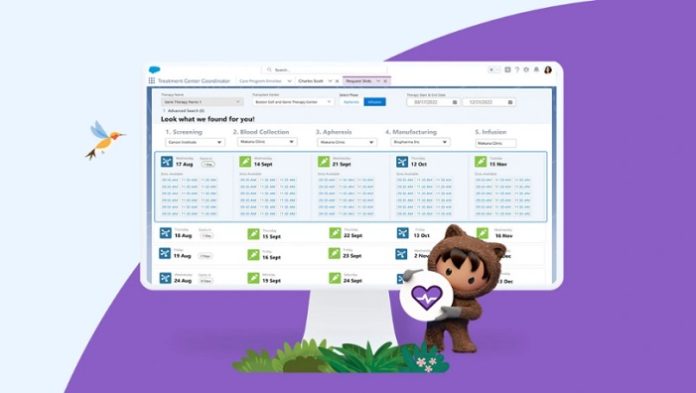
The debut of a new customer relationship management tool by Salesforce that integrates with current electronic health records was revealed recently.

According to Salesforce, the Patient 360 for Health CRM platform is built for productivity and cost effectiveness. The business advocates a number of its qualities:

  • It claims that behavioural health provides doctors and case managers with resources like interactive health timelines filled with patient health milestones and behavioural events, crisis assistance with pre-configured processes for patient admission, evaluations, and automated reports.
  • In order to give pharmaceutical businesses access to the utilisation of patient therapies, from referral and scheduling appointments to drug production, they built Advanced Therapy Management.
  • In order to construct comprehensive patient profiles, Salesforce Genie for Healthcare incorporates clinical and nonclinical information, such as current drug use and socioeconomic determinants of health.
  • Patient Care Coordination Utilising Slack, a team communication application, to manage caseloads and enable users to inquire about patient care in a safe setting.
  • MuleSoft Accelerator for Healthcare, which unifies data from EHRs, laboratories, billing, and scheduling using HL7 v2 and FHIR R4 standards.
  • Utilization Management Automation will process and display information exchanged between providers and payers on dashboards.
  • Pharmaceutical and medical device firms have access to online marketplaces where they can sell goods and provide subscriptions.

The new healthcare features created for the 360 platform on Salesforce’s health cloud have already been used by Advanced Recovery Systems, Bluebird Bio, and John Muir Health, even though Patient 360 for Health is a relatively new product.

Providing a unified, comprehensive picture of the patient to the physicians, hospitals, and care facilities that support them is one of the largest difficulties health systems face today, according to executive director of marketing and digital consumer experience at John Muir Health, David Hook.

Healthcare firms now have secure access to CRM tools that analyse patient data for individualised communications thanks to the Salesforce health cloud, which is for clinicians, payers, medical device and tech companies, as well as specialised pharmacy groups. It also provides capabilities for reporting, hiring, and other things. According to Salesforce, the approximately $4 trillion that is spent on healthcare every year in the United States goes toward administrative costs, and workforce shortages are driving up costs.

However, issues with the workforce transcend the COVID-19 pandemic’s impact.

Clinicians have identified the following as stressors causing burnout and resignations: EHR discontent, technical difficulties, and excessive documentation needs. Before the pandemic even started, the American Hospital Association published a report on important workforce trends that highlighted how technology may help with the professional staffing shortfall. The AHA stated in its report that while there are difficulties, there are also possibilities to improve treatment, inspire and retrain workers, and modernise procedures and marketing strategies that reflect the change toward delivering the right treatment, at the right time, in the right environment.

According to CRO for healthcare and life sciences at Salesforce, Lashonda Anderson-Williams, today’s enterprises must invest in streamlined solutions that boost time-to-value, cost reductions, and productivity without sacrificing patient outcomes. Even in the face of rising expenses and workforce shortages, she added, Patient 360 for Health technologies enable clients cost-saving automation, targeted knowledge, and real-time data capabilities to assist deliver patient success immediately.

New AMA Blueprint Seeks To Optimize Digital Health Benefits

Draft For Clinical Studies of Digital Health Technologies

The American Medical Association had provided a roadmap as a call to action to deal with the gap between the unprecedented amounts of financing, collaborations, mergers, and acquisitions in the field of digital health and their meagre influence on healthcare quality enhancement so far.

Six pillars of action are suggested by the AMA in the report Closing the Digital Health Disconnect: Blueprint for Optimising Digitally Enabled Care:

  • Created with patients and doctors in mind.
  • Designed with an eye toward equity.
  • Refocus care on the doctor-patient relationship.
  • Enhance and implement payment schemes that reward high-value care.
  • Make policies and use technology that lessen fragmentation.
  • Easily expand evidence-based models.

The AMA research claims that even though more than $100 billion in venture capital has been invested in digital health start-ups since 2010, the biggest healthcare requirements have not been met.

Despite this decade of advancement, the U.S. healthcare system has very little to show for it. Even with the emergence of promising new digital health tools, they have made very little headway in addressing the persistent healthcare challenges of connectivity, reliability, results, price, and equity. In other words, digital health hasn’t yet reached its full potential, according to AMA authorities.

It is necessary for healthcare stakeholders to embrace the six pillars and collaborate in order to realise the capabilities of digitally enabled healthcare.

The blueprint, which was created with assistance from Manatt Health, also provides chances for all healthcare stakeholders to participate in the advancement of digitally enabled care, and AMA includes examples from a number of organisations.

Therefore, each shareholder group, including doctors, health plans, businesses, regulators, health tech firms, and venture capital and equity funders, does have a role to play. In order to fulfil this responsibility, health technology businesses must consult with patients and healthcare professionals when designing new digital health technologies, prioritise health equity, and streamline provider processes.

In the blueprint, doctors are more than just end consumers. They can actively engage in encouraging developers to produce human-centered solutions by joining the AMA Physician Innovation Networking platform. The AMA advises them to develop collaborations to increase their capacity for patient care.

The AMA claimed that synchronised digital services improved access to behavioural healthcare for patients at small, rural, and larger medical practises, citing Concert Health, a digital behavioural health medical group that incorporates remote behavioural health professionals into existing primary care practices. A willingness to incorporate digital technologies to enhance patient access and health outcomes is suggested by previous AMA surveys and research, which also highlight advancements in physician processes.

The adoption of digital technologies is accelerating, according to a three-time survey of 1,300 doctors done from 2016 to 2022 and published in September by the American Medical Association. Although they were keen to enhance the use of telehealth in their practises, respondents to a telehealth poll conducted by the organisation earlier in the year stated that the digital divide was the main obstacle.

Because of this, the AMA will push for equitable access for patient populations and communities with limited resources, including but not limited to, supporting increased financing and preparation for telehealth facilities such as broadband and internet-connected tools. Dr. Jack Resneck Jr., president of the American Medical Association, said in a statement that digital health tools can successfully enhance and improve care when fairly designed and properly incorporated.

Yet frequently, he added, digital health products exist in isolation and run the danger of further segmentation, higher costs, and subpar treatment experiences. The AMA’s roadmap emphasises opportunities for doctors and other stakeholders to work together to better the health of the country since maximising the full capabilities of digitalized care demands coordinated work.

UK Aid To Global Fund To Save 1mn Lives From Fatal Diseases

Australia to get new hub for infectious diseases and global health

According to an announcement madeย by Minister for Development Andrew Mitchell on November 14,ย new UK contributions to the Global Fund will aid in the battle against AIDS, TB, and malaria worldwide.

The UK, a founding member of the Global Fund, has given ยฃ4.4 billion to the organisation, ranking as its third-largest donor overall. Since the G7 established the Global Fund in 2002, it has helped save 50 million lives.

The Global Fund alone helped 23 million people with HIV receive life-saving antiretroviral medicine in 2021, while 5.3 million people with TB received care and treatment. Additionally, it assisted in the distribution of 133 million mosquito nets to shield households from malaria and treated 148 million instances of the disease. In order to save more than a million lives worldwide and to fund actions that will assist a considerably greater number of people in staying safe, the UK will be giving the Global Fund ยฃ1 billion over the course of three years.

Due to this commitment-

  • Antiretroviral medication will be given to 2 million HIV patients.
  • More than 1 million individuals will receive TB care and treatment.
  • The distribution of 86 million mosquito nets will prevent malaria in children and families.
  • By identifying and treating people who currently have the disease to stop the spread of it, as well as supporting services for prevention like mosquito nets, nearly 28 million new infections or cases across the three diseases would be prevented.
  • The improvement of health systems will aid in pandemic preparedness.
  • The improvement of health systems will aid in pandemic preparedness.

Andrew Mitchell, the minister of development, said that the Global Fund was established by the UK and other nations because we would not accept the annual loss of millions of lives to diseases that could be prevented and treated.

This fund brings hope and opportunity to millions of individuals who would otherwise suffer because countries with better health systems and healthier populations are more likely to be stable and affluent. A youngster dies from malaria almost every minute of every day. The UK is committed to preventing these deaths since they are completely preventable. Peter Sands, the Global Fund’s executive director, said they are immensely appreciative of the United Kingdom’s renewed commitment to speed up the elimination of HIV, TB, and malaria while bolstering global health and community systems.

50 million lives have been saved thanks to British taxpayer assistance during the past 20 years. The UK’s additional $1 billion investment will be crucial in assisting themย in saving millions more lives, regaining their footing after the COVID-19 setbacks, and enhancing global health security.

The UK’s efforts to improve global health include a variety of initiatives, including pledges to the Global Fund. They are the largest donor to Gavi’s primary goal of extending vaccination access and protecting people, and this year they also hosted the CEPI replenishment, which collected $1.5 billion to speed up the development of vaccines. The UK is utilising new breakthroughs to improve world health in the long run by using cutting-edge technologies. For instance, the Innovative Vector Control Consortium (IVCC) in Liverpool has received funding from the Foreign, Commonwealth, and Development Office to develop a new line of bed nets that kill mosquitoes resistant to conventional insecticides. Their discoveries have so far prevented an astounding 27 million cases of malaria, particularly among youngsters.

A Comprehensive Dental Care Guide For The Whole Family

As a parent, you want your children to smile as beautifully and confidently as possible, but how will you do that? The answer is simple: encourage your youngling to have healthy teeth by practicing good oral hygiene.

Good oral hygiene not only protects the teeth of your family but also improves their overall wellbeing. There are other diseases and conditions linked to poor oral health, such as:

  • Endocarditis: This is an infection in the endocardium due to the bacteria that come from the mouth and other body parts.
  • Respiratory Diseases: Certain mouth pathogens may spread through your lungs, causing respiratory diseases like pneumonia.
  • Cardiovascular Disease: Sometimes, heart disease can be caused by mouth pathogens that can clog the arteries.
  • Birth Complications: Advanced gum disease or periodontitis may increase the likelihood of premature birth.

These are reasons why itโ€™s important for the whole family to practice good oral and dental care, especially for children with frail immune systems compared to adults. Finding a dentist is the first step to healthy oral hygiene.

Dentists can help your family build healthy oral hygiene to achieve a beautiful smile and maintain a healthy body. If you want to know more about family dental care, this post may help.

Why Is Dental Care Important For The Whole Family

The main goal of family dental care is to keep the teeth of the family as healthy as possible by preventing plaque buildup, gum disease, and tooth decay (cavities). Beyond that, here are other reasons why family dental care is important:

  • Dental Care Affects Overall Health

Your mouth is one of the doorways bacteria and other germs use to infiltrate your body and cause various health conditions. These include cancer, sepsis, low birth weight, endocarditis, respiratory health problems, and pregnancy problems.

If you keep your mouth and teeth clean, your and your family can reduce the risks of developing health complications. Also, itโ€™d be best to visit your dentist as regularly as possible (every six months) to ensure a healthy mouth and appropriate oral hygiene.

  • Dental Care May Help Detect Oral Diseases Early On

Visiting a family dentist regularly is a part of good dental care. Dentists examine mouth and teeth to detect oral diseases and other health complications caused by poor oral health as early as possible. Not doing so may worsen the condition, leading to bigger problems.

  • Dental Care Helps Prevent Tooth Loss

Tooth loss is a common occurrence in most children and adults. Itโ€™s often the result of poor oral hygiene, which promotes plaque formation. Plaque buildup may lead to gum diseases and tooth decay, increasing the likelihood of getting teeth being broken and extracted.

Brushing and flossing your teeth regularly is an effective way to prevent and reduce plaque buildup. However, this isnโ€™t enough to ensure proper oral health. Itโ€™s best to visit your dentist at least twice a year for professional cleaning to ensure that all mouth areas are clean.

  • Dental Care Helps Families Have A Brighter Smile

Practicing good oral hygiene can help your family have a whiter set of teeth for a brighter and more confident smile. If your teeth arenโ€™t as white as you want, visit your dentist for whitening treatments or professional cleaning. Once done, focus on keeping your mouth clean by brushing and flossing at least twice daily.

Dental Care For Infants And Toddlers

Keeping your babyโ€™s mouth clean and healthy is crucial in their growth and development. Hereโ€™s why:

  • A healthy mouth allows infants and toddlers to process food properly;
  • A healthy mouth helps build childrenโ€™s facial structure;
  • A healthy mouth helps children speak clearly;
  • A healthy mouth provides enough space for permanent teeth to develop; and so on.

Now that you understand why dental care is essential in infants and toddlers, itโ€™s time to learn how to take care of their teeth.

Brushing is an effective way to keep the teeth and mouths of infants and toddlers as clean as possible. Dentists strongly recommend brushing your childโ€™s teeth at least twice dailyโ€”in the morning and eveningโ€”to promote healthier and stronger teeth.

Nonetheless, brushing the teeth of an infant or toddler can be difficult since their teeth arenโ€™t fully developed yet. If thatโ€™s the case, hereโ€™s how you can brush your childโ€™s teeth properly:

  • For children aged two and below, dentists recommend applying a small amount of toothpaste (the size of a grain of rice) when toothbrushing.
  • When thereโ€™s no tooth to clean yet, use a soft cotton cloth to wipe your childโ€™s gums as gently as possible. Also, make sure the cloth is dampened with water.
  • Once your childโ€™s teeth have emerged, itโ€™s time to use a toothbrush. But make sure to look for one with softer bristles so as not to hurt their sensitive gums.
  • When toothbrushing little ones, keep the position of the toothbrush at a 45-degree angle. This ensures that all parts of their mouth will be brushed thoroughly.
  • Start moving the toothbrush in a circular motion. Donโ€™t brush in a back-and-forth manner to prevent damaging their teeth and gums.
  • Make sure to brush all the inner and outer areas of the teeth.
  • Do this for at least two minutes or until youโ€™ve brushed their teeth properly. And donโ€™t forget to scrub their tongue gently to get rid of all food particles.

Once your child has reached three years old, add more toothpaste until it becomes pea-sized. Plus, teach them how to spit, although leaving a small amount of toothpaste in their tiny mouth is nothing to worry about.

In addition, children should already know how to brush their teeth at the age of three. Yet youโ€™d still need to watch them to ensure theyโ€™re brushing their teeth properly. And if their toothbrush starts to wear down, dispose of it and buy a new one right away. Otherwise, your child may not be able to clean their teeth and mouth and damage their gums properly.

Do Children Need To Use Floss

Floss is a thin strand of filaments used to remove food particles stuck between teeth (areas toothbrush canโ€™t reach). With this, you can prevent plaque formation, which can lead to tooth decay and, eventually, tooth loss.

Dentists recommend flossing children as soon as their teeth start to come out side by side. This is important since your childโ€™s gums are weak and prone to damage. By flossing their teeth, you can ensure that no dirt will be left behind in your tiny oneโ€™s little pearls.

Nonetheless, encouraging your child to floss daily can be a problem, considering their short attention span. In that case, consider using rewards to encourage them. For example, you may buy them toys or treats for a job well done.

Dental Care For Kindergarteners

Most milk teeth, or baby teeth, emerge once a child turns three. When they reach four, their facial structure will be more developed, leading to gaps and spaces between teeth. These gaps are where permanent teeth will come out.

At the age of four, children should already know the process of spitting toothpaste after toothbrushing. Now, itโ€™s time to teach them how to use mouthwash, but make sure it is alcohol-free to preserve the good microorganisms that thrive in the mouth.

Here are some dental care tips for kindergarteners you need to know:

  • Look for an alcohol-free fluoride mouthwash made with gentle ingredients that are good for kids.
  • Before allowing your child to use a mouthwash, make sure to read the label for further instructions. Thatโ€™s because some are used once daily, while others can be twice daily, depending on the manufacturer.
  • Keep the mouthwash in places kids canโ€™t easily reach. Children may drink anything that catches the attention of their curious little eyes.
  • When your child uses mouthwash, watch them closely to ensure they spit it out after gargling.
  • Let your child gargle the mouthwash for at least one minute. Then, let them spit it out after.
  • Prevent your child from eating anything at least 30 minutes after they use a mouthwash.

In addition, your child is old enough to visit a dentist and sit in the dentistโ€™s chair alone. All you need to do is sit in the lobby and wait for your child to complete their dental appointments.

Furthermore, donโ€™t forget to remind your kids to brush their teeth twice daily (morning and evening) and floss them after eating. And lastly, observe them to ensure theyโ€™re cleaning their teeth and mouth properly.

Dental Care For Elementary Children

A child is considered elementary when they reach six years old. At this age, their baby teeth will begin to fall out one by one for permanent ones. The first ones will be the incisors (the four front teeth) followed by the pre-molars down to the molars (innermost set of teeth).

Here are some tips for managing the discomfort your child may experience when losing a tooth:

  • Create a saltwater solution by adding a pinch of salt to a glass of warm water. Mix the solution until all the salt crystals are completely dissolved. Then, let your kids rinse their mouths with a saltwater solution to help their gums heal.
  • If your childโ€™s gums are bleeding, apply a gauze pad to the affected socket to promote blood clotting and faster healing.
  • Ask your child to avoid spitting or using straws, as these can induce bleeding and delay the healing process.
  • When the bleeding stops, apply a cold compress to the affected socket to relieve pain, discomfort, and swelling.

When your child reaches 12, most baby teeth have been replaced by permanent ones. This may sound a bit early, but itโ€™d be best to schedule your childโ€™s first orthodontic evaluation. With this, you can determine underlying issues that may worsen when left untreated.

If there are dental concerns found, make sure your child receives the right dental treatment as soon as possible. Thereโ€™s nothing to worry about because the dentist will ensure only the best care your child deserves.

Dental Care For Middle Schoolers And Beyond

Children aged 13 years old and above are considered middle schoolers. At this age, you should congratulate them as their teeth have become permanent.

In addition, youโ€™ll need to schedule them for regular dental visits and orthodontic assessments, especially if their teeth arenโ€™t aligned properly. If thatโ€™s the case, your childโ€™s dentist or orthodontist may recommend the following cosmetic dental procedures, such as:

  • Traditional braces;
  • Clear aligners;
  • Clear retainers;
  • Rubber bands and other elastics;
  • Archwires; and others.

When your child turns 18, the last set of molars will emerge: the wisdom tooth or the third molar. Usually, wisdom teeth donโ€™t emerge properly, resulting in an awkward position and getting stuck between gaps and second molars. This condition is called impacted wisdom teeth.

Impacted wisdom teeth can be extremely painful to the point of having problems performing day-to-day tasks. Here are some remedies you can do at home to ease the pain and discomfort brought by impacted wisdom tooth:

  • Use a cold compress to reduce the pain and swelling of the wisdom tooth.
  • Gargle with a saltwater solution to kill off bacteria that may infect broken gums.
  • Chew onions to reduce inflammation and spit it out.

But home remedies can only reduce pain to an extent. Itโ€™d be best to visit a dentist and have the impacted wisdom tooth removed. This is the best way to deal with the problem.

What Are Some Dental Care Tips You Can Follow

Below are some dental care tips for a healthier set of teeth for the whole family:

  • Donโ€™t go to bed without brushing and flossing your teeth.
  • Use fluoride toothpaste and drink fluoridated water.
  • Brush twice daily.
  • Avoid smoking. If you do, itโ€™s time to quit it.
  • Drink moderately.
  • Limit the intake of sugary and acidic foods to prevent tooth decay.
  • Avoid medications that may cause dry mouth. If youโ€™re currently taking some, ask your doctor to replace them.
  • If there are sudden changes regarding your sense of smell and taste, visit your doctor or dentist immediately.
  • Donโ€™t forget to brush your tongue.

Follow these simple dental care tips to help reduce plaque buildup and minimize the chances of tooth loss.

Final Words

Practicing good dental care is crucial to the overall health of the family. It keeps harmful microorganisms away and reduces the chances of developing health complications and conditions, such as respiratory problems. If you need help with your teeth and mouth, donโ€™t hesitate to book an appointment with your dentist or orthodontist for healthy teeth and mouth.

Translate ยป