












Close
Digital Health & Ai Innovation summit 2026
Medical Taiwan 2026

Things to Consider When Choosing a Place for Healthy Living

Things to Consider When Choosing a Place for Healthy Living

Making the decision to live with someone is a big one. It’s important to consider all of the factors involved before making a decision. There are many things to think about which will be discussed in this article.

Your Lifestyle

The lifestyle you and your partner are living is the first thing that should come to mind. Of course, you first need to think about how long before you move in together and then what kind of life are you going to lead from then on. Once you agree upon it, you’ll narrow down the search by a lot.

For example, are you the type of couple that likes to go out and about often? If so, you’ll need a place close to the city. On the other hand, if you’re more the homebodies, then a rural area might be more your speed. It’s all about figuring out what works for you two as a team because, at the end of the day, that’s what this is all about.

Location

You need to be sure you’re moving into a good and safe neighborhood where you can feel comfortable. If you have kids, you’ll want to make sure there are good schools in the area. And if you’re working, you’ll need to be close to your job or have easy access to public transportation.

All of these things are important to consider when choosing a location for your new home. But there’s one other factor that’s often overlooked:

How close do you want to be to family and friends?

If you’re moving away from relatives, it can be tough being so far from them. You might not get to see them as often as you’d like, and it can be difficult coordinating visits. On the other hand, living close by can mean having family members drop by unannounced or always being available to babysit.

It’s important to think about how close you want to be to the people you care about before making a decision about where to live.

Expenses

Starting life with someone will require certain expenses. These are the following:

  • Rent or mortgage
  • Bills (electricity, water, gas)
  • Food
  • Transportation expenses
  • Leisure and entertainment expenses
  • Emergency fund expenses

Establishing a budget you’re able to both comfortably stick to is critical when living with someone. This will help avoid any financial arguments or stress. You’ll also want to make sure you’re both on the same page in regards to your spending habits. If one person is a spender and the other is a saver, it can cause some tension. Having open and honest communication about your finances is key to maintaining a healthy relationship with your partner.

Future Plans

You also need to think way ahead when you move in with someone. Are you going to want to have kids? If so, then you’re going to need a place with more space and good schools nearby. Do you plan on getting a dog or cat? Then you’ll need to find a place that is pet-friendly and has a good backyard.

Basically, you need to think about your future plans and needs when choosing a place to live with someone. By doing this, you can narrow down your choices and make the best decision for yourself and your partner.

Moving in with someone is a big decision, but it can be a great way to save money and build a stronger relationship.

healthy

Personal Needs

You will both always have personal needs and it is important that you take these into consideration when choosing a place to live with your partner. Do you both need your own personal space? Is there enough room for both of you to pursue your hobbies? You should also consider things like whether or not you want to live in a pet-friendly environment. It is important that you are both able to be comfortable in your own home and have the ability to pursue the things that make you happy.

It is also important to have healthy personal boundaries in any relationship, especially when you are living together.

Mutual Needs 

Last, but not least, you’ll also need to think hard about your mutual needed as well. What does that mean? It means taking into account both your needs and wants when making a decision about where you’ll be living. This includes everything from the type of apartment or house you’re looking for, to the location, to the amenities that are important to both of you.

You’ll want to sit down and have a conversation with your potential roommate about what’s important to each of you in a place to live.

Moving in together with someone is a huge life decision and you must pick the right place. Make sure to consider your lifestyle and where you’d like to settle down. Think hard about the expenses and how big of a budget you have. You also need to have a long talk about your future plans together, along with both personal and mutual needs!


Virtual Healthcare Is The Cure To The GP Crisis In Australia

Long before the pandemic, Australia was experiencing a healthcare crisis. The introduction of COVID-19 did nothing but worsen, exacerbate, and emphasise the flaws in the system, particularly for front-line employees.

Despite the fact that Australia’s healthcare system appears to be among the best in the world, general practise has been struggling for a while due to a dismal system of funding and compensation that neither benefits practitioners nor patients in the evolving field of care and treatment. The days of the “jellybean” GP are over as a result of the challenges associated with operating a healthcare business and the costs involved.

The operational problems with practise management may be partially resolved by corporatization, but it is unable to address the persistent decline in the number of doctors. Only around 15% of graduates continue into general practise, a decrease over the past ten years in the number of graduates choosing different specialties. In recent years, pandemic border restrictions have also led to a decline in the number of general practitioners (GPs), disrupting the regular flow of interstate and international specialists. The situation is substantially worse in the rural communities.

Overall, the specialisation is no longer appealing; GP burnout and a reduced ability to offer treatment are both consequences of the greater administrative burden, longer hours, unrelenting workloads, and more patients. Fundamentally, for many people, there is no longer any joy in it, so it is not surprising that there are at least 10 speciality grads for every GP graduate.

The health IT sector has been expanding while the conventional brick and mortar healthcare model slowly disintegrates. The possibility to tackle many of the problems with the present model of care is provided by virtual healthcare. The silver lining to the entire problem could be increased knowledge and education about telehealth services.

The remote and rural population benefit greatly from the digital-first approach because it makes interdisciplinary and team-based treatment accessible and provides opportunities for professionals without requiring them to work together in the same places.

Through more patient access and more interactions, virtual healthcare services enable a somewhat more optimised approach to patient care. Additionally, it is simpler to enable interdisciplinary and preventative care systems that were previously inaccessible to general practitioners. Funding is a crucial component of the puzzle. The Medicare telehealth legislation has changed over the course of the pandemic, and thus continual creative leadership and models are required to promote digital health while safeguarding the GP profession and the medical worldview as a whole.

The fact that virtual healthcare models provide the choice and convenience that the private sector has enjoyed, allowing doctors to select where and when they work, may be one of the most important advantages of these models. Tech advancements can strengthen medical professionals and help them maintain a better work-life balance by reducing burnout. To transform telehealth models into legitimate practises, the next step is to make sure that nursing, practise management, and medical support activities are also effectively integrated into them.

Innovation in the field of virtual healthcare provides a wealth of advantages and solutions for both the well-being of the healthcare providers and the system’s flaws. The implementation of innovative systems will inevitably draw young medical professionals, luring fresh talent back toward the crucial area of the healthcare system. Additionally, it provides a better user and operator interface, allowing the current employees to find a balance between in-person care and digital care while also enjoying and being passionate about their work and professions.

Acacia PHR Is Now In Katherine Hospital In NT, Australia

Acacia PHR Is Now In Katherine Hospital In NT, Australia

The Katherine Hospital now uses the NT Health Acacia patient health record system.

The A$259 million ($182 million) digital health record platform, based on InterSystem’s TrakCare health information system, is undergoing its first stage of distribution as a result of the implementation.

The Acacia system was developed by the Northern Territory government to replace six outdated systems in its public hospitals and to incorporate twelve more into a unified digital ecosystem. Patient data from multiple systems and care settings dating back more than 20 years has been transferred to Acacia.

According to NT Health, this Territory-wide PHR program will facilitate ongoing and consistent care, particularly for transient and vulnerable communities, in addition to granting access to crucial information.

The NT Chief Minister, Natasha Fyles, continued that this new system will offer immediate access to facts about prior care given in different clinical settings, whether the user is a nurse in a distant clinic or a physician in the intensive care unit of a large hospital.

NT Health keeps digitising its procedures and systems. The DHCRC has announced an initiative to investigate how digital technologies could be enhanced to better serve the unique requirements of indigenous people in the Northern Territory. A related initiative being coordinated by NT Health aims to create a clinical decision support tool that will allow for more precise prescribing of medication for patients with renal function issues.

In order to upgrade to the most recent Miya Precision clinical decision support system, which has subsequently been integrated with the Acacia system, the health agency renewed its contract with Alcidion in April.

In addition to this, New South Wales is attempting to harmonise its health ecosystem’s many health record systems. The Single Digital Patient Record System project, which aims to combine several systems, including PAS, EMR, and LIMS, onto one platform, was given up to $141 million ($106.3 million) in funding last year.

NHS Extends Accessibility of Bowel Cancer At-Home Test Kits

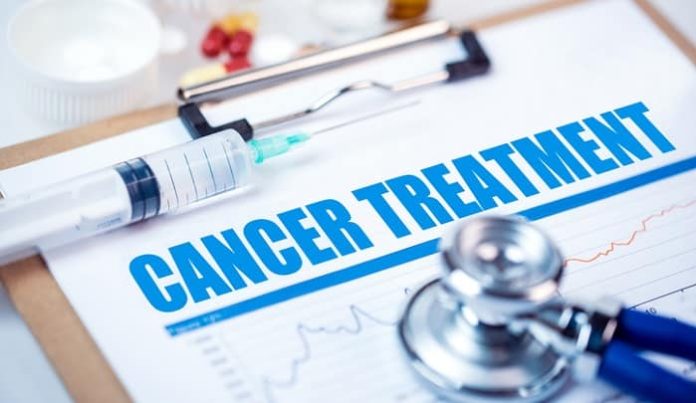
High Cancer Care Costs In The US Do Not Improve Outcomes

In England, 58-year-olds will receive home testing kits for the first time as part of a significant expansion of the life-saving screening programme. These kits can help identify early-stage bowel cancer.

Once eligible, those 58 years of age will automatically have a Faecal Immunochemical Test (FIT), which can precisely record the presence of any blood in only a tiny sample of poop and identify early indicators of colon cancer.

The screening test will now be available to 830,000 more people in England who are 58 years old, with London, the city with the lowest screening uptake nationwide, being one of the first cities to provide it to this age group.

The change represents the most recent phase of the deployment for those over 50.

By placing a stool sample in a tiny tube and mailing it to the NHS for additional testing, FIT tests can conveniently be conducted at home. Those who have just been qualified will get an invitation letter, their test kit, complete instructions, and pre-paid return shipping.

By 2025, everyone 50 and older will be able to use home-testing kits, as promised in the NHS Long-Term Plan.

With around 43,000 occurrences in the UK each year, bowel cancer is the fourth most prevalent type of cancer. If detected at an earlier stage, it may be easier to cure.

According to Professor Peter Johnson, the National Clinical Director for Cancer, they are broadening the bowel cancer screening test in a phased approach to ensure that they can diagnose bowel cancer as early as possible, frequently before symptoms appear—presumably saving thousands with a simple and convenient test. He added that he would urge anyone who receives a kit to return their tests as soon as they can, as this can identify bowel cancer’s early warning signs and ensure that those who are affected receive treatment sooner. It also makes the test more accessible to the masses, including vulnerable populations, to perform at home. It is nevertheless crucial that anyone, regardless of age, experiencing symptoms such as blood in their faeces or severe stomach discomfort, talks to their GP as soon as possible. So, therefore, one should not be prudish about the stool and be tested if anyone has any concerning signals, the doctor advised.

The FIT kit gives people the opportunity to quickly and precisely test for bowel cancer at home, and this extension of the screening programme will guarantee that more cases are caught sooner, according to Steve Barclay, Health and Social Care Secretary.

Since this illness causes more than 16,000 deaths annually in the UK, increasing screening uptake is essential. To try and stop the disease in its tracks, Barclay implores everyone to use the kit when it arrives at the door and to be vigilant for the key symptoms of bowel cancer, such as stomach pain or blood in the stool.

The chief executive of Bowel Cancer UK, Genevieve Edwards, adds that screening at age 50, which they have long advocated, is moving in the right direction. They want more individuals to participate in screening since it is one of the best ways to detect bowel cancer early, or in some cases, prevent it from forming at all.

Increasing the availability of the home test is simply one method for enhancing bowel screening. Nonetheless, the greatest obstacle to enhancing early diagnosis and providing a world-class screening programme is the chronic labour shortage in the endoscopy and pathology sectors. This needs to be quickly addressed in the next 10-Year Cancer Plan by the new Prime Minister if they are going to achieve the goal of 75% early cancer diagnoses by 2028.

After receiving her bowel screening kit, Marjorie Harper learned she had colon cancer in 2019. She considered the tool a life saver because she would not have known she had the disease had it not been for the absence of any symptoms.

When notified she had cancer, Ms. Harper pleaded with everyone who qualified to use the kits, saying, she was so afraid when she was told she had cancer, she simply stopped and realised that she would have to fight it for her family—the ones she loves dearly. The “C” word frightened her after losing her husband to a tumour a few years ago, but she knew she was resilient.

The care she received was second to none. Even though one never actually receives the all-clear, it still makes her ears happy when she goes every five months and gets informed there isn’t any cancer there.

Only 2% of those who utilise the kit will need additional testing.

Everyone in England between the ages of 60 and 74, as well as the majority of people aged 56, can currently purchase the FIT home testing kit. Since the FIT kit was released in April 2019, national adoption has risen from 59.2% to 66.8%.

Because the FIT kit only needs one sample, which can be collected at home and is then returned in a sealed bottle, it is easier to use than the previous home test.

More malignancies are now being discovered than when the prior test was utilised, thanks to the FIT kit’s greater uptake. Additionally, because there are fewer false positives, more polyps that may otherwise develop into malignancies can be removed during colonoscopy.

Amazon Care To Begin Providing Mental Health Treatments

Amazon Care To Begin Providing Mental Health Treatments

Along with a relationship with the digital mental health business Ginger, Amazon wants to expand its Amazon Care offering to include behavioural health services.

According to Insider’s research, the service has not yet begun. But a live website offers the following details: The primary care doctors of Amazon Care can assist with a spectrum of typical behavioural health disorders. For urgent to moderate needs, they can also recommend patients to professionals in their network.

Employers who purchase Amazon Care will have access to Ginger as an add-on service.

Employees who have access to the extra add-on can use Ginger for behavioural healthcare whenever they need it, day or night. To ensure that workers receive the best treatment possible, Ginger and Amazon Care share health information, the webpage says. Ginger connects employees to a professional therapist or psychiatrist in days and a behavioural health coach in seconds.

The Amazon Care programme was first introduced as a virtual clinic for Amazon’s own staff, but it has subsequently been made available to other companies around the nation. The expansion of Amazon’s in-person care options to more than 20 new places, including San Francisco, New York, Chicago, and Miami, was announced in February. However, the titan of technology and retail has significant intentions for the healthcare sector. Last month, Amazon announced that it had signed a legally binding agreement to pay $3.9 billion in cash for the hybrid primary care start up One Medical.

According to Trilliant Health’s senior vice president for market strategy and chief research officer, Sanjula Jain, having a physical footprint with brick and mortar actually helps enhance their continuum of care. Due to the fact that they are now in the primary care sector, their prior investments suddenly make much more sense. There is now a way to include that in the process of providing care.

In 2011, data analysts and entrepreneurs from the MIT Media Lab founded Ginger. Headspace Health was created in October 2021 after Ginger and Headspace, a stress, sleep, and meditation app, successfully merged. Prior to the transaction, the virtual mental health business had raised $100 million in a Series E investment round.

Tattarang Funds $250m In Tenmile For Australia Health Tech

Tattarang Funds $250m In Tenmile For Australia Health Tech

Andrew “Twiggy” Forrest has invested $250 million in Tenmile, a new biotech venture capital firm, in an effort to hasten the creation of life-changing health technology.

The initial investment in Tenmile, which is being led by a former executive of biotech giant Roche Group, Steve Burnell, who has a long career in the technology and healthcare sectors and experience in mergers and acquisitions, has been announced by Tattarang, the private investment firm founded by Forrest and his wife Nicola.

The main objective of Tenmile is to make investments in services and products that, according to the company, will fulfill unmet medical requirements and promote fair and sustainable healthcare.

The company distinguishes itself from other Australian venture capital funds by concentrating exclusively on providing seed funding for health technologies and by using a business model that, in the words of Andrew Forrest, allows it to act fast and with confidence without being constrained by lenders and investors.

According to Forrest, their laser-focused approach means they can assist early-stage businesses, researchers, and entrepreneurs in accessing seed funding to assist them when they need it the most, and then provide follow-on support, which is frequently inaccessible through government or public sector funds.

Through their in-depth expertise, wide networks, and committed cash, Tenmile will assist Australian researchers and Australian firms to produce game-changing products and medical interventions in a way that the nation has never seen before. 

Nicola Forrest, who is also the cofounder of Tattarang, emphasises Tenmile’s dedication to moral and environmentally friendly medical procedures and technologies. Tenmile is another demonstration of their dedication to utilising capital as a force for good and will implement Tattarang’s ethical investment policy, which includes supporting female-founded and -led health firms, she claims.

Tenmile, established in Perth, has offices in Sydney and San Francisco. In San Francisco, it has teamed up with Rock Health, a venture firm located in the US that specialises in investing in digital health.

According to Burnell, executive chairman of Tenmile, although their company is focused on opportunities in Australia and on establishing a more comprehensive health sciences commercialization ecosphere there, they will continue investing and partnering in global markets both for the returns and to aid their Australian investees in accessing markets and capital internationally.

For them, health technology spans a wide range of industries, including pharmaceuticals, biotechnology, medical devices, diagnostics, and healthcare services. Emerging potential in immunology, cancer, digital health, the microbiome, and microbial resistance particularly excites them.

The Adelaide-based pre-clinical immunotherapy business, Carina Biotech, which is researching and creating chimeric antigen receptor T cell (CAR-T) medicines to treat cancer, is one of Tenmile’s investments.

How Back Pain Affects Your Overall Health

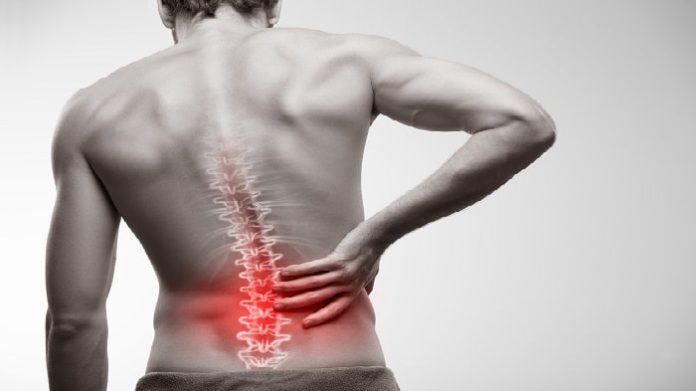
Back pain can be manifested as chronic pain as it can disappear and re-appear after treatment. However, back pain doesn’t just end with aching muscles or a burning sensation on your spine. Studies have found that back pain, specifically lower back pain, can limit your ability to move. This can also cause disability or other health problems.

This article will look into the details of how back pain affects your overall health. Read on.

  1. Back Pain Affects Your Mobility

The back consists of the spine, the spinal nerves, spinal cord, muscles, and ligaments. All these structures come together to support the weight of the body and allow movement and flexibility.

One of the major functions of the back is to allow movement, when any part of the back is injured, it can cause back pain which could hinder your ability to move. Therefore, you should seek treatment as early as possible before the back pain can advance. Look here to know more about back and neck pain and how to treat them.

The back pain that mostly affects your mobility and sometimes leads to disability is mostly experienced in the lower back and the base of the neck. Unfortunately, these two body parts support the most weight, making them integral to your mobility. Back pain may not entirely cause disability, but you may be unable to maintain an upright posture. This is because the spine helps you stay upright.

  1. Back Pain Affects Your Mental Health

Chronic pain is pain that lasts more than three months. Back pain can be chronic when it lasts for more than three months or disappear in less than six months. When back pain is chronic, it affects your mental health. Here’s how:

  • Chronic Back Pain Causes Anxiety and Depression

When you’re suffering from pain for a prolonged period, it can be hard to stay in a good mood. If anything, you’re more likely to be sad and worried about when the pain will be over or when it’ll get better. This constant state of worry causes anxiety which is one of the major mental health issues. Also, when pain affects your mood, you’re in a prolonged period of sadness and extreme lows which make you more prone to depression.

  • Chronic Back Pain Affects Your Sleep Patterns

You may have noticed that pain becomes worse at night. This is because the metabolism rate and hormonal levels change as your body prepares to rest. These biochemical changes sometimes cause pain to be more severe.

When you’re in pain, it can be hard to fall asleep. You may also experience sleep disturbance which compromises your sleep quality. That’s why insomnia is common among people suffering from chronic pain like back pain. The problem with insomnia is that it intensifies conditions like anxiety and depression.

Your overall performance at work during the day may also be affected. When you can’t work or do the things you love, you’re more likely to become depressed. In this case, back pain affects your sleeping patterns, causing new mental health conditions or worsening the existing ones.

  • Chronic Back Pain Causes Stress

Although stress isn’t a mental health illness, it can worsen existing conditions. For example, stress can heighten anxiety. Also, when you’re stressed, your muscles tend to tighten up which can worsen the back pain that you’re already experiencing.

The biggest danger with mental health and chronic back pain is that it can cause new mental health conditions or worsen existing ones. At the same time, mental health conditions like anxiety and depression have been found to worsen chronic back pain. This, therefore, becomes a vicious cycle that drains your health and quality of life.

  1. Other Effects Of Back Pain On Your Health

When the spine is injured, or one of the stacks of bones is misaligned, it causes excessive pressure on the exposed nerves, which manifests as back pain. This nerve interference, however, has far-reaching consequences since it can cause a reduction in nerve energy. When there isn’t enough nerve energy, the body system begins to be dysfunctional, putting it at greater risk of being attacked by disease.

Another consequence of nerve interference is a compromised digestive system. Usually, the digestive system and nervous systems work together for proper digestion. This is because the nervous system facilitates communication between major digestive organs. When this communication is compromised, digestion may not occur properly, and you may begin to experience gut problems like constipation and bloating.

Additionally, the back pain may be transmitted to the stomach by the nerve system. When this happens, you may begin to experience stomach aches when in a real sense, it’s your back that is in pain. Therefore, you end up having discomfort in your stomach and back.

backpain

Causes Of Back Pain

Now that you know how back pain affects your overall health, it’s important to know what causes your back pain in the first place. This will help you take all precautions necessary to help avoid developing back pain.

Below are the causes of back pain:

  • Spinal Misalignment

Spinal misalignment can happen due to several things. They include:

  • Poor sitting posture. This mainly affects people who spend most of the day sitting in the office or behind the driving wheel.
  • Injuries from sports, accidents, or congenital disabilities can also cause misalignment of the spine bones.
  • Muscle or Ligament Strain

A sudden awkward body movement can strain your muscles or ligaments especially when you were when lifting, pushing, or pulling heavy objects.

Sometimes you may experience muscle spasms when your muscles are strained and don’t relax. This can often manifest as low back pain.

  • Osteoporosis

This health condition weakens your bones, making them more likely to break. The condition develops over time and is often detected when you fall or experience a sudden impact that causes your bones to break. The major bones affected are the hip bone, wrist, and spine.

  • Osteoarthritis

It’s a type of arthritis that develops when the cartilage tissue at the end of the bones wears out. This cartilage tissue usually acts as a cushion that protects the bones from grinding at each other. This condition mainly develops on the hips, knees, hands, and spine joints.

When the protective cartilage in the spine wears off, the herniated disks and the bone spurs which pushes the nerves causing nerve interruption. This pressure on the nerve, therefore, manifests as back pain.

  • Pregnancy

Sometimes the weight gain from being pregnant may cause muscle and ligament strain, leading to back pain. Hormonal changes during pregnancy can also cause back pain. Pregnancy is, in fact, one of the major causes of back pain among women.

Other conditions that may increase your chances of getting back pain include:

  • Living a sedentary life. Doctors recommend that you have at least 30 minutes of movement or everyday
  • Occupational activities like heavy lifting
  • Health conditions like cancer
  • Obesity
  • Straining during physical fitness
  • Old age
  • Genetic disorders
  • Smoking

Symptoms Of Back Pain

In most cases, back pain isn’t a one-time condition as it develops over time unless it develops through an injury. Therefore, it can be pretty challenging to nail down specific symptoms of back pain. However, if you experience the following symptoms while registering back pain, it may be time to see a doctor:

  • A sharp or dull persistent pain in your back
  • Radiating pain, tingling, weakness, or numbness in your legs and arms
  • Swelling of your back
  • Pain down the legs
  • Back pain that doesn’t ease when you lie down or rest
  • Numbness around your anus, buttocks, and genitals
  • Loss of control over your bowel movements
  • Muscle weakness and inability to pee or uncontrolled peeing maybe a sign of a serious problem with your spine
  • Spinal misalignment often manifests as high blood pressure, depression, anxiety, acid reflux disease, fibromyalgia, fatigue, and a weak immune system. Therefore, if you experience these symptoms and the doctors can’t conclude your diagnosis, it would be best if you had your spine checked.

Summary

Back pain has adverse effects on your overall health. For starters, back pain may lead to disability where your ability to move is compromised. Second, when the pain is chronic, it affects your mental health. Chronic back pain may cause you to develop mental health conditions like depression and anxiety. It may also worsen already existing conditions.

Research has shown that mental health conditions worsen chronic back pain. This is arguably one of the most adverse effects of back pain on your health. The article details the effects and causes of back pain that can affect your overall health.

The Main Benefits Of Supplemental Medicare Insurance

medicareinsurance

As people age, they often find that they need more medical care. This can be expensive, especially if you are on Medicare and have to pay out-of-pocket for services that are not covered by the plan. A supplemental Medicare insurance policy can help you pay for these costs and make it easier to get the care you need. In this blog post, we will discuss the main benefits of supplemental Medicare insurance policies and how they can help you stay healthy and financially secure!

Supplemental Medicare insurance – The biggest advantages of it

Supplemental Medicare insurance is a type of policy that is designed to help cover the costs that are not included in a standard Medicare plan. These policies can help pay for things like deductibles, co-pays, and other services that are not covered by Medicare. They can also help you pay for prescription drugs and other medical expenses. It covers medical incidents that can occur at home, while you are away on vacation, or even if you become hospitalized. So, without saying much, below are the advantages of having a supplemental Medicare insurance policy.

Helps cover costs that are not covered by Medicare

As stated earlier, supplemental Medicare insurance policies help cover the costs of things that are not included in a standard Medicare plan. This can include deductibles, co-pays, and other services that are not covered by Medicare. Some of the most common types of expenses it will cover are:

  • Dental care
  • Vision care
  • Hearing aids and exams
  • Prescription drugs

Can help you stay healthy and financially secure

Supplemental Medicare insurance policies can help you stay healthy and financially secure by helping you pay for the things you need to stay healthy. This includes things like prescription drugs, dental care, vision care, and hearing aids. It can also help you pay for hospitalization or other medical expenses if you become ill or are injured. If you have a supplemental Medicare insurance policy, you will not have to worry about how you will pay for the things you need to stay healthy and financially secure!

Policies are affordable

Supplemental Medicare insurance policies are very affordable. In fact, they are often less expensive than other types of health insurance. This is because they are designed to help cover the costs that are not covered by Medicare. You can get a supplemental Medicare insurance policy for as little as $50 per month. This is a very reasonable price, especially when you consider how much it can help you pay for the things you need to stay healthy!

Provides peace of mind

This is because you will know that you have coverage for the things you need to stay healthy and financially secure. You will not have to worry about how you will pay for the things you need if something happens to your health. A supplemental Medicare insurance policy can give you the peace of mind that you need to live a healthy and happy life!

healthinsurance

Covers a wide range of services

Aside from the things like prescription drugs, dental care, vision care, and hearing aids supplemental Medicare insurance can also help you pay for hospitalization or other medical expenses if you become ill or are injured. You will be able to find a policy that covers the things you need to stay healthy and financially secure. The variety of services that are covered by supplemental Medicare insurance policies is one of the many advantages they offer!

Easy to use

Supplemental Medicare insurance policies are very easy to use. For instance, when applying, you can choose to either do it online or if you feel more comfortable, you can do it over the phone. Once you have a policy, you will be able to use it whenever you need to. You will not have to worry about filling out paperwork or waiting in line at the doctor’s office. Furthermore, you will not have to worry about paying deductibles or co-pays. All you need to do is show your card when you receive medical care and your policy will cover the rest!

There are many advantages of having a supplemental Medicare insurance policy. Some of the most important advantages are that it can help you pay for the things you need to stay healthy and financially secure. It is also very affordable and easy to use. When you are ready to purchase a policy, be sure to shop around and compare rates. You can also check with your local insurance agent to see if they offer any discounts on supplemental Medicare insurance policies. Be sure to ask about all of the benefits that are available to you so that you can choose the best policy for your needs!

How to Recover Fast at Home After a Surgery

surgery

The surgery takes a toll on your body. Whether you know it or not, you’re working hard to replace lost blood and repair the incisions. You might feel fatigued and ready to move on with it all. But wait! You can’t jump right back into your pre-operation routine.

Forcing yourself to move and eat as you used to before your surgery can have disastrous effects, completely resetting your recovery process. Whether you’ve had an outpatient procedure or a very invasive one, here is what you should do to recover fast after you get home.

Eat and Drink Properly

Food and Nutrition

A lot of people lose their appetite after surgery, but nutrition is your body’s fuel. Your body needs those resources to repair itself.

Ask your doctor for some ideas on how you should modify your diet. If you live alone, it’s a good idea to meal prep before your surgery. Freeze your food, and after surgery, you can just heat it back up to eat.

Of course, not all food has the same nutritional value. It’s advised that you eat fresh fruits and vegetables, whole grains, seafood, dairy products, and products that contain healthy fats. You need a little bit of everything in a healthy diet.

If you are vegan, take care to substitute the calcium and protein that you would normally get from dairy and meat. They’re very important for repairing bone and muscle. Good vegan sources of protein are things like quinoa, tofu, as well as beans. Leafy greens are full of calcium. Though you’ll have to take vitamin B12 as a supplement, rather than through food.

Hydration

Drinking a lot of water is also vital. Dehydration is the most common reason why people return to the hospital. It’s recommended you drink 6 to 8 cups of water per day. You can make use of reminders on your phone or dedicated apps that remind you to drink water.

Water helps your digestive system work more efficiently, reducing constipation. It also thins your blood, helping the blood carry oxygen and nutrients get to where they need to be, as well as lowering the chance of you getting a blood clot.

Don’t drink overly sugary or caffeinated drinks. They might taste good, but they’re dehydrating. Stick to good old H2O! Caffeinated beverages aren’t forbidden, but the bubbles stretch out your stomach and may make you feel bloated and uncomfortable. Depending on where your incision is located, this may or may not be tolerable for you.

Get Plenty of Rest

Your body does most of the healing while you’re asleep. That’s why you should get plenty of rest, especially in the first stages of just getting out of the hospital.

In order to ensure maximum comfort while you’re laying down for hours on end, you should purchase a recovery pillow. These pillows are meant to ease the unpleasant side effects of laying in bed for so long. If you’ve had surgery on your leg, a post surgery leg elevation pillow can benefit you greatly. It would ease your leg swelling, hip pain, and the stress on your joints. There is a wide variety of recovery pillows, suited for every injury.

Get Out of Bed Once You Are Well Enough To

As soon as your doctor says you’re well enough to move around, do it. Being overly cautious and staying in bed for too long can be detrimental to your health.

Lying in bed for longer than you’re advised can lead to blood clots, a weakening of the muscles, deep vein thrombosis, as well as pressure ulcers. Moving around encourages blood flow, which speeds up the healing process.

Follow Your Healthcare Provider’s Instructions

This is a no-brainer, but it still must be emphasized. Any instructions your healthcare provider gives you must override any preconceived notions you have about recovery.

If you want to avoid a premature visit to the hospital, it’s in your best interest to follow these instructions. Don’t do too much too soon, but also don’t lay in bed for weeks.

Care For Your Incision

You should do your part to ensure that your incision isn’t infected. This usually includes examining it frequently, though it may be hard to look at.

Change the dressing regularly and keep the area clean. Always wash your hands before and after changing your dressing. Never reuse dressings, or you’ll get a nasty infection.

It’s best to avoid any overly strenuous activities until you’re fully healed. Your workout routine will have to be postponed, or you risk opening your wound back up.

Use a saline solution or soapy water to dab away all the dried blood around your wound. Don’t use harsh chemicals, such as alcohol, iodine, or peroxide. They might do a good job at disinfecting shallow cuts, but they indiscriminately deal damage to your exposed tissue as much as they do the bacteria surrounding it. This greatly delays healing, especially if you do it regularly.

If you’ve been asked to irrigate your wound, take a syringe and fill it with saline solution or soapy water. Hold it slightly away from the wound, and spray just hard enough to wash away any matter or discharge. Always pat your wound dry.

Go to Physical Rehab

This applies if you’ve been referred to a physical therapist. If you’ve been advised to go to physical rehab, there’s a good reason why.

Physical therapy should be taken seriously. If you don’t attend your rehab appointments and don’t listen to your physical therapist, you might never make a full recovery.

There are just parts of the human body that never fully heal without special care, such as joints in your legs, arms, shoulders, etc. Physical therapy can also help ease your post-op pain and keep your muscles active.

surgery

Going through surgery is tough, and made tougher by the length of the recovery process. But if you start planning for it, it’s likely that this stretch of time will pass much more smoothly. You aren’t powerless, and you aren’t alone. Remember to take care of yourself and ask for help anytime you need it.

Maintain Your Focus While Exercising by Following These Useful Tips

exercising

You can spend hours in the gym and achieve very little simply because of distraction. To achieve your workout goals, you must make deliberate efforts that will help you achieve the required results. Paying attention and staying focused during workouts is crucial for improving and making progress in the long run. Paying attention to all the details while exercising will slowly achieve your fitness goals, so you must make every step count. Here are tips to help you stay focused while exercising.

Treat Exercise as a Practice

To help reposition your focus, keep it in the back of your mind that you’re practicing to become better at something that you weren’t used to doing before. The long-term goal should be to gain a good mindset for your body and soul. When you see progress in the skill you’re learning, it motivates you to keep going.

Keep to Time

Set an estimated time to complete your routine exercise and stick to it. Timing will assist you in refocusing whenever you become distracted. You can set a time limit for each progression, such as push-ups or planks, and focus until the timer goes off. Don’t bring any other problems or worries with you to the gym, because they will get in the way of your workout. Choose a time of day when you will have little to no distractions while exercising.

Take Supplements

Because of their effectiveness, the pre-workout supplement industry is booming. When you incorporate dietary supplements into your workout routine, you get maximum performance, rapid muscle growth, and fat loss.

Pre-workout supplements are available in almost every pharmacy in Washington. Supplements, as stated by the experts at washingtoncitypaper.com, provide the expected results during exercise, even though it is not necessary to take them before exercise, but the results obtained are worth giving it a try. These supplements are available in tablet, shake, and powder forms, so choose the one that works best for you.

Listen to Music

In this situation, good headphones with good sound output would be beneficial. Make a playlist that is perfect for your workout energy level. Music is life, and it can give you a boost of energy when you’re working out while also keeping you focused on the task at hand. When you need to catch your breath during exercise, you can mix it up by dancing to the beats of the song. You may be shy, but this is the time to ignore who is watching and focus on your energy as well as the progress you are making.

Avoid Distractions

To stay focused, you must be in sync with the current exercise. Avoid reading prints on people’s clothes or writing on walls, even if you think it will only take a few seconds because it will affect your activity and expected result. Concentrate on what you’re doing at the moment and block out any distractions from your mind or immediate surroundings.

exercising

The intensity of your workout will have a direct impact on the results you achieve. Make sure you maintain a healthy diet and take supplements if you feel it’s necessary. Stay committed to the process at hand and avoid any potential sources of distraction, as this is the only way to make progress toward your goals.

Translate »