











Close
Digital Health & Ai Innovation summit 2026
Medical Taiwan 2026

Top Proven Ways for Medical Professionals to Share Their Knowledge

Top Proven Ways for Medical Professionals to Share Their Knowledge

The field of medical science is constantly advancing and developing. There are often new drugs and discoveries (such as how Covid has been seen to reverse Lung Fibrosis). As a result, medical professionals are always looking for new ways to share their knowledge with others. Whether it’s through teaching, writing, or something else, there are many different ways to get your message out there.

In this article, we’ll discuss some of the top proven ways to share your medical expertise with the world.

Write A Book

This is a great way to share in-depth information on a particular topic, and it might be used as a reference for many years to come. Itโ€™s also a good way to build your reputation as an expert in your field. You can go the traditional route of finding a publisher or alternatively self-publish (e.g. through Amazon’s Kindle Direct Publishing).

A ghostwriter is a professional who could write on your behalf, with the content usually being published under your name. Ghostwriters are often used by people who wish to write a book but don’t have the time or ability to do so. Specialist websites can connect you to medical ghostwriters, book editors, cover designers, and book marketers. You can read their profiles (including their locations and star ratings) and request free quotes over the internet.

Write Articles And Blog Posts

Medical professionals often write how-to pieces, case studies, or research findings in professional journals. Some examples include The New England Journal of Medicine, The Lancet, and JAMA. They’re peer-reviewed, meaning that other experts in the field must read and approve of the article before it’s published. As a result, these types of journals are highly respected.

Many medical professionals use blogs, and some popular ones include The Huffington Post, WebMD, and Mayo Clinic. If youโ€™re interested in writing for a specific blog, check out their submission guidelines first. Alternatively, create your own blog on your website, or on hosted platforms such as Medium.com.

Speak At Conferences And Events And Do Networking

Conferences and events can be a great way to reach a large audience and get your name out there. There are often speaker submission deadlines months in advance, so keep an eye out for upcoming events. You can also submit proposals to give talks or workshops at local meetups or organizations related to your field.

Networking is an important way to share your expertise, so get involved with local professional organizations or start your own meetup group. You can also reach out to other professionals in your field and offer to collaborate on projects or articles.

Teaching, Workshops, And Webinars

Teaching can allow you to share your passion for medicine while also helping others learn more about the field. If youโ€™re not sure where to start, reach out to your local community center or college and see if they have any openings for guest lecturers. You can also search online for opportunities to teach classes or workshops virtually.

Webinars are another effective way to share your understanding with a large group of people. You can find them on almost any topic, so thereโ€™s sure to be one that fits your area of specialism. If youโ€™re not sure where to begin, try searching on medical websites or in online directories.

Mentor Students And Other Professionals

Mentoring is the process of sharing your knowledge and expertise with someone else in order to help them grow and develop in their chosen field. As a medical professional, you have a wealth of experience and knowledge that can be extremely valuable to students or others who are just starting out in their careers. There are many ways to mentor others, including:

  • informal conversations
  • formal mentorship programs

No matter how you choose to mentor others, remember that the key is to share your knowledge in a way that’s helpful and informative, without coming across as condescending or preachy. When done correctly, mentoring can be an extremely rewarding experience for both you and the person you’re helping.

Harness The Power Of Research

Medical professionals are always conducting research to find new ways to treat and prevent disease. You can collaborate with them on these projects by providing your input and skills. This is a good way to contribute to others in order to help advance medical science.

Another way you can collaborate with medical professionals is by sharing your own research findings with them. If youโ€™ve conducted studies that you think could be helpful to others in the medical field, reach out to them and let them know about it. They may be interested in using your findings in their own work.

Participate In Online Forums Or Discussion Groups

Online forums are websites where people can post questions, answers, and comments on various topics. Many times, you will find medical professionals such as doctors and nurses participating in these discussions. You can share your knowledge by answering questions or commenting on them.

Another route is to participate in online discussion groups. They are similar to forums, but the focus is more on discussion than question and answer. You may also wish to check out Facebook groups and LinkedIn groups that you can join.

Post On Social Media

Most of us are comfortable using social media sites including Facebook, Twitter, and LinkedIn. These platforms provide a great opportunity for medical professionals to share their specialism with a wide audience. You can post articles, blog posts, infographics, and even videos on social media. The key is to make sure that your content is high quality and informative.

You could also create videos (e.g. on YouTube) or podcasts if you enjoy being on camera or talking into a microphone. As you can see, there are plenty of choices for you to consider. You may decide to pursue more than one option as a means to communicate with others. In turn, people can be helped and educated, and you may be creating a legacy that enriches the world for many years ahead.

Pelvic Floor Therapy Expectations and Treatment Modalities

It has been established that pelvic floor therapy is one key to treating pain, weakness, and dysfunction of the pelvic floor muscles. Blood flow to connective and muscle tissue is allowed when the pelvic floor muscles are functioning efficiently. The pelvic floor muscles also help improve mobility through increased blood flow.

Pelvic floor therapy seeks to restore higher mobility levels and healthy function of the pelvic floor muscles. Well-functioning pelvic floor muscles will lead to an efficient blood flow to connective tissues and muscles thereby improving mobility.

Another goal of pelvic floor therapy is to reinstate a higher level of mobility, healthy functioning, and movement. Pelvic floor therapy clinics will try to work on the identified muscle trigger point and tight or relaxed connective tissues that have been determined to be the cause of pain or discomfort.

For decades, the medical practice has regarded pelvic floor physical therapy effective in improving pelvic floor dysfunction symptoms, and it is a non-invasive procedure at that. Physical therapists at a pelvic floor therapy clinic use a variety of painless and non-surgical treatments to retrain the pelvic floor muscles. This in turn helps control bladder and bowel control, and sexual function. When patients learn to strengthen and relax pelvic floor muscles, pelvic floor muscles not only improve in terms of function but the pain or discomfort experienced by patients is often reduced.

During pelvic floor therapy sessions, physical therapists teach patients exercises to stabilize and strengthen the core. The core is the major muscle that holds the trunk, including the pelvic floor, abdomen, back, and diaphragm, and keeps it stable. Stabilizing the core in pelvic floor therapy sessions is also involved in re-training and giving strength back to the pelvic floor muscles.

The pelvic floor therapy practitioners will determine overly tight muscles and will teach patients exercises to stretch them to improve mobility and coordination. They will also teach patients several things including postural exercise, diaphragmatic breathing, and relaxation techniques. These practices improve symptoms and the overall health and well-being of the patient.

The actual treatment approach that a pelvic floor therapy clinic recommends to a patient varies depending on the symptoms they experience. For some patients, they will have to teach how to relax and lengthen the pelvic floor muscles while in others the opposite of strengthening the pelvic floor muscles is advisable.

Most pelvic floor therapy clinic therapists will work with patients on behavioral modifications. Behavioral modifications to help pelvic floor muscle functions include dietary and lifestyle modifications that will help relieve the experienced symptoms and improve the patientโ€™s overall quality of life.

What to Expect in the Early Phase of Pelvic Floor Therapy

It can be understandable why pelvic floor dysfunction matters can be highly personal. Patients of pelvic floor therapy clinics often feel nervous, even fearful of what to experience and expect. Pelvic floor therapy clinics should reassure their patients that their staff is compassionate, highly-trained professionals. An extensive experience working for a pelvic floor therapy clinic and with pelvic conditions can give patients more assurance of the services they are getting. Therapists of a pelvic floor therapy clinic should also take their time to answer questions and explain each procedure thoroughly.

During the first few appointments, the pelvic floor therapy practitioner should perform a comprehensive assessment to craft the most fitting treatment plan for the patientโ€™s case or situation.

As mentioned, pelvic floor therapy seeks to restore movement and mobility, and decrease the pain experienced. It follows therefore that during the examinations, the pelvic floor therapy practitioner should assess the posture, strength, flexibility (of the spine, hip, and abdominal area), and breathing patterns to point out contributing factors.

The primary goal of the earlier visits to a pelvic floor therapy clinic is for them to identify the probable causes of the patient’s pelvic floor dysfunction. The more the information provided or gathered about the patient’s symptoms, the quicker the physical therapists can determine the issue. Patients are also free and encouraged to do their assessment and findings (perhaps bring notes) about their symptoms. These observations may include what worsens or relieves the pain. These are important data that the physical therapist may gladly welcome.

Patients should expect that the pelvic floor therapy practitioners will ask them to move around during their first few visits to assess certain functions. Patients should remember to dress comfortably during this process. The best pelvic floor therapy clinics encourage patients to ask questions and provide feedback throughout the procedures and during every visit. During this examination phase, the practitioner will ask patients to stand, walk and sit so that potential issues in posture or joints can be pointed out and how it affects the pelvic floor muscles. Pelvic floor therapy clinics should also evaluate whether the bone or muscle problems (in the lower back, hips, sacrum, buttocks, or thighs) are placing undue stress on the pelvic floor muscles, and are causing pain or dysfunction.

The physical therapist should also perform a physical examination. In some instances, physical examinations during pelvic floor therapy sessions include an internal exam. Make sure pelvic floor therapy practitioners have received specialized training on doing the internal exam for pelvic floor muscle dysfunctions. This procedure may be understandably uncomfortable, thus conducting each step slowly and deliberately helps alleviate these apprehensions. When this assessment method is necessary and done, it offers valuable information in identifying strength-related issues and muscle groups that are causing the problem.

Trained pelvic floor therapists should proceed carefully slow and should be able to explain what to expect during each step of the examination. Patients should also be encouraged to ask questions and are allowed to ask for a pause at any time during the performance of the exam.

Initial assessments of a pelvic floor therapy clinic may include the following:

  • A thorough review of medical history
  • A detailed evaluation of symptoms
  • Evaluation of areas that are dysfunctional, tight, or painful
  • Complete physical examination reports

Common Treatment Modalities Utilized by a Pelvic Floor Therapy Clinic

Pelvic floor therapy to treat pelvic floor dysfunctions include both external and internal physical therapies. Patients are often nervous or even reluctant at the prospect of internal therapy, thus most pelvic floor therapy clinics wait until they are ready for it.

For external manual therapies, however, there is a variety of them including a tool that can be incorporated with ease into the treatment plan. An example of this is the manual therapy physical therapists perform to stabilize the pelvis and increase the mobility of the skin, muscles, and fascia. This manual therapy is usually done before using other treatment modalities.

  • External Manual Therapies

    • Trigger point release โ€“ a manual therapy used to relieve chronic pain
    • Visceral mobilization โ€“ a gentle release technique to restore normal movement to internal organs
    • Connective or scar tissue release โ€“ aims to break up scar tissues that may have caused the stiffness, pain, or desensitization
    • Skin rolling
    • Joint mobilization โ€“ improves ROM (range of motion) of joints
  • Pelvic Floor Therapy Tools, Exercises, and Techniques

    • Biofeedback โ€“ painless procedure that uses special sensors to monitor pelvic floor muscles
    • Kegel exercises
    • Weighted vaginal cones
    • Electrical stimulation therapy โ€“ painless, electrical impulses are sent through electrodes placed in specific areas
    • Therapeutic ultrasound
    • Relaxation techniques
    • Meditations

New Research Sheds Light On How COVID-19 Might Harm Organs

 How COVID-19 Might Harm Organs

According to new research from the Royal Free London (RFL), some COVID-19-infected cells might rupture, causing catastrophic harm to the lungs as well as other internal organs. The study, co-authored by RFL consultant hepatologist Gautam Mehta, indicates that immune cells infected with COVID-19 can experience pyroptosis, a cell explosion that produces damaging activation in patients who get critically ill with the virus.

While pyroptosis kills the virus, it also causes the release of inflammatory compounds into the bloodstream. These inflammatory substances spread throughout the body, causing lung damage and being harmful to other internal organs too. This same procedure can occur in liver patients who have been infected with bacteria from the intestines. The liver cells go through the same pyroptosis mechanism as the bacteria to expel them: the cells rupture and produce inflammatory chemicals that injure the surrounding cells.

These crucial findings will aid researchers in developing more effective COVID-19 therapies in the future. Dr. Mehta and Harvard Medical School collaborated on the study, which was featured in Nature last week. It builds on previous research by Dr. Mehta’s group, which showed that pyroptosis can cause hyperinflammation in liver illness.

Dr. Mehta explained that inflammation and cell death were both major variables in severe COVID-19 during the early days of the pandemic, according to mounting evidence. As it turned out, theirย group was already interested in the pyroptosis cell death pathway and its significance in liver disease.

The pyroptosis pathway functions as a warning mechanism, causing the cell to explode and release pro-inflammatory substances if it detects viral or bacterial particles within the cell. This has the advantage of eradicating the infection, but it can also result in significant inflammation. Pyroptosis refers to a blazingย process of cell death.

This happens in liver disease patients because of a leaky gut, which allows bacterial components from the gut to reach the liver and induce pyroptosis of liver cells, which leads to liver failure. This process appears to occur in COVID-19 because the virus causes pyroptosis in immune cells, which has the advantage of eradicating the virus, but it can cause hyperinflammation in some people. This inflammation can cause severe respiratory distress as well as harm to other organs.ย 

This paper highlights the tremendous ability of collaborative relationships among academics as well as patient networks to propel research forward in a variety of domains. The work demonstrating pyroptosis in liver disease was pushed by Royal Free Hospital patients who took part in the trial, Dr. Mehta noted. They might not have discovered the connection between pyroptosis and COVID-19, which now has the potential to give tailored therapeutics for the condition, if they had not been investigating this topic at the time the pandemic struck.

Normal
0

false
false
false

EN-IN
X-NONE
X-NONE

/* Style Definitions */
table.MsoNormalTable
{mso-style-name:”Table Normal”;
mso-tstyle-rowband-size:0;
mso-tstyle-colband-size:0;
mso-style-noshow:yes;
mso-style-priority:99;
mso-style-parent:””;
mso-padding-alt:0in 5.4pt 0in 5.4pt;
mso-para-margin-top:0in;
mso-para-margin-right:0in;
mso-para-margin-bottom:8.0pt;
mso-para-margin-left:0in;
line-height:107%;
mso-pagination:widow-orphan;
font-size:11.0pt;
font-family:”Calibri”,sans-serif;
mso-ascii-font-family:Calibri;
mso-ascii-theme-font:minor-latin;
mso-hansi-font-family:Calibri;
mso-hansi-theme-font:minor-latin;
mso-bidi-font-family:”Times New Roman”;
mso-bidi-theme-font:minor-bidi;
mso-ansi-language:EN-IN;}

Scientists Unearth Viable Antiviral Treatment For Monkeypox

Antiviral Treatment For Monkeypox

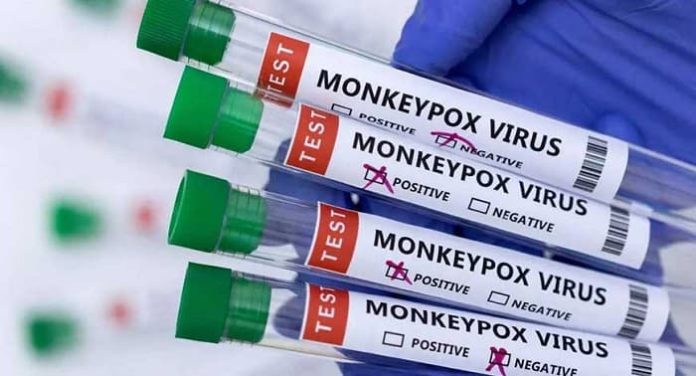
Scientists have discovered a viable antiviral therapy for monkeypox, albeit the illness remains a considerably less serious threat than COVID, according to the researchers. As per new research on historical outbreaks of monkeypox in the UK, a patient seemed to have fewer symptoms after being medicated with one of two antivirals meant for smallpox. Seven people were treated for the virus between 2018 and 2022, according to the report released in The Lancet Infectious Diseases. It occurs as the new monkeypox spread has grown to 71 confirmed cases in the United Kingdom and 85 cases in eight European nations. Researchers acknowledged their study only looked at a limited group of people and that more research into antiviral therapy was needed.

Monkeypox was discovered in the patients’ throats and blood samples, according to the findings. Five of the patients in the study were kept in isolation for more thaon 3 weeksโ€”up to 39 daysโ€”after receiving sustained positive PCR test findings.

However, the authors point out that this does not necessarily entail an airborne infection on the same scale as COVID. The techniques that were employed were PCR tests, which did not detect infectivity as well. In all circumstances, it’s been with extremely close contact in households, with children and parents having actual touch with one another rather than the necessity of being at a distance, one of the report’s authors, Dr. David Porter, stated.

In humans, there are presently no licenced treatments for monkeypox. Brincidofovir and Tecovirimat, which have been approved in the United States for the therapy of smallpox in preparation for a potential bioterrorism attack, were the only medications discovered in the study.

Three of the patients studied were given the antiviral Brincidofovir, which was shown to be ineffective, and one patient was given Tecovirimat for two weeks, which resulted in a shorter illness. Six weeks after being discharged from the hospital, one patient experienced a minor relapse. Four of the patients received treatmentย for monkeypox in specialised units in England between 2018 and 2019. Three of the cases were traced to West Africa, while the fourth case was discovered in a virus-exposed healthcare worker. In 2021, three more instances of monkeypox were detected in a family travelling from Nigeria, according to the study. One of these incidents involved a youngster.

In terms of their distribution, researchers found that the instances evaluated during 2018 and 2021 are not “distinguishable” from those now being identified.

Even in the high-income setting of the UK, the illness courses of the patients reportedย on were tough and resource-intensive to manage, the paper stated. Monkeypox infections will continue to happen in west and central Africa, and healthcare personnel all over the world must be on the lookout for monkeypox in travellers who have fever and rashes. The findings in this short series point to the need for more antiviral research to address this neglected tropical disease. Researchers warned against equating the latest monkeypox outbreak to COVID at a briefing conducted by the Science Media Centre on May 24th, 2022.

COVID, as an emerging infection, is significantly more critical for society than the monkey pox, said Dr. Jake Dunning, a consultant in infectious diseases and high-consequence infectious diseases at the Royal Free Hospital. He believes one must be careful not to confuse the two, particularly in terms of pandemic risk and transmission. In that regard, they are two quite different beasts. So he does not want people to believe that simply because they had a COVID pandemic, any new emerging illness will generate a pandemic as well.

Unlike COVID, monkeypox is a “DNA virus,” which does not change rapidly, thus the current outbreak is unlikely to constitute a “sudden shift” in the virus’s behaviour, as per honorary research fellow at Liverpool School of Tropical Medicine and Specialty Trainee in Infectious Diseases’ Dr Hugh Adler,ย 

It is far more probable either a random event or human behaviour, in particular that traveling is opening up more extensively again, he noted. However, based on their preliminary genetic information, there is no signal, and based on what people knows about monkeypox biology, one would not expect it to alter that quickly.

What Are The Main Causes Of Depression? Find Out Here

 Main Causes Of Depression

Depression is a serious mental health condition. It affects millions of people all over the globe. While there are many possible causes of depression, some seem to be more common than others. In this blog post, we will discuss the main causes of depression and provide tips on how to deal with them. If you or someone you know is suffering from depression, please don’t hesitate to seek help!

What is depression and how serious can it get?

It is a lot more than just feeling down, or feeling like crying. It is a serious mental health condition that can have a profound impact on every aspect of a person’s life. Depression can cause physical problems such as fatigue, headaches, and stomachaches. It can also lead to difficulty concentrating, sleeping, and making decisions. Depression can even make it hard to enjoy activities that used to bring happiness. On the other hand, the treatment of depression is very important. If left untreated, depression can lead to serious problems such as substance abuse, self-harm, and even suicide.

What are the main causes of depression?

There are many possible causes of depression, but some seem to be more common than others. In fact, many experts believe that depression is caused by a combination of genetic, biological, psychological, and environmental factors. These combinations can vary from person to person, which is why some people may be more susceptible to depression than others. While there is no one cause of depression, there are certain risk factors that can make a person more likely to develop the condition. As it usually represents a combination of several mental illnesses into one, the causes of depression may be further classified as follows:

  • Biological: This includes factors such as brain chemistry, hormones, and heredity
  • Psychological: This includes factors such as stress, negative thinking patterns, and trauma
  • Environmental: This includes factors such as social isolation, job loss, and financial problems
A family history of depression

Having a family history of depression, or depression-like symptoms is one of the most significant risk factors for developing the condition. In fact, studies have shown that people with a family history of depression are up to four times more likely to experience the condition themselves. If you have a family member who suffers from depression, it’s important to be aware of the signs and symptoms so you can seek help if necessary.

A history of trauma or abuse

If you’ve experienced a traumatic event, such as the death of a loved one, rape, or child abuse, you may be at increased risk of developing depression. This is because trauma can change the way the brain functions and how it responds to stress. It can also lead to negative thinking patterns and feelings of worthlessness and despair. If you have a history of trauma, it’s important to seek help from a mental health professional so you can learn how to cope with your experiences in a healthy way.

Certain medical conditions

Certain medical conditions, such as thyroid problems, cancer, and chronic pain, can also increase the risk of developing depression. This is because these conditions can cause physical symptoms that lead to feelings of fatigue, hopelessness, and worthlessness.

Substance abuse

People who abuse drugs or alcohol are also at increased risk of developing depression. This is because substance abuse can change the way the brain functions and lead to negative thinking patterns. Additionally, people who abuse substances are often dealing with other issues. Such issues may pose as financial problems or social isolation, which can also contribute to depression.

Major life transitions

Major life transitions, such as retirement, divorce, or the death of a loved one, can also be risk factors for developing depression. This is because these transitions can lead to feelings of isolation, stress, and grief. Additionally, major life transitions often involve changes in lifestyle and routine, which can be difficult to adjust to.

A neglected lifestyle that lasts for years on end

Our lifestyle choices can also affect our mental health. For example, people who neglect their physical health and don’t exercise or eat a balanced diet are more likely to develop depression. Additionally, people who engage in risky behaviors such as drinking too much alcohol or using drugs are also more likely to suffer from the condition. Therefore, we can contribute a lot of our current mental state to the lifestyle that we lead. On the other hand, it is not to say that a simple change of lifestyle can quickly get you out of depression. However, this will certainly be an issue you will try to solve, which will automatically help you feel a lot better in other aspects of your life.

Depression can be caused by any number of factors, both psychological and environmental. If you’re experiencing symptoms of depression, it’s important to seek help from a mental health professional so you can get the support you need. Additionally, making healthy lifestyle choices can also help reduce your risk of developing the condition.

New US hospitals face fiscal crisis over COVID relief money

New US hospitals face fiscal crisis over COVID relief money

A handful of U.S. hospitals are facing a financial crisis that officials say was caused by the federal government’s rules for pandemic relief money.

A whole town celebrated in 2020 when, early in the coronavirus pandemic, Thomasville Regional Medical Center opened, offering state-of-the-art medicine that was previously unavailable in a poor, isolated part of Alabama. The timing for the ribbon-cutting seemed perfect: New treatment options would be available in an underserved area just as a global health crisis was unfolding.

In the end, that same timing may be the reason for the hospital’s undoing.

Now deep in the red two years into the pandemic, the 29-bed, $40 million hospital with a soaring, sun-drenched lobby and 110 employees is among three medical centers in the United States that say they are missing out on millions in federal pandemic relief money because the facilities are so new they lack full financial statements from before the crisis to prove how much it cost them.
In Thomasville, located in timber country about 95 miles (153 kilometers) north of the Gulf Coast port of Mobile, hospital officials have worked more than a year to convince federal officials they should have gotten $8.2 million through the CARES Act, not just the $1 million they received. With a total debt of $$35 million, the quest gets more urgent each day, said Curtis James, the chief executive officer.

“No hospital can sustain itself without getting the CARES Act money that everybody else got,” James said.
Employees are trying to save money by cutting back on supplies but residents including Judy Hutto are worried about the hospital’s future. Hutto drove there recently for tests from her home 15 miles (24 kilometers) out in the country.

“The areas needs it,” she said. “It’s a nice hospital.”

CEO Barry Beus also is trying to plug a gap at Rock Regional Hospital, located south of Wichita in Derby, Kansas. The hospital is due as much as $15.8 million, officials said, but because it only opened in April 2019 and lacks complete pre-pandemic financial statements, it has received just a little more than $985,000.

The only thing that’s saved the facility from financial ruin so far is the cooperation of doctors, contractors and vendors who haven’t pushed for payments, he said. “If we lose them, we lose the hospital,” said Beus.

Three Crosses Regional Hospital opened in 2020 in Las Cruces, New Mexico, and piled up a staggering $16.8 million in losses in just three quarters while receiving only $28,000 in aid, said Landon Fulmer, a Washington lobbyist working with all three hospitals to obtain additional funding. Each facility is being penalized for being new even though they provided the same costly COVID-19 care as other medical centers and lost revenue from other procedures including elective surgeries, he said.

“It really is quite a strange situation in a way, one that shouldn’t have happened,” Fulmer said.

With about 420,000 health care providers nationwide already receiving assistance from a $178 billion pot, the government isn’t covering 100% of losses for anyone, said Chris Lundquist, a spokesman for the U.S. Health Resources and Services Administration, which is overseeing the program.

“HRSA has strived to provide as much support as possible to as many hospitals as possible within the limits of the law and funding,” he said. The agency said it used proxy financial information for hospitals that opened in 2019 or 2020 to create an equitable payment system.

“They have all received funding,” said Lundquist.

While virtually all the aid money is spoken for, Lundquist said hospitals seeking additional aid can go through an appeals process. Hospitals also can seek a supplemental appropriation or funding in the upcoming fiscal years, he said. All three of the hospitals say they deserve more.

Officials in Thomasville are trying to leverage congressional influence. Mayor Sheldon Day has made several trips to Washington, D.C., to speak with members of the state’s congressional delegation and health officials, and the president of the Alabama Hospital Association, Dr. Don Williamson, has contacted the White House seeking help.

“They’ve been assured they’re going to be taken care of. But the fact is, when you’re dealing with government entities, you don’t have the money until you have the money,” said Williamson.

Located in southwest Alabama, Thomasville lies within an impoverished area called the Black Belt. About 70% of Black Belt residents qualify for Medicare or Medicaid, and health care has been limited for generations.

The last hospital shut down in Thomasville more than a decade ago, leaving only hospitals that offer fewer services in the surrounding region. Officials worked for years to secure a new hospital so residents wouldn’t have to drive 90 minutes for high-tech services such as digital imaging, full surgical options, echocardiograms, 3D mammography and more.

Using a partnership between the city and a municipal health care authority, Thomasville Regional secured federal funding from the Department of Agriculture and opened on March 3, 2020, before cases of COVID-19 caught fire in the rural South.

“We thought we were off to a good start,” said James, the chief executive. “And then everything shut down.”

Patients stopped showing up for scans, elective surgeries, mammographies and other moneymaking services because of pandemic shutdowns, and financial reports that looked promising turned perilous within weeks.

Recognizing that new hospitals couldn’t calculate COVID-19 losses because they couldn’t compare 2020 numbers with past years, Health and Human Services allowed hospitals to use budget numbers for calculations rather than prior financial statements. That’s how the hospital determined that it was missing out on more than $7 million in aid, James said.

While the hospital is still waiting on that aid, he said, the government did agree to provide $1 million in assistance that went to all other hospitals.

“That was OK, but other hospitals that are in our region got $8 million, $9 million,” he said.

The Birmingham-based Medical Properties Trust recently gave the hospital $2 million and James said leaders are confident Thomasville Regional will eventually get the extra federal aid. “But it will take time,” he said.

Like Thomasville Regional, Rock Regional in Kansas saw revenues dry up soon after opening, said Beus, the CEO. It’s still experiencing staff shortages because of the pandemic and having to pay a premium to travel nurses to work shifts on the wards, he said, all while working with consultants and members of Congress just trying to stay afloat.

“It’s been a little frustrating,” he said.

The Associated Press Health & Science Department receives support from the Howard Hughes Medical Institute’s Department of Science Education. The AP is solely responsible for all content.

4 hospitals in Manchester declared Critical incident led by an IT failure.

Technology as a Service: The importance of lifecycle technology asset management for healthcare equipment

Four hospitals in Greater Manchester warned Patients to avoid going into their accident and emergency departments due to an IT failure leading to be declared as a critical incident. Concerned staff say the IT crash has affected every part of Royal Oldham, Fairfield General, North Manchester General and Rochdale Infirmary.

One of the worst affected units is the Royal Oldham’s A&E, which has suffered a string of IT shutdowns since Wednesday,  the Manchester Evening News reports.

The staff further confirms that the hospital has declared a critical incident after almost a week of IT failures across four Greater Manchester hospitals which have caused severe delays to patient care

The announcement comes amid waits of 11 hours being reported by patients, while sources have warned that the pressure at the hospital may not relent for at least another 24 to 48 hours.

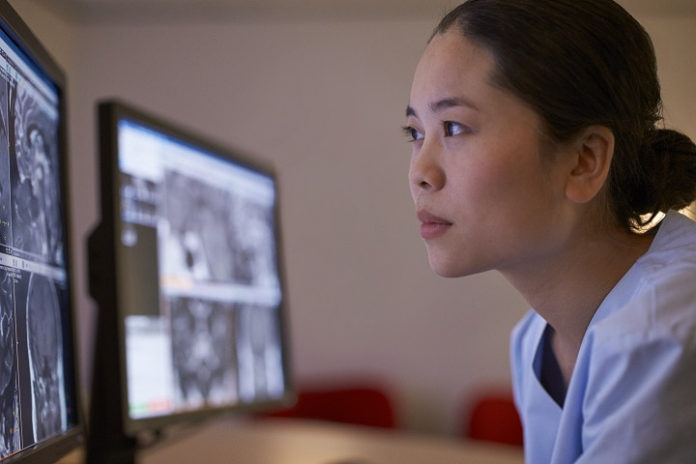
Multiple hospital sources have said that systems used to access MRI and CT scan results are not functioning correctly, meaning clinicians are unable to share the information with patients who could have life-threatening illnesses.

As the trust has still asked the patients to come to hospital if needed and keep their appointments unless they are contacted to say otherwise. The Oldham emergency department is really busy, which has been compromised as well, leading trust chiefs to request the public to think carefully before they attend A&E for minor ailments.

Patients may Opt for other alternatives as well, such as their GP or pharmacy if their complaint is not urgent which will ease doctors and nurses while the IT issues are ongoing.

According to the NCA, the A&E departments at Fairfield and North Manchester, and Rochdale urgent care centre are coping, However, there is a long waits for increasingly unhappy patients at each of the hospitals.

Siemens Healthineers and Universal Medical Imaging collaborate to promote 5G remote imaging diagnosis for primary care in China

Siemens Healthineers and Universal Medical

Siemens Healthineers and Universal Medical Imaging have signed a strategic collaboration agreement to help primary healthcare institutions in China improve the efficiency of their image screening and disease diagnosis using advanced imaging diagnostic equipment and remote scanning assistant tools from Siemens Healthineers and the nationwide medical imaging experts at Universal Medical Imaging. The companies will help medical staff and healthcare providers increase access to high-quality care for patients by providing them with more accurate, convenient, and timely diagnostic services.

Data from the National Health and Medical Commission in China shows that so far, telemedicine has covered nearly 90 percent of the provinces in China. While the coverage rate is high, it is still challenging to provide grassroots healthcare staff with full access to the existing imaging equipment and telemedicine technology. It is also difficult to transfer knowledge from top experts in big cities to the provinces.

Jerry Wang, President of Siemens Healthineers Greater China, said: “At this stage, key to the comprehensive implementation of imaging equipment at primary level is first to leverage digital and telemedicine technology and second to strengthen the connection between grassroots medical staff and imaging experts in large cities. The intention of our collaboration with Universal Medical Imaging is to build a primary medical ecosystem of 5G remote imaging diagnostics with the help of their expert resources and the technical advantages of Siemens Healthineers’ 5G remote scanning assistant technology. This will allow primary healthcare staff to improve their skills and promote the implementation of a tiered healthcare service.โ€

In China, Universal Medical Imaging is a leader in the domestic independent third-party medical imaging industry. The company employs more than 500 medical imaging physicians in over 30 cities across the country. By integrating high-quality resources from all over China, they can provide patients with imaging diagnoses of general diseases, but also cancer and cardiovascular and neurovascular diseases, offer multidisciplinary joint consultations, and more.

Chairman of Universal Medical Imaging, Yang Huanqiu, affirms: โ€œBy establishing this strategic partnership with Siemens Healthineers, we hope to leverage high-quality medical equipment 5G remote scanning assistant technology in order to provide diagnoses of difficult diseases for basic-level patients and better serve them in general.โ€

As an industry leader in digital healthcare technology, Siemens Healthineers launched and continues to update its 5G remote scanning assistant technology in China. This solution enables grassroots hospitals to obtain guidance from remote experts for many procedures, including patient positioning, setting scanning parameters, real-time scanning, image post-processing, realizing real-time standardized remote diagnoses, and ultimately enabling grassroots patients to seek local medical treatment in a timely manner. Siemens Healthineers’ 5G remote scanning assistant technology can be used in China with most of the companyโ€™s imaging equipment, including ultrasound, CT, MR, PET/CT, and PET/MR. It is available in more than 200 hospitals with a total remote service time of more than 400,000 minutes last year.

Inadequate Health Personnel Hinders Effective Health Care

According to a study conducted by the Institute for Health Metrics and Evaluation (IHME) at the University of Washington School of Medicine, more than 43 million extra health workers are required to reach global targets for universal health coverage. Director of Health Systems at IHME,ย  Dr. Rafael Lozano, remarked that these are the most thorough estimates of the worldwide health care workforce to date. Healthcare personnel are critical to the success of healthcare systems, and it’s vital to have these statistics so that governments can make critical choices and plan for the long term.ย 

The researchers examined physician, nurse, and midwife shortages; dental personnel shortages; and pharmaceutical personnel shortages. In 2019, they predicted that far more than 130 countries had physician shortages, and more than 150 had nurse and midwife shortages. Researchers estimated a shortage of more than 43 million healthcare workers, including 30.6 million nurses and midwives and 6.4 million physicians, when comparing the present thresholds of medical personnel to the minimal levels required to achieve a goal rating of 80 on the effective service coverage index for universal health care.

It is discovered that a country’s level of social and economic development is highly related to the density of health care employees, explained Assistant Professor of Health Metrics Sciences at IHME and lead author Dr. Annie Haakenstad. There are a variety of techniques and policy measures that may be used to solve worker shortages, and they should be adapted to each country’s unique situation. They hope that these numbers will help them decide which policy interventions are most important and help them plan for the future.

In 2019, the study discovered a 10-fold disparity in the concentration of healthcare workers throughout and within regions. In Sub-Saharan Africa, there were 2.9 physicians per 10,000 inhabitants, but in Central Europe, Eastern Europe, and Central Asia, there were 38.3 per 10,000. Cuba also stood up, with an 84.4 per 10,000 population density as opposed to 2.1 in Haiti.

Nurses and midwives have a concentration of 152.3 per 10,000 in Australasia contrasted to 37.4 per 10,000 in Southern Latin America, indicating similar discrepancies. Despite consistent gains in the health-care workforce from 1990 to 2019, significant gaps persist. Out-migration of health professionals, conflict and political turmoil, violence against health care employees, and inadequate incentives for training and retention are all contributing factors to worker shortages, according to the study. To avoid contributing to workforce shortfalls in lower-income countries, they recommended that high-income countries adopt WHO recommendations on prudent recruitment of health staff.

These findings demonstrate how unprepared the world was when the COVID-19 outbreak swept the globe, putting a strain on health institutions that were already short on frontline staff. These projections will aid governments and hospitals, including medical clinics, in preparing for future pandemics by focusing on training and recruitment. The authors also point out that there is still a lot to learn about the pandemic’s influence on the medical field. Among other stressors on HRH during the pandemic, this covers gender dynamics in the health workforceย and how the exodus of women from formal employment for care-taking activities at home may have diminished the health workforce.

Bio-Glue On The Way To Making Surgical Sutures Obsolete

Bio-Glue Surgical Sutures Obsolete

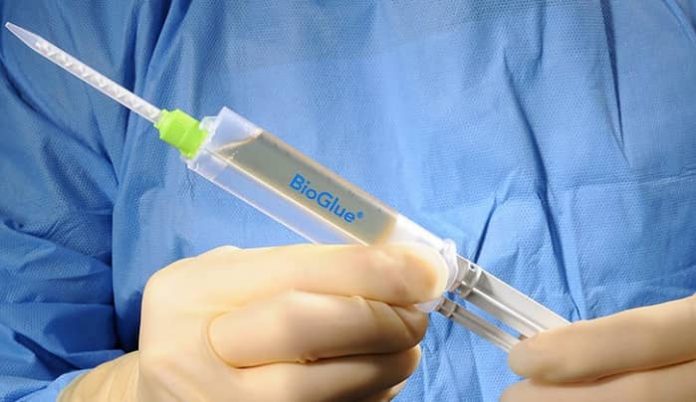
Kibret Mequanint, a Western biomaterials expert, has devised the first-ever water-insoluble (water-hating) fluid, which disperses body fluids encompassing an injury, enabling near-instantaneous gelling, sealing, and healing of injured tissue in collaboration with Malcolm Xing of the University of Manitoba.ย The holy grail for fast wound contraction and hemostasis is tissue glue that can operate in the presence of blood, water, and other proteins in the body, confirmedย Western chemical and biochemical engineering professor, Mequanint.ย The new bio-glue has the potential to replace and revolutionise tissue adhesives (such as fibrin glue) that are currently employed in healthcare situations, triage circumstances, and mass casualty situations.ย Mequanint remarked that fibrin glue and similar products frequently fail to shift fluids surrounding an injury. As a result of this shortcoming, current tissue adhesives never stick strongly to the wound and frequently disintegrate during the first hour or maximumย two.

Tissue adhesive washout and separation are serious problems for doctors, and they can be harmful for patients, particularly when they occur in key organs like the lungs, liver, and heart. Even when healthy, these organs move often (contractions and relaxations) to meet physiological needs, putting an added burden on tissue adhesives. Detachment is nearly eliminated since the new bio-glue develops a tight link with the neighbouring tissue. In extensive preclinical studies, it fixed a hole in the lung, the heart, an artery, and even a broken skull.

The deceptive easiness of this new bio-glue is transformative, Mequanint remarked. There has been no tissue reaction, and it mends quickly. Mequanint has pioneered various techniques and technologies in the domains of biomaterials, tissue engineering, and regenerative medicine during the past two decades, with many of its applications being regarded as industry best practices.

While this new finding is still in its early stages, it could spell the end for surgical sutures and pins made of plastic or stainless steel. The novel bio-glue is made from components that have already been approved by the US Food and Drug Administrationย for other uses, which could speed up clinical translation and technology transfer.

Because the border water cannot be pushed so that the adhesive may access the underlying tissue, underwater attachment of materials is difficult. Rather than displacing water, many bio-adhesives actually absorb it.ย Mequanint expressed his dissatisfaction with the current situation, and that’s an issue with a lot of materials, he adds.

The major ingredient in the new bio-glue is silicone, which does not absorb water from the tissue and hence sticks. Mequanint explains that silicone forms an excellent adhesion,ย so people don’t have to worry about it reopening and causing extra difficulties beyond the initial damage.

Translate ยป