










Close
Digital Health & Ai Innovation summit 2026
Medical Taiwan 2026

New Drug By The NHS To Facilitate Blood Cancer Treatment

New Drug By The NHS To Facilitate Blood Cancer Treatment

Thanks to a deal reached by NHS England, a targeted new medicine for a rare and severe form of lung cancer will be accessible to qualified patients within weeks. Mobocertinib, the only precision medicine accessible to patients with a mutation-driven, extreme version of lung cancer who have already received chemotherapy, will be available for the first time in Europe in England.

Around 100 eligible patients with a rare cancer that cannot be eliminated by surgery will be treated each year, with the illness affecting mostly young individuals and non-smokers. Mobocertinib is a tablet that targets a specific mutation to decrease the growth of cancerous cells while also having controllable side effects. According to studies, some patients who received mobocertinib lived for two years after treatment, which is much longer than what is predicted for individuals with this form of lung cancer.

The approval follows in the footsteps of the MHRA’s approval and an early access deal between NHS England, NICE, and the maker, Takeda. The NHS Long Term Plan seeks to provide individuals with the most up-to-date treatments and therapies, as well as faster access to potential new treatments on the NHS.It is great news that patients in England with this incredibly rare and extreme form of lung disease will be the first in Europe to get this groundbreaking treatment owing to another NHS deal, says NHS National Medical Director, Prof. Stephen Powis.

From life-saving drugs for leukaemia to innovative lung cancer treatments, this is the latest in a string of deals the NHS has reached to provide patients with the most cutting-edge cancer treatments at a cost that’s accessible to taxpayers. Throughout the pandemic, the NHS has emphasized cancer care, and Powis urges anyone with concerns to step forward and get assessed.

Following the recent early access deal struck by NHS England, the NHS will begin offering the new treatment to qualifying lung cancer patients in a few weeks after it was recently approved by the MHRA. While NICE completes its ongoing appraisal, mobocertinib will be available to qualifying lung cancer patients in England on a budget-neutral basis. NHS patients will be the first in Europe to gain from this cutting-edge new medication for lung cancer. Mobocertinib is a revolutionary drug that will be a lifesaver for those with this unusual form of the illness, said Health and Social Care Secretary Sajid Javid. Their early access deal with Project Orbis, a global collaboration, has led to making this therapy available on a faster timelineโ€”a stellar example of post-Brexit enhanced cooperation assuring UK patients get the best cancer care and treatment.

Through the MHRA’s affiliation with Project Orbis, an inventive programme orchestrated by the US Food and Drug Administration (FDA) with several other regulators around the world, they are working to ensure patients have earlier access to promising cancer treatments, said Dame June Raine, Chief Executive of the Medicines and Healthcare Products Regulatory Agency. Following their thorough study, the NHS can now administer mobocertinib, a novel medication, to patients with certain kinds of lung cancer, allowing the NHS to expand patients’ access to this life-saving treatment.

They are glad they have been able to work with Takeda, the MHRA, and NHS England to come to an agreement to keep mobocertinib accessible to people with this form of lung cancer while they complete the study, confirms Helen Knight, programme director at NICE’s Centre for Health Technology Evaluation.

She adds that their role in implementing fresh therapies to patients as quickly as possible requires collaboration. Following a Project Orbis licence, this is the fourth medicine to be made available through an early national access agreement by the NHS in England, following similar NHS arrangements for Atezolizumab, Osimertinib, and cutting-edge therapy Sotorasib, which targets the so-called “death star” mutation.

The agreement was reached with drugmaker Takeda as part of Project Orbis, an international collaboration between pharmaceutical regulators in the United Kingdom, the United States, Australia, and other countries to expedite the permitting process for potential cancer treatments.

Takeda is thrilled that accessibility to mobocertinib will be accelerated for eligible patients with EGFR Exon20 NSCLC who are really in desperate need of targeted treatment alternatives, said Oncology Country Head-UK and Ireland, Takeda UK Ltd.’s Emma Roffe.  Takeda, the MHRA, and NHS England working together to understand the importance of this novel medicine shows their collaborative effort to provide the finest care and enhance patient outcomes.

COVID-19 Vaccine May Soon Be Reality For Kids Under 5 In US

COVID-19 Vaccine May Soon Be Reality For Kids Under 5 In US

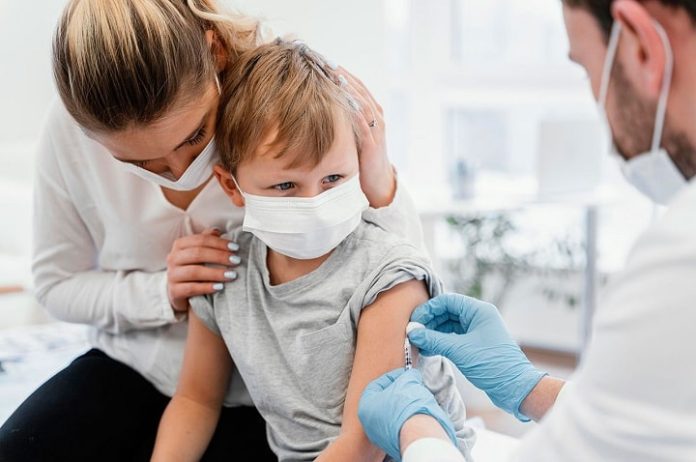
After the US Food and Drug Administration postponed essential steps toward legalising COVID-19 vaccinations for children under the age of five by a month, many parents are more eager and enthused than ever. People are driving in from multiple states to participate in the Pfizer/BioNTech vaccine trial for such kids, according to Dr. Daniel Leonard, a paediatric hospitalist. While many would not think of south central Nebraska as the epicentre of scientific development, the flood of participants from Colorado, Minnesota, Wisconsin, and Iowa; some commuting eight or even nine hours each way overnight to participate in the study, suggests they are indeed committed.

Around 18 million children under the age of five in the United States are not yet eligible for the COVID-19 vaccine. Children are less likely than adults to be hospitalised or die from the virus, but as per the US Centers for Disease Control and Prevention, at least 400 children aged 4 and younger have succumbed to it.

According to experts, the search for a vaccine may not be too long. Moderna has confirmed that it plans to furnish its study results on children aged in the bracket of 2 to 5 in March and that it may seek FDA approval if the data is favourable and subject to regulatory consideration. The COVID-19 vaccination from Moderna is presently exclusively available to adults in the United States.

Albert Bourla, Pfizer CEO, said that a vaccine for children aged 6 months to 4 years old will be available, possibly in May, assuming it works. On CBS’s “Face the Nation,” Bourla added that they will be prepared with manufacturing. Pfizer’s COVID-19 dose is already in the offing for children as young as five years old. Johnson & Johnson, manufacturing the other COVID-19 vaccine approved in the US, is doing a late-stage study of a vaccine for 12-to 17-year-olds, but there is none for this age group.

Awaiting Additional Information

For some time, it was thought that the United States would have a vaccination for children under the age of five in the early months of 2022. Initially, just two doses of the Pfizer and BioNTech vaccines for this age range were tested, but the results were not as expected. The firms declared they would test a third dose. The companies, however, filed a request for an urgent use authorization of 2 doses of the vaccine at the request of the FDA and stated that they would keep testing a third dose while the two doses went through the regulatory procedure.

The plan was revised once more in mid-February. In order to move forward with urgent use authorization, director of FDAs Center for Biologics Evaluation and Research, Peter Marks said that the agency needs to examine results from a current trial of a third dosage in these younger children. After all, parents would have had to queue for the third-dose data. Dr. William Towner, who directs the Southern California Permanente Medical Group’s, Clinician Investigator Program, said regarding the vaccine studies that the immunogenicity analysis actually demonstrated that the immune reaction really wasn’t where it should be. He believes the evidence suggests that this is going to be a three-dose series for toddlers.

Pathologist-in-chief, Dr. James Versalovic at Texas Children’s Hospital, where several Pfizer and Moderna paediatric trials are taking place, agreed that two dosages didn’t seem to be enough. In regards to immune response, the data was not as robust as they had expected it to be, says the researcher, referring to youngsters aged 2 to 4.

Researchers working on the trials for the youngest children have the advantage of seeing what happens in other age groups. After observing breakthrough virus infections in 2021, experts rapidly realised that adults and adolescents required booster dosages, as per Versalovic. They just flipped in late December and started pushing full-steam ahead with a third dose while monitoring these youngsters during the trials, he explained. Before data can be presented to the FDA, children who have received a third dose must be tracked for a minimum of two months. Investigators across the nation agreed that they are gathering data as swiftly and carefully as possible. By April, as per Bourla, the organisation should have data from its three-dose vaccine experiment for this age range.

Dr. Sharon Nachman, a paediatric infectious disease specialist with Stony Brook University who has also been working on the Pfizer trials, said that the studies must be done well, and if it takes a little longer, that’s what it is; one must do it right. She said that she believes researchers should be cautious when measuring the immunological response. How long will it persist, and, more significantly, what did the third dose seem to imply?

Dr. Jennifer Nayak, a paediatric infectious disease expert associated with Strong Memorial Hospital, University of Rochester Medical Center, concurred that evaluating all of the data rather than just a portion of it makes more sense. She adds that what it ultimately comes down to is attempting to gather as much data as possible, be as cautious as possible, and give the best suggestions.

Dr. Jonathan Hand, an infectious disease specialist from Ochsner Medical Center in New Orleans, said that all of the meticulous work that has gone into such trials should comfort parents once a vaccine is ready. Data integrity and improved patient safety are really important in this process, he opines. The good news is that no safety risks have been discovered, according to authorities.

The evidence clearly shows that there is a high level of safety. The vaccines are safe, but not all of them have been disclosed or publicly revealed, says Dr. Janet Englund, who works on the Pfizer research at Seattle Children’s Hospital.

Keeping up with the various variations

The most pressing questions are how efficient the vaccines are, as well as what the proper vaccination schedule and dose are? That question should be addressed by the results that will be disclosed in the coming weeks and months. They have always emphasised that their number one goal is to stop hospitalisation, Englund says. That said, families will like them to prevent the transfer in the home, notably if they have individuals in the home who are at risk, such as the elderly.

One issue would be that the vaccinations are being tested during a different viral phase, as scientists describe it. During the Delta surge, the COVID-19 vaccines were developed depending on the first variation and tested. Researchers are already gathering evidence on the third shot, which is dominated by the Omicron variety.

Omicron changed everything, Towner stated, as it was extremely altered and spread rapidly, as per the researcher. If the vaccine is given a go ahead, there’s a risk that young children will receive it at a varied time than adults and teenagers. They could have a third shot as soon as two months following the second shot, rather than waiting four or five months like older people. Children aren’t just miniature adults. Throughout childhood, they keep growing and evolving, as per Versalovic. This has an impact on how vaccines work.

Dr. Yvonne Maldonado, the Division of Infectious Diseases in the Department of Pediatrics at Stanford Medicine’s Chairwoman and also the chair of the American Academy of Pediatrics’ committee on infectious diseases, said that they should know what they have soon as she believes they are getting closer to some answers.

Dr. Claire Boogaard, a paediatric allergy specialist and medical director of the COVID-19 vaccine programme at Children’s National in Washington, said it’s worth remembering that scientists are still starting to learn about the disease as they try to find ways to combat it, as with any vaccine trial. A lot could change quickly with variants.

They want to inspire people to simply be flexible, because that’s truly what science requires, as there are a lot of variables at play, adds Boogaard. All of the scientists involved in these experiments said they understand why parents want to ensure a safe environment. Marks said he understood parents’ frustration when the FDA delayed the meeting of its vaccination advisors.

Meanwhile, he recommended parents continue taking COVID-19 precautions. As mask mandates decline, make absolutely sure everyone around the child is immunised and rely on “masking measures,” which has become much more difficult, he says. Marks stated that the FDA will move “quite quickly” once it has the requisite data to make a determination on immunizations for younger children.

Vision Impairment – What Can You Do to Avoid It?

Vision Impairment - What Can You Do to Avoid It?

The eyes are a vital part of your body. There are numerous things that you can do to take care of them. This article highlights various things you can do to keep your eyes healthy.

A Comprehensive Eye Examination

Most of us feel that our eyes are in perfect condition. However, visiting an optometrist and getting a comprehensive eye examination will tell you the actual status of your eyes. It is common for people to miss understanding that they can see better with a pair of spectacles or contact lenses.

It is worth mentioning that diseases like diabetic eye, macular degeneration, or glaucoma do not give any warning signs beforehand. A dilated eye exam is your only option to detect such conditions in their early stages.

During a comprehensive dilated eye examination, the professional uses a drop on your eyes to widen your pupil. It allows the optometrist to have a better look at the back of your eyes and check for any diseases or damage.ย 

Knowing Your Blood Sugar Levels

Professionals suggest that 90% of the blindness due to diabetes is preventable. You can achieve this by setting goals to monitor your blood pressure, blood sugar, and cholesterol.

  • A1c Blood test – Less than 7% of people require to have this blood test. Your doctor can set a goal for this one depending on your condition.

  • Blood pressure – Heart diseases can happen due to high blood pressure. Doctors set a blood pressure goal for maximum people at 140/90 mmHg. You can consult your doctor, who may set a different goal for you.

  • Cholesterol – Bad cholesterol builds up in your body and can block your blood vessels. Good cholesterol helps reduce the impact of bad cholesterol on your vessels. You can get a blood test to check your cholesterol levels.ย 

Opting for Protective Eyewear

Choosing eyewear based on your eye power is essential for better vision. However, you can not miss wearing protective eyewear while undertaking any activity that can harm your eyes. The safety of your eyes is of paramount importance. You can use polycarbonate protective eyewear to get the right protection.

Choosing Suitable Shades

Most of us consider sunglasses as a fashion accessory. However, you should note that sunglasses have an additional job of protecting your eyes from the sunโ€™s ultraviolet rays. You can opt for polarised prescription sunglasses that will serve more than one purpose for you.

A polarized lens is beneficial to reduce eye strain and glare that your eyes have to endure on a sunny day. You get a clear vision with prescription lenses which helps increase your vision clarity. So, you get protection from the sunโ€™s UVA and UVB rays and have a reduced strain on your eyes from such glasses.

Prioritizing Workplace Eye Safetyย 

Workplace safety is a critical aspect that we all need to meet. If your job involves handling any chemicals, welding, construction, mining, etc., using protective eyewear will help take care of your eyes.ย 

Itโ€™s All to Do With Family

You can find out your family’s eye history to understand if any eye diseases pass on due to heredity. Knowing this can help your optometrist look for early signs of these diseases and help you with a cure.

Protecting Eyesight Through the Right Diet

A balanced and nutritious diet has numerous benefits, including improving your eyesight. You can include dark leafy greens in your diet to maintain a healthy eye condition. Eating fish can also benefit your eyes.

Weight Management

Obesity has multiple effects on your body, including the development of certain systemic conditions and diabetes. These can lead to glaucoma, diabetic eye disease, or vision loss. You can consult your doctor if you have any concerns.

Avoiding Smoking

Excessive smoking can develop cataracts, age-related macular degeneration, optic nerve damage, etc. All these conditions can make your eyes go blind.

Give Them Rest

We often fail to understand the stress we put our eyes through daily. It can be during work while looking at the computer for hours or at home while watching your favorite web series. Giving rest to your eyes can help you avoid fatigue.ย 

Handle With Care

So, following the above steps will help you have better eye care. Apart from these, we often fail to identify that our hands can be an agent to spread any contaminants.

Properly handling your specs or contact lenses will help avoid any contamination and reduce the risk of infection. You can be in touch with your doctor to understand your eye condition. Opting for an eye exam at regular intervals will also help you.

Things to Consider Before Getting a Cosmetic Surgery

Things to Consider Before Getting a Cosmetic Surgery

We all have insecurities and the desire to be our best selves. To make that happen, many people take the plunge and get cosmetic surgery. But before going under the knife, it’s important to know what you’re getting into as there are some things you should consider first. What will be affected by this surgery? Are there any risks? How long will I need to recover and what will this feel like? Can I still experience pain after surgery if I don’t use medication? Let’s find out.

Finding A Reputable Clinic

When it comes to cosmetic surgery, you want to be sure that you’re in good hands. Do your research and find a reputable clinic with experienced surgeons who can give you the results you want. A modern cosmetic clinic will have a website, is reputable, and has board-certified surgeons. It’s also important to make sure that the clinic is accredited by the relevant authorities. This will give you peace of mind that the clinic adheres to strict standards and guidelines. Also, look for a clinic that has good reviews online.

The Surgery Itself

Before going ahead with any surgery, it’s important to know what will be involved. The surgeon will explain the procedure in detail and answer any questions you have. Be sure to ask about all of the risks associated with the surgery as well as what you can expect during and after the operation. You should also find out how long the surgery will take and whether or not you’ll need to stay in hospital afterward. There are many different types of cosmetic surgery, from facelifts and breast augmentation to liposuction and nose jobs. It’s important to know what kind of surgery you want and what your goals are. Your surgeon will be able to advise you on the best type of surgery for your needs, as well as the results you can expect.

  • Breast augmentation: If you’re considering getting breast implants, it’s important to know that there are different types of implants available. You can choose from saline or silicone implants, and each has its benefits and risks. Your surgeon will be able to advise you on the best type of implant for your body and your goals.
  • Liposuction: Liposuction is a popular cosmetic surgery procedure that can help to sculpt and shape the body. It involves removing excess fat from specific areas of the body, such as the stomach, thighs, or arms. Liposuction is usually considered safe, but as with any surgery, there are some risks involved. These include infection, bleeding, and bruising.
  • Facelift: A facelift is a popular procedure that can help to reduce the appearance of wrinkles and give you a more youthful appearance. It involves removing excess skin and fat from the face and neck and tightening the muscles. A facelift can be performed using a general or local anesthetic and usually takes around two hours. You will need to rest for a few days afterward, but you should be able to go back to work after two weeks.
  • Nose job: A nose job, also known as rhinoplasty, is a popular procedure that can help to improve the appearance of your nose. It can be used to change the shape of your nose, make it smaller or larger, or fix a defect. A nose job is usually performed under general anesthesia and takes around two hours. You will need to stay in hospital overnight, but you should be able to go home the next day.

Preparing For Surgery

Before surgery, you’ll need to have a pre-operative appointment with your surgeon. This is where you’ll have all of your tests done and will be given instructions on how to prepare for the surgery. You’ll need to stop smoking and drinking alcohol for at least two weeks before the surgery and avoid taking any medication unless advised by your surgeon. You’ll also need to arrange for someone to drive you home after the surgery.

After The Surgery

After your surgery, you’ll need to take it easy and rest for a few days. You may experience some pain and swelling, but this is normal and will subside over time. Avoid strenuous activity and exposure to sunlight for at least two weeks after the surgery. Your surgeon will give you specific instructions on how to care for your wound and when you can return to your normal activities. For example, after a breast augmentation, you’ll need to wear a special bra and avoid strenuous activity for at least six weeks.

Cosmetic surgery can be a great way to improve your appearance and confidence. However, it’s important to know what you’re getting into before going ahead with any procedure. First, find a reputable clinic with experienced surgeons. Second, know what kind of surgery you want and what your goals are. Finally, prepare for the surgery by stopping smoking and drinking alcohol, and arrange for someone to drive you home after the operation. Be sure to do your research, find a reputable clinic, and ask all of the necessary questions before making any decisions.

BA.2 Omicron Variant Causing Increased Infections In The UK

Omicron Cousin BA.2 Spread Puts Scientists On High Alert

According to estimates from the Office for National Statistics, COVID instances have kept rising in the UK, with a projected one in every 20 people affected. Several age groups are impacted, including those aged 75 and up who are scheduled for a spring booster shot to improve their immunity. Hospitalizations are also on the rise, although experts say immunizations are still managing to prevent many severe cases.

The majority of infections are now caused by a readily transmitted sub-variant of Omicron known as BA.2. Recent relaxation of restrictions and diminishing vaccination immunity could also be contributing causes. According to the ONS infection study, which examines thousands of people at random in homes across the UK, 3.3 million people tested positive during the week ending March 12, up from 2.6 million the week before.

A New High

For the seventh week in a row, infection levels in Scotland have climbed. They’ve already exceeded a previous high, with 376,300 people, or one in every 14 people, being diagnosed with COVID-19 last week.

Infection rates in each country were as follows:

England: 4.9 percent, higher from 3.8 percent last week, or about one in every 20 individuals.

4.1 percent in Wales, higher from 3.2 percent last week, around one in every 25 individuals.

Northern Ireland: 7.1 percent, dropped from 7.8 percent last week, almost one in every fourteen individuals.

Scotland: 7.15 percent, higher from 5.7 percent last week, or one in every 14 people.

All these issues arise as the UK seeks to ease limits on COVID-19. Even if they’re not vaccinated, travellers entering the UK would no longer be required to take a COVID test. It’s part of the authorityโ€™s coping with COVID approach, which emphasises individual accountability and mass vaccination over regulations and restrictions on what people may do.

Due to the increase in COVID-19, Scotland’s laws on face coverings in stores and on public transit will be in effect until April. Scotland, according to head of analytical outputs for the COVID-19 Infection Survey, Sarah Crofts, has the greatest level of infection yet. She also points out that infections have gone up all over the place, with the over-70s having the highest rate since the survey started.

Prof. James Naismith, Director of the Rosalind Franklin Institute and Professor of Structural Biology at the University of Oxford, warned that because of the high infection rates in the UK at the moment and the lack of COVID limitations, practically anyone may contract the virus. He stated that his major worry is for the vulnerable, for whom this sickness is life-threatening. Every effort needs to be made to triple vaccinate as many individuals as possible, with the most vulnerable being quadrupled vaccinated. Prof. Linda Bauld, a public health expert, told the BBC that let us hope we’re approaching or have already reached the peak in terms of infection since the difficulties in hospitals are, once again, extremely significant. She thinks that soon, the number of COVID hospital admissions in Scotland will reach a new record high.

InterSystems Unveils HealthShare Health Connect Cloud

Auckland District Health Board and InterSystems partner for cloud-based Patient Administration System

InterSystems, a creative data technology provider dedicated to helping customers solve the most critical scalability, interoperability, and speed problems, today announced the official release of InterSystems HealthShare ยฎ Health Connect Cloud, a new platform-as-a-service (PaaS). The PaaS streamlines interoperability and data integration between clinical systems and applications, while managing the entire infrastructure. With guaranteed delivery, reliability, and stability, Health Connect Cloud provides enhanced data automation and management capabilities to help improve patient outcomes.

While historically slower to adopt cloud technologies, many healthcare organisations have now joined the more than 70% of organisations that have migrated at least some workloads to the cloud. In healthcare, migrating and storing data in the cloud is a sensitive process that requires a high level of security. A common misconception, which has contributed to the slower adoption of the cloud, is that the cloud is less secure than on-premise services. But, in reality, 94% of businesses that rely on cloud services report significant improvements in online security after migrating their data. Health Connect Cloud enables healthcare organisations to take advantage of the inherent security benefits of the cloud while providing massive scalability and high availability โ€“ all while minimising the time and effort required to deploy and operate the system.

Health Connect Cloud boosts health system performance with:

  • Cloud transition assistance: Addresses learning curves around cloud migration by managing the infrastructure on behalf of the customers. This enables organisations to more quickly and easily connect distributed datasets and improve workflows across the care continuum.
  • Accelerated integration: Efficiently moves workloads and information across cloud solutions and on-premise services to convey sensitive patient information in a timely, secure manner between multiple applications.
  • Accuracy and interoperability: Manages high volumes of data and promotes interoperability between various institutions โ€“ eliminating delays and the sharing of misinformation.
  • Utmost security and privacy: InterSystems is known for delivering secure and highly available systems that can integrate critical applications at all times.
  • Support for HL7 FHIRยฎ interactions: Provides healthcare organisations with the resources, required translations and intuitive tooling for custom transformations between health data representations ยญ for example HL7 V2 and FHIR, or a non-standard format and FHIR ยญ to achieve unmatched interoperability power and flexibility.

โ€œHealth Connect Cloud meets healthcare organisations at the intersection of the cloud and data exchange, providing them with the integration engine required to automate the secure delivery of patient data across multiple disparate systems,โ€ said Alex MacLeod, Director of Healthcare Commercial Initiatives at InterSystems. โ€œHealth Connect has a proven track record of success in demanding and data-intensive environments. Health Connect Cloud will empower organisations to accelerate data integration and connectivity processes, reduce resource and IT staff requirements, and improve overall patient outcomes.โ€

Health Connect Cloud is available now. To learn more, visit https://www.intersystems.com/products/healthshare/health-connect/

On The NHS A Life-Extending Shot For Blood Cancer Available

On The NHS A Life-Extending Shot For Blood Cancer Available

The NHS chief executive has revealed that a life-extending shot for a lethal form of blood cancer will be given to roughly 350 people per year in England.

After being made available for a short time through the Cancer Drugs Fund, the treatment, which can prolong patients’ lives with a recurring and incurable cancer of the bone marrow cells known as multiple myeloma by an average of nine months, has now been given the green light for routine use by NICE. Multiple myeloma is a crippling cancer that affects the bone marrow across many parts of the body, such as the spine, skull, pelvis, and ribs, culminating in sluggish and distressing bones, unusual bleeding, fatigue, and weight loss, as well as a weakened immune system, which leads to recurrent infections. Myeloma cannot be cured, so treatment focuses on keeping the cancer distant for as long as necessary while minimising medication side effects.

This NHS medication, which will be accessible to individuals with recurrent multiple myeloma who have tried at least three different treatments, will enable multiple myeloma patients to live longer and better lives. It also increases patients’ chances of receiving additional treatments that could help them live longer, better lives. Daratumumab happens to be a monoclonal antibody that is provided through a regular injection that takes only five minutes and has few side effects. It works by binding to a protein on cancer cells and alerting the defence system to kill the cancer.

According to Amanda Pritchard, NHS Chief Executive, this swift injection may have a genuine effect on the lives of patients and their families, so it is extremely exciting that it is now readily accessible on the NHS. Every year, the medicine will provide a ray of hope to hundreds of people who have had minimal success with conventional treatment for this deadly, advanced blood cancer. It’s also the latest in a long line of cutting-edge, targeted cancer medicines that the NHS has routine access to thanks to the Cancer Drugs Fund, ensuring good value for money for taxpayers as well. She goes on to say that all throughout the pandemic, the NHS has emphasised cancer care, and she urges anyone with concerns to step forward and get checked.

Sajid Javid, Health & Social Care Secretary, says that it is indeed fantastic that the NHS will start regularly injecting daratumumab into patients with blood cancer. He goes on to say that this life-extending drug is yet another instance of an inventive diagnosis being rolled out on the NHS, representing a major step forward in their mission to make the country’s cancer care the best in Europe. As part of the 10-Year Cancer Plan, the government is focusing a lot on research into the most suitable cancer treatments and care, as well as boosting timely detection so that care can be more productive. The NHS Long Term Plan commits to providing patients with the most cutting-edge treatments and therapies, and the Cancer Drugs Fund allows patients in England to get speedier access to promising cancer treatments.

Since 2011, Jimmie Archer, 72, of Luton, has been receiving treatment for myeloma. He has undergone a range of treatments, including a stem cell transplant and the beginning of daratumuab treatment shortly before the pandemic. He confirms that they’ve tried all sorts of therapies for me, and that’s the only one that’s worked. His numbers would start to creep up with some of the other therapies, but not with this one. 

Jamie receives his therapy at the Macmillan Cancer Centre. It took six hours at first, since they had to gradually acclimate him to it. He no longer spends much time in the hospital. It’s just a simple injection for him now. His response has been fantastic, and the numbers are now too small to estimate. This treatment makes things a lot easier. He adds that he is glad he reacted to the treatment. Now he is in a much more positive mindset. It’s the most effective medication he has ever used, he opines. 

Daratumumab is a first-in-class monoclonal antibody to treat various myeloma, accdording to Professor Kwee Yong, UCLH clinical and academic lead in multiple myeloma. They have been using daratumumab as part of the NHSE Cancer Drugs Fund to treat patients and have seen how effective it is. Daratumumab medication has few adverse effects, therefore enabling patients to resume their typical activities, including spending time with friends and family and even resuming work. He adds that they are thrilled that it will now be readily accessible, allowing patients to receive a medication that can help them live longer as caregivers work to find other treatments.

Each year, approximately 5,000 people in the United Kingdom are infected with multiple myeloma. It mainly affects men and individuals over the age of 60, and it is twice as likely to develop in Black or African ethnic communities as it is in white or Asian ethnic groups. Daratumumab was first made available in the NHS through the Cancer Drugs Fund in 2018, providing patients access to innovative treatments while more evidence on its clinical and cost effectiveness was collected, allowing NICE to make a final recommendation on its routine use in the NHS. Evidence to date suggests that the medicine is efficacious at a cost that is affordable to taxpayers, and it will be investigated further to see if it may be used early in a patient’s treatment.

Program Director of the NICE Centre for Health Technology Evaluation, Helen Knight says that based on real-world information found from more than 2000 NHS patients while daratumumab was accessible via the Cancer Drugs Fund, coupled with further trial data, the independent appraisal committee concluded that daratumumab increased the length of time individuals with relapsed and refractory multiple myeloma ended up living compared to standard care. She adds that they were the first to recommend this drug through the Cancer Drugs Fund in December 2017, and they are pleased that the latest evidence means that this drug will now be accessible for regular use in individuals with this very serious form of cancer.

They are pleased that daratumumab monotherapy has indeed been consistently provided through the NHS in England, says Acting Direcor of Research & Patient Advocacy at Myeloma UK, Shelagh McKinlay. By using the Cancer Drugs Fund, the medication could be conditionally licenced and administered to patients faster while the requisite data is acquired. This clearly illustrates how the CDF may benefit the patient and may pave the way for other life-changing medications to be made available sooner to those that need them most. McKinlay further says that living with myeloma is a never-ending race to the finish, and treatment options become severely scarce with each recurrence. As a result, getting innovative medicines to patients as soon as possible makes a huge difference in their quality of life as well as their life expectancy. Patients are given it weekly for the first couple of months, then biweekly for the next two months, and ultimately monthly after six months. Daratumumab is by far the most recent in a series of commercial deals struck by the NHS since last year, obtaining innovative treatment for patients with spinal muscular atrophy, metachromatic leukodystrophy, and the blood disorder mastocytosis, as well as extending access to the “miracle” cystic fibrosis care known as rituximab.

The decision to propose daratumumab for normal procurement on the NHS is welcome news, according to Janssen-Cilag Ltd. Patiet Acess Director, Amanda Cunnington. This good FAD shows how, by working together, one can get better answers about pharmaceuticals from the UK system.

Bracing Up For The Severity of BA.2 Wave In United States

China Says Getting Normalcy In COVID-Zero Space Is No Option

According to a CNN analysis of federal data, as many as 28 million seniors are at risk of becoming severely ill from COVID-19, as a new version of the Omicron coronavirus variant is gaining traction in the United States, either because they are not vaccinated or partially vaccinated, or because it has been over five months since their second or third dose of a vaccine. Because the likelihood of problematic outcomes rises significantly with age, the immune status of people over 65 will be a key predictor of how subsequent variations will affect the US as it keeps a wary eye on rising instances induced by the BA.2 subvariant in Europe.

According to Stephen Kissler, a specialist in infectious disease modelling at Harvard’s TH Chan School of Public Health, the best criterion for how severe a given number of cases will end up being in terms of hospitalizations and deaths is to look at that older demographic and how much previous immunity they have, whether from older infection or vaccination.

The BA.2 subvariant of Omicron is growing roughly 80% faster as compared to BA.1, the infection that triggered the last surge of illnesses in the US over the winter, as per a study by the UK Health Security Agency. In the UK and many other European nations where BA.2 is becoming the prevalent strain, the number of instances and hospitalizations is on the climb.

Despite the fact that head-to-head comparisons with BA.1 demonstrate that BA.2 is not more likely to cause hospitalisation, this variant has the capacity to once again overload US health-care facilities if it finds enough vulnerable populations to infect.

Choosing not to use boosters

Adults over the age of 65 are by far the most susceptible, particularly those who have limited resistance to the virus.This is why Pfizer and BioNTech petitioned the USFDA to approve a fourth vaccine dose for older people last week. When it comes to the extremely critical and fatal diseases, it’s the group that’s the most challenging. It doesn’t mean that young people don’t end up in hospitals; it just doesn’t occur as frequently. At Columbia University’s Mailman School of Public Health, Jeffrey Shaman focuses on modelling the spread of infectious diseases.

Shaman gestures to Hong Kong, which is suffering from a devastating wave brought on by BA.2. It has the world’s highest COVID-19 mortality rate. And they haven’t experienced the full brunt of this because it takes quite a while, but that’s because they have an ageing population that wasn’t well-vaccinated.

Officials in the United States do not expect BA.2 to have the same impact in the United States as it did in Hong Kong. That’s due to the fact that the government has established a COVID zero-tolerance policy. Until recently, that policy has kept the number of cases and deaths low, making it a template for COVID management. But Omicron and BA.2 have vanquished such defences, infecting people who had never been exposed to the virus before.

Hong Kong used a somewhat different mix of vaccinations than the United States and Europe, including Sinovac injections developed in China and Pfizer’s Comirnaty.

Authorities are turning to the United Kingdom for signs about how BA.2 might act in the United States. However, they are not identical in every regard; for example, the UK has a higher innoculation rate. Overall, 82 percent of adults in the UK have had a third dose of the COVID-19 vaccine, which is critical for preventing Omicron infections and hospitalizations due to how “immune erosive” these versions are, according to Shaman. In the United States, this figure is only 36%. According to CDC data, 1 in 3 Americans over 65 years of age who are qualified for a booster dose have opted not to get a third injection, leaving roughly 15 million older Americans without such crucial extra protection.

Over time, protection wanes

Recent studies suggest that the timing of vaccines is also important. According to data obtained by the UK’s Health Security Agency, vaccine effectiveness for Omicron dropped to 10% for infections, 35% for hospitalizations, and 70% for deaths six months or longer after the second dose.

Boosters helped restore some of that immunity, but their advantages have faded as well. Booster shots were around 40% to 50% good at stopping Omicron infections and 75 percent to 85 percent effective at preventing hospital admissions for all adults 4 to 6 months after a third dose.

In the United Kingdom, over two-thirds of the elderly have had a second, third, or fourth dose of the COVID-19 vaccine in the last five months, but only approximately half of the elderly in the United States have received their second or third vaccine dose in the last five months.

When comparing antibodies’ protection from a previous COVID-19 infection, the United Kingdom once again comes out on top. As per the Office of National Statistics, 98 percent of adults in the UK have tested positive for antibody to COVID-19 by the end of February. In the United States, the CDC reports that 43% of individuals have antibodies to COVID-19 from a prior infection. Seniors, on the other hand, are significantly less likely to be protected, with only 23% of adults over 65 testing high for antibodies from a past illness.

Kissler tells CNN that he still thinks it’s a cause for concern that one may still witness a higher fatality rate and more hospitalizations for COVID in the United States than in the United Kingdom due to differences in underlying immunity. While a BA.2 wave in the United States may not be as extreme as it is in Hong Kong, it may not be the same experience as it is in the United Kingdom.

What is seen in the UK is likely going to be a better narrative than what can be expected in the US, Keri Althoff, an epidemiologist at Johns Hopkins Bloomberg School of Public Health, opines. With only a few weeks to prep, Kissler and Shaman suggest starting with immunizations and boosters for seniors.

Every incremental layer of defence that one gets helps, Kissler says. He would definitely advocate being vaccinated, especially if one is elderly and has not done so yet, because it really can go a long way towards providing people with the lasting and robust immunity that they desire, and that is why this is, without a shred of doubt, the right time.

EMC Healthcare Group in Indonesia Selects InterSystems TrakCare Electronic Medical Record System for World-Class Patient Care and Experience

InterSystems, a creative data technology provider dedicated to helping customers solve the most critical scalability, interoperability and speed problems, announced that EMC Healthcare, a subsidiary of EMTEK Group, has selected InterSystems to digitize healthcare information across its private hospital group for world-class patient care and experience.

Working in partnership, InterSystems and EMC will implement the InterSystems TrakCareยฎ unified healthcare information system across six hospitals as the first step in the groupโ€™s digital transformation. TrakCare will enable world-class patient care and experience with a single, electronic medical record (EMR) system. InterSystems will provide software, services, maintenance and technology leadership.

TrakCare will help EMC to offer patients the best clinical outcomes and safety with a seamless patient experience. Patients will be able to visit any of EMCโ€™s facilities and their medical records will be instantly and securely accessible by whoever they see. With admission, laboratory, radiology, pharmacy, clinical and surgical departments all using the same system, patient wait times and the potential for errors will be reduced. Allergies and medications will be recorded and clinicians alerted about potentially adverse events.

EMC will gain the ability to adopt new, digitally supported models of care. For example, patients could continue to be treated in their homes for chronic medical conditions with remote monitoring devices connected to the TrakCare EMR system. This could reduce hospital visits and improve the convenience of medical treatments whilst maintaining the cliniciansโ€™ personal involvement. Utilising the TrakCare Personal Community patient engagement solution, patients and their families or carers will be able to access medical records, make appointments online, and take part in the care process.

โ€œThe future of healthcare is digital,โ€ said EMC Healthcare CEO, Mr. Jusup Halimi. โ€œWhether speeding up the patientโ€™s journey, enabling treatment at home, or using the latest medical equipment and AI tools, data is central. That is why we are partnering with InterSystems, a global provider of advanced digital health technology, and transforming our hospital group.โ€

Since establishing a direct presence in Asia over 20 years ago, InterSystems has worked with leading private hospital groups across the region. In 2021, InterSystems opened its sixth office in the region, in Singapore. In this time, the TrakCare EMR system has been proven to meet local market requirements. In the 2022 Best in KLAS: Software & Services report, as a direct result of feedback from healthcare providers, KLAS Research recognized InterSystems TrakCareยฎ as the 2022 Best in KLAS award winner in the Asia/Oceania Region for Acute Care EMR for the sixth time.

The partnership with InterSystems will also support EMCโ€™s continued business expansion. With a single system, EMC can quickly deploy TrakCare at new hospitals. And as well as accessing shared medical records, for example, new facilities will be able to quickly meet government reporting requirements and integrate with social healthcare insurance systems.

โ€œEMC Healthcare is taking a giant leap forward by becoming a digital hospital group,โ€ said Luciano Brustia, Regional Managing Director Asia Pacific for InterSystems. โ€œUsing next generation digital healthcare technology, EMC will ensure that Indonesians can receive the highest standards of care with a strong focus on a personalized patient experience.โ€

โ€œWe are very excited to be working in a true partnership with EMC Healthcare,โ€ said Brustia. โ€œSuccess in digital health requires trust and commitment. You canโ€™t do it with just a few technology people. Everyone, from the boards down to the staff on the wards, need to work together as one team.โ€

About EMC

Operating under PT Sarana Meditama Metropolitan Tbk (SAME), EMC Healthcare consists of six hospitals that provide superior and reliable health services:

  • EMC Alam Sutera Hospital, established in 2007 in Alam Sutera, South Tangerang, Banten;
  • EMC Cikarang Hospital, established in 2016, located in South Cibarusah, Bekasi;
  • Pekayon EMC Hospital, established in 2018, located in Pekayon Jaya, Bekasi;
  • EMC Pulomas Hospital, established in 1972, located in Kayu Putih, East Jakarta;
  • EMC Tangerang Hospital, established in 1991, located in Tangerang, Banten; and
  • EMC Sentul Hospital, established in 2013, located in Sentul City, Bogor.

Through these hospitals and continued business growth, EMC Healthcare is committed to expanding its reach to meet the needs of the public with quality healthcare services that put patients first. For more information, please visit EMC.id.

Studies Show Significantly Lower Costs Using MOSES 2.0 Technology for Enlarged Prostate Surgery

Studies Show Significantly Lower Costs Using MOSES 2.0 Technology for Enlarged Prostate Surgery

Prostate enlargement, or benign prostatic hyperplasia (BPH), affects about half of men aged 51 to 60, with the risk increasing with age to include 90% of men over 80.1 The condition slows down and can even block flow of urine through the urethra, which can result in catheterization, repeated infections, and kidney deterioration. Although most BPH is initially controlled with medication, millions will need surgery to restore flow in the urethra. As a result, minimally invasive BPH procedures are some of the most common surgeries that urologists perform, and we are always developing new techniques for our patients.

In the last 10 years, as a procedure called holmium laser enucleation of the prostate (HoLEP) has become increasingly available, it has emerged as a versatile option for BPH because it can be safely employed for a broad range of prostate sizes, even the largest prostates.2 Patients who have relied on catheters or spent years making frequent bathroom trips are thrilled to have their quality of life restored, and HoLEP is the last BPH procedure a patient will need: the retreatment rate is only about 1%.3,4

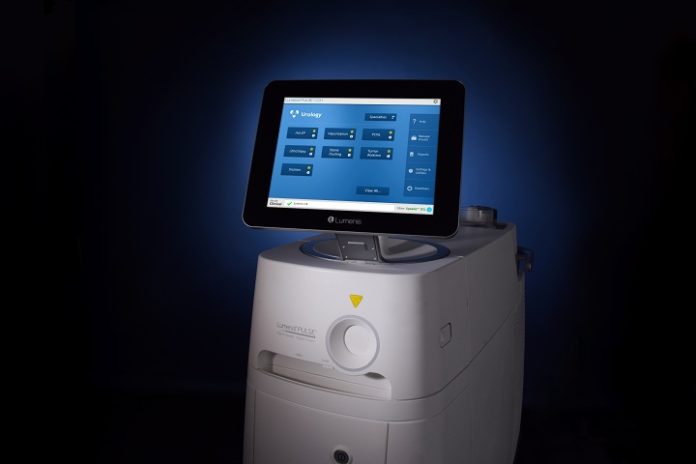
A recent advance in laser technology for HoLEP called MOSES 2.0 (Lumenis) has made the procedure even more efficient with faster enucleation and hemostasis.5 Less blood loss and shorter time to achieve hemostasis may translate to not only saving time in the operating room, but also causing less blood in the urine after surgery.5 In fact, research has shown that surgeons can perform โ€œM-HoLEPโ€ as an outpatient procedure, rather than an overnight stay, because there is less blood in the urineโ€”an exciting development that benefits both patients and busy hospitals.6

Until recently, there was little data to show the cost effects of this surgical approach and the ROI for this technology. We participated in two studies comparing the costs of HoLEP to M-HoLEP: one assessing ROI on the total cost of the laser,7 and the other examining the ROI of upgrading a laser to MOSES 2.0.8 Both found that M-HoLEP saved over $700 per case, with results that can be reproduced at other hospitals.

Significant Savings from 20% Less OR Time

To evaluate the cost-effectiveness of M-HoLEP from an operating room resource utilization standpoint, cases were selected for post-hoc cost analysis.7 A total of 60 patients with a prostate size โ‰ฅ80 grams were randomized to undergo M-HoLEP or standard HoLEP using the same technique and laser settings for energy and frequency.

The mean time for HoLEP surgery was 126 minutes, compared to 101 minutes for M-HoLEP. Researchers determined that aside from surgical technology, no other variables significantly affected operative time. In the high-volume center where the study was held, shorter operating time per case resulted in a significant cost benefit.

Based on a standard cost of $37 per minute of operating room time, saving 25 minutes means saving $925, but other costs and savings were calculated. The MOSES 2.0 laser fiber cost $535 versus $406 for the SlimLine 550 laser fiber (Boston Scientific). Capital costs for the lasers themselves were significantly different ($220,000 for the Lumenis P120H with MOSES 2.0 vs. $145,130 for the Lumenis VersaPulse PowerSuite 100W). In the end, the mean cost of a HoLEP case was $5,068, while M-HoLEP was $4,272; costs per case increased to $5,213.13 and $4,492, respectively, after amortizing the laser device costs over 1000 procedures.

Based on the mean savings of $796 per case, a hospital that purchases a Lumenis P120H with MOSES 2.0 will recover the cost after about 277 M-HoLEP procedures. Thus, a surgeon who typically does 80 cases per year would create a return on investment in about 3.5 years.

Major Difference: No Overnight Stay

In another study, researchers using the Lumenis Pulse 120H laser compared the 30-day costs of HoLEP to M-HoLEP to explore the cost justification of purchasing a MOSES 2.0 upgrade.8 This retrospective analysis looked at 312 cases (120 HoLEP and 192 M-HoLEP) performed by a single experienced surgeon in an 18-month period before the upgrade and about 2 years after.

Patients had a mean age of 70 and prostate size of 115 grams. Most were ASA III (severe systemic disease). About 33% of patients had urinary retention, and 27.2% had an indwelling catheter. The two groups were similar; variables that did exist in preoperative status were found to have no significant effect on operative time or outcomes.

HoLEP patients had an overnight stay, but almost all M-HoLEP patients were discharged the same dayโ€”an important economic difference as well as a welcome advantage for patients. All patients had the same transfusion and complication rates at 30 days. Unplanned clinic visits and readmissions were the same. M-HoLEP patients had more ED visits (6.3% vs. 1.7%, p=0.0571). However, researchers noted these visits occurred early in the process of implementing the outpatient model, and costs of M-HoLEP ED visits were $3,220 (p=0.123) less per patient compared to HoLEP because complaints were less serious and stays were shorter (0.361.34 vs 1.403.13 days, p=0.506).

M-HoLEPโ€™s outpatient model and shorter surgical time (74.1ยฑ35.0 vs. 80.8ยฑ45.4 min) resulted in a cost of $840 less per case than HoLEP, including equipment use and disposables. The difference in ED visits and readmissions brought the M-HoLEP savings to $747 per case at 30 days. The upgrade to MOSES 2.0 was about $55,000, which the facility recouped in 74 procedures.

Will M-HoLEP Savings Translate to Your Hospital?

Both of these studies took place at large hospitals where surgeons perform a high volume of prostate procedures. Costs are always recouped more quickly with higher volume, and lower-volume hospitals will need to consider these numbers in their own contexts.

When calculating the costs for your facility, you might note a difference in M-HoLEP and HoLEP procedure times in these two studies: 101 minutes vs 126 and 74 minutes vs. 81 minutes. The difference may be attributable to the overall prostate sizes treated in each study. Mean prostate size was larger in the randomized trial, compared to the retrospective review of all prostates treated. Because the savings are linked to following an M-HoLEP outpatient model, ask surgeons about their comfort with this model when evaluating a technology purchase. Holmium laser technology has also become the mainstay for endoscopic kidney stone treatment – another important consideration for ROI and physician satisfaction.

Reference:

  1. Berry, SJ, Coffey, DS, Walsh, PC, et al. The development of human benign prostatic hyperplasia with age. J Urol. 1984;132:474.
  2. Lerner LB, McVary, KT, Barry MJ et al: Management of lower urinary tract symptoms attributed to benign prostatic hyperplasia: AUA Guideline part I, initial work-up and medical management. J Urol. 2021; 206: 806
  3. Gilling PJ, Wilson LC, King CJ, Westenberg AM, Frampton CM, Fraundorfer MR. Long-term results of a randomized trial comparing holmium laser enucleation of the prostate and transurethral resection of the prostate: results at 7 years. BJU Int. 2012 Feb; 109(3):408-11.
  4. Gilling PJ, Aho TF, Frampton CM, King CJ, Fraundorfer MR. Holmium laser enucleation of the prostate: results at 6 years. Eur Urol. 2008 Apr; 53(4):744-9.
  5. Kavoussi NL, Nimmagadda N, Robles J, Forbes C, Wang A, Stone B, Miller NL. MOSESโ„ข technology for holmium laser enucleation of the prostate: A prospective double-blind randomized controlled trial. J Urol. 2021;206(1):104-8.
  6. Agarwal DK, Rivera ME, Nottingham CU, Large T, Krambeck AE. Catheter Removal on the Same Day of Holmium Laser Enucleation of the Prostate: Outcomes of a Pilot Study. Urology. 2020 Dec; 146: 225โ€“229.
  7. Nimmagadda N, Kavoussi N, Robles J, et al. HoLEP Performed with MOSES Technology Generates Cost Savings in the Operating Room. Journal of Urology. 2021 September; 206:3S.
  8. Lee MS, Assmus M, Agarwal G, Large T, Krambeck A. A Cost Comparison of Holmium Laser Enucleation of the Prostate with and without Moses. Urology Practice. November 1, 2021.

Author: Naren Nimmagadda, MD

Author Img

Naren Nimmagadda, MD, was a previous Endourology fellow under Dr. Nicole Miller and is currently an Instructor in the Department of Urology, Vanderbilt University Medical Center, Nashville. Disclosures: EndoTheia, Virtuoso Surgical.

Translate ยป