










Close
Digital Health & Ai Innovation summit 2026
Medical Taiwan 2026

Global Healthcare Exchange (GHX) Unveils Five Predictions for Healthcare Supply Chain in 2021

Global Healthcare Exchange (GHX) unveiled its top five predictions for the healthcare supply chain during 2021. While COVID-19 highlighted fissures in the global healthcare supply chain, it also underscored the importance of the supply chain in driving healthcareโ€™s digital transformation. As healthcare forges a path to financial recovery and improved patient care delivered at lower cost, expect to see a focus on building more resilient supply chains through greater levels of collaboration among stakeholders and the adoption of cloud-based technologies.

GHX 2021 Predictions:

1. The move to value-based care will accelerate, breaking down silos in the organization and the technology infrastructure.
There will be a shift to cross-functional teams that align with a patientโ€™s entire care episode, resulting in a better understanding of product utilization and the total cost of care. To gain the necessary insights, these cohesive teams will require more modern technologies and better systems integration. For example, the move to cloud ERP will make it easier to identify, locate, procure and bill items that align with specific patient needs. Success, however, will rely on core supply chain data that is clean, current, accurate and easily managed. In addition, providers and suppliers will find ways to better share data to create greater visibility around inventory and demand.

2. The era of post-modern ERP will dawn in healthcare, marked by widespread adoption of cloud solutions and enterprise modernization.
In 2021, the big winners will be the organizations that move to a cloud-based ERP and invest in enterprise modernization to ensure the integrity of their data. Health networks need the ability to adapt to trends, including telehealth, managing remote clinicians and extending the supply chain to the patientโ€™s home. Organizations that make the move to cloud ERP and modernization will improve processes and make better-informed decisions based on accurate and current data-driven insights.

3. Hospitals with stronger balance sheets will drive more market consolidation.
Look for more M&A activity in the areas of non-acute care and home health. According to data from HealthCareMandA.com and Deal Search Online, deal volume in the home health and hospice sector accelerated in the third quarter of 2020, with M&A activity increasing 10% compared with the same quarter in 2019. Consolidation will be driven by larger IDNs and health systems that are in stronger financial positions and have focused on transitioning to value-based care.

4. The industryโ€™s focus on supply chain resiliency will transform healthcare into a โ€œteam sport.โ€
The COVID-19 pandemic highlighted the power of collaboration in solving complex problems. During the year ahead, expect to see more collaboration, including the formation of regional collaboratives, greater investment in data management and forecasting initiatives by suppliers and providers, reliance on more clinical evidence to drive purchasing decisions, heightened transparency between providers and suppliers (even contractually obligated transparency) and exploration of stockpile strategies that share cost, rotate to avoid expirations and create supply buffers to avoid future shortages.

5. Data standards will be more broadly adopted to support immediate pandemic and future emergency response needs.
COVID-19 raised awareness of the importance of standardization, whether identifying products and locations or reporting potential and actual supply continuity risks. In 2021, expect greater adoption of data standards, which will help the healthcare ecosystem increase efficiency, lower costs and improve patient safety.

โ€œCOVID-19 has presented an opportunity for the healthcare industry to transform itself,โ€ said Chris Luoma, senior vice president, Global Product Management, GHX. โ€œBest practice gathering and lessons learned during the past eight months is leading to greater investment in technologies, partnerships and processes that will facilitate a balance between resiliency, financial health and agility in the next year and beyond.โ€

About GHX
Building on decades of collaboration between providers, manufacturers, distributors and other industry stakeholders, Global Healthcare Exchange, LLC (GHX) is leading the charge in helping organizations run the new business of healthcare. By automating key business processes and translating evidence-based analytics and data into meaningful action, GHX is helping the healthcare ecosystem to move faster, operate more intelligently and achieve greater outcomes. With the support of GHX, healthcare organizations have removed billions of dollars of wasteful healthcare spend. For more information on GHXโ€™s suite of world-class, cloud-based supply chain and pharmacy solutions, visit http://www.ghx.com and The Healthcare Hub. GHX has also launched a COVID-19 Information Center that provides a wealth of free resources and access to data and information needed to help serve patients and protect staff during the pandemic.

Hospitals should become smarter for innovative digital healthcare

Digital Health

Korea needs a sea change in medical institutions’ roles and the medical delivery system to nurture โ€œsmart hospitals,โ€ an expert said. As the โ€œconnectionโ€ is important among medical institutions and between them and patients, individual hospitals should not lag technologically and seek growth together with related industries, she also said.

The government should provide differential support for large, medium-sized, and small hospitals so that all domestic hospitals can become innovative, said Lee Ji-sun, leader of the future healthcare team at the Korea Health Industry Development Institute (KHIDI), at a conference on Tuesday.

Lee made several proposals to nurture smart hospitals for the innovation of healthcare service in the digital era at the โ€œSmart Hospitals, Before and After Covid-19โ€ conference, organized by The Korean Doctorsโ€™ Weekly, a sister paper of Korea Biomedica Review, and sponsored by Philips Korea.

Lee defined a smart hospital as โ€œa hospital that improves patient experience to provide better treatment.โ€ A smart hospital maximizes patient experience, minimizes or improves errors affecting clinical care, expand the base of digitized information and technology, connect technologies, allows real-time conversations, and removes barriers between hospitals, she said.

Lee noted that local regulations hampered hospitals from introducing a smart system even if the system has already been verified financially and by patients and medical staff. It is also a problem that medical institutions have failed to reach a consensus that they have to become smart.

Nurturing smart hospitals will not only help hospitals but boost the growth of related industries, Lee emphasized. Although 87 percent of the smart hospital solution developers are small-sized with a number of regular employees under 50, they include strong companies that post over 3 billion won ($2.7 million) annual sales with exceptional technologies, according to Lee.

With the government support and a better system, such companies can become the worldโ€™s leading businesses, she said. โ€œOne of the purposes of developing smart hospitals is to vitalize the domestic market, which is small but with core competitiveness,โ€ Lee said.

However, local medical institutions lack collaboration, demonstration opportunities, organizations, and experts to become smart hospitals, she added. She also released a KHDIDโ€™s report on why it isn’t easy to introduce smart hospitals in Korea.

In outpatient services, hospital systems are too complicated for patients and guardians to register, pay bills, and find directions, Lee said. Each hospital has a different outpatient consult service. It is also difficult to check the treatment history at other hospitals. Patients have to wait for too long for examinations and a doctorโ€™s consult. These things prevented hospitals from becoming smart, she said.

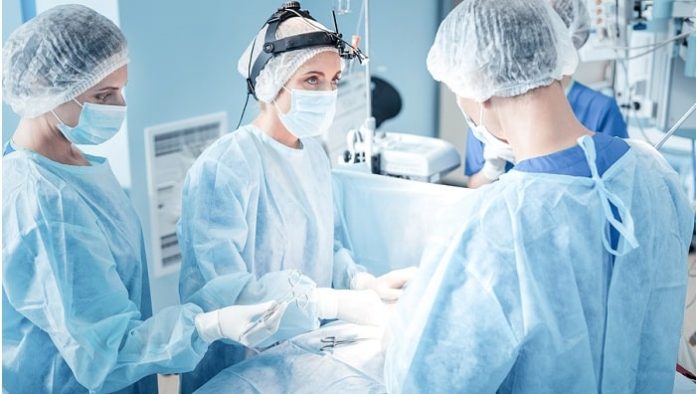
In the operating room, hospitals do not provide good consult, education, and explanations. Some make errors in checking the patient and surgical site. Medical workers directly transfer pathological specimens during and after surgery, and the distance between the operating room and pathology department is too long, she noted.

In the wards, barriers to smart hospitals included changes of time in rounds, the difficulty of additional consult when the patient or the guardian is not around, time-consuming writing of medical and nursing records, and drug preparation errors, she added.

To address these issues, hospitals should streamline the mixed-up functions of serious illness care, chronic disease management, and specialized disease treatment, Lee said.

โ€œThey need an approach of providing efficient healthcare services,โ€ Lee said. โ€œIn smart hospitals, efficiency is the key. The diverse hospital functions should be distinguished, which will be a long-term task for nurturing smart hospitals.โ€

Considering current circumstances, she suggested several proposals. They include starting with innovation from within, giving priority support for patient convenience improvement, forming a consensus for the governmentโ€™s investment, inducing a national healthcare service innovation, seeking growth with companies to advance the entire healthcare industry, and re-establishing the specific features of future-oriented hospitals and their functions.

โ€œSmall hospitals are short of everything, including manpower, ideas, and budget. The government should give differentiated support for hospitals depending on their sizes,โ€ Lee said. Some hospitals could face resistance if they abruptly announce plans to introduce artificial intelligence, she warned. โ€œThe supplier in the field should exactly know how far a hospital has come and given the support,โ€ she added.

Explorer Surgical launches advanced video for remote surgery

ExplORer Surgical, a Chicago-based startup that’s developed an interactive platform for surgeons, has launched a new suite of advanced audio and video capabilities to make remote support easier in the operating room (OR).

The new video conferencing function uses augmented reality technology and supports telestration, allowing users to draw markers on the video image. Users can zoom in and out of areas and objects, and share their screen. This means that while one person may use a laser pointer to highlight a key instrument, someone else can highlight that item remotely on the screen. They can also save a picture of the telestration to ExplORer’s server.

The video tool has been launched in response to the restrictions created by the Covid-19 pandemic, to assist with surgical training while social distancing rules remain in place. It works alongside ExplORer’s existing workflow application, which creates a playbook of best practices specific to the procedure and each member of the surgical team. This allows critical information to be accessible throughout the surgery.

ExplORer Surgical will be releasing an advanced analytics function shortly, which will use data from its video and workflow platforms to apply AI to its dataset. The platform already collects data and insights on actions occurring during procedures to highlight areas for improvement; the aim is for it to use predictive analytics and computer vision to passively collect additional data.

Our entire platform is built on OR efficiency research from the University of Chicago, and we continue to identify the best ways to bring exciting technologies into surgical workflows that make sense and donโ€™t further complicate the OR or procedural suites” said Jennifer Fried, CEO of ExplORer Surgical.

“In a rapidly changing world and in high-stakes environments like the OR, we are dedicated to finding the best methods to bring innovation to the surgical and procedural teams.”

London hospital uses new AI tool for cancer detection

London hospital uses new AI tool for cancer detection

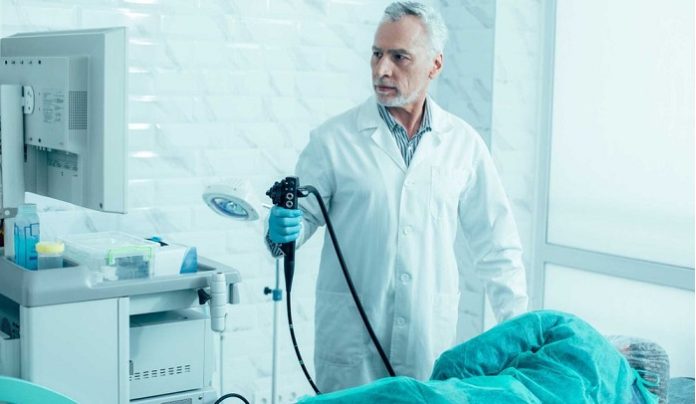
Artificial intelligence is helping clinicians enhance the quality of colonoscopies at a London hospital. The London Clinic has become the UK’s first hospital to use GI Geniusโ„ข, a system that uses AI to detect colorectal polyps. The device acts as a second observer during colonoscopies, helping to assist doctors by identifying lesions and small abnormalities that could be a sign of cancer.

It works by analysing the video stream during the colonoscopy, using advanced AI to highlight the presence of pre-cancerous lesions with a visual marker in real-time. Its creators, medical device company Medtronic, hope it will improve diagnosis and therefore outcomes for patients with colorectal cancer.

Dr Rehan Haidry, Consultant Gastroenterologist at The London Clinic, said: โ€œWe are thrilled to introduce the GI Geniusโ„ข system at The London Clinic. The system represents an important advancement in technology and is a crucial step in the fight against colorectal cancer, supporting both patients and doctors.

โ€œThe technology is incredibly powerful and is proven to be extremely precise in identifying lesions in the colonic mucosa that can be difficult to detect. Some polyps can be very small, and during colonoscopy procedures you are examining the colon, which is five feet long, so itโ€™s vital to be as thorough and diligent as possible.

โ€œHaving a second set of eyes that can pick up the smallest change in real-time means we can focus our attention on the right places, which can be life-saving for patients.โ€ According to the WHO, colorectal cancer is the third most common type worldwide and the second cause of cancer deaths with 862,000 each year. However if detected and treated early it has a high cure rate. GI Geniusโ„ข has been approved for sale in Europe and has started clinical trials for US registration.

JetBlue, Virgin Atlantic set to roll out COVID-19 ‘health pass’ app in December

JetBlue, Virgin Atlantic set to roll out COVID-19 'health pass' app in December

Following a successful test with United Airlines in October, four more major airlines plan to start offering passengers a digital health pass to certify they are COVID-19-free.

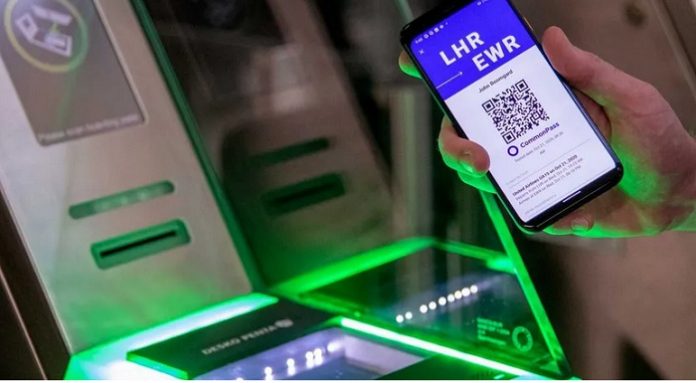
JetBlue, Lufthansa, Swiss International Airlines, United Airlines, and Virgin Atlantic will begin the roll-out of CommonPass mobile app in December to help bring back global travel. The health pass app will be used on select flights departing from New York, Boston, London, and Hong Kong.

The CommonPass mobile app, created by the Commons Project Foundation and the World Economic Forum, was developed to enable travelers to share their COVID-19 test status across borders using a trusted framework for the first time.
The Commons Project Foundation announced Tuesday the Airport Council International (ACI) World, representing nearly 2,000 airports globally and five leading global airlines have joined the CommonTrust Network.

At present, COVID-19 test results for travel are frequently shared on pieces of paperโ€”or photos of the paperโ€”from unknown labs, often written in languages foreign to those inspecting them. The lack of a standard test result format and certification system leave room for confusion and falsification of results.

The purpose of CommonPass and the CommonPass framework is to enable safer airline and cross-border travel by giving both travelers and governments confidence in each traveler’s verified COVID-19 status, according to Commons Project Foundation officials.

“As the world works to overcome the pandemic, all countries face the challenge of how to reopen borders for travel and commerce while protecting their populationsโ€™ health,โ€ ACI World Director General Luis Felipe de Oliveira said in a statement. โ€œKey to this will be a globally harmonized approach underpinned by cooperation and consistency between all players in the aviation industry.โ€

โ€œThe CommonTrust Network and CommonPass will help to foster this consistent approach, especially as it will include more than just the aviation industry,โ€ said de Oliveira.

United Airlines tested the digital health pass on a flight from London to Newark, New Jersey in October. It was the first transatlantic trial of CommonPass, following a successful earlier trial with Cathay Pacific Airways between Hong Kong and Singapore earlier this month, according to the organizations.

“We are excited to be one of the first airlines in the world to partner with CommonPass to provide another layer of safety to air travel in the United States and around the world. Reliable testing, combined with digital health passes, is another way to restore customer confidence and safely restore air travel,” said Joanna Geraghty, president, and chief operating officer at JetBlue.

Three airline alliancesโ€”oneworld, SkyTeam, and Star Allianceโ€”called for a globally harmonized approach for validation and authentication of testing and vaccination, highlighting CommonPass.

“The recent digital โ€˜health passโ€™ trials, such as CommonPass, are presenting a strong case for using digital technology to deliver harmonized standards in the validation and verification of accredited passenger health data,” according to a statement from airline alliances, whose 58 member airlines represent over 60% of world airline capacity.

The International Air Transport Association (IATA) also announced this week it is in the final development phase of the IATA Travel Pass, a digital health pass that will support the safe reopening of borders.

The IATA said the travel pass would come to market in several months and will feature a global registry of health requirements, a global registry of testing and vaccination centers, a lab app to share test results, and a contactless travel app that creates a digital passport for travelers.

Smart wearable thermometer launches to improve diagnosis

Smart wearable thermometer launches to improve diagnosis

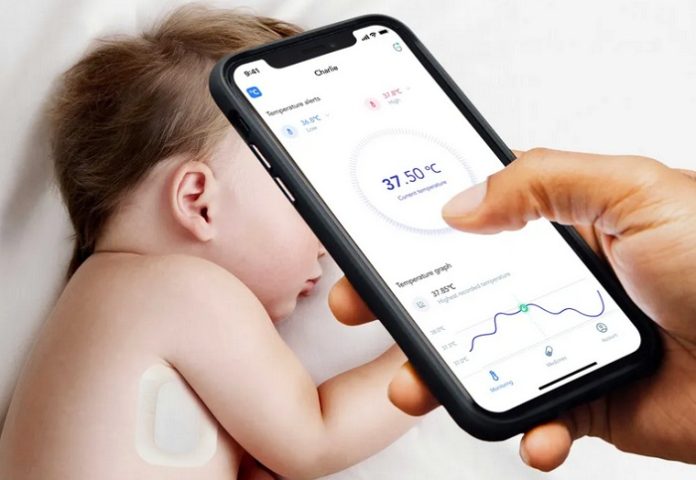
A new smart thermometer that claims to be more accurate than other temperature monitors has been released for sale. Celsium has a sensor that attaches under the armpit, taking temperature readings every four seconds. It connects to an app via Bluetooth, and as soon as a temperature change happens the wearer is alerted immediately.

Its creators claim it is up to 10x more reliable than most thermometers because it measures body temperature rather than skin temperature, with an accuracy of +/- 0.2oC (core temp), compared to +/- 1.5 oC – 2.0 oC for most devices on the market.

The thermometer comes with a battery and disposable adhesive patches that attach to the skin. Celsium’s app works on both Apple and Android devices, and online support is available.

The thermometer took eight years to develop, but its release comes at a time when temperature checks are being used by businesses and airports around the world to determine whether people have Covid-19.

Behind Celsium is Andy Mahoney, founder and CEO, who set out to develop a smart thermometer after experiencing problems with available products when trying to conceive his first child. He realised it was hard to measure temperature at all hours of the night and day, and was also clumsy and often not accurate. He drew on his 15 yearsโ€™ experience in healthcare technology to develop the temperature monitoring platform.

“I believe body temperature is massively under-utilised largely due to the poor products we have to work with” he explained. “Temperature is central to the way our bodies function, itโ€™s such an important signal. With the right solution, I firmly believe temperature will facilitate earlier and more accurate diagnosis in the future.

“The potential for temperature to provide early insight to illness and disease is huge. Until now we havenโ€™t had the technology to investigate this. Celsium will unlock this โ€˜hidden scienceโ€™ in so doing creating what we believe will be never before seen early warning signals to health problems developing.โ€

GE Healthcare Announces U.S. FDA approval of macrocyclic MRI Contrast Agent Clariscan in Pre-Filled Syringes

GE Healthcare

GE Healthcare has received U.S. FDA approval of its macrocyclic gadolinium-based MRI contrast agent, Clariscan (gadoterate meglumine), in pre-filled syringes. Pre-filled with 10, 15 and 20mL of contrast agent, Clariscanโ€™s ready-assembled, clear plastic syringes save time and reduce the risk of injury from broken glass, while the color-coded volume labels allow for easy identification of the required patient-specific volume. Its 2D data matrix contains scannable key information to be uploaded onto electronic medical systems, reducing the risk of manual data entry errors and helping to further increase workflow efficiency at medical centers.

Already available in glass vials and plastic polymer bottles, the approval of Clariscan in crystal clear polymer pre-filled syringes adds to the range of packaging solutions available to meet departmental needs and follows the recent FDA approval of Clariscanโ€™s +PLUSPAK Pharmacy Bulk Package. This patented, pharmaceutical grade polypropylene bottle is the only FDA-approved polymer bottle for an MRI contrast agent.

With injuries from glass bottles making up an estimated 16 percent of sharps injuries in healthcare settings, Clariscanโ€™s +PLUSPAK – and now plastic pre-filled syringes โ€“ both have the potential to improve workflow efficiencies while helping to reduce the associated risk of sharps injuries. With the approach of the Radiological Society of North America (RSNA) 2020 Annual Meeting from November 29-December 5, GE Healthcare will focus on the theme of driving greater efficiency, an imperative to addressing the challenges of many health systems around the globe, especially in the context of the global COVID-19 pandemic.

Clariscan โ€“ now approved in over 70 countries globally โ€“ is indicated for intravenous use with magnetic resonance imaging (MRI) in brain (intracranial), spine and associated tissues in adult and pediatric patients (including term neonates) to detect and visualize areas with disruption of the blood brain barrier (BBB) and/or abnormal vascularity. Please see Clariscan Important Safety Information, including Boxed Warning, below.

โ€œThe addition of pre-filled syringes expands the Clariscan portfolio to address a wider range of departmental requirementsโ€ said Dr Mark Hibberd, Chief Medical Officer for GE Healthcareโ€™s Pharmaceutical Diagnostics unit. โ€œThe potential timesaving and efficiency advantages further enhance operational workflow improvements for radiology departmentsโ€.

GE Healthcareโ€™s Pharmaceutical Diagnostics unit develops and supplies imaging agents used to support around 100 million procedures per year globally, equivalent to three patients every second. Clariscan, approved by U.S. FDA in November 2019, is the latest in a growing range of imaging agents available in the U.S. which are used across MRI, X-ray/CT and ultrasound to enhance the image and support diagnosis.

Clariscan is manufactured in Norway using a proprietary manufacturing process. As with all GE Healthcare contrast media products, all stages of manufacturing, from development of the active pharmaceutical ingredient (API) to finished product, are managed entirely by GE. Clariscan is available in single dose vials of 10, 15 and 20 mL; 100 mL Pharmacy Bulk Package in +PLUSPAK polymer bottles; and now 10, 15 and 20mL clear plastic pre-filled syringes.

About GE Healthcare:

GE Healthcare is the $16.7 billion healthcare business of GE. As a leading global medical technology and digital solutions innovator, GE Healthcare enables clinicians to make faster, more informed decisions through intelligent devices, data analytics, applications and services, supported by its Edison intelligence platform. With over 100 years of healthcare industry experience and around 50,000 employees globally, the company operates at the center of an ecosystem working toward precision health, digitizing healthcare, helping to drive productivity and improve outcomes for patients, providers, health systems and researchers around the world.

SNUH’s robot-friendly policy satisfies patients, staff

SNUH's robot-friendly policy satisfies patients, staff

An employee at the Seoul National University Hospitalโ€™s Specimen Room used to be busy running around the hospital to deliver samples until early last year. It was always challenging for him to carry the specimen in the hospital corridors full of patients, guardians, and medical staff.

However, the introduction of autonomous delivery robots in April, along with the opening of the Daehan Outpatient Care Center, made specimen delivery easier.

Professor Kwon Hyuk-tae at the SNUHโ€™s Process Innovation Team introduced the hospitalโ€™s examples of innovation to become a smart hospital at the โ€œSmart Hospitals, Before and After Covid-19โ€ conference on Tuesday.

SNUH started operating autonomous delivery robots in April, immediately after the Daehan Center opened.

The robots carry specimens between the Daehan Center and the blood collection room. They will also transfer drugs requested from the patient wards in the near future.

โ€œWeโ€™re using robots to do simple work such as specimen delivery. The robots have drawers. Placing a specimen in it and pushing a button will make the robot reach the destination,โ€ Kwon explained.

If medical staff request a certain drug, a pharmacist has to send the medicine through a complicated moving route, he said. โ€œPeople used to deliver the medicines to the ward, but now robots can do so on a programmed route.โ€

The hospital had one problem when using robots for delivery โ€“ the slopes within the hospital and the vertical movements between different floors.

โ€œThe slope was the problem when expanding the robot delivery. For people, the slope was nothing. But the vertically-long robots could fall even in the slightest hint of a slope,โ€ Kwon said.

Robots carrying drugs have to move between floors, and to do so, they should be able to take the elevator autonomously, he went on to say. To address this issue, the hospital smoothened the slope and made robots call the elevator, take it when the door opens, and had the button pressed automatically, Kwon explained.

He shared several advantages of autonomous delivery robots. He said robots could prevent musculoskeletal disorders of employees because humans can avoid simple and repetitive work. Robots can also minimize contact between patients and hospital staff during the delivery of specimens, drugs, and other items in the contactless era.

Also, robots help the hospital accumulate experience in running a smart hospital and innovations, and they can be a role model for other hospitals to introduce innovative technologies, Kwon said.

He also introduced the SNUHโ€™s โ€œSmart Patient Roomโ€ that opened on Oct. 30.

In the smart patient room, an individual patient bed has a smart monitor with various functions. The room also has digital signage at the entrance and a nurse room dashboard.

Using the smart monitor, the patient can check hospitalization schedule, customized health information, schedules for and results of examination, surgery, and education. A screen touch will request a saline replacement, pain relievers, toilet assistance, and various applications for documents.

The smart monitor reduced work for medical staff, too, because they do not have to explain hospitalization and discharge. In rounds, doctors can explain the exam results in front of the patientโ€™s bed, referencing the monitor’s data. Such services upgraded the quality of patient care by one notch, Kwon said.

The computerization of reservations for non-scheduled tests, pushed by the Process Innovation Team since September 2018, has also helped SNUH smarter, he went on to say.

In the past, 45 percent of the laboratory exams on outpatients and 80 percent of all the tests were non-scheduled. Kwon said the hospital had to cancel many tests, received many complaints, and could not manage resources very well.

โ€œNurses had to write down on papers for non-scheduled tests. If patients lost them, they didnโ€™t know what tests they had to get and where they had to go. That was the real situation at the SNUH,โ€ he said.

To build a mobile application, it was essential to computerize non-scheduled tests. So, the SNUH formed a task force to improve the reservation process and implemented the โ€œIntegrated Reservation System.โ€

The hospital then developed a mobile app that included reservation and arrival confirmation, examination guidance, directions in the hospital, examination results, payment, explained prescriptions, and blood pressure and blood sugar records.

Why Proper Care Is Vital for Wound Recovery

Why Proper Care Is Vital for Wound Recovery

Wounds are among the most common external injuries a person experiences to a point where people wonโ€™t mind them unless theyโ€™re severe or from a painful condition. You can get wounded from almost anything like falls, cuts, stubbed, surgery, ulcers, etc. However, proper care must be taken for its recovery regardless of its nature. In fact, the importance of wound recovery has been around for a long time since the early civilizations. Because of the lack of medicine, people take wounds seriously, and since then, great strides in recovery have been made.

To realize how proper care for wounds plays a vital role in recovery, let us examine injuries in particular and its nature:

What is A Wound?

We all had wounds and will continue to have them at some point in our lives, but what is it? By definition, it is a breakdown in the skinโ€™s protective function; it is the loss of epithelium continuity with or without the loss of underlying connective tissue due to an injury to the skin or underlying tissues/organs caused by external or disease. The interference to its recovery is multifactorial such as an older person suffering a trauma can have other health conditions that affect its recovery.

Or an ulcer that drains large amounts of chronic wound drainage makes the surrounding skin irritated or sensitive. A clinician in charge of wound care needs to consider allย  possible factors influencing healing, the adverse effects of medications, and others. They must be able to assess the condition and other prevailing factors to develop appropriate management for its symptoms and, if viable, recovery.

Classifying Wounds

Alluding to the importance of a health professionalโ€™s knowledge of the wound for proper care, classifying the wound is important to the subsequent actions to be taken. Classification is done by several methods: their etiology, location, symptoms, depth, tissue loss, or clinical appearance. There are separate categories for grading ulcers, burns, diabetic foot ulcers, and general wounds. The latter can be classified as:

โ—ย ย ย ย  Superficial

It is the loss of the epidermis only.

โ—ย ย ย ย  Partial thickness

Damages to the epidermis and dermis

โ—ย ย ย ย  Full thickness

Damages to the dermis, subcutaneous fat, and sometimes bone.

The most common type of classification is by identifying the predominant tissue types at the wound bed, black necrotic, and their respective proportion. The procedure is primarily visual, and a trained professional must be able to assess and reassess to support a good plan for management and recovery.

Phases of Recovery

The woundโ€™s healing is a dynamic process regardless of whether it was the primary intention, subjected to a delayed closure, or left to heal by itself. It is divided into three major phases. Also, the process is not linear, and often it progresses and regresses through each phase depending on the external and intrinsic factors that influence it.

1.ย ย  Inflammatory Phase

This is the bodyโ€™s natural response to the wound. At this stage, the blood vessels contract, and a clot is formed. Once homeostasis is achieved, essential cells, antibodies, growth factors, enzymes, white blood cells, and nutrients start to flow as the blood vessels dilate. Proper care must be observed at the surrounding skin, monitoring for signs of maceration. At this stage, signs of inflammation can be observed along with erythema, ย heat, edema,ย  pain, and functional disruption.

2.ย ย  Proliferation Phase

During this stage, the wound is rebuilt with new granulation tissue composed of collagen and extracellular matrix. With the right care, proper granulation can be achieved, which can be described as uneven in texture, resistant to bleeding and is pink or red in color. The color is indicative of the condition as dark granulation is a sign of poor perfusion.

3.ย ย  Maturation Phase

This is the final phase wherein the wound is closed. It involves remodeling of the collagen from Type III to Type I. There is less cellular activity, and the surrounding blood vessels decrease.

4.ย  Minimizing Infection

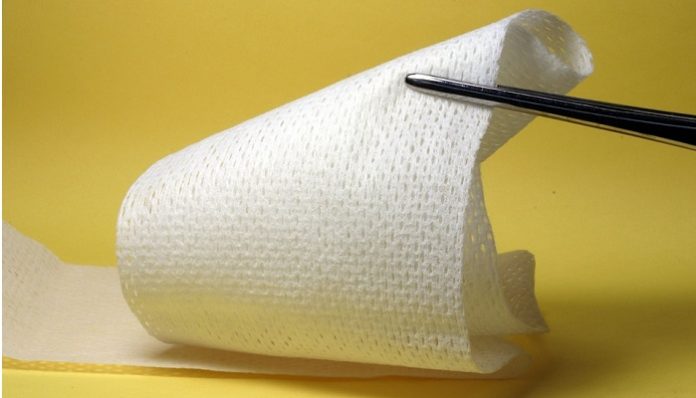
Since the skin protects the entire body from foreign bodies infecting our more vulnerable organs, clinicians must be able to minimize the chances of infection. This is primarily important to big gaping wounds and chronic wounds wherein the skin is broken extensively, exposing the body to several complications. The health professional must be able to reduce the chances of infection by changing the dressings, examining the progress (mentioned above), and other observations about the current status of the wound. Generally, the wound must be cleaned and sanitized once a day, and dressings are changed.

Wound recovery is a complex process and is heavily influenced by the environment and the patientโ€™s health condition. The right professional with adequate knowledge in the physiology of wound care is vital in caring for the wound at its different stages, with different classifications, and looking for underlying causes for chronic wounds.

Little-Known Benefits to Improve the Lives of Disabled Veterans

Sacrificing oneโ€™s life in the service of their country is not something that goes unnoticed or unappreciated. Nowadays, the government does its best to provide many exclusive benefits to those who put their quality of life in harmโ€™s way to protect and serve their homeland. Here is what we know so you and your loved ones can get as big a picture as possible of what youโ€™re entitled to. Itโ€™s time you make the most out of those benefits and programs.

1.  Specially Adapted Housing Grants

One extremely valuable benefit available for disabled veterans is the specially adapted housing grant. It is a sum of money to be used in changing your current place of residence to fit your needs, or in building or buying a new house. As long as you own the house or are in the process of owning it by paying a mortgage, and you have a service-connected disability, you can qualify for the grant. The maximum allotted amount is a little under $101,000, according to the U.S. Department of Veteranโ€™s Affairs, and if your costs are less than the whole sum, you donโ€™t have to worry about losing the rest of the grant. The remainder can be used several times across your lifetime.

2.  Disability Benefits

Disability benefits are tax-free, monthly dispensed money sums for disabled veterans with physical and even mental conditions resulting from their time in service. The amount differs based on the extent of the disability, but because some conditions worsen over time, the starting amount can quickly grow insufficient. The information from PTSDLawyers.com explains that legally any veteran has the right to request an increase whenever there is a change in their medical condition. In other words, the benefit is not fixed. You can get higher benefits over time, even if you had a prior condition that got worsened by your time in the army.

3.  Student Loan Forgiveness

This benefit removes any outstanding student loans for those who suffer from total and permanent disabilities. According to the law, a totally and permanently disabled person is someone who is unable to work. If theyโ€™re eligible, a disabled veteranโ€™s federal student debts are completely forgiven. Keep in mind that this applies to specific types of loans: Perkins, the TEACH Grant, direct federal loans, and Federal Family Education loans. Upon the discharge of the loans, you are put in a three-year monitoring period during which, if you are no longer disabled, you will have to pay the loans or complete the TEACH requirements.

4.  Property Tax Exemption

One important thing to know is that the exemption laws and specifics differ according to the state in which you are currently living, and they are also subject to change. Although, depending on your disability, you will most likely be able to get a hefty tax break. If you live in Hawaii and are totally disabled, you can get a full property tax exemption on your main residence. Meanwhile, in Idaho, you can get a tax break based on your income and a minimum VA disability rating of 10%. Our advice for you, especially with tax-related benefits, is to do your research and to make sure that you fully understand your stateโ€™s tax laws before you start making any decisions.

5.  Veteransโ€™ Preference in Appointments

When it comes to government employment, U.S. law dictates that veterans who have served during certain times are entitled to a preference during the hiring process. In other words, among many possible candidates for a government job, veterans are a priority in the hiring process. While an employer is not required by law to hire a specific individual, the law guarantees that veterans get a significant upper hand during the hiring process. An essential requirement for this benefit is for the veteran to have been discharged an honorable discharge or a general discharge.

Now that you are aware of some of the benefits awarded to disabled veterans, we urge you to seek out the benefits that youโ€™re eligible for and the ones that match your needs. Donโ€™t let the chance of getting rejected deter you from going through the application process, and donโ€™t hesitate to ask for increased benefits if you believe itโ€™s within your rights. But as weโ€™ve mentioned before, before you apply for a certain benefit or exemption, make sure you are fully aware of the terms, conditions, and eligibility stipulations. If you must consult a professional, many are always more than happy to help, but no matter what, make sure you understand the benefits you are receiving.

Translate ยป