Close
Digital Health & Ai Innovation summit 2026
Medical Taiwan 2026

Steps You Should Take In Case You Got Hurt In A Bicycle Accident

Steps You Should Take In Case You Got Hurt In A Bicycle Accident

If you’ve ever been in a bicycle accident, you know that it can be a traumatic experience. The good news is that there are steps you can take to protect yourself both physically and legally after an accident. Here are the steps you should take if you get hurt in a bicycle accident.

1. Seek Legal Counsel

The first thing you should do after a bicycle accident is to seek legal counsel. An experienced personal injury attorney will be able to help you understand your legal rights and options, as well as help you navigate the insurance claims process. An attorney can also help you recover damages for your injuries, including medical expenses, lost wages, and pain and suffering. Consulting with the MKHLawyers could be a great first step in this process. For example, if the driver who hit you was uninsured or underinsured, an attorney can help you file a claim against your own insurance company.

2. Get Medical Treatment

If you were injured in the accident, it is important to get medical treatment as soon as possible. Even if your injuries seem minor, it is still a good idea to be examined by a doctor or other medical professional. In some cases, injuries may not be immediately apparent but could become more serious over time. Getting prompt medical treatment will also help document the extent of your injuries for insurance purposes. For example, if you have to miss work or incur other financial losses due to your injuries, you will need documentation to support your claim.

3. File an Insurance Claim

Once you have sought medical treatment and legal counsel, you will need to file an insurance claim. If the driver who hit you was at fault, their insurance company should cover the cost of your damages. If the driver was uninsured or underinsured, you may need to file a claim with your own insurance company.

In either case, it is important to cooperate with the insurance adjuster and provide them with all the information they need to process your claim. Also, be sure to keep track of all the documents and paperwork related to your claim, as this will be helpful if you need to take legal action and file a personal injury claim.

4. Keep a Record of Your Injuries

It is also important to keep a record of your injuries both for insurance purposes and in case you need to take legal action. Be sure to keep track of all medical appointments, treatments, and expenses related to your injuries. It can also be helpful to keep a journal of your pain and suffering, as this can be used as evidence in court.

If you are unable to work or participate in activities you enjoy due to your injuries, be sure to document this as well. Also, be sure to take photographs of any visible injuries, such as bruises, cuts, or scrapes.

5. Physical Therapy

While it might be painful, getting regular physical therapy can help you heal from your injuries and improve your overall health. Not only will this help your body recover from the accident, but it can also help reduce your pain and suffering. Physical therapy can also help improve your mobility, which can be especially helpful if you were injured in a cycling accident.

Additionally, regular physical therapy can help prevent your injuries from becoming worse over time. So, make sure to keep up with your appointments and follow your therapist’s recommendations.

6. Take Some Time for Yourself

After a bicycle accident, it is important to give yourself some time to recover both physically and emotionally. This can be a difficult and stressful time, so be sure to take care of yourself. Get plenty of rest, eat healthily, and avoid alcohol. You should also avoid making any major decisions, such as resigning from your job, until you have fully recovered.

Additionally, try to spend time with friends and family, as they can provide support and help you through this difficult time. For example, if you have children, they can help take care of you while you recover.

Getting into an accident is always a scary experience, but it’s important to stay calm and take the necessary steps to protect your rights. If you were injured in a bicycle accident, be sure to get medical treatment, file an insurance claim, keep a record of your injuries, and take some time for yourself. By following these steps, you can help ensure that you receive the compensation you deserve.

Everything You Need to Know About Health Insurance

Everything You Need to Know About Health Insurance

Like everything these days, the cost of medical care is high and, for some people, unaffordable. Many folks, especially those who are still young, are reluctant to buy health insurance becasue they want to keep their monthly bills down. While they know it is important to have and understand the its value, they put off taking out a policy till they are older.

Why You Need Health Insurance

Not having health insurance can be a recipe for disaster. The government does not provide any healthcare benefits, and there is no universal healthcare. So if you need any medical services, you’ll need to fund it yourself.

While young people may be healthy and less likely to fall ill, accidents and injuries can happen at any time, and a trip to the hospital, medication, and medical tests can deplete your savings and derail your financial goals.

Having health insurance can prevent you from getting sick by providing access to vaccines. Your policy may also include screenings and check-ups so that you can detect symptoms of diseases and illnesses early. This allows you to treat the condition early and prevent it from spreading and becoming more severe.

Cost of Health Insurance

The cost of health insurance premiums varies greatly, depending on several factors. Many employers sponsor the health insurance of their employees. Some companies may cover 100% of their employees’ premiums, while others offer partial cover. For example, the company will contribute 80%, and the employee will have to pay 20%. Others may offer a 50-50 split between the company and employees.

However, according to the Affordable Care Act, two things that do not influence the premium prices are the policyholder’s gender and any pre-existing medical conditions they may have.

Everything You Need to Know About Health Insurance

The factors that do influence your premiums include:

● Age

The older you are, your more expensive your health insurance premiums. This is because you’re more likely to develop diseases as you get older.

● Where you live

The state and federal laws differ, and each has different laws regarding how much premiums should be and what they must cover.

● Income level

In some cases, health insurance is subsidized for low-wage workers, but the premiums may be higher if they are insured through their employer.

● Company size

The premiums might be lower if you’re employed at a big company. This is because companies that sponsor their employee’s health insurance may qualify for a reduced rate based on how many employees they need to cover.

● Community type

Insurance is more expensive in rural areas than in bigger cities. This is largely because fewer healthcare workers in rural areas make it less competitive.

● Type of plan

Several different health insurance plans offer various benefits, and the prices vary depending on what is covered. The price is also affected by whether you are on your employer’s group plan or if you’ve purchased a policy as an individual.

● Lifestyle

In some cases, smokers may pay higher premiums than non-smokers since smoking is considered a person’s choice that does have a huge impact on overall health.

What do Health Insurance Policies Cover

Prior to the Affordable Care Act, health insurance plans varied greatly. Some plans didn’t cover basic medical needs, and it was incredibly confusing for consumers to know what they were covered for. While you can still shop for a plan that suits your and your family’s medical needs, the Affordable Care Act listed several essential health benefits that all health insurance plans must cover. These essentials include:

  • Maternity cover and newborn care
  • Hospitalization costs
  • Emergency services
  • Lab tests
  • Outpatient care includes doctors and other healthcare services that are treated out of a hospital
  • Pediatric care
  • Prescription medication
  • Preventive care like vaccines and immunizations
  • Medication and treatment for chronic conditions
  • Rehab services and treatment for substance abuse
  • Mental health treatment

While plans vary, expect most plans not to cover the following:

  • Cosmetic procedures
  • Elective surgery
  • Adult dental care
  • Infertility treatment
  • Alternative therapies
Types of Health Insurance

Health insurance can be divided into two major types – public and private. Public health insurance is not free but is subsidized by the government. Private health insurance is not funded by the government but can be sponsored by your employer. Both public and private health insurance can be further broken down into different types.

Everything You Need to Know About Health Insurance

Public Health Insurance

Public health insurance is more affordable and is designed to allow people to receive medical care at a reduced cost. There are three types of public health insurance, namely:

Medicare

Medicare is designed for people who are sixty-five years old and above. Within Medicare, there are different policies available to suit the patient’s individual needs.

Medicaid

Medicaid is targeted at people who are from low-income backgrounds and who cannot afford expensive premiums. Medicaid provides medical care at a low cost for these people, as well as long-term care.

CHIP

The Children’s Health Insurance Program is similar to Medicaid. This policy aims to provide affordable healthcare to children under eighteen from low-income communities.

Private Health Insurance

All health insurance not funded by the government is considered private. Most people take health insurance policies through their employers. There are four main types:

HMO

The Health Maintenance organization is usually the cheapest plan that offers the least flexibility. Under this plan, you are limited to specific hospitals, clinics, and doctors that you can use to get a reduced rate or to be covered by the plan. If you need to see a specialist, you will need to be referred by your primary care provider first.

PPO

With the Preferred Provider Organization, you are not limited to specific doctors and hospitals and do not have to have a primary care provider. However, if you use a healthcare provider in the network, you can qualify for lower costs. The cost will be higher if you choose to receive treatment from a healthcare provider not part of the network.

EPO

The Exclusive Provider Organization allows you to visit any healthcare provider within the network, including specialists, without needing to be referred but won’t cover healthcare providers out of the network.

POS

The Point of Service plan allows you to access healthcare providers in and out of the network. However, if you choose a provider within the network, you pay a reduced rate. Under this plan, you will need a referral before seeing a specialist.

Novavax COVID-19 Jab Is The Fourth Choice Offered In The US

Novavax COVID-19 Jab Is The Fourth Choice Offered In The US

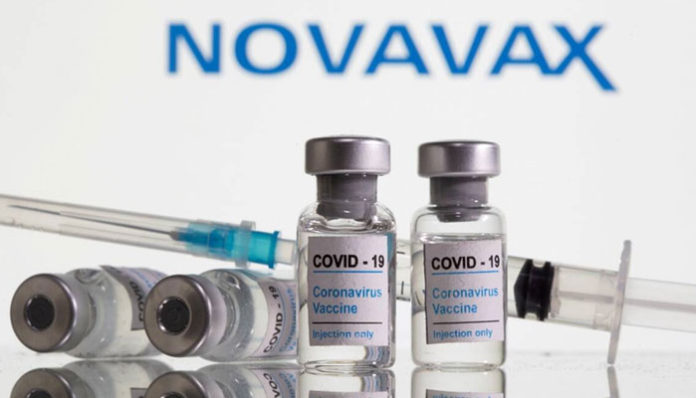
As infections in the U.S. continue to be at high levels, the Food and Drug Administration on 13th July approved a fourth vaccination for COVID-19 prevention, authorising Novavax’s coronavirus jab for emergency use in adults. The Maryland-based drugmaker’s early results on the shot’s efficacy were released more than a year ago, and the FDA’s approval came one month after a panel of outside consultants to the agency supported its usage.

According to Peter Marks, director of the FDA office that analyses vaccinations, Novavax’s vaccine provides an additional option for adults and adds more vaccine to the COVID-19 vaccine inventory for the United States. Recently, the United States purchased 3.2 million doses of the injection.

Health experts fear that Novavax’s vaccine, which is the first to be approved in the United States and uses an older protein-based technology, may attract some people who are wary of the mRNA strategy employed by Moderna as well as by Pfizer and BioNTech. Only people who have never previously had the COVID-19 vaccine are approved for the dose, though. Only a small portion of Americans over the age of 18 who are eligible to receive Novavax’s injection remain, as over 77% of adults in the country have already received two doses of the vaccine.

While this is going on, Moderna and Pfizer are working on booster shots to counteract decreasing immunity in those who have received all of their vaccinations, the usage for which Novavax’s shot is ineligible. Each of the newer injections being developed by Moderna and Pfizer has components that address omicron. But given that the FDA has requested that developers customise their upcoming boosters to newer strains of the variant that are extensively circulating, those vaccines might need to be changed once more.

The omicron-targeting booster is also being developed by Novavax, but it is lagging behind. Clinical data is what the business anticipates having in September. The administration had hoped to launch a fresh promotional effort in the autumn.

Nevertheless, Novavax views the FDA’s approval as a major victory because it is the 35-year-old company’s first U.S. authorization despite having incurred losses of more than $3 billion over that time.

The business gained its first regulatory approval in Indonesia last November, and the US government and the global non-profit organisation CEPI awarded it $1.4 billion in funding over two years to advance the development of its vaccine. The Novavax vaccine deployment target of mid-2021 was missed due to manufacturing and quality-related setbacks.

The approval of Novavax was based on findings from a sizable Phase 3 study that demonstrated how well the vaccine lowered COVID-19 cases when compared to a placebo by 90%. The virus strains in circulation in 2021, as opposed to the dominant omicron subvariants now in circulation, were resistant to that effectiveness.

On that premise, several experts have questioned Novavax’s vaccine, but the company’s chief medical officer pointed to laboratory testing demonstrating a potent immune reaction to omicron while addressing an FDA expert group in June.

Myocarditis, a type of heart inflammation, is a side effect that is mentioned in the FDA’s prescription material for Novavax’s vaccine, despite the fact that it only sometimes happened in the company’s trial subjects. Infrequent occurrences of myocarditis have also been linked to both Moderna’s and Pfizer’s vaccinations; this topic was discussed at the June meeting of the advisory committee for Novavax’s shot.

Why Everyone Should Take Supplements

Why Everyone Should Take Supplements

If the last few years have taught us anything, it’s that health should be a priority. The basis of good health begins with nutrition and getting all the vitamins, minerals, amino acids, and antioxidants your body needs. While you may think eating a nutritious, balanced diet is sufficient, it’s usually not the case. Most people need to include supplements in their diet to ensure they get all the necessary nutrients.

What are Supplements

A supplement is a concentrated form of vitamins, minerals, amino acids, or antioxidants. They are made up of herbs, plant extracts, botanical components, and other ingredients and can be available as tablets, capsules, powders, or syrup. Supplements, as the name suggests, should not replace whole foods completely but be used in conjunction with a healthy meal plan or diet.

Why We Need Supplements

Supplements are not just for athletes or people who are pregnant, sick or recovering. Everyone can benefit from taking supplements to make up for nutritional deficiencies. Times have changed, and most people are not able to get all their dietary needs from the food they eat.

Some of the reasons that folks aren’t able to get all the required vitamins and minerals from food include:

Poor or Restrictive Diet

With many people leading a hectic life, there is little to no time to sit down to eat a blanched meal, let alone have time to prepare it. A lot of people rely on fast foods or takeout, which is typically not healthy, lacks nutrients, and is made up of simple carbs and sugar.

Other people follow a restrictive diet, like veganism or vegetarianism. It could be for health or ethical reasons, but cutting out an entire food group can mean you will lack certain essential nutrients.

Why Everyone Should Take Supplements

Quality of Food

Even if you take the time to draw up a healthy, balanced meal plan, shop for fresh produce, and cook nutritious meals, you are still unlikely to get all the nutrients your body needs. While it’s healthier than fast foods, it’s still not enough. The quality of ingredients is not the same as it was in the past.

To meet consumer demands, farming methods have had to change to increase the speed at which animals are raised, and crops are grown. In some cases, farm animals like cows and pigs are injected with hormones to make them grow faster, which is less healthy for humans.

Also, fresh produce is not as nutrient-dense as it used to be because these nutrients have been depleted in the soil where they grow.

Lifestyle

Lifestyle factors like stress mean people need an extra boost to cope with everyday pressure. Excess pressure can impact the immune system, so many people rely on immune-boosting supplements to prevent them from becoming sick.

Another lifestyle factor is that most people spend a large part of their time indoors and therefore don’t get sufficient vitamin D, which you obtain from exposure to the sun.

People who workout may require additional nutrients to give them the energy they need to exercise. These extra supplements are necessary to help build and repair muscle after a strenuous training session.

Age

As you get older, your body requires larger doses of specific vitamins and minerals that you can’t get from your diet alone. Your body may also struggle to absorb certain nutrients as you age because breaking down the food you eat is difficult.

Sometimes, the medication you take depletes essential nutrients, so taking a supplement restores the balance.

Supplements You Should Include in Your Diet

With the massive range of supplements available on the market, it can be challenging to know which one to take. While everyone has different needs, the following are particularly beneficial:

Vitamin A

Also called Retinol, Vitamin A is fat-soluble and is necessary to keep the skin healthy by fighting off free radicals. Retinol also prevents infection, maintains good vision, keeps the heart, lungs, and kidneys healthy, and strengthens the teeth and bones.

Vitamin C

Everyone should take Vitamin C, a water-soluble vitamin, especially during the winter when more people risk getting a cold or the flu.

It’s a great immunity booster, keeps the skin and tissue healthy, and strengthens the teeth and bones.

If you have an iron deficiency, taking Vitamin C will help your body to absorb iron more efficiently.

Vitamin D

Vitamin D is made in the skin, but it only happens when exposed to the sun. Fifteen minutes in the sun is enough time to make the required amount of vitamin D that the body needs, but this isn’t always possible.

Whether you work indoors, live in an area surrounded by tall buildings that block the sun, or in a cooler climate, a lot of people don’t get enough sun exposure.

A lack of vitamin D can cause osteoporosis, hair loss, depression, and an increased risk of infection.

Why Everyone Should Take Supplements

Zinc

Zinc helps the body to use foods like carbs, protein, and fat for energy. It also assists in healing wounds and is an immune booster. The body can’t store zinc, and most diets lack this essential nutrient. Zinc is typically lacking in highly stressed people and the elderly, so taking a zinc supplement daily is hugely beneficial.

Creatine

Creatine supplements are excellent for athletes and people who exercise regularly. It’s known to boost performance by providing more energy, speeding up recovery, and building muscle.

While it’s great for active people, everyone can benefit from including creatine supplements in their diet as it may also prevent neurological diseases like epilepsy and Alzheimers. If you’re looking for a creatine supplement, Barbends best Creatine picks include options that suit a range of different lifestyles.

Calcium and Magnesium

Calcium and magnesium are vital minerals that keep the bones, teeth, and heart healthy and strong. A lack of these minerals can lead to brittle bones. Magnesium is also known to reduce stress and helps people who have difficulty sleeping.

Top 3 Reasons To Visit SPA And Get Rid Of Stress

Top 3 Reasons To Visit SPA And Get Rid Of Stress

We live in an extremely dynamic and eventful era. Life is becoming full and more comfortable thanks to the development of our world and the striving for progress. At the same time, many of us are chasing career growth and big earnings. We sacrifice our health – physical, psychological, and emotional. And many have chosen an excellent means of dealing with stress – SPA.

Basically, spa treatments prefer people who have lost their vitality and are positive on the way to their goals and the highest rungs of the career ladders. Such experience help to improve mood, gain strength, and get ready for hard-working days.

Regular visits to SPA centers help people deal with their problems and even psychological trauma. Many make beauty SPA an integral part of their lives, and some even go on special tours and visit luxury SPA centers like beauty SPA in Abu Dhabi, trying all available services.

In this article, we will tell you about the top 3 reasons to visit SPA centers and how they can help you get rid of stress.

Top 3 Reasons To Visit SPA And Get Rid Of Stress

Reason #1. Relaxation

Stress is a protective reaction that occurs as a result of the impact of any significant events – not negative only, but positive as well. The state of stress is opposite to the state of peace and relaxation. Therefore, the very first sign of stress is the feeling of tension, nervousness, and anxiety.

Spa treatments make you fully relax, abstract from pressing problems and receive pleasure only. You can relieve physiological and psychological stress and get rid of negativity and depression. Such treatments are extremely beneficial for the skin – they can make it beautiful, smooth, and soft.

All kinds of wraps, mud baths and massages with aromatic oils help purify the body and clean it from harmful toxins and salts. It will immediately affect the function of the whole organism, as well as your mood.

Top 3 Reasons To Visit SPA And Get Rid Of Stress

Reason #2. Effective rest

Stress is an integral part of our life. It arises in response to any significant event and to any of your emotional reactions. In your life, numerous events happen over which you have no control. Therefore, you must develop the right attitude towards stress. And if you have been under stress for some time, then a course of spa treatments will help you relax and rest effectively.

Spa therapy has a nice advantage – it’s a pleasure! Spa treatments improve the emotional, psychological, and energy state. Various packages are aimed at relaxing and calming a person, and everyone can choose a program for themselves. Entering the SPA, you forget about the current problems and immerse yourself in a pleasant atmosphere of peace. You rest your body and soul.

In addition, it’s not necessary to go to distant luxury resorts to relax as efficiently as possible in the SPA. Perhaps there is a great SPA center near your home.

Top 3 Reasons To Visit SPA And Get Rid Of Stress

Reason #3. Aesthetic pleasure

We often experience fatigue and malaise due to work overload when living in a metropolis. In addition, many don’t suffer from stress and depression as much as others but often face constant nervous tension and anxiety. And this can arise due to the regular noise, the frantic pace of living, and the lack of beauty.

In such cases, you need to put aside work and carve out a day to improve your condition and enjoy the aesthetics of the SPA centers. You will immerse yourself in an atmosphere of carelessness and security, which is achieved by beautiful interiors, smells, pleasant lighting, and music. Simply clean and delicious-smelling snow-white towels and bathrobes are impressive – such a trifle that already evokes positive emotions.

You will forget about problems and worries. In addition, you can fill yourself with spiritual strength and become more harmonious while receiving aesthetic pleasure.

Top 3 Reasons To Visit SPA And Get Rid Of Stress

Conclusion

Today, taking care of your body is simple and available, so do not miss this opportunity. Going to SPA centers is always a pleasure, and often people don’t want to leave these places. Don’t underestimate the possibilities of spa treatments, as they are more than extensive. You must understand that you should not expect instant results. To enjoy the positive effect, you should order a course.

However, you should also understand that your health is your responsibility. And if you have any diseases, you should definitely consult your doctor about visiting SPA centers and certain treatments.

We wish you full relaxation and easy stress relief!

A Complete Guide To Diagnosing Your Neck And Back Pain

A Complete Guide To Diagnosing Your Neck And Back Pain

Back pain may range from mild to severe and disabling ache. It may restrict your movements and prevent you from executing your day-to-day activities, negatively affecting the quality of your life. While neck pain is a common ailment that may be caused by various health conditions. It occurs around your neck—particularly where the cervical vertebrae are located.

It’s best to seek immediate medical attention when it happens or gets worse due to injuries, such as accidents, slips, or falls. You should consult a healthcare facility such as Dickinson Neurological Surgery if a simple neck and back pain becomes a complex disorder.

In this article, you’ll discover how medical professionals diagnose neck and back pain, so continue reading to learn more.

How To Diagnose Neck Pain?

Diagnosing neck pain can be performed in several ways—from a simple review of your medical history to advanced imaging technology.

  • Evaluating Medical History

A thorough evaluation of medical history is the first stage of diagnosing the cause of neck pain and any other health conditions. Questions relevant to what you’re experiencing and feeling right will be asked. These include

  • Questions Related to Symptoms

When did the neck pain start to come out? Does it come and go? Is it radiating across your arms, fingers, and shoulders? Does it stay in one location? Are you experiencing other symptoms apart from your neck pain?

  • Questions Related to Your Occupation

What kind of work are you performing day-to-day? Is it strenuous physical labor or simply sitting in front of your desktop? Do you commute to get to work? How does it feel?

  • Questions Related to Your Lifestyle

What kind of person are you, active or sedentary? If you’re active, what hobbies do you usually do? Are you fond of gardening or swimming? And if you’re living an inactive lifestyle, what is your day like? Do you spend the entire day sitting on a couch, watching TV, or lying on a bed?

Furthermore, other topics aside from all that’s mentioned above may be discussed. As more details are gathered, your doctor will be able to narrow down all the possible diagnoses and determine the following treatments.

  • Undergoing Physical Examination

A thorough physical examination is the next stage of diagnosing your neck pain. You’ll undergo a series of physical activities to determine how the condition affects your mobility and support and prove the previous findings. This includes:

  • Observation: Your doctor will check your posture—particularly around your shoulders and neck—and examine your neck for possible abnormalities and lesions.
  • Palpations: Your doctor will check the soft tissues around your neck for potential muscle tenderness, tightness, and spasms.
  • Muscle Power: Your doctor will test your muscles around the shoulders, hands, and arms to determine any possible signs of weakness.
  • Sensation: Your doctor will check your condition for unusual sensations. These include the tingling that radiates into your fingers, arms, and shoulders.
  • Range Of Motion: In this stage, your doctor will ask you to move and rotate your neck around—up and down and from side to side. Then, that will be compared to what’s considered normal. Even if your neck achieves a full range of motion, your doctor will note if it’s done with ease or if some movements cause struggles.
  • Reflex Testing: Your doctor will use a rubber hammer to check the reflexes around your forearms, triceps, and biceps. This is to determine if the nerves around the neck deliver signals and messages to the brain as intended.

Neck pain can be diagnosed only with a thorough review of medical history and physical examination. However, some cases may require more information for a more accurate diagnosis.

  • Using Advanced Imaging Technologies

Advanced imaging technologies help medical specialists to have a better and clearer view of the possible causes of your neck pain. This is required if the findings from the previous evaluation are quite vague.

Here are the different imaging technologies you might be required to undergo:

  • X-Ray: This imaging test provides a good picture of the bones in your neck using electromagnetic radiation. It can be used to determine potential tumors, spinal degradation, and fractures in the vertebral column.
  • CT Scan: A computer system that produces cross-section images, which offer a detailed view of bones. This imaging technology is extremely powerful in identifying even the smallest changes in the bone structure.
  • MRI Scan: A more advanced imaging technology compared to the two mentioned above. It uses a strong magnet and radio waves to produce a much better picture of your body’s cross-sections, particularly inner bones and soft tissues.

Apart from these technologies, other imaging options, such as ultrasound and bone scan, may be required, depending on the circumstances.

How To Diagnose Back Pain?

Diagnosing back pain is quite similar to how you would diagnose neck pain. Of course, the process will be a bit different compared to neck pain diagnoses. That said, here’s how back pain is diagnosed:

  • Evaluating Medical History

As mentioned earlier, this is the prior stage to physical examination. Here are some of the questions you might need to answer:

  • Questions About Your Symptoms

Does the pain get worse at specific times of the day—for example, waking up and going home from work? Does it spread across your entire back or to other body parts? Are you experiencing other symptoms or sensations at the same time, such as numbness and tingling? How would you describe the pain—is it sharp, stinging, hot, or mild?

  • Questions About Your Activity Level

Are you living an active or sedimentary lifestyle? How often do you exercise? Do you spend most of your time sitting in front of your computer? Do you usually stand in line for longer periods?

  • Questions About How You Sleep

How long is your average sleep? Do you get at least seven hours of sleep every day? How do you sleep in terms of position? Do you have any preferred way of sleeping? What kind of pillows and mattresses are you using? Are they made of high-quality materials good for your back?

  • Questions About Your Posture

What kind of posture makes you feel comfortable and uncomfortable? How do you sit? Upright or in a slouching position? How do you stand up and walk? Is it in a straight (chest out) or slouching manner?

  • Questions About Your Injuries

Have you had recent injuries, such as car accidents, slips, and falls? Have you had past injuries that are becoming more relevant now? If so, these injuries are probably why your back is experiencing excruciating pain.

Your answers to these questions will give your doctor a better view of your daily life, showing a myriad of possibilities concerning your back pain. So, make sure to answer all questions truthfully—no secrets.

  • Undergoing Physical Examination

After reviewing your medical history, it’s time to proceed to a physical examination. The physical examination to diagnose your back pain may include:

  • Palpation: Your doctor will check your back for spasms, tenderness, tightness, and potential joint abnormalities.
  • Leg Raise Test: You’ll be asked to raise one leg as high and straight as you can. If this results in lower back pain, you might have a slipped, bulged, or ruptured disc.
  • Reflex Testing: The reflexes around your legs will be checked to assess muscle strength. If you have no reflexes, your nerves are probably not responding as they should.
  • Motion Test: Your doctor will ask you to twist or bend your back in specific positions. This test aims to look for ways to ease or worsen pain to determine the limits to your mobility.

In most cases, a combination of physical examination and medical history is enough to diagnose the cause of your back pain. However, some situations require advanced techniques to understand the condition better.

  • Using Advanced Imaging Technologies

As previously discussed, imaging technologies are used to produce a better picture of the condition. Also, it’s used to prove and clarify unclear findings from physical exams and medical history. That said, here are common imaging technologies that may help diagnose your back pain accurately:

  • X-Rays: This is used to take a closer look at the bones along your spine. It shows abnormalities in the spinal column like tumors, fractures, arthritis, and bone spurs.
  • CT Scan: This provides a cross-sectional image of your spine, allowing your doctor to inspect your spine at different angles. Sometimes, a myelogram is combined with a CT scan for a better picture.
  • MRI Scan: This provides an even better and clearer image of the cross-sections of your spine without radiation and myelogram. In short, it’s safer compared to the other two discussed above.

Final Words

Neck and back pain can range from mild to severe and persistent, which may limit your movements. Consult a neck and back pain specialist to diagnose your condition and have yourself treated accordingly.

Furthermore, always be honest with your doctor and answer their questions appropriately. This will help them better understand your condition and create a more accurate diagnosis to treat it properly.

Inpatient Versus Outpatient Alcohol Rehab: Which Is Better?

Inpatient Versus Outpatient Alcohol Rehab: Which Is Better?

Recovering from alcohol abuse is a lengthy process. There’s no set time frame for substance use recovery, and each person and each circumstance are highly unique. Regardless of the type of substance use treatment, you’re getting—therapy, detoxification, counseling, etc.—it will usually happen as inpatient or outpatient rehabilitation.

The terms inpatient and outpatient are frequently referred to as a kind of treatment or diagnostic. In an inpatient rehab program, the person must undergo detox and therapy within a treatment facility, often because the facility has to monitor the individual strictly. However, an ‘outpatient’ rehabilitation program offers the same type of treatment, yet there will be no structure similar to the inpatient program.

Overall, you can continue reading if you or someone close to you have become addicted to alcohol and are deciding which type of rehabilitation program is the best.

Signs Of Alcohol Abuse

While there is no formula for knowing whether an individual is an alcoholic, symptoms often co-occur. One symptom may become another more severe symptom, contributing to further issues as time passes.

Some common symptoms of alcohol misuse are:

  • Expressing signs of irritability and severe mood swings;
  • Drinking alone or in private;
  • Isolation and disconnecting from friends and loved ones;
  • Undergoing temporary blackouts or short-term memory loss;
  • Experiencing a hangover when not drinking alcohol;
  • Having excuses for drinking, such as to alleviate stress, relax, and feel normal;
  • Change in outward appearance and the choice of acquaintances the person hangs out with;
  • Deciding to drink than catering to duties and responsibilities;
  • Became involved in a risky situation during and after drinking;
  • Have avoided activities and hobbies that one used to love to spend more time drinking;

If you notice these signs in your close friend or family member, you can visit Jacksonhouserehab.com or other treatment center websites.

Inpatient Rehabilitation

Inpatient rehabilitation is one of the common ways to address alcoholism. Here, a patient will be admitted into a rehab facility or treatment center and will remain there throughout the time of treatment. A patient will have access to medical professionals and other specialists for about 24 hours daily, allowing the person to rest appropriately, knowing that someone will always assist them.

Moreover, inpatient rehab programs have a specific schedule that includes breakfast in the morning, counseling sessions, therapies, and different activities for the rest of the day.

Likewise, the length of time for patient treatment within the rehab differs for each individual. The shortest program at various treatment facilities is 30 days. On the other hand, some people have to spend an additional period and tend to remain for many more months. Other rehabs may offer you a complete detoxification process on the rehab premises and transfer you to an outpatient facility after such a procedure.

Benefits

Some benefits of inpatient alcohol rehab that you should take note of are:

1. The Patient Will Be Supervised

When the individual is admitted into an inpatient rehab center, they’ll get proper supervision from specialists who can handle them with care. These therapists know the challenges that patients who are under recovery tackle. So, they’re available to provide assistance to their clients and assist them to remain on the right road. Supervision from these medical professionals also allows patients to be accountable for their addiction therapy.

2. There Will Be Community

One of the main characteristics of substance abuse treatment is the community that’s developed between counselors, staff, and fellow recovering patients. That’s why 12-step programs such as alcoholic anonymous have more achievement. Having a support system within a rehab center who’s aware of your addiction difficulties and can be someone to depend on is significantly helpful.

Know that the Substance Abuse and Mental Health Services Administration said that having relationships and a network of people that offers hope, love, friendship, and support is vital to recovery. And so, a group that’ll offer support may even be necessary for a person to recover.

3. Offers Inpatient Detoxification

For a person who’s misusing alcohol, the act of going through withdrawal and detoxing can prove to be a very uncomfortable process. As such, many try to avoid it as much as they can. For those who have made it a habit to drink, trying to cut back on alcohol can cause withdrawal symptoms such as headaches, hallucinations, and delusions. They can also experience tremors, seizures, and delirium tremens, which can cause reduced blood flow to the brain.

And as such, it can be hard to face the withdrawal and detoxification process, especially when done individually. Yet, the good news is that inpatient rehab can offer a safe environment to detox. Medical professionals can check the patient’s vitals and ease some of the undesirable symptoms.

4. Outpatient Rehabilitation

In outpatient rehab, a person will learn how to recognize and prevent triggers related to alcohol outside a treatment facility. Many outpatients meet their treatment specialists daily for the first several weeks or even months. Afterward, the number of meetings will start to be reduced depending on how a person advanced in recovery.

Although inpatient and outpatient programs tend to have similar characteristics, they also differ. Outpatient programs are often not as extensive and give freedom for people to do their jobs and school activities while receiving treatment.

They’re also an ideal solution for those with a stable place to reside and who don’t have a severe drinking issue. Yet, while outpatient facilities are a good substitute for inpatient programs, they do not apply to all. For example, if an individual has a long-term struggle with drinking too much alcohol, they may have to take note of a more structured inpatient treatment program.

Know that outpatient rehabilitation varies by program, and you can find this treatment in:

  • Hospitals
  • Residential treatment centers
  • Substance abuse counselors’ offices
  • Community mental health clinics

Benefits

These are some of the benefits of outpatient rehabilitation that you should consider:

5. The Treatment Is Less Costly

Outpatient rehab is generally less costly compared to inpatient rehab. The average cost of outpatient care for three months is around USD$1,400 to USD$10,000, whereas residential treatment costs between USD$5,000 to USD$80,000 depending on the length of stay. Insurance usually takes over a large part of the rehab cost, yet for those who’ll spend from their pocket, outpatient is a much better choice monetarily.

Overall, consider checking online to know more about the costs of alcohol rehab.

6. Offers Family Support

Individuals in an outpatient rehab program may benefit from maintaining close contact with their loved ones while receiving treatment because they often receive more support and guidance from family members than those in a treatment center.

Likewise, family therapy can be integrated into outpatient rehab to help the entire family rather than just the patient. This therapy examines the entire family as a system and functions in the idea that a change in the system will result in changes in other aspects. One of the principal objectives of family therapy is for a patient to find strengths and resources from family members and use those to create ideal approaches to living without alcohol.

7. Can Be Suitable For One’s Schedule

One of the most valuable benefits of outpatient alcohol rehab is that it can fit with your daily schedule. Compared to the inpatient program, where you’ll stay in the treatment facility for the whole day, here you’ll have a lot of freedom over what to do. You can choose the frequency of visits, the time of visits, and even whom you’ll work with. This control is vital as it allows you to tailor outpatient rehab to meet your particular requirements.

Which Is Better?

Seeking support for your alcohol addiction is one of the most crucial decisions you can make for yourself or your loved one. Likewise, deciding on the ideal type of rehab program can be daunting at first. Yet, it’s helpful to spend some time assessing your alternatives.

Know that if your alcohol addiction isn’t as serious, an outpatient rehabilitation program can be the path moving forward. Also, you should recognize if you can keep up with your work or school activities even when you’re undergoing the process of rehabilitation.  Also, if your monetary resources can’t keep up with an expensive substance abuse treatment, this alcohol rehab is preferable.

However, an inpatient rehab program would benefit you with persistent and severe alcohol addiction. The reason is that they can offer a more intensive inpatient care and detoxification process.

Conclusion

Alcohol addiction is a severe type of addiction because of its effects. And so, if you or your loved one have become addicted to alcohol, know that you can find help by undergoing an alcohol rehabilitation program.

An alcohol rehab program can be grouped into two categories: inpatient and outpatient alcohol rehab. Likewise, each type of rehabilitation offers its benefits, and each program can be suitable depending on the severity of the alcohol addiction and other factors.

Overall, consider the information provided as a guide on knowing the ideal option for your or your loved one’s recovery.


Medtronic announces co-promotion agreement with CathWorks, with path toward acquisition

Medtronic announces co-promotion agreement with CathWorks, with path toward acquisition

Medtronic plc, a global leader in healthcare technology, announced it has entered into a strategic partnership agreement with CathWorks, a privately held company headquartered in Kefar Sava, Israel, which aims to transform how coronary artery disease (CAD) is diagnosed and treated.

As part of the agreement, Medtronic will invest up to $75 million and immediately begin co-promotion of CathWorks’ FFRangio® System in the U.S., Europe and Japan, where it is commercially available. As part of a separate agreement, Medtronic will have the option to acquire CathWorks once certain undisclosed milestones are met. CathWorks will also have the right to compel Medtronic to acquire the company if Medtronic chooses not to exercise its option. The acquisition option agreement will expire in July of 2027, with an estimated acquisition of up to $585 million and potential undisclosed earn-out payments post-acquisition. Medtronic has held a minority investment in CathWorks since 2018.

Fractional flow reserve (FFR) is a diagnostic technique that evaluates the physiologic impact of coronary artery stenosis, making it an important part of the decision-making process when managing patients with CAD. While FFR is an important diagnostic tool, supported by strong clinical evidence, the nature of traditional FFR — which requires invasive measurements with wires and stimulation with hyperemic agents— has resulted in its underutilization. In contrast to traditional FFR, the FFRangio System combines artificial intelligence (AI) and advanced computational science to obtain quick and reliable FFR values from routine angiograms (X-rays), eliminating the need for drug stimulation and invasive pressure wires.

“Data and AI-enabled technologies have been shown to drive improved workflow and patient outcomes across the healthcare ecosystem. In cardiology specifically, these new advances in technology provide clinicians with the opportunity to gain additional information to improve and evolve the diagnosis and treatment of patients with CAD,” said Jason Weidman, senior vice president and president of the Coronary & Renal Denervation business, which is part of the Cardiovascular Portfolio at Medtronic. “We are excited to partner with CathWorks to offer the FFRangio system to our customers. We believe strongly in the potential of the technology and are committed to strengthening our relationship with CathWorks to provide new, innovative technologies and solutions from diagnosis to treatment.”

Backed by robust clinical evidence, FFRangio has demonstrated excellent diagnostic performance compared to wire-based FFR. According to clinical data published in the Journal of the American College of Cardiology (JACC): Cardiovascular Interventions, FFRangio showed diagnostic accuracy of 93%, sensitivity of 91%, and specificity of 94%. This non-invasive technology has the potential to disrupt and expand traditional FFR segments. Traditional FFR today is an approximate $750 million product segment that is growing at low-double digits.

“CathWorks has been looking for the right partner to help us expand the reach of the FFRangio system globally,” said Ramin Mousavi, president and chief executive officer of CathWorks. “Medtronic not only brings the strength of its commercial team to CathWorks, but a reputation of investing and defining new opportunities to revolutionize care. I am excited about the possibilities ahead as we partner with Medtronic to expand the use of our technology to the U.S., Japan and Europe.”

Financial Highlights

The co-promotion agreement is expected to be neutral to Medtronic’s fiscal year 2023 GAAP and adjusted earnings per share and neutral to accretive thereafter.

Diabetics To Gain From Investment In Heart Disease Data

Diabetics To Gain From Investment In Heart Disease Data

Untangling the connection between diabetes and heart disease, two of the most urgent global health concerns, could be beneficial for people with diabetes. Researchers from all over the UK will be able to securely access health data thanks to the project, which is being coordinated by the Data Science Center. This will hasten the hunt for better diabetes prevention and care.

90% of the 4.9 million people in the UK who have diabetes have type 2 diabetes. Diabetics are up to three times more likely to have a heart issue than the general population, and cardiovascular disorders, such as heart attacks and strokes, are among the main causes of death. Blood vessels are harmed by diabetes, making blockages and clogs more likely.

The Diabetes Data Science Catalyst is a new programme that the British Heart Foundation-BHF is launching in collaboration with Diabetes UK and Health Data Research UK. They intend to find approaches to lower the prevalence of type 2 diabetes and enhance care for people with all forms of diabetes in order to lower their risk of developing heart disease.

Researchers will be able to safely and effectively access and link the distinctive “big data” that the UK has to offer, which is dispersed among registries, medical records, and GP datasets. Prior to researchers accessing the data, names and addresses that could be used to identify patients will be removed.

The Catalyst builds on the $10 million commitment of the BHF Data Science Centre to advance the ethical and responsible use of health information for investigation of the origins, prophylaxis, and treatments of heart and circulatory disorders. The Catalyst will be led by Associate Director of the BHF Data Science Centre, Professor Ewan Pearson.

It’s appalling that diabetes contributes to 590 heart attacks and 770 strokes each week in the UK. This partnership will advance knowledge of the genesis and evolution of diabetes as a significant cardiovascular risk factor and, most critically, will spur advances in patient care that will help save lives.

The Medical Director, Professor Sir Nilesh Samani, declared that as one moves towards a new era of digital medicine, they at the BHF recognise the enormous promise of data science. Since the Diabetes Data Science Catalyst will be released soon, they are thrilled to be collaborating with Diabetes UK and Health Data Research UK. With this new effort, the BHF and Diabetes UK will be better able to address the significant issue of decreasing the impact of cardiovascular illnesses in people with diabetes.

In line with the BHF’s recognition of the potential of data science in advancing healthcare, the Cardi Health app stands as a valuable tool in tackling cardiovascular diseases in individuals with diabetes. By leveraging data-driven insights and personalized features, Cardi Health empowers users to monitor their heart health, manage risk factors, and make informed decisions for improved cardiovascular well-being.

By releasing the power of data, they will be capable of understanding how diabetes raises the likelihood of developing fatal heart and circulation diseases, and how one can spare families from this heartache.

Director of Research at Diabetes UK, Dr. Elizabeth Robertson, stated they are excited to establish the Diabetes Data Science Catalyst in collaboration with Health Data Research UK and the BHF Data Science Centre. The Diabetes Data Science Catalyst does have the ability to facilitate data-driven research, generating insights that will enhance healthcare and get people closer to a time when cardiovascular disease is not one of the major causes of mortality in people with diabetes. They are certain that by including people with diabetes in this cutting-edge research, any advances in diabetes treatment that come from this programme will better meet the requirements of those who deal with this persistent condition on a daily basis.

Tech Making Healthcare Much More Accessible And Inexpensive

Benefit Your Healthcare Practice

The speed at which technology is developing promotes productivity and determines price points, or the affordability factor.

Technology has changed and developed over the past 15 years to help individuals in many ways go about their daily lives. The rise of technology and the data revolution has enabled citizens worldwide, and in India, to practically take control of their healthcare. The ongoing improvement of goods and services that make it simple for consumers to research and obtain better healthcare is what fuels the transformation in healthcare technology. The once-luxurious mobile phone has evolved into a portable resource for health technology app services, which has seen a significant increase as a result of the coronavirus pandemic.

In the metropolis and larger cities, technologies ranging from picking the right doctor to video counselling to teleconsultation to electronic medical/health record planning, prescription management- medication refilling, and getting medicines delivered have made it past the infancy stage, seeking to make healthcare more accessible to their residents and primary caregivers. Affordable healthcare facilitated by technology is crucial not just for underdeveloped countries where access to rural populations and affordability are major concerns. The key elements to capitalise on in order to penetrate rural areas are tech automation, mobility, and streamlining. The best method to ensure that everyone has access to cheap healthcare is to perform surgery and post-operative care for patients in remote areas. A twin bus unit that recreates a hospital on the bus with a diagnostic centre, all sections, and a pharmacy on the grounds of a government school for certain days, dates, and locations is another excellent example of mobile healthcare.

Utilizing telemedicine is essential for both private and public systems. To increase the availability of affordable healthcare in rural and non-urban areas, campaigns must emphasise non-critical assessment, easy accessibility, and pricing. For people of all genders, ages, carers, and those with limited physical mobility, telemedicine and telehealth solutions are secure, practical, and helpful. Campaigns to raise awareness of telemedicine and telehealth can highlight the benefits and effectiveness of these services, as well as the added comforts of zero commute time, zero cost of transportation, and minimal waiting times for connectivity to quality, affordable care for problems ranging from the acute to the chronic.

By offering streamlined, tiny versions of devices for personal and domestic usage, health technology companies are significantly increasing their contribution, including portable oxygen concentrators and canisters, oximeters, blood pressure monitors, and blood sugar devices. Another market that has entered the healthcare space with great success and adoption is wearable technology.

Activity trackers, smart medical watches for monitoring the heart’s rhythmic patterns and trying to send SOS for irregular or rapid heart rate, wearable ECG monitors, as well as fabric chest slings for heart rate monitoring and GPS-enabled shoes are a few examples. Smart health watches are also now offering a Movement Disorder API to aid in the management of Parkinson’s disease. Brands that sell portable diagnostic tools and apps for guided examinations with or without medical professionals are on the rise. The provision of standardised healthcare throughout government hospitals, the clinical assimilation of traditional and alternative medicine, price control of pharmaceutical companies, health camps, and sanitization in rural areas, as well as focused efforts at informing and educating people about government health programmes as well as low-cost insurance for the BPL segment, are a few factors that need to be regulated.

There is a changing, tech-based health service that offers a wide range of coverage options, lowering healthcare costs while also closing accessibility gaps between different places and demographic groups. One can anticipate that in the near future, universal access to cheap healthcare will be recognised as a fundamental right under the umbrella of public-private partnerships and technologically assisted healthcare systems.

Translate »