




Close
Digital Health & Ai Innovation summit 2026
Medical Taiwan 2026

Red meat allergies explained

Red meat allergies explained

If you love steak and hamburgers, but can’t eat them because they make you break out in hives or worse, you may be suffering from a red meat allergy. This relatively new phenomenon is believed to be caused by a tick bite. Here’s what you need to know about red meat allergies:

What are the symptoms of a red meat allergy?

The most common symptom of a red meat allergy is an itchy rash called urticaria, which can occur within minutes of eating red meat. Other symptoms can include nausea, vomiting, diarrhea, abdominal cramps, headache, and in rare cases, anaphylaxis (a severe allergic reaction that can be life-threatening).

What causes a red meat allergy?

Red meat allergies are believed to be caused by a bite from the lone star tick (Amblyomma americanum). This tick is found in the southeastern and eastern United States, and its range is expanding. The theory is that the tick bites people and animals, and in doing so, transfers a sugar molecule called alpha-gal into their bloodstream. Once alpha-gal is in your system, your body produces antibodies to it. The next time you eat red meat (beef, pork, lamb), your body recognizes the alpha-gal sugar molecule and mounts an immune response, leading to the symptoms of an allergic reaction.

How is a red meat allergy diagnosed?

If you suspect you have a red meat allergy, the best thing to do is see an allergist. They will likely perform a skin prick test or blood test to look for antibodies to alpha-gal. If you are found to be allergic, the only way to manage it is to avoid red meat altogether.

What should I do if I think I have a red meat allergy?

If you think you may have a red meat allergy, see an allergist for proper diagnosis and treatment. In the meantime, avoid eating red meat (beef, pork, lamb) and any products that contain it. If you are accidentally exposed to red meat, be sure to carry your epinephrine injector (if prescribed by your allergist) with you at all times in case you have a severe allergic reaction.

Beef allergy

A beef allergy is a hypersensitivity to beef and products derived from it. The most common symptom of a beef allergy is anย  itchy rash, which can occur within minutes of eating beef or coming into contact with it. Other symptoms can include nausea, vomiting, diarrhea, abdominal cramps, headache, and in rare cases, anaphylaxis (a severe allergic reaction that can be life-threatening). If you suspect you might be allergic to this type of red meat you should get a beef allergy test.

Lamb Allergy

A lamb allergy is a reaction to lamb and lamb products. The typical sign of a lamb allergy is a rash that occurs within minutes of eating lamb or. Symptoms of a food allergy vary according to the food you are allergic to. Nausea, vomiting, diarrhea, abdominal cramps, headache, and in rare cases anaphylaxis (a severe allergic reaction that can be life-threatening) are all examples of this. If you suspect you’re allergic to lamb meat, get a lamb allergy test.

Pork Allergy

A sensitivity to pork is known as a pork allergy. The most prevalent symptom of a pork allergy is an itchy rash, which can appear minutes after consuming food containing pork.

Final thoughts

If you have any of the aforementioned symptoms after consuming red meat, it’s best to seek professional help to determine if you have a red meat allergy. Once diagnosed, the only way to manage a red meat allergy is to avoid consuming beef, pork, and lamb altogether. Be sure to carry your epinephrine injector (if prescribed by an allergist) with you at all times in case of accidental exposure and severe reaction
Fourth COVID-19 Vaccine Lowers Senior Mortality Risk By 72%

How Does A Flu Shot Work?

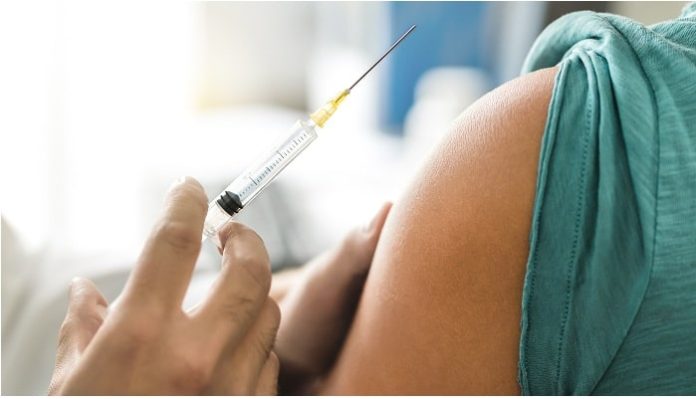
According to a recent study conducted by Tel Aviv University and Ben Gurion University of the Negev in conjunction with the Israeli Ministry of Health, the fourth COVID-19 vaccination is effective in preventing the Omicron form from infecting the senior population in long-term care institutions. A task group established by the Israeli government to monitor the prevention and control of COVID-19 in the nation’s geriatric facilities, the Ministry of Health’s Senior Shield programme, involved almost 40,000 elderly Israelis living in institutions in the ground-breaking study. The study’s findings show that senior at-risk adults who receive the fourth dosage of the Pfizer vaccination have a 34% lower risk of getting the Omicron variant, a 64-67%ย lower risk of needing hospitalisation for COVID, and a 72%ย lower risk of dying from the virus.

Prof. Nimrod Maimon, until lately the head of the Ministry of Health’s Senior Shield programme, along with programme staff members Omri Bodenheimer,ย Boris Boltyansky, and Ami Mizrahi,ย led the study in partnership with Lea Gaon and Zafrira Hillel-Diamant of the School of Public Health at Tel Aviv University. The prominent publication JAMA Internal Medicine published the study.

Prof. Khitam Muhsen from School of Public Health, Tel Aviv University says that his study contrasted 19,687 Senior Shield facility residents who obtained the first three doses of the Pfizer vaccine 4 months or more before the follow-up with 24,088 residents who received the fourth dosage of the vaccine, or the second booster shot. These people are occupants of the approximately 1,000 senior institutions, nursing homes, and assisted living that make up the Senior Shield system of the Ministry of Health. Due to the existence and life circumstances of the institutions, the reality that many residents require assistance with daily activities, and the previous medical conditions that many of the residents suffer from, this population is particularly susceptible to infection, morbidity, and mortality from the coronavirus.ย 

There was no registered or readily accessible vaccine for the Omicron version, which experienced major alterations in the spike protein that enables the virus to bind to and pierce human cells when it swept across Israel during January and March of this year. Due to the fact that the current COVID-19 vaccinations attack the spike protein, there was considerable debate in Israel and throughout the rest of the world evaluating the efficiency of the current vaccinations against the Omicron strain in general and with regard to a second booster dose in particular. The second booster shot (the fourth dosage of the vaccine) for people 60 years of age and older was first authorised in Israel. The Senior Shield population dataset, which represented the first sizable cohort to receive the second booster, served as the data source for the current study.

Prof. Muhsen emphasises that the methodological issues that are common in observational epidemiological research on the efficacy of COVID vaccinations were successfully resolved in this current study, which was carried out on a nationwide scale. They kept track of the infections, hospitalizations, and mortality rates in these 2 groups throughout the Omicron wave and discovered that the individuals in the group that received the 4th vaccine contracted infections at a rate that was 34% lower than the control group, were hospitalised for mild-to-moderate illness at a rate that was 64% lower than the control group, and were hospitalised for severe illness at a rate that was 67% lower than the control group.

They also had a mortality rate that was 72% lower. These statistics are important since the Senior Shield population is one of the demographics that experiences severe coronavirus morbidity at a rate that is significantly greater than that of the overall population. The fourth vaccination dose, which provided cross-protection against the Omicron variety, is thought to have increased the level of neutralising antibodies. Their research shows the vaccine’s fourth dose to be a considerable advantage, indicating that the State of Israel’s vaccination programme was the right one. It was a prudent option that helped many people live longer to administer the fourth dose of vaccination to at-risk populations.ย 

Dr. Muhsen continues that based on data of the senior population in care institutions, this work is novel and creative. This study’s average age was 80, as opposed to previous studies’ average age of 72, which was among relatively youthful people drawn from the general community. Additionally, it is exceedingly challenging to compare the morbidity levels of COVID test subjects or vaccine recipients to those of unvaccinated individuals or those who have received three doses of the vaccine because these individuals typically display positive health practises. They don’t know why some of the residents chose not to receive the fourth dose of the vaccination, but irrespective of whether or not they received the shot, both groups in the study completed normal and blind COVID tests in accordance with the same Senior Shield protocol. As a result, the healthy vaccinee effect had less of an impact on the study, and the findings are also applicable to other groups in Israel and other parts of the world.

The research demonstrates that offering booster shots and enhancing the level of antibodies through a vaccine based on the classic COVID-19 strain gives meaningful coverage against the emergence of severe disease even after infectious disease with new versions, including some that are very different from the original, like Omicron, claims Prof. Dani Cohen.

Nimrod Maimon, a professor, adds that the Senior Shield programme, run by the Ministry of Health, has the critical responsibility of safeguarding institutions for people who live outside the home. Because of the quick and efficient vaccination campaigns that were made possible by the project’s database of information about the facilities and their occupants, the number of coronavirus illnesses among these populations has been dramatically reduced. The Senior Shield program’s outstanding outcomes have garnered considerable international acclaim, and health officials from other nations have expressed a desire to learn from it.ย 

According to Prof. Ron Dagan’s analysis of the study’s findings, immunizations and the application of well-organized systems are crucial in preventing major mortality and morbidity waves in groups at risk.

Novel Respiratory Cancer Treatment Gives Hope To Hundreds

Novel Respiratory Cancer Treatment Gives Hope To Hundreds

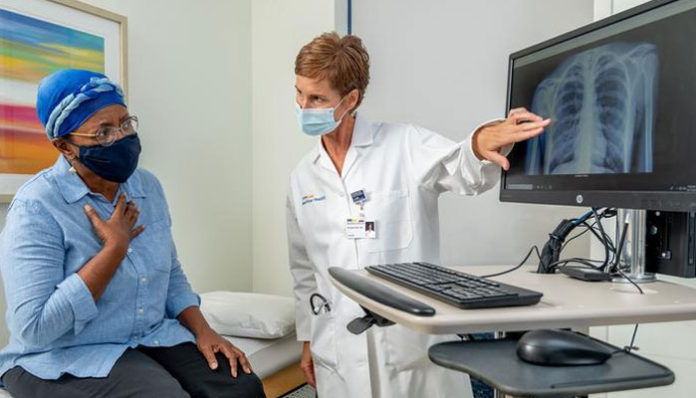
For hundreds of patients with severe respiratory cancer, the first new mesothelioma medication to be authorised in nearly 15 years will be made accessible, according to a recent announcement from the NHS.

After the NHS reached a new commercial agreement for the drugs, NICE today authorised the life-extending therapy for use. It will combine nivolumab and ipilimumab and be made available on the NHS right away, helping about 1,000 people in England annually. Malignant pleural mesothelioma is a type of lung cancer that has an impact on the respiratory system. The first symptoms typically develop decades after asbestos exposure in the majority of cases, which are related to occupational exposure.

With almost 2,700 instances of mesothelioma identified each year in the UK, it is the country with the greatest incidence of the disease worldwide. The majority of those affected were exposed to asbestos before the substance was outlawed in 1999. With clinical trials showing 8% more people surviving with mesothelioma after three years and 13% more showing their cancer had stopped making progress in the same time period, the mixture is the first immunotherapy remedy for untreated mesothelioma and offers a more effective substitute to chemotherapy.

Patients will get the medications intravenously once every three weeks (nivolumab) and once every six weeks (ipillmumab) for a maximum of two years. The NHS is happy that this novel treatment combination will now be available for patients with this aggressive type of cancer, providing them with more valuable time with their families and friends, saidย National Clinical Director for Cancer for the NHS in England,ย Professor Peter Johnson.

They are aware that many people who have previously been exposed to asbestos are regrettably at an increased risk of developing mesothelioma, but there are currently few treatment options available. This increases the importance of the new immunotherapy medications and strengthens their resolve to employ cutting-edge therapies to provide patients with a greater chance at a long and healthy life. Although malignant pleural mesothelioma isn’t as well-known as some other cancers, there is still a significant unmet need for patients, according to Scott Cooke, who is theย General Manager UK and Ireland, Bristol Myers Squibb. This new therapy option represents a significant advance.

Although mesothelioma was historically a disease of industrialised males, NICE also emphasised in its released guidelines that it is now also affecting women and younger individuals.Breathlessness, chest pain, weariness, sluggishness, weight loss, and coughing are among the symptoms. Malignant pleural mesothelioma advances swiftly and has a terrible prognosis, with about 8โ€“10% of patients living for three years. Mesothelioma is treatable but incurable.

Colin Beamish, 81, a father of six children and a grandfather of four, was given a mesothelioma diagnosis in January after experiencing breathing problems the previous year. In the 1950s, he enlisted in the Royal Navy as a youngster and worked on radar and communications equipment for warships and submarines. He claims that asbestos-covered deck heads were crossed by the wires he worked with, but prior to his diagnosis, he was unaware of mesothelioma.

Back then, one was given a job and one just had to get on with it, but there was really no awareness of asbestos and it didn’t concern him at the time, he added, expressing his optimism that the new medicine mixture would be able to assist individuals like him in the future. Because of his existing health issues, he would probably already refuse chemotherapy and thereby believe it’s great that this new treatment works. The idea here is to offer people and their family as much time as possible.

Indian Generic Drug Cos. In No Rush To Launch COVID Products

Indian generic drugmakers are delaying more investments in COVID-related drugs after making gains in the last two years, according to certain pharmaceutical industry insiders.

BDR Pharmaceuticals’ managing director, Dharmesh Shah, stated that when COVID-19 cases start to decline, his company is not in a rush to introduce any new products. The number of daily COVID-19 cases in India decreased on Tuesday from 16,678 instances on Monday to 13,615 new cases in 24 hours. Despite having the ability to produce the antiviral medication Paxlovid, BDR Pharmaceuticals, from Mumbai, which is into API manufacturing, has chosen to wait and see, according to Shah. According to him, they will see whether there’s any need for it in the nation before introducing it. At this time, cases are modest and improving with standard therapy.

Remdesivir, a drug used to treat COVID-19 in hospitalised patients, was first produced by BDR Pharmaceuticals, one of the first companies in India to do so. But according to Shah, tonnes of the antiviral drug molnupiravir’s manufacturing material were lost.

They are not in a rush to launch things, he continued. They are dealing with the situation and will only dive if there is an emergency or if the nation suffers a surge, the statement reads. RC Juneja, executive chairman of Mankind Pharmaceuticals, added that the business is being cautious because it has already suffered losses and will need to get rid of a number of products that are about to expire.

As a result, Juneja stated, theyย have chosen not to engage further in COVID-related treatments or goods unless there is strong demand.

EU Lists Acute Allergies To Novavax COVID Jabs As Side Effects

Novavax COVID-19 Jab Is The Fourth Choice Offered In The US

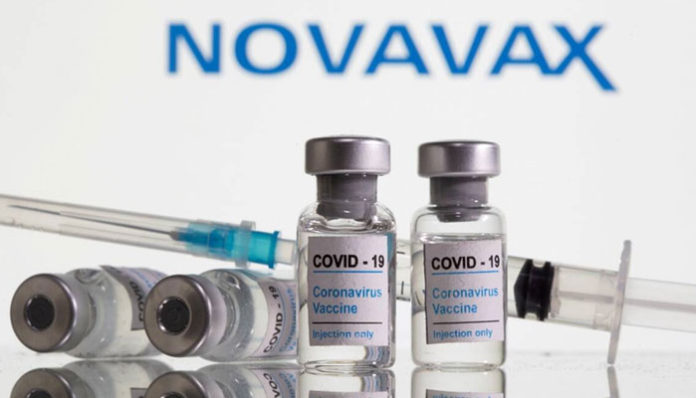
The COVID-19 vaccine from Novavax Inc. may cause serious allergic reactions, according to the European Medicines Agency. The vaccine’s product label in the United States forbids giving the shot to anyone who has had a history of acute toxicity to any of the vaccine’s components. The vaccine was approved by American regulators on July 13th.

In morning trade, Novavax shares dropped 20.3% to $55.72, along with the overall market and other COVID-19 vaccine manufacturers. Shares of Novavax are typically unstable.

The EMA announced that it would also add a new adverse effectโ€”an odd or diminished feeling in the skinโ€”to the vaccine’s package literature.

The European Centre for Disease Prevention and Control reports that since its release in December, just 250,000 doses of Nuvaxovid, the COVID vaccine manufactured by Novavax, have been administered throughout Europe.

25mn Kids Skipped Potentially life-saving Vaccinations In 2021

25mn Kids Skipped Potentially life-saving Vaccinations In 20 21

25 million children missed out on potentially life-saving vaccinations in 2021, according to data released by the World Health Organization and UNICEF. Vaccine coverage also continues to fall globally.

The organisations said in a press release that they had seen the largest sustained drop in childhood vaccination rates in around 30 years.

The proportion of kids who had three doses of DTP3, a vaccine against diphtheria, tetanus, and pertussis, decreased by 5 points between 2019 and 2021. The coverage was reduced to 81% because of this.

According to WHO and UNICEF, DTP3 penetration is used as a benchmark for broader vaccination coverage.

As a result, through routine vaccination programmes, 25 million kids were denied one or more shots of DTP in just 2021. This highlights the growing number of children at risk from deadly but preventable diseases, which is 2 million more than those who skipped them in 2020 and 6 million more than in 2019, they claimed. Of these children, 18 million, the bulk of whom resided in low- and middle-income nations, did not receive even one dose of the vaccine.

Other declines included measles, where first-dose coverage fell to 81% in 2021, and HPV, where more than a quarter of the protection attained in 2019 was lost. In 2021, 24.7 million children will have missed their first dosage, according to WHO, noting that this is the lowest number since 2008.

There was a decrease in vaccine coverage across all regions, with East Asia and the Pacific seeing the biggest loss in DTP3 coverage. However, other nations, like Pakistan and Uganda, were able to halt declines.

The declines were caused by a number of variables, including an increase in the number of kids living in unstable environments like war zones and weak communities, an increase in misinformation, and troubles with the COVID-19 virus.

For children’s health, this is a red alert. The rate of childhood immunisation is currently experiencing its worst persistent decline in a generation. The effects will be assessed in terms of lives, Catherine Russell, the executive director of UNICEF, remarked. As a consequence of COVID-19 interruptions and shutdowns, a pandemic whiplash was anticipated last year; yet, what one is currently witnessing is a sustained drop. COVID-19 is not a justification. If one does not immunise the missing millions, infections will undoubtedly increase, more kids will get sick, and the pressure on the already overburdened health systems will grow.

As per Tedros Adhanom Ghebreyesus, WHO Director-General, measles, pneumonia, and diarrhoea vaccinations should go hand in hand with COVID-19 planning and management. One can accomplish both; there is no either/or dilemma.

The Global Immunization Agenda 2030 asks governments and other organisations to assist in addressing the slip-up in vaccination, including ramping up efforts for catch-up in vaccination; incorporating evidence-based, people-centered, tailor-made strategies to build confidence; and giving priority to reinforcing health information and disease surveillance equipment to provide the information and tracking needed.

Megadeal Lifts Q2 Hospital M&A Rate, Deal Size To New High

Megadeal Lifts Q2 Hospital M&A Rate, Deal Size To New High

According to Kaufman Hall’s most recent industry report, historic overall transacted income during the second quarter of 2022 far exceeded that of any prior year’s second quarter, even though the progress of merger and acquisition deals among hospitals and health systems is still slow compared to pre-pandemic years.

The company’s transacted revenue for the quarter totaled $19.2 billion, more than double the $8.8 billion it brought in at this time last year. Similarly, from $619 million in the second quarter of 2021, which was already significantly higher than in previous years, the average size of the smaller firm in a hospital and health system deal soared to $1.48 billion.

A significant exception that contributed majorly to these figures was the $27 billion megamerger between Advocate Aurora Health and Atrium Health, which was announced in May. The overall revenue for the former was just about $14.1 billion last year, whereas the latter came in at $12.9 billion.

Three additional announced transactions involving parties with revenues of less than $500,000 must not be disregarded, including the $3 billion buyout of MercyOne by Trinity Health; the $800 million merger plan announced by Bellin Health System and Gundersen Health System; and the $600 million minority interest acquisition of GW Hospital by Universal Health Services.

The large cash amounts contradict the ongoing decline in dealmaking regularity that started concurrently with the pandemic, according to Kaufman Hall. The most recent quarter had 13 merger and acquisition transactions announced, comparable with the 14 deals reported in the corresponding quarters of 2020 and 2021. According to the research, deal volume peaked at 31 during the 2nd quarter of 2017.

In 10 of the quarter’s 13 agreements, nonprofit systems served as the acquirer; two of these deals had religious and academic affiliations. The final three purchases were made by for-profit systems. A potential long-term shift in hospital and health system transactions is signalled by the full return this quarter to the pattern of fewer and larger hospital and health system transactions, according to an analysis by Kaufman Hall. Oneย anticipatesย continuous engagement in this area, but the focus will only increase on revolutionary combinations, strategic reasoning, and increased selectivity. According to the 2021 year-end report, they foresee a growing willingness to interact with specialised providers to enhance the conventional inpatient and outpatient treatments that have been the core provision of hospitals and health systems. at the same time.

In addition to hospital transactions, Kaufman Hall focused on two transactions in which health systems traded off their post-acute skilled care assets but agreed to form alliances with the purchasing business in order to continue offering such services to their patients. The analysts stated that the long-term care industry’s turmoilโ€”including labour issues, shifting consumer trends, and recent changes to the compensation modelโ€”was what motivated the systems to reevaluate strategic choices for delivering post-acute skilled care.

6 Tips for Supporting Someone During Addiction Treatment

6 Tips for Supporting Someone During Addiction Treatment

Supporting someone during addiction treatment is a unique challenge. Many people facing addiction have damaged their relationships with friends and family members. As a support person, you’re faced with balancing your own emotions about the addiction while creating an environment that promotes recovery.

Fortunately, it’s not a process you’ll have to endure alone. Here are some practical tips and resources for supporting someone during addiction treatment.

Educate Yourself on the Process

First, educate yourself on the nuances of addiction and the treatment process. While you can’t force someone into recovery, you can help by researching and providing resources for them to use. For example, you can research MAT doctors and search for a “suboxone doctor near me” to help your loved one find a treatment plan that works.

This experience will also help you learn more about the world of addiction. It’s important to keep an open mind when reading about addiction and treatment protocols. You may not understand or agree with the information you discover, and that’s ok. However, conducting yourself from a place of compassion and empathy is essential during this challenging time.

Understand the Relapse Signs and Plan

Understanding the signs of an impending relapse and knowing the steps of a relapse response plan is another effective way to support someone in addiction treatment. Your loved one’s treatment provider will help outline a relapse response plan, which should be communicated with friends and family members.ย 

Some of the common signs of a prelapse (a term used to indicate a potential relapse situation) include:

  • Behavioral changes – irritability, mood swings, anger
  • Routine changes – sleeping more, less interest in things
  • Disengagement – attending meetings less, deprioritizing self-care

If you notice these signs, follow the steps in your response plan and reach out to a professional for help.

Eliminate Enabling Behaviors

Many caregivers and support people misunderstand what constitutes “enabling” someone with an addiction. Enabling behaviors go beyond providing money to purchase drugs. It could also include looking the other way or ignoring the addiction, lying or covering for the individual, or allowing their addiction to override the health and safety of yourself and your household.

Finding a balance between supporting and not enabling can be challenging. It starts with setting and communicating clear boundaries about what will and will not be tolerated during and after recovery.ย 

Practice Effective Communication

Practicing effective communication is essential for navigating a relationship with someone in addiction treatment. Recall that communication refers to both speaking and listening; it’s not just about what you say. It’s how you receive information and respond.

Try to keep resentment and blame out of your words when interacting with your loved one. Use “I feel” statements and focus on how a situation is impacting you and what a solution would look like. Practice active listening and take time to process and understand what your loved one is saying. Show empathy, even when you can’t relate to their experience.

Learning how to communicate effectively takes practice, but it’s an important aspect of establishing trust. This process will also help you learn how to express your feelings more effectively and advocate for yourself during this process.

Respect Boundaries

One of the big challenges friends, spouses, and caregivers face during a relationship with someone in addiction treatment is respecting boundaries and privacy. After periods of active addiction, it’s normal to feel like the individual no longer has a right to privacy and trust. This feeling is normal. However, an integral part of the recovery process is re-establishing trust, and boundaries and privacy are a part of that.

Respect that your loved one may have things they aren’t willing to discuss with you or that they might not want you to share things about them. Know that you can also set boundaries with your loved one during this process. Mutual respect is the key to success.

Prioritize Self-Care

Being a support person is hard. It’s essential to take care of yourself and use resources to support people during this period. Don’t hesitate to contact a professional for counseling or join a support group. Take some time away from your role as a support person and engage in activities that bring you joy.

The addiction treatment process is difficult but worth it. While recovery is an ongoing journey, it gets easier over time. Use the resources available to you and create a safe environment for you and your friend or loved one.

3D Facial Recognition Secures MLK Community Hospital Entry

3D Facial Recognition Secures MLK Community Hospital Entry

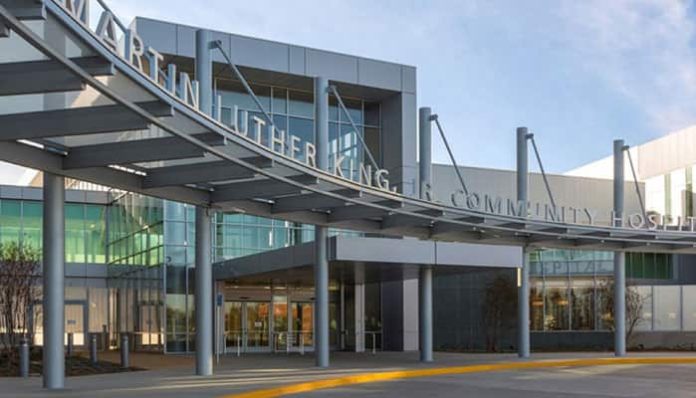
One of Los Angeles County’s busiest emergency departments is located at Martin Luther King Jr. Community Hospital.

It was one of just three Los Angeles hospitals to obtain the Health Care’s Most Wired award, which recognises excellence in a hospital’s use of information technology, after it opened in 2015. ASIS International also presented the hospital with an Outstanding Security Performance Award.

THE ISSUE

Malicious actors are increasingly focusing on healthcare networks due to the rise in ransomware attacks, cybersecurity problems, and data breaches.

According to Mark Reed, director of support services at Martin Luther King Jr. Community Hospital, whilst also continuing to work with the IT team to identify potential security advancements to safeguard personal identifying information and protected health information, they recognised their IDF and server rooms were susceptible to a physical breach.

He continued, if someone broke into a data-sensitive sector, one would have exposure to everything. Let’s say malicious individuals gain access to a hospital’s data centre. In such circumstances, it is crucial that users secure their physical areas through improved access control as they have access to the inner workings of the entire firm.

In response, hospital administration carried out a thorough risk analysis and found that the facility required more stringent security measures for its IT system and other sensitive locations. The ID badge-based admission system, though, raised questions about potential risks and weaknesses in the event that ID credentials were misplaced or stolen. As a result, Reed explained, they pursued biometric security and access control solutions to compliment the existing access control solution offered by AMAG Technology Symmetry Access Control in order to increase the security posture.

THE PROPOSAL

To strengthen on-site security, hospital administration and security staff began studying various biometric-based access control systems. They recognised they needed a solution that would help them achieve their security goals and protect their people.

They determined that the vendor Alcatraz AI best met their requirements.

Alcatraz AI, according to Reed, exhibits a remarkable rate of success for its authentication. The hands-free face authentication approach had very few limitations, such as soiled fingerprint readers or malfunctioning sensors that affected other security devices.

The fact that facial authentication followed a routine that many people currently use to activate their phones appealed to the employees as an access control mechanism, he continued. The technology proved familiar, simple to use, and efficient; as authorised personnel reached a door, it instantly unlocked, resulting in a seamless workflow that satisfied security and functional needs. The hospital was pleased with the results after testing the product and evaluating its efficacy.

CONQUERING THE STRUGGLES

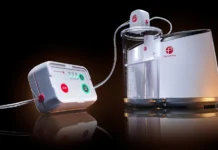
The Rock, a vendor’s product, was tested at the security operations centre of Martin Luther King Jr. Community Hospital. The most sensitive or classified systems and security employees are housed there, enabling staff to test The Rock for five months. Reed said, they did everything to make the machine break. People tried to deceive the authentication by hiding their faces and using other techniques, but the system was flawless.

The security team installed it in the sensitive spaces, notably IDF closets, server rooms, and other hospital sites where private data or crucial technology are housed, after utilising it every day for five months, he added. As more employees used The Rock, the team started getting requests from other employees to install The Rock in other places since it improved access control procedures and streamlined workflows.

According to Reed, The Rock is now completely connected with their AMAG access control system and AML systems. The procedure is simple.

THE RESULTS

According to Reed, The Rock tightened security in vulnerable places and assisted in making sure there were no security lapses at the hospital. The additional security measures helped make data protection an extension of the patient care mission because even one breach would be catastrophic for activities and patients, he continued.

Notably, he observed, the system hasn’t experienced any downtime since The Rock was installed, and it’s functioned with 100% dependability, making it a key component of their comprehensive security operations.

It also assisted them in obtaining HITRUST Certification, which confirms that a company has gone through a thorough review of its information security procedures. For applying necessary administrative, technical, and physical protection, the programme provides prescribed and quantifiable criteria and objectives.

HITRUST is widely regarded in the industry as a best practise for healthcare systems conforming to the highest data security requirements, but it does not substitute or supplement HIPAA compliance processes.

What medical negligence is costing the NHS (financially and beyond)

Since its inception in 1948, the NHS has been the UKโ€™s pride and joy and the envy of countries around the world where residents have to pay through the nose for medical treatments and prescriptions. Being able to provide free healthcare to all was a vital part of creating social equality in the nation and ensuring the wellbeing of women, workers, and children of all backgrounds. However, less than a hundred years on, the promise of free healthcare seems increasingly unsustainable as the NHS continues to haemorrhage staff and the quality of care provided is repeatedly found wanting, evidenced by a recent spike in medical negligence claims.

What is medical negligence costing the NHS?

In 2020-2021 alone, the NHS spent ยฃ7.9 billion on clinical negligence claims. Although this was a slight reduction on the ยฃ8.3 billion total in the previous year, this is still almost 5% of the funding that was allocated to health services by the Department of Health and Social Care for the same twelve-month period. When you consider that the total spend on clinical negligence claims in 1975 was just ยฃ1 million, even taking into account inflation the current cost to the NHS is staggeringly out of proportion.

This trend is clearly financially unsustainable and is also raising concern about the quality of healthcare provided by the NHS, potentially causing long-term damage to the organisationโ€™s reputation. Patient complaints are on the rise with around 12,000 choosing to use the services of solicitors who specialise in medical negligence to submit cases against the NHS in 2021, an all-time high of the last decade.

What is causing the rise in clinical negligence costs?

Looking back over the last five years, it is perhaps not surprising that the NHS has been struggling to deliver the expected standard of care to all of their patients (which number in the millions annually). Shortages of doctors and nurses following Brexit have led to a crisis in hospital staffing with overworked medical practitioners suffering from burnout during the Covid-19 pandemic and staff continuing to feel โ€˜under siegeโ€™ by the influx of patients making appointments post-lockdown.

In particular, claims relating to maternity care have been the biggest medical negligence cost to the NHS. Although accounting for just 10% of complaints, these claims can involve lifelong compensation such as in cases where the NHS is found to have been responsible for causing serious disability. Maternity malpractice connected with the NHS has been a regular feature in news headlines over the last few months as the Shrewsbury Maternity Report highlighted a series of catastrophic failings across a 20-year period that had tragic consequences for mothers and their babies.

How are the NHS combating these issues?

Although there is no quick-fix solution to the staffing crisis that is exacerbating the service issues most commonly connected to clinical negligence cases, such as misdiagnosis, the government is taking steps to safeguard the NHS against the rising cost of medical negligence claims. A new cap will be set to ensure that legal costs for lower value cases are more proportionate, but still fair, while a more streamlined process for submitting and addressing clinical negligence claims will help patients to be prioritised appropriately and secure faster solutions. These proposals, set out earlier this year, could save the NHS half a billion pounds over the next ten years.

Translate ยป