










Close
Digital Health & Ai Innovation summit 2026
Medical Taiwan 2026

Healthcare Is Embracing The Metaverse And Virtual Reality

Healthcare Is Embracing The Metaverse And Virtual Reality

According to research by Accenture, more than eight out of ten healthcare executives believe the metaverse will benefit the healthcare sector. The metaverse, where surgical groups can learn new techniques without needing to physically be in the same operating theatre, was dubbed “the next horizon” in healthcare by the Accenture Digital Health Technology Vision 2022 report.

Another use for safe verification could be for a patient on the go to securely communicate health information to a caregiver without needing to authenticate with a doctor. According to Kaveh Safavi, a senior managing director at Accenture Health, in healthcare, today’s greatest potential is capitalising on the possibilities of the area in between the real and totally virtual worlds.

He went on to say that it’s useful to consider augmented reality and its capacity to put digital knowledge on top of the practical expertise of physicians or to improve the hands-on teaching of medical students.

Safavi said he was startled to learn that almost all of the healthcare executives who responded to the study stated they now trust technological advancements more than societal, political, or economic developments to guide their businesses’ long-term objectives. He emphasised that, according to 64% of those polled, IT/security breaches, especially deepfakes or other misinformation attacks, are healthcare executives’ top concern.

According to him, as the healthcare sector ramps up its programmable world initiatives, many more linked, intelligent gadgets will be introduced, generating new points of entry linking the physical and digital worlds.ย Data interoperability and cybersecurity are two major obstacles to safely linking these technologies at scale.

Significantly, threats to data privacy and cybersecurity will not only affect the digital sphere but also have negative effects on the real world.

This means that in order to have reliable data, healthcare companies need to have the appropriate origin, route, rules, and controls in place. Many people, according to Safavi, just have one or two jigsaw pieces and are lacking the other essential components.

To influence governance, data interoperability, and cybersecurity standards, he advised joining collaborations and business competent authorities. From the perspective of interoperability, this can entail taking part in ecosystem-wide initiatives to establish standards for how healthcare device connections and communications are made.

WHY THIS IS IMPORTANT

Virtual reality (VR), augmented reality (AR), blockchain, and artificial intelligence (AI) are just a few examples of the technologies whose confluence is transforming human experiences in novel and creative ways.

These fresh perspectives will revolutionise healthcare delivery over the coming years, from managing clinical trials to coordinating patient encounters to developing innovative patient-centered approaches. According to a study recently published in JMIR, a VR therapy programme reduces pain intensity up to 6 months later when compared to a fake app.

THE GENERAL TREND

According to some analysts, the metaverse will materially change the healthcare scene. Digital twins, virtual models or simulations created using real-world data with the aim of understanding more about their real-world equivalent, would serve one purpose. This bio digital twin can be used to evaluate new treatments, according to chief metaverse officer, Futures Intelligence Group, Cathy Hackl,ย at ATA2022.

In March, CVS Health declared its intention to register its logo as a trademark, launch an online store, and produce downloadable virtual goods. Additionally, CVS aims to move some of its in-store health services, such as non-emergency medical treatment programs, wellness initiatives, nutrition counselling, and nutrition advice services to a simulated space.


How To Overcome Addiction and Recover Your Body and Mind? Useful Guidelines

How To Overcome Addiction and Recover Your Body and Mind? Useful Guidelines

Addiction drowns a person’s senses within a short time. Not only do addictions result in poor physical and emotional health, but you end up in a financial and social mess. Therefore, if you or anyone near you is suffering from any sort of addiction, do not hesitate to get help.

You can use the following guidelines as the first steps toward mental and physical recovery.

Acceptance

Acceptance is the key to recovery. If you accept that you have a problem and that it is making your life miserable, you need to do something about it. Often, addicts are either in oblivion or in denial that they genuinely have a substance abuse problem. This kind of thinking does not encourage recovery.

A number of people think they have it under control but in reality, they are only slaves to their addiction. This is how drugs play with your mind. Your entire psychology changes and makes you believe that you are fine when you are not.

Do a Self-Analysis

If you wish to check whether you are an addict, ask yourself these questions:

  • Can you live without this drug?
  • Do you fear losing your relationships to it?
  • Are you considering any risk factors related to this drug abuse?

If the answer to these is โ€œyes,โ€ you have a drug abuse problem. Now when you know for sure you have a problem, you need to ask yourself if you want to give it up? Do a pros and cons analysis. Check what is at stake if you don’t leave your addiction sooner.

If it affects your health and your family life, you must give it up.

Make a Commitment

If you have finally decided to give up on your addiction, make a commitment that you will leave it no matter what. Once you tell your brain that you are not going to leave the rehabilitation process in between, your mind will automatically burn all boats and try to remain firm no matter what.

The withdrawal process and giving up temptation are not easy tasks at all. It takes all the courage in the world to trick your mind and body into thinking that it no longer needs the drugs. So, a commitment beforehand is what makes recovery possible.

Find a Facility

Once you are ready to move on, search for a rehab facility nearby. You can’t just go to any random rehab center but only the one which offers all services according to your needs. There are public and private rehab centers. For public ones, you need to be on a waiting list. If your substance abuse is not so bad and you can not afford a private facility, you can go for a public one.

If you have the means, opt for a private facility to get rid of your addiction as soon as possible. Rehab facilities like Akasha Recovery provide not just help against substance abuse but the willpower and the strength to deal with a variety of mental health problems that come with it. Now some people may feel shy while seeking help but you must break out of this hesitation and take action toward a better future.

Start the Process

After finding a well-reputed facility and starting the rehab, flush out all the drugs you have on you. This is to stop any temptation from creeping in.

Your facility should be fully packed to offer you physical and, more importantly, mental healthcare. In the first few weeks, you will have withdrawal symptoms that can be pretty bad. All of this depends on how bad your addiction is. Once the process starts, you will be sick to your very core. Just remember that you are doing it for your future and the greater good of your family.

Remain Firm

You will face tons of temptations; you will have physical symptoms including vomiting and temperature accompanied by exhaustion and suicidal thoughts. All you need to tell yourself is that there is a new beginning awaiting you at the end of the road.

You must remember that you made yourself a promise, and you are going to honor that promise however challenging the situation becomes.

To conclude, recovery is a long road ahead, but it is better than an addiction which can cost your life. Decide which one of these two lives you want for yourself and your family. Once you are ready to give up substance abuse, stick to it until you are clean. Opt for the right place so that you are given all the help in the world. You will be surprised at your willpower which will lead to a beautiful and healthy future.

How technology is advancing the healthcare sector

The healthcare technology revolution: AI-assisted doctors

If you were born in the 1800s, you werenโ€™t expected to live a long life. In fact, you were considered lucky if you made it to the age of 30. Today, weโ€™re fortunate enough to have access to a whole host of medical interventions that allow us to fight off disease and heal devastating injuries that previously would have certainly resulted in death.

While scientific breakthroughs have a lot to do with the success of many medical inventions, the evolution of technology has played a significant part in the modernization of healthcare. From antibiotics and vaccines to digital diagnostics and robotic surgery, modern medicine has given billions of people a second chance at life.

Here, we explore how technology is advancing the healthcare sector.

Innovations that have saved lives

There have been a number of breakthroughs in health and science that have helped save countless lives. According to Aperion Care, Vaccines and blood transfusions were calculated to have saved approximately one billion lives, making them the most valuable healthcare innovations to society so far.

Bifurcated needles, which were designed to eliminate Smallpox, robotic surgery, antibiotics, and anesthesia were found to have saved millions of lives too, along with a wide variety of other medical interventions, drugs and technologies.

Other medical breakthroughs that made the list include insulin, mammograms, cervical cancer screening, kidney dialysis, antimalarial drugs, and organ transplants, to name a few.

How the electronic sector is helping the healthcare system

Digital technology has been gradually integrated into healthcare in the U.S over the last few years and is now an integral part of both hospital administration and medical care. Many hospitals now have access to diagnostic technology which can help provide faster and often more accurate diagnoses.

Robotics were first approved for use in the medical field in the year 2000 and have since saved millions of lives. Today, they are transforming traditional surgery practices, helping with everything from disinfecting surgical tools to operating virtually on a wounded soldier in a remote location.

The introduction of Internet of Things (IoT) technology has also been instrumental in the development of reliable digital technology, particularly in regard to the prevention of errors in medical records.

The future of healthcare technology

Technology is continuing to evolve at a rapid pace which means thereโ€™s hope more life-changing innovations could be on the horizon. Along with AI technology such as digital diagnostic systems, itโ€™s believed predictive analysis will also be introduced soon.

This would allow healthcare professionals to determine how a patient might react to certain medication or treatment and which patients are likely to be readmitted to hospital and why. This technology is also thought to be capable of detecting infections such as Covid, in the early stages of the virus through monitoring a patientโ€™s vitals remotely.

6 Tips for Boosting Your Body Confidence

6 Tips for Boosting Your Body Confidence

Many people struggle with low levels of self-esteem and body confidence, but there are various things you can do to try and boost this. A lack of body confidence can impact your personal relationships as well as the way you feel about yourself when it comes to working, studying, or making new friends. Here are some tips to consider if youโ€™re trying to boost your body confidence.

1. Focus on Your Health

Itโ€™s important to put your health and well-being first when youโ€™re doing anything to try and boost your body confidence. When people become driven by a desire to look better or be thinner rather than by the desire to feel better about themselves, it can create unhealthy habits than can be damaging in the long term.

2. Spend Time with the Right People

If you spend time around people who say negative things about your body or their own bodies, this can negatively impact the way you feel about yourself. Avoid spending time with people who donโ€™t make you feel good about yourself, and donโ€™t be afraid to call out bullying or unnecessary comments that are hurtful to you.

3. Revamp Your Wardrobe

People can feel more self-conscious about themselves if they donโ€™t like the clothes they are wearing. Think about going shopping and buying yourself some new clothes in a bid to boost your body confidence. Take a friend with you to get their opinions, but ultimately you should choose the clothes you feel most comfortable wearing. When you feel comfortable in your outfit, you will automatically feel better about yourself.

4. Consider Hair Removal

For some people, body hair can make them feel self-conscious about themselves and impact their confidence levels. You may want to consider having treatments to remove body hair, such as Laser Hair Removal Forever Bare BBL, which can help you to remove unwanted body hair forever.

5. Identify Specifics

In order to figure out what might help you most in boosting your body confidence, you should aim to identify specific things that cause you to feel less confident about yourself. By doing so, you can identify potential steps that might help you to boost your confidence, such as getting a new hairstyle or undergoing beauty treatments like pedicures or laser hair removal.

6. Work Out Regularly

Even if you donโ€™t have specific physical goals that you want to meet, regular exercise comes with many benefits and has been known to help boost self-esteem and body confidence. Any type of exercise can help you to feel happier and healthier, including by releasing endorphins โ€“ hormones that help you to feel happier.

Feeling good about yourself can feel very difficult at times, but there are things you can do to try and boost your self-esteem and body confidence. By taking the individual steps that you feel will help you to feel more confident, you could be on your way to feeling happier, healthier, and better about yourself.

Epion Health Provides Hansen Family Hospital Secure Patient Check-In Solution

Epion Health Provides Hansen Family Hospital Secure Patient Check-In Solution

Epion Health and Hansen Family Hospital announced the implementation of HITRUST-certified, digital engagement and check-in solutions for Hansen Family Hospital, Ackley Medical Center, Iowa Falls Clinic, and NESCO Family Medical Clinic. This partnership further solidifies Hansen Family Hospitalโ€™s commitment to providing its patient community with robust, secure technology to improve access to healthcare services.

Hansen Family Hospital, an affiliate of the MercyOne health system, engaged Epion Health to help standardize and streamline its registration and check-in processes while providing its patients with an easy-to-use and secure way to share their health information. Epion Healthโ€™s technology, designed to maximize patient engagement, was uniquely qualified to help achieve these goals.

At Hansen Family Hospital, we are continuously searching for ways to improve the health and quality of life of the patients we serve, and we believe that the technologies we use play a critical role in that pursuit,โ€ said George Von Mock, CEO at Hansen Family Hospital. โ€œOffering mobile patient check-in through Epion Health helps us deliver on our commitment to improve access and provide a secure, intuitive patient experience. We have already seen an immediate impact on the quality of data collected from patients and a reduction in time our staff has needed for administrative tasks.”

With patient access and standardization at the forefront, it was imperative that the Epion Health technology could easily integrate with Hansenย Family Hospitalโ€™s existing EHR, Cerner. Epion Health, a member of the Cerner Code Developer Program, leveraged the latest FHIR API-based standards to easily integrate with Cerner, resulting in accelerated implementation schedules and real-time data exchange.

โ€œBuilding customizable, scalable and automated patient access tools has always been a part of our mission, so we were excited to extend our capabilities with Hansen Family Hospitalโ€™s EHR provider, Cerner,โ€ said Max Tyroler, EVP of product and analytics at Epion Health. โ€œThrough our SMART on FHIR-powered Practice ToolKit, we offer a fully-integrated interface that streamlines staff workflows, enabling them to easily use Epionโ€™s tools within their familiar EHR environmentโ€”without the need for additional login credentials or outside dashboards.โ€

In the one month since its implementation, the Epion Health platform has helped Hansen Family Hospital and clinics increase accuracy of data collection, enhance data security, improve access to insurance information, reduce staff burden and boost patient satisfaction. It has also provided greater efficiency to the registration and check-in processes across all sites.

The FDA Allows Licenced Pharmacists To Administer Paxlovid

The FDA Allows Licenced Pharmacists To Administer Paxlovid

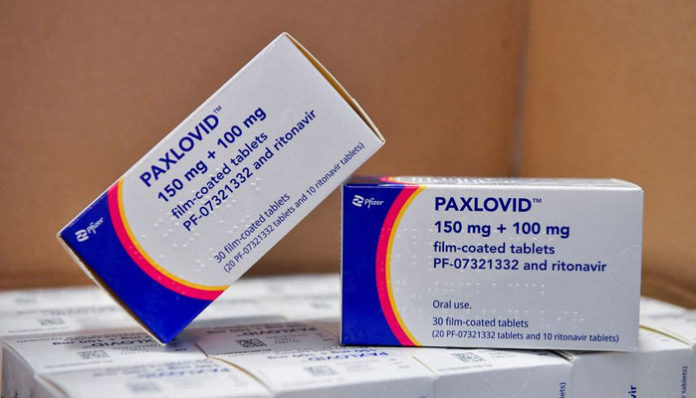
On Julyย 6, the US Food and Drug Administration modified the COVID-19 antiviral drug Paxlovid’s emergency use authorization to permit state-licensed pharmacists to recommend the medication to those who qualify.

Dr. Patrizia Cavazzoni, head of the FDA’s Center for Drug Evaluation and Research, issued a statement saying, that the FDA appreciates the critical role pharmacists have played and continue to play in battling this pandemic. Since Paxlovid must be taken within five days of the onset of symptoms, allowing state-licensed pharmacists to dispense it could increase the number of patients who have prompt access to care and are qualified for Paxlovid for COVID-19 treatment.

The FDA advised those who screened positive for COVID-19 to first consult with their regular doctor or locate a nearby test-to-treat facility where they can acquire a prescription from a doctor.

People who want to purchase Paxlovid from a pharmacist must have with them printed or electronic health records that are no older than 12 months and also includeย blood work to check for kidney or liver issues and a list of all meds being taken, both prescription and over-the-counter, to check for drug interactions. The pharmacist and the person’s healthcare practitioner could potentially consult in order to collect the health records.

According to the FDA, the updated EUA has specific restrictions to guarantee proper assessment and prescription. If there is insufficient information to examine liver function, kidney function, or probable drug interactions, if other prescriptions need to be changed, or if Paxlovid is not the right course of treatment, pharmacists should direct patients to medical professionals like doctors.

According to a study cited by the American Pharmacists Association, improving access to approved practitioners, including pharmacists, will boost availability and give more opportunity for socially vulnerable and medically deprived communities to receive these lifesaving medications.

Ilisa BG Bernstein, interim executive vice president and chief executive officer of the association, said in a statement that opening the door for pharmacists to act as practitioners will open the door to reasonable access at pharmacies in communities across the nation.

However, the FDA’s action was criticised by the American Medical Association. Paxlovid is not right for everyone, and prescribing it necessitates understanding of a patient’s medical history, clinical monitoring for side effects, and follow-up care to ascertain whether a patient is improving โ€” prerequisites far beyond a pharmacist’s purview and training, according to AMA President Dr. Jack Resneck Jr.

Physician-led teams that include pharmacists will provide the greatest, most thorough treatment for patients. But, whenever possible, the choice to prescribe should be made by a doctor who has access to the patient’s medical records and the capacity to monitor the patient. Paxlovid is approved to treat mild to moderate COVID-19 in adults over 12 who have tested positive for COVID-19 and are at high risk for developing severe COVID.

In December last year, the antiviral received authorization for emergency use. Pfizer disclosed in May that it had submitted the application for the FDA to fully approve Paxlovid.

A third of Americans reside in counties with a high COVID-19 community level, in which the Centers for Disease Control and Prevention advise everyone to wear indoor masks and include a cautionary note about the potential for increased strain on the healthcare system. The US Department of Health and Human Services’ data reveals that COVID-19 hospitalizations are slowly increasing across the country as well.

US Senators Ask For A HIPAA Update, Cite Privacy Concerns

US Senators Ask For A HIPAA Update, Cite Privacy Concerns

US Senators Michael Bennet, D-Colo., and Catherine Cortez Masto, D-Nev., urged HHS to use its authority to ensure that the Health Insurance Portability and Accountability Act- HIPAA Privacy Rule is best placed to ensure the health information of individuals pursuing reproductive healthcare in a letter to HHS Secretary Xavier Becerra on July 1.

According to the senators, the recent Roe v. Wade ruling by the Supreme Court has left profound uncertainty for patients over their right to privacy while making the very private decision to have an abortion. The Dobbs v. Jackson Women’s Health Organization ruling, as observed by policy experts, has ushered in a contentious new age for both data privacy and reproductive health.

The HIPAA Privacy Rule, which healthcare groups have long argued needs to be updated even before the latest SCOTUS decision is now inadequate to safeguard patient health information. Roe v. Wade had protected the right to an abortion for more than 20 years when HIPAA was put into effect in 1996, according to Bennet and Cortez Masto. It would have been unthinkable when the HIPAA Privacy Rule was enacted in 2000 that the Supreme Court would tear away this basic protection more than 20 years later.

The guidelines provided by HHS’s Office for Civil Rights this past week, which clarified the laws governing the privacy of medical information pertaining to abortion and reproductive health, were praised by the senators.

But, they added, HHS has the power to do more. The HIPAA Privacy Rule is intended to establish and restrict the situations in which an individual’s personal health information may be used or exposed by covered entities, according to Bennet and Cortez Masto.

In order to define who is a covered entity and to restrict when that business can share information about abortion or other reproductive health care, they urged HHS to quickly commence the process to revise the Privacy Rule, following all obligations under the Administrative Procedure Act. In particular, they argue that HHS should make clear that this data cannot be shared with law enforcement authorities that target people who have an abortion.

The agency should also decide if pregnancy care centres, commonly referred to as crisis pregnancy centers, are subject to the HIPAA Privacy Rule’s requirements. According to Bennet and Cortez Masto, millions of Americans have lost the basic constitutional authority to make their own medical and reproductive decisions. They must take every precaution to safeguard their essential right to privacy.

How Technology Can Help Improve Your Medical Practice Collections?

Respiratory Health Management Market to Expedite Digital, Smart, and Portable Solutions

Technological advancement has allowed for cost-effective medicines and innovative procedures with cutting-edge medical equipment to treat chronic and acute ailments in the best way possible. However, many medical practices still find it difficult to collect payments from patients on time, which ultimately leads to late payments of direct and overhead costs.

Therefore, many clinics and hospitals wonder how to maximize collections from patient services billing department to ensure smooth operations and the best treatment services to patients. For this, you can find numerous billing solutions that offer top-notch quality billing services for your medical practice online by searching for their website through a simple Google search.

In this article, we will discuss how technology can positively impact your medical practice collections, so you can adapt it to your practice. Read on to discover!

1. Electronic Funds Transfer (EFT)

Electronic funds transfers such as ATMs, electronic checks, mobile banking, or payment apps like PayPal make it convenient for you to record and collect payments rather than frequently taking several trips to banks. It will also make sure that the audit control procedure is optimal.

Moreover, you will make payments quick and hassle-free for your patients as they will have several options to choose from, instantly reducing your account receivables balance.

2. Cost Estimators

Several innovative payment patient estimation tools can be embedded in your medical practice website to help your patients calculate a cost estimate of the treatments they will be undergoing in your hospital or clinic.

This will facilitate you in collecting copays quickly before you provide your patients with a quick treatment, enhancing your medical practice collections.

3. Patient Portals

Setting up individual portals for your patients is a great way to keep in touch with your patients without being physically present. They can view their test reports, book an appointment with you, and even request new prescriptions.

You can also provide different payment methods on patient portals, so they can make a payment according to their convenience. You can also keep an eye on the updated insurance information to ensure your billing collections arenโ€™t disrupted.

4. Electronic Health Record Systems

With an EHR, you can only allow authorized users to access your patientโ€™s data and their x-ray images, sound files, lab tests, medications, and other diagnoses.

It minimizes the paperwork for you, lifts the burden off your employeeโ€™s shoulders, and improves your practiceโ€™s revenue cycle. As soon as a patient gets registered with you, the system will assign a specific code, which you can use in the future for reference for the number of services provided so that you can bill them accurately.

5. Automated Insurance Verification

It can be challenging for medical practices to immediately recover account receivables from patients because their insurance plan doesnโ€™t cover a particular service or treatment. This information only becomes known after all the services have been rendered.

Hence, an automated insurance verification tool can instantly confirm what services your patientโ€™s insurance covers at the start, so your patient collection process isnโ€™t interrupted. If some of the treatments arenโ€™t covered by their insurance plan, you can discuss other payment options with them.

What is Arthroscopic Surgery?

What is Arthroscopic Surgery?

According to the Arthroscopy Association of North America (AANA), arthroscopic surgery is a minimally invasive surgical procedure performed through small incisions using an arthroscope โ€” a long narrow tube with a fiber-optic video camera attached that is illuminated by a light. By using this specialized tool, orthopedic surgeons can get a better view of the joint and surrounding areas to diagnose the injury or condition and create a treatment plan.

Click Cedaorthopedicgroup.com, a medical leader in orthopedic treatments and pain management, has helped thousands of patients with joint conditions. If you are experiencing severe joint pain or have sustained a joint injury, they recommend seeking the assistance of a physician to identify and treat your joint condition. With proper treatment, hopefully, you can return to your exercise routine and perform regular outdoor activities.

About the Surgery

Arthroscopy is a minor surgery performed on an outpatient basis, which means the patient can go home the same day. Your doctor may recommend the procedure if you have inflammation in a joint, have sustained an injury, or have damaged a joint over time. Arthroscopic surgery can be performed on any joint, such as the knee, shoulder, elbow, ankle, hip, or wrist.

The procedure will require anesthesia. The dosage will depend on the joint and where your surgeon suspects the problem is located. This may include the administration of general anesthesia (the patient is fully asleep), or local anesthesia (where the operation site is numbed and the patient is fully conscious). An orthopedic surgeon will then insert an arthroscope through a small incision to see inside the joint. The fiber-optic video camera projects a live image of the joint onto a screen for the surgeon to examine.

Diagnosing a Joint Condition or Injury

After examining the inside of the joint, your surgeon will diagnose the problem and decide what type of surgery you require. If you need an operation, your surgeon will use other specialized tools inserted into small incisions called โ€œportals.โ€ However, if your surgeon decides the joint issue requires traditional open surgery, they may do so at the same time as the arthroscopic surgery.

After the procedure is complete, the arthroscope is removed as well as any other attachments or devices. The wound is then closed with special tape or stitches.

Patients with the following conditions may need arthroscopic surgery:

  • Loose bone fragments
  • Damaged or torn cartilage
  • Inflamed joint linings
  • Torn ligaments
  • Scarring within joints

The Benefits of Arthroscopy

According to Cleveland Clinic, arthroscopy is a safe, effective way for healthcare providers to examine joints, muscles, ligaments, and tendons and to perform treatments. This procedure can treat all types of joint and ligament problems using very small incisions. When compared to open surgery, the benefits of arthroscopic surgery include a faster recovery rate, less pain, minimal blood loss, and little to no scarring.

Post-Surgery Care and Treatment

After the procedure, you should be able to go home the same day after a waiting period of a couple of hours. However, itโ€™s important to keep in mind that not every patientโ€™s recovery is going to be the same. Some arthroscopic surgeries may require a longer recovery period than others. Your surgeon will then review the findings of the arthroscopy with you as soon as possible and may send a document of the diagnosis and how the problem was corrected, including post-surgery treatment options for pain.

NHS Birthday Heralds First Chemo Drone Delivery In The World

According to an announcement from NHS chief executive Amanda Pritchard on July 5, cancer patients in the NHS will be the first in the world to receive chemotherapy administered through a drone as part of a new trial. The life-saving medicine may be picked up and handed to patients on the same day thanks to the drones, which should take off for the first time in the weeks ahead.

On the 74th anniversary of the NHS, chief executive Amanda Pritchard announced the significant trial, calling the drone delivery merely the most recent “extraordinary” example in a year that has highlighted NHS creativity and cutting-edge technology. Chemo will be flown from the pharmacy at Portsmouth Hospitals University NHS Trust to St Mary’s Medical in a first-of-its-kind trial that will begin on the Isle of Wight, where employees will collect it before distributing it to hospital teams and patients.

Because some chemotherapy dosages have a short shelf life and are difficult to transport, the NHS has worked with the tech company Apian to develop a novel method of delivering the medication to patients in a jiffy. Drones will reduce the typical delivery window from four hours to 30 minutes, conserving both money and fuel while greatly improving the convenience of cancer care for patients on the Isle of Wight who currently frequently must go to the mainland for treatment.

Each delivery made with a drone eliminates the need for at least two automobile trips; one trip on a hovercraft or ferry; and one trip on the ground, reducing carbon emissions and enhancing patient and community air quality. Additionally, it will assist the NHS in becoming the first carbon-neutral healthcare system in the world. The drone concept will be tested in Northumbria after the Isle of Wight and might enable doctors to place same-day orders for crucial medical supplies and other treatments.

Delivering chemo by drone is yet another exceptional advancement for cancer patients and demonstrates how the NHS will stop at nothing to make sure people get the care they need as quickly as possible while also slashing costs and carbon emissions, said Amanda Pritchard, chief executive officer of the NHS. It has been another incredible year of innovation in how the health service provides treatment and care, from a smartwatch to manage Parkinson’s to ground-breaking prostatic therapies and making the most expensive medication in the world accessible to NHS patients.

As the NHS turns 74, it is evident that the speed of change and progress throughout the healthcare system is only quickening as the amazing workforce strives to take advantage of game-changing discoveries to better the lives of patients, as they committed to doing in the NHS Long Term Plan.

Sajid Javid, the secretary for health and social care, asserted that he wants England to become a global leader in cancer care, and employing the most up-to-date technology to administer chemotherapy by drone ensures patients will have speedier, more equitable access to care no matter where they dwell.

As the NHS turns 74, developments like these will enhance patients’ access to life-saving care and ensure that the NHS is making the maximum use of the unprecedented funding they are investing to clear the COVID backlogs. The future 10-Year Cancer Plan will lay out a strategy for how they will accelerate diagnosis, provide ground-breaking new therapies, and transform cancer services nationwide.

The NHS Long Term Plan made a commitment to using cutting-edge technology while introducing fresh discoveries and therapies to patients all around the nation. In an innovative experiment to transform NHS care, the NHS revealed earlier this year that patients with Parkinson’s disease would receive life-altering smartwatches that allow clinicians to remotely check their condition.

The health service also started using a revolutionary therapy to treat sickle cell patients after negotiating a deal for crizanlizumab, a treatment that will be made available to close to 5,000 patients in 3 years. Thanks to a historic agreement reached by NHS England to ensure that all patients can access it in accordance with MHRA guidance, the NHS has also been able to provide the ground-breaking cystic fibrosis treatment, Kaftrio, for the first time ever to hundreds of children between the ages of 5 and 12.

One of the first children under the age of 12 to begin receiving the drug this year was Kate Farrar, who is seven years old. The drug is innovative in that it starts treating the root cause of cystic fibrosis, giving Kate hope that she will realise her dream of competing in the Olympics as an Olympic gymnast.

After taking part in a Cytosponge project being implemented by NHS England, Pat Maunders, 64, from Rushden in Northamptonshire, was recently identified as having oesophageal cancer. To gather samples for examination, Cytosponge uses a tiny capsule-shaped device that is ingested and then removed via a string.

Kettering General Hospital, where Mrs. Maunders had her care, said that, on the whole, it was a very rapid process; there was no pain or suffering, and there was nothing to be scared of. She was pleased to have it instead of a gastroscopy tube camera inquiry under sedation and appreciates the NHS research because it is less invasive and quicker.

Swallowing was simple, but now you have to wait. The meticulous removal of the sponge is the sole momentary annoyance, which lasts for about three seconds.

This year, the NHS reached a number of agreements for patients with advanced and aggressive cancers, including Dostarlimab, a 30-minute treatment for advanced womb cancer, and daratumumab, a life-extending injection for blood cancer. Daratumumab can add an average of nine months to the lives of patients with multiple myeloma, a recurrent and untreatable cancer of the bone marrow cells.

Darren Cattell, Isle of Wight NHS Trust CEO, stated that the island has a rich reputation for innovation when discussing how the chemo drone will enhance services there. By utilising the newest technologies to meet their problems and give the patients the finest care possible, they are thrilled to carry on that tradition.

Although they are currently in an early stage, the idea of using drones to deliver medical supplies has radical and beneficial implications for the NHS, patients across the UK, and the Isle of Wight. Being a part of this groundbreaking endeavour is fantastic.

Alexander Trewby, CEO of Apian, stated his mother spent her entire life working for the NHS in Portsmouth before she died from cancer 3 years ago. This project marks a very important first step in the development of a system of drone corridors connecting hospitals, pathology labs, general practitioners’ offices, care facilities, and pharmacies right across the country so that, in the future, everyone’s mother will benefit from the delivery of faster, smarter, and greener healthcare.

Director for Innovation, Research, and Life Sciences at NHS England and Chief Executive of the Accelerated Access Collaborative, Matt Whitty said it’s a delight to see an innovation that started as a concept from skilled NHS staff get to be a reality with such huge potential.

Translate ยป