










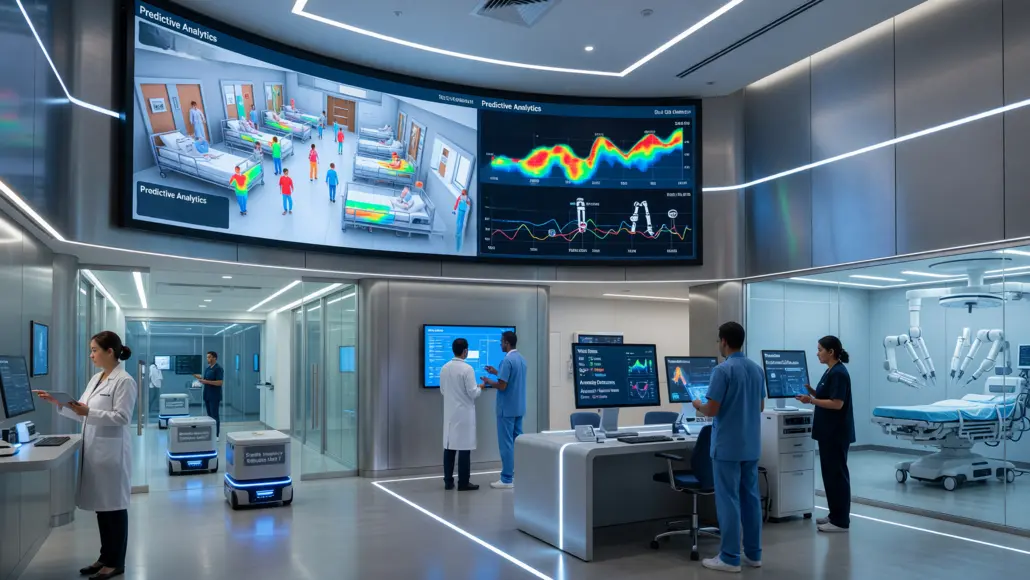

The medical field is currently at a critical junction where the integration of digital intelligence and physical automation is redefining the very concept of a hospital. We are no longer looking at individual machines performing isolated tasks but rather the emergence of a comprehensive, interconnected ecosystem. As intelligent robotics next gen hospital systems become more prevalent, the focus of healthcare is shifting from reactive treatment to proactive, data-driven wellness. This evolution is being driven by the fusion of advanced robotics with artificial intelligence (AI), creating a new generation of “smart” facilities that are capable of learning, adapting, and predicting the needs of both patients and practitioners. In this new era, the hospital itself becomes an active participant in the healing process, utilizing real-time insights to ensure that every decision is backed by the highest level of precision and information.
The Architect of Smart Hospital Systems: AI and Robotics
The true power of next-gen hospitals lies in their ability to process vast amounts of data through AI robotics healthcare platforms. Traditional hospital systems often operate in silos, with information regarding patient vitals, medication schedules, and facility logistics managed independently. In contrast, smart hospital systems integrate these disparate data streams into a unified digital twin of the facility. This allows for the intelligent automation hospitals require to manage complex patient flows and resource allocations with unprecedented efficiency. For example, an intelligent robotic system can monitor the occupancy of every room in a hospital and automatically coordinate the cleaning, restocking, and patient transport needed to minimize wait times. This level of coordination is beyond the capacity of manual management and is a cornerstone of digital health innovation.
Beyond simple logistics, the AI-driven smart hospital can also optimize the energy consumption and environmental conditions of the facility. By correlating patient census data with external weather conditions and building occupancy, the system can adjust lighting, heating, and cooling in real-time to ensure maximum comfort while minimizing waste. This “intelligent building” approach not only reduces operational costs but also contributes to a more sustainable and healing-conducive environment for patients. The integration of sensors and robotic agents across the facility creates a “nervous system” for the hospital, allowing it to respond dynamically to changing conditions and to proactively address potential issues before they impact patient care. This level of environmental control is especially critical in specialized areas like neonatal units or surgical suites, where even minor variations in temperature or humidity can be detrimental.
Predictive Healthcare Technology and Patient Outcomes
One of the most transformative aspects of intelligent robotics next gen hospital systems is the incorporation of predictive healthcare technology. By analyzing historical data and real-time sensor inputs, these systems can identify patterns that indicate a patient’s condition is likely to deteriorate before clinical symptoms even appear. For instance, an AI-powered monitoring robot could detect subtle changes in a patient’s gait or heart rate variability that suggest an impending fall or cardiac event. This allows the clinical team to intervene early, potentially preventing a crisis and reducing the overall length of the hospital stay. This shift toward predictive care is a fundamental change in how medicine is practiced, moving the focus from treating illness to maintaining stability and preventing complications through intelligent, automated surveillance.
The use of predictive models also extends to the management of elective procedures and bed capacity. By analyzing patient flow data and historical discharge patterns, the smart hospital system can predict when beds will become available and schedule incoming patients with minimal wait times. This reduces the “boarding” of patients in the emergency department and ensures that clinical resources are used as efficiently as possible. For patients, this means a more predictable and less stressful hospital experience, while for the hospital, it translates into increased throughput and improved financial stability. The ability to “see around the corner” is a major competitive advantage for hospitals operating in high-demand urban areas, where every bed and every minute of staff time is a precious resource.
Enhancing the Clinical Environment with Intelligent Automation
The day-to-day operations of a hospital are filled with repetitive, high-stakes tasks that are ideally suited for intelligent automation hospitals. From the automated delivery of sensitive biological samples to the precise preparation of complex IV medications, these systems are reducing the risk of human error in every corner of the facility. In the operating room, intelligent robotic assistants can manage the surgical environment, adjusting lighting and equipment based on the stage of the procedure, while AI algorithms provide the surgeon with real-time anatomical overlays. This synergy between human expertise and machine intelligence ensures that the clinical environment is always optimized for the task at hand. Furthermore, these systems can assist with the physically demanding task of patient repositioning, reducing the risk of workplace injuries for nursing staff and ensuring that patients are moved safely and comfortably.
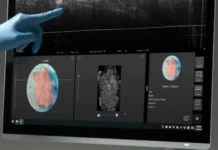
In the diagnostic imaging department, AI algorithms are already assisting radiologists by highlighting potential areas of concern in X-rays, CT scans, and MRIs. This “second set of eyes” can improve the speed and accuracy of diagnosis, especially in busy trauma centers where rapid decisions are essential. As these systems become more integrated with the hospital’s robotic agents, we could see the development of autonomous diagnostic stations that can perform routine screenings and provide preliminary reports with minimal human intervention. This would free up highly trained specialists to focus on the most complex cases, while ensuring that all patients receive timely and accurate diagnostic services. The ability to scale clinical expertise through intelligent automation is a key factor in addressing the global shortage of healthcare professionals.
Data-Driven Decision Making and Real-Time Insights
The lifeblood of intelligent robotics next gen hospital systems is data. Every interaction between a robot and its environment generates valuable information that can be used to further refine hospital operations. AI robotics healthcare systems can analyze thousands of hours of robotic movement to identify bottlenecks in hospital corridors or suggest changes to the layout of a ward to improve efficiency. This continuous feedback loop ensures that the hospital is always evolving and improving its performance. For hospital administrators, these real-time insights provide a level of operational visibility that was previously impossible. They can see at a glance where resources are being used, identify areas of waste, and make informed decisions about future investments in technology and staffing. This data-driven approach to hospital management is essential for providing high-quality care in an increasingly complex and resource-constrained environment.
This wealth of data also supports the hospital’s clinical research and quality improvement initiatives. By aggregating data from thousands of patient interactions, researchers can identify which treatments and workflows are most effective for specific patient populations. This “real-world evidence” can be used to update clinical guidelines and ensure that the hospital’s practice is always aligned with the latest evidence-based medicine. The smart hospital acts as a living laboratory, where every patient visit contributes to the collective knowledge of the medical community. This accelerated pace of learning is essential for addressing the rapid evolution of diseases and the growing complexity of modern medical treatments. For the individual patient, this means receiving care that is not only personalized to their specific needs but also informed by the collective experience of millions of others.
Overcoming the Challenges of Digital Health Innovation
The transition to intelligent robotics next gen hospital systems is not without its hurdles. One of the most significant challenges is the need for a robust and secure digital infrastructure. These systems require high-speed, low-latency connectivity to function effectively, as well as stringent cybersecurity measures to protect sensitive patient data. Additionally, there is the challenge of interoperability; for a hospital to be truly “smart,” all of its various devices and software systems must be able to communicate with each other seamlessly. This requires the adoption of industry-wide standards for data exchange and a commitment from technology vendors to open, collaborative platforms. Finally, there is the human element; staff must be trained to work alongside these advanced systems and understand how to interpret the data they provide. This requires a cultural shift in healthcare education and a focus on digital literacy for all medical professionals.
Another significant barrier is the potential for “data silos” within the organization. Even with the best technology, if different departments are not sharing their data effectively, the benefits of the smart hospital will be limited. Hospital leadership must foster a culture of data transparency and cross-departmental collaboration to ensure that information flows freely to where it is most needed. This may require the creation of new roles, such as “Chief Health Information Officers,” who are responsible for the overall data strategy and governance of the facility. Ensuring that data is not only collected but also translated into actionable insights for clinicians and administrators is a major focus for the next generation of healthcare leaders.
The Ethical Implications of AI in Healthcare
As we integrate more intelligence into our hospital systems, we must also grapple with the ethical implications of increased automation. Issues such as algorithmic bias, data privacy, and the role of human judgment in clinical decisions are of paramount importance. It is essential that these systems are designed with transparency and accountability in mind, ensuring that the final decision-making power remains with the human practitioner. We must also ensure that the benefits of intelligent robotics next gen hospital systems are accessible to all patients, regardless of their socioeconomic status or location. This requires a concerted effort from policymakers, healthcare leaders, and technology developers to create equitable and inclusive health systems that leverage the power of technology to improve outcomes for everyone.
The question of “explainability” in AI is also a major ethical concern. For a clinician to trust an AI-driven recommendation, they must understand the underlying logic that the system used to reach that conclusion. “Black box” algorithms that provide answers without explanation are difficult to integrate into a professional environment where accountability is central. Developers must prioritize the creation of “Explainable AI” (XAI) that can provide clear justifications for its findings, allowing the human practitioner to verify the reasoning and make a more informed final decision. This collaborative approach ensures that technology remains a tool for enhancing human judgment rather than replacing it.
The Future of the Intelligent Hospital
Looking toward the horizon, the potential for intelligent robotics next gen hospital systems is nearly limitless. We are seeing the emergence of nanotechnology-based robots that can deliver medication at the cellular level, as well as sophisticated telepresence systems that allow for remote surgery and consultation across continents. The hospital of the future will be more than just a building; it will be a dynamic, intelligent entity that follows the patient throughout their entire care journey, from the initial diagnosis to long-term recovery at home. By embracing digital health innovation and the power of AI robotics healthcare, we are creating a more resilient, efficient, and compassionate healthcare system.
In this future scenario, the distinction between the “hospital” and the “home” will become increasingly blurred. Patients will be monitored by the same intelligent systems regardless of their location, with robotic agents available to provide support and deliver care in the community. The hospital will serve as the “central hub” of a vast network of decentralized health services, coordinated by AI and powered by robotics. This vision of a “hospital without walls” is the ultimate goal of the next generation of medical systems, providing high-quality, continuous care that is tailored to the individual’s life. The journey toward this future has already begun, and the hospitals that lead the way will be those that understand the transformative power of intelligence and automation in the service of human health.