Close
Digital Health & Ai Innovation summit 2026
Medical Taiwan 2026

QR Codes: Increasing Cleaning Responsiveness and Patient Satisfaction

QR Codes: Increasing Cleaning Responsiveness and Patient Satisfaction

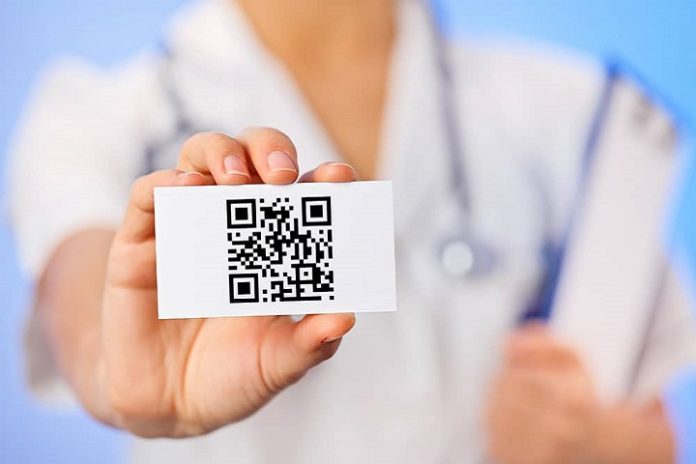
The COVID-19 pandemic has elevated patientsโ€™ awareness of environmental factors within hospitals and other healthcare settings, presenting a challenge for leaders to meet patientsโ€™ higher expectations for cleanliness. At CarePoint Health, a three-hospital system in Hudson County, N.J., facility management services provider Sodexo has placed the solution in the hands of patients, visitors, and staff, launching a QR code system throughout its hospitals that allows anyone to use their smart phone to scan the code and place a request with environmental services. The new system is helping alleviate the need for nurses to address housekeeping issues while also improving turnaround times and will lead to patients being less reliant on the call button for nonmedical related requests.

CarePoint Health is the first hospital system on the eastern seaboard to utilize the TDSS QR code Touchless Technology for cleaning services that assists with combatting infection and drives workflow efficiencies while assuring protected patient information. However, the use of QR codes in healthcare is not new; hospitals and other healthcare entities are using QR codes to support patient and equipment tracking, ensure drug safety, and facilitate patient education, among other use-cases. Within environmental services, QR codes allow for efficiencies of work in addressing cleanliness and patient safety concerns and facilitate faster response times. Spills and overflowing sharps containers can now be addressed in a timely manner without interrupting the flow of patient care. In later phases visitors will be able to summon housekeeping if a public restroom needs attending.

Scanning the QR code directs the user to an environmental services portal that identifies the room location and provides a list of job options, as well as a comment section. Once the user creates a task, it alerts the environmental services team member assigned to that area, along with the notes and instructions. The environment services team member scans the code upon entering the room and completing the task, helping track response and completion times. Clinicians no longer have to stop what they are doing to log-in and place a request electronically or call to request services. And patients and visitors can make requests directly with the environmental services department, rather than asking a nurse or other staff member to do it for them.

Changing patientsโ€™ perceptions of cleanliness

According to research by Press Ganey, a leading provider of patient experience measurement, cleanliness has been elevated to a core value that patients expect within the hospital environment. Patients no longer gauge a hospitalsโ€™ cleanliness based on the physical environment alone, but whether they โ€œfeelโ€ clean throughout their stay or during their patient encounter. Feeling clean directly correlates with how patients rate their overall hospital experience and can impact funding through the U.S. Centers for Medicare & Medicaid Servicesโ€™ Hospital Consumer Assessment of Healthcare Providers and Systems survey, which ties Medicare reimbursement to patient satisfaction. For hospitals and health systems to turn the needle on patient satisfaction and experience, Press Ganey suggests, they must engage and inform patients and clinical teams around environmental services. Essentially, hospitals and health systems must adopt a standard of clean that empowers patients and clinicians and aligns personal hygiene with environmental health and safety.

Empowering patients and staff to support environmental services can also impact the organizationโ€™s overall quality and safety outcomes, according to another Press Ganey study that links patient perception of cleanliness with hospitalsโ€™ quality and safety performance indicators. Patient perception of cleanliness directly corelates with the risk of healthcare-acquired infections (HAIs) and other quality measures, for example. If patient perception of cleanliness is low, the risk of HAIs is elevated, the Press Ganey study finds. By targeting patient perception of cleanliness, organizations not only improve patient experience scores, but can also improve key quality and patient safety metrics.

Cleaning on demand

The use of the QR codes system for environmental services helps hospitals and health systems achieve an elevated standard of clean and improves patient and clinician satisfaction. Call button alerts can be reduced by providing direct access to environmental services for requests of bathroom cleaning, room refresh, and tray removal, for example. Nurses receive fewer interruptions, allowing them more time for direct patient care. And patients are happy with the fast response times and overall level of cleanliness, making them more likely to recommend the hospital to others.

At CarePoint Health, Sodexo turnaround times for discharge cleans decreased from an average of 70 minutes to 43 minutes โ€” a 39% improvement โ€” during the pilot phase of the QR code implementation. The average response time for discharge clean requests (arrival to the room) was 22 minutes. The health system saw even greater gains in miscellaneous cleans. Turnaround times decreased from 47 minutes to 14 minutes โ€” a 70% improvement, while the average response time (arrival to the room) was 7 minutes.

QR Codes are ubiquitous in everyday life and are playing a greater role in the delivery of safe, effective, patient-centered care. By empowering patients, clinicians, and visitors with greater control of their environment, hospitals and health systems can enhance environmental hygiene and ultimately the experience and satisfaction of clinicians and patients. This will help support staff retention and build patient loyalty and ultimately help organizations become the provider of choice in their communities.

The RPM Factor: Improved Care with Decreased Cost

The RPM Factor: Improved Care with Decreased Cost

It isnโ€™t breaking news that hospital systems are at an economic inflection point. Increasing labor and supply costs balanced against increased emergency room visits, longer lengths of stay and decreased operating room revenue is adversely impacting many systemsโ€™ bottom lines. There arenโ€™t easy answers, but there are technologies that can contribute to positive patient outcomes without incurring excessive cost.

COVID-19 forced myriad changes to healthcare delivery throughout the care cycle. Patients are interacting with providers differently โ€“ sometimes delaying care, while in other cases choosing virtual care options. According to Kaufman Hall & Associates halfway through 2022 hospital operating margins are still below pre-pandemic levels, despite a pent-up demand for services by patients who resisted earlier treatment. Telemedicine and technology such as remote patient monitoring (RPM) are viable options to address current and future needs.

The reality of implementation

Research from Deloitte indicates that RPM is expected to save the U.S. healthcare system $200 billion over the next 25 years, which sounds promising, but what does that really mean? RPM offers a more effective method of collecting information to provide care, but there are initial costs in equipment, training, process adaptation, etc., even if the capital outlay tends to be lower than conventional medical equipment. Implementing a new technology isnโ€™t immediate so thereโ€™s the need to carry existing systems while phasing in the new one. The same situation occurs in any business, not just healthcare so some of the same challenges and relevant solutions apply.

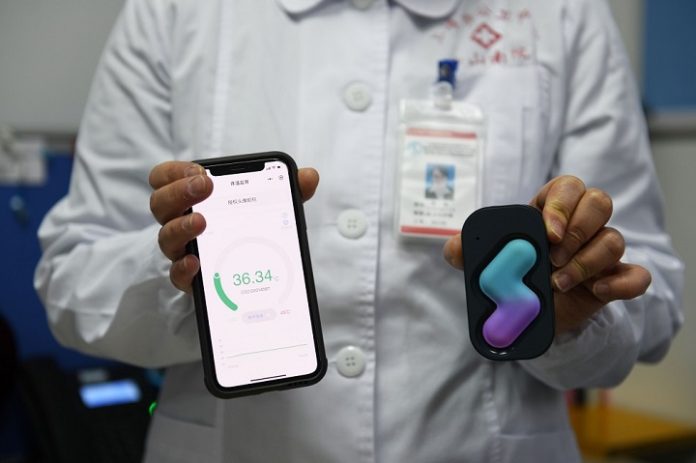
However, for healthcare systems thereโ€™s a tangible multi-level benefit of implementing RPM technology. Beyond dollars, when RPM technology is used successfully, the logistical efficiency means patients donโ€™t have to drive back and forth to the hospital, and more patients can be seen during a given shift, a key metric given the current staffing issues in many facilities. Speed and access to quality data can also be improved with RPM. For example, vital signs and other physiological parameters can automatically be captured from patients in quarantine situations and routed to the caregiver without unnecessary physical contact. This option increased in use substantially during the COVID-19 pandemic to ensure continuity of care without undue risk to providers.

With acute care for a specific incident or condition, RPM can facilitate a patientโ€™s earlier discharge from the hospital or inpatient facility if the condition can be effectively monitored from home. Using RPM to monitor discharged patients can positively reduce a patientโ€™s length of stay and help prevent patients unnecessarily returning to the emergency room. For 2021, Kaufman Hall reports โ€œpatients seeking care during the past year also required longer hospital stays, with full-year adjusted discharges for the industry up 6.9 percent over 2020, adjusted patient days up 11.8 percent, average lengths of stay up 3.5 percent, operating room minutes up 8.3 percent and emergency department visits up 10.9 percent.โ€ RPM technology can provide an automated and continuous means to check on the patient and alert the caregiver of ongoing conditions or a potential issue.

The budget impact

Thereโ€™s no denying that healthcare is a business and one that can involve layers of bureaucracy so adding new devices and technology can be tough to get approved, purchased and implemented. But healthcare systems must efficiently manage care expenses to be profitable, so optimizing resources is critical. To add RPM, it can be difficult to justify the ROI for using new technology to replace an existing process. However, using RPM to add a new revenue source may be more attractive for a hospital system. Hereโ€™s an example. Cardiologists have used Holter monitors for decades but that still requires multiple in-person patient visits as well as a technician downloading and reviewing the data. While a Holter could be the best choice for some patients, adding an option for mobile telemetry based cardiac monitoring means an additional service option thatโ€™s more appealing to some demographics.

McKinsey & Company reports that โ€œ$250 billion of U.S. healthcare spend could potentially be shifted to virtual or virtually enabled care,โ€ especially among patients whoโ€™ve grown up with technology. That โ€œvirtual careโ€ must go beyond video calls and telemedicine for it to significantly impact healthcare systems. There are compelling applications to use new technology. Think about when computers first became mainstream. Telling an accounting manager she can do myriad novel things with a computer is great โ€“ conceptually. But realistically it doesnโ€™t matter unless one of those functions fulfills a compelling need. When accounting departments learned they could use a computer to digitize patient billing to automatically generate, send and track invoices, it saved countless hours of staff time and improved accuracy as well as efficiency. That savings and improvement justified the cost of the equipment, the software, and the training. RPM is similar. For example, if vitals can be monitored and the data used to alert oncologists to a proclivity toward neutropenic fever in chemotherapy patients, proactive care can help prevent hospital readmission.

According to the Hospital Readmission Reduction Program (HRRP), Medicare payments are decreased to hospitals that have disproportionately high readmissions. Specific conditions cited include Acute Myocardial Infarction, Chronic Obstructive Pulmonary Disease, Heart Failure, Pneumonia, Coronary Artery Bypass Graft, and Surgery for Elective Primary Total Hip Arthroplasty and/or Total Knee Arthroplasty. RPM offers viable options to monitor and provide data related to each of those conditions, representing opportunities to provide significant patient analysis for proactive care.

A study of Washington state hospitals showed โ€œas readmissions continue to happen, a gradual increase in expenses due to greater use of resources may lead to decreased profitability.โ€ Doesnโ€™t it make both medical and financial sense to do as much as possible to prevent patient readmission?

The bigger picture

With RPM, itโ€™s also possible to have too much of a good thing. Continuous monitoring provides an enormous amount of raw data. The right application will ultimately show streamlined data thatโ€™s applicable to the situation. Consider self-driving cars. The onboard sensors generate copious amounts of data, but software analyzes and filters just what the driver needs to see. Similarly, continuous RPM monitoring results in mounds of data but the right software and algorithm make the data useful without being overwhelming.

Engaging the appropriate biometric monitoring platform ensures the data is processed for analysis without overwhelming those providing care. The comprehensive monitoring system must align with the needs of those within the healthcare system. Patients with chronic conditions could require more ongoing monitoring to keep issues in check while those with acute situations can benefit from earlier discharge while ensuring conditions continue to be monitored. In either case, patients still receive proper supervision without staying in the hospital.

While all the studies and statistics have a point, whether RPM technology is right for a particular healthcare system comes down to specifics. This can be a classic case of ensuring the right person with decision-making power has access to the knowledge of what RPM can do, to be able to see beyond the initial investment to the bigger picture. It takes looking at more than the reimbursement that varies between Medicare payouts and private insurance to analysis of the real cost of re-hospitalization to ascertain the financial benefit to the overall hospital system. When thatโ€™s a fit, the hospital benefits through better data, better informed providers and ultimately, more satisfied patients.

6 Ways Eating Quality Chocolate Affects Your Health & Wellbeing

6 Ways Eating Quality Chocolate Affects Your Health & Wellbeing

“All we need is love, but sometimes a little chocolate won’t hurt,” said American illustrator Charles Schultz. Chocolate has been a favorite delicacy of people for centuries. The best friend in good times, but also in difficult times. There is a myth that chocolate has a bad effect on our bodies and a widespread belief that it is harmful all the time. But, scientists prove the opposite to the joy of us all.

Natural antioxidant

Dark chocolate contains a high level of flavonoid antioxidants that protect cells and tissues from free radicals and improve the work of the cardiovascular system. Chocolate that contains 70% or more cocoa butter is rich in fiber and many minerals, such as iron, manganese, magnesium, zinc, and selenium. Raw cacao nib was one of the foods that performed best in the test against free radicals, which means that it is one of the best sources of antioxidants. This is precisely why chocolate, which has a high level of cocoa solids, is a powerful source of antioxidants.

It lowers blood pressure

Chocolate stimulates blood flow, protects and prevents clogging of arteries, and raises the level of good cholesterol. It lifts the mood and has a positive effect on brain functions.

Many studies have proven that pure cocoa and dark chocolate can improve blood pressure. Bioactive ingredients found in the cocoa fruit improve blood flow in the arteries and lower blood pressure. Cocoa powder is known for its ability to lower bad cholesterol while at the same time raising good ones. Dark chocolate also helps if you have insulin resistance because it can have a beneficial effect on alleviating symptoms.

However, milk chocolate contains a lot of sugar, and its consumption leads to a sudden spike in insulin in the body. That’s why dark chocolate causes a feeling of satiety, while milk chocolate causes a feeling of sugar addiction. This is why the best way to enjoy this delicacy without harm is homemade chocolate. Youโ€™ll need high-quality chocolate powder or chocolate beans for this treat to be a true success. The recipes can vary depending on the kind of texture you want, the level of sweetness, and the color. However, the basic chocolate requires little effort to prepare, and timewise it may take up to two hours, more or less. With this said, you can see how preparing your own chocolate not only has many health benefits but can also be a fun activity to kill some time.

Another advantage of homemade chocolate is your ability to control the amount of sugar and artificial sweeteners regular store-bought chocolate has in abundance. You can even replace sugar for good with honey, some maple syrup, or even dates (as they naturally have a rich and sweet taste).

It can protect you from the sun

In addition to the benefits you can have from dark chocolate when it comes to your body, it can also have a good effect on your external appearance. Dark chocolate is also great for the skin.

The active ingredients of dark chocolate, flavonoids, protect the skin from harmful solar radiation. They also promote better blood flow in the skin, which makes it more elastic and hydrated.

Of course, this doesn’t mean you should stop using SPF just because you eat enough dark chocolate.

6 Ways Eating Quality Chocolate Affects Your Health & Wellbeing

It helps the brain function better

In addition to being delicious, dark chocolate can have a positive effect on an individual’s cognitive functions. How is it possible? Because flavonoids improve blood flow to the brain and help it function better.

Due to the presence of caffeine in dark chocolate, it can have a positive effect on focus, mental clarity, and alertness in the short term. Therefore, the next time you want to wake up, eat a few dark chocolate cubes instead of coffee.

Water retention

It prevents water retention in the body and reduces bloating due to the magnesium present in the dark chocolate. With that said, itโ€™s a much better alternative to all the medication people facing these issues are forced to take on a daily basis.

More energy and overall good mental health

Due to its many positive active ingredients, chocolate can boost your energy levels drastically and improve your mood. Because itโ€™s rich in minerals and antioxidants while having small amounts of caffeine, a few bites of good, high-quality chocolate can improve your stamina while working out and enhance the release of endorphins in your body as well. All this results in a better feeling and more vitality.

With this said, the only thing left to do is to take a few bites and enjoy its benefits. Who would have thought something sweet could actually do you any good?

3 Symptoms That Indicate You Need To See A Specialist For Your Leg Problems

3 Symptoms That Indicate You Need To See A Specialist For Your Leg Problems

One of the most common complaints that doctors hear is โ€œI have pain in my leg.โ€ While this can be caused by a number of different factors, such as muscle strains or arthritis, it can also be a symptom of more serious conditions, such as blood clots or nerve damage. As a result, it is important for doctors to carefully evaluate patients with leg pain in order to determine the cause.

Leg problems are common, and many people experience them at some point in their lives. In most cases, simple home remedies can help resolve the issue. However, there are times when leg problems indicate that you need to see a specialist. If you have any of the following symptoms, it is important to consult with a doctor as soon as possible.

Leg pain can have a variety of causes, from simple muscle cramps to more serious conditions such as nerve damage or blood clots. In most cases, leg pain is the result of overuse or injury. For example, runners may experience leg pain after running long distances, and dancers may develop leg pain from repetitive stress on the joints.ย 

Sometimes, leg pain can also be caused by medical conditions such as arthritis or tendonitis. If you are experiencing leg pain, it is important to consult with a doctor to determine the cause. In most cases, leg pain can be treated with home remedies such as rest, ice, and elevation. However, if the pain is severe or persists for more than a few days, you should seek medical treatment at a Dublin vein clinic.

One of the first things that doctors will do is to take a medical history and ask about any other symptoms that the patient is experiencing. They will also perform a physical examination, during which they will check for signs of swelling, redness, and tenderness. In some cases, doctors may also order imaging tests, such as x-rays or MRIs, to get a closer look at the affected area. Based on their findings, doctors will then develop a treatment plan that may involve medication, physical therapy, or surgery. By accurately diagnosing the cause of leg pain, doctors can help their patients find relief and prevent further complications.

Muscle cramps

Many people experience leg cramps at some point in their lives. The condition is usually benign and self-limited, meaning that it will go away on its own. However, leg cramps can occasionally be a sign of an underlying medical condition. Therefore, it is important to be aware of the potential causes of leg cramps and to seek medical attention if the condition persists or if it is accompanied by other symptoms.

If you are taking any medications that could potentially cause leg cramps, talk to your doctor about other options. If leg cramps persist or are accompanied by other symptoms, it is important to see a doctor so that underlying causes can be ruled out.

Varicose veins

Varicose veins are a common condition caused by weakened valves in the veins, which allow blood to pool in the legs. This can cause the veins to become enlarged and twisted. Varicose veins can cause a number of symptoms, including leg pain, swelling, cramping, and fatigue. In severe cases, the condition can lead to skin ulcers and blood clots.

While varicose veins can be painful and uncomfortable, there are several treatment options available. In most cases, treatment involves wearing special stockings or taking oral medications. In more severe cases, surgery may be necessary to remove the affected veins. With proper treatment, varicose veins can be effectively managed.

Deep vein thrombosis

Leg pain can have many different causes. It can be caused by an injury, arthritis, or even a blood clot. Deep vein thrombosis (DVT) is a blood clot that forms in a vein deep inside the leg. DVT usually occurs in the calf or thigh. Symptoms include: pain, swelling, redness, and warmth in the affected limb. If left untreated, DVT can cause serious health complications, including pulmonary embolism.

What Causes Epilepsy — and What Symptoms Are There?

What Causes Epilepsy -- and What Symptoms Are There?

Today, there are nearly 3.5 million people in the US with epilepsy, including 3 million adults and over 470,000 children, making seizure disorder the fourth most common neurological disorder nationwide.ย 

But while these statistics by the CDC might offer an overview, they certainly donโ€™t paint the full picture.

Epilepsy can manifest differently from one person to another, come with a range of associated symptoms, and stem from multiple causes.ย 

Letโ€™s cover the basics with this quick-start guide.ย 

Epilepsy: An Overview

Epilepsy is a synonym for โ€œseizure disorderโ€, and is an umbrella term for a wide range of symptoms and conditions, which might vary in form and intensity from one person to another.ย 

Epilepsy is a condition of the brain that causes recurring, unprovoked seizures due to abnormal surges of electrical activity. You might be diagnosed with epilepsy if you have experienced at least two unprovoked seizures (or one, if you are at high-risk or recurring epileptic episodes).

Since the term โ€œepilepsyโ€ isnโ€™t efficient in describing how differently this condition manifests itself in each person, in 2017, the League Against Epilepsy (ILAE) published a detailed Classification of Epilepsies.ย 

Letโ€™s look at the different types of seizures and epilepsies below.

What Are the Different Types of Epilepsy?

While โ€œwhat is epilepsy?โ€ is a common question, finding a simple answer isnโ€™t always easy.ย 

As seen above, epilepsy means seizure disorder – a term that doesnโ€™t state the type of seizure, the intensity, and the symptoms a person might experience.ย 

That is why, to better understand this condition, it is important to look into how epilepsies are classified. Here are the factors taken into consideration:

  • Where in the brain the seizure begins – Focal Onset (starting in one part of the brain), Generalized Onset (affecting both parts of the brain), Unknown Onset (the onset of the seizure is unknown).

  • Level of awareness a person maintains during a seizure – Focal Aware (awareness remains intact), Focal Impaired Awareness (awareness is impacted), and Unknown Awareness.

  • Symptoms of a seizure – Motor (tonic-clonic, atonic, myoclonus, etc.) and Non-Motor (typical, atypical, and Myoclonus).

Causes of Epilepsy

The causes of epilepsy vary greatly, which makes it difficult to deliver accurate diagnoses. Whatโ€™s more, an estimated 50% of people with epilepsy have not yet identified a cause for their condition.ย 

Some of the most common causes of epilepsy include:

  • Genetics and family traits
  • Brain trauma (i.e.: Traumatic Brain Injury)
  • Metabolic issues
  • Autoimmune conditions (known as Autoimmune Epilepsy)
  • Infections such as central nervous system infections
  • Stroke and brain tumor
  • Structural issues

It is important to understand that what causes epilepsy isnโ€™t the same as what causes seizures. If you have been diagnosed with epilepsy, you might find that your seizures are triggered by factors such as sleep deprivation, skipping medications, stress, alcohol or drug use, flashing lights, illness, and hormonal changes.ย 

Talking to a specialist can help you better understand what factor, or combination of factors, can lead to a seizure.ย ย 

Symptoms of Epilepsy

Since epilepsy affects each person differently, identifying telltale signs and symptoms of this condition isnโ€™t always easy.ย 

For example, some people might experience tonic-clonic seizures, which are characterized by a loss of consciousness, jerking movements, and muscle stiffening. Others might experience non-motor seizures, which causes them to just stare blankly into space.ย 

Whatโ€™s more, some people with epilepsy experience whatโ€™s called an โ€œAuraโ€, or a less intense epileptic episode that usually predicts a more severe upcoming partial seizure. Auras can cause a range of sensations, including changes in vision, hearing, smell, or sense of touch, Dรฉjร  vu and Jamais vu episodes, and unprovoked feelings of fear or panic.ย 

Thanks to advances in medicine and innovative real-time seizure monitoring technologies, it is possible for people with epilepsy to recognize the signs of an upcoming seizure and diffuse it by going to a safe place, practicing relaxation techniques, and using biofeedback.ย 

Consult an Epilepsy Specialist

If you have just experienced a seizure or you suspect that a loved one has epilepsy, make sure to consult a specialized neurologist or epilepsy specialist.ย 

While not all seizures are a symptom of epilepsy, it is estimated that around 11% of the population will have at least one unprovoked seizure during their lives. Learning to recognize the symptoms of an upcoming seizure and understanding underlying triggers can save a personโ€™s life!

WHO, UNICEF: 50% of World Health Infra Lack Basic Hygiene

WHO and UNICEF’s latest Joint Monitoring Programme (JMP) report says that half of the health care facilities around the world don’t have basic hygiene services like water, soap, or alcohol-based hand rubs where patients get care, and even the restrooms aren’t there. These facilities are used by about 3.85 billion individuals, putting them at a higher risk for infection. Of these, 688 million people receive treatment in facilities with no hygienic services at all.

In health care settings, hygiene facilities and procedures are essential. They must be enhanced for pandemic healing, protection, and readiness. Without increasing expenditures on fundamental measures, such as safe water, hygienic restrooms, and properly managed medical waste, hygiene in healthcare facilities cannot be guaranteed, according to WHO Director, Department of Environment, Climate Change, and Health, Dr. Maria Neira. She urged Member States to intensify their efforts to carry out their promise to improve water, sanitation, and cleanliness services in healthcare institutions made at the 2019 World Health Assembly, and to also track these efforts.

As more nations than ever before report on crucial aspects of WASH services in their hospitals and other health centres, the most recent report, progress on WASH in health care facilities 2000-2021: Special focus on WASH and infection prevention and control has for the first time established this worldwide benchmark on hygiene services. It assessed access at points of care as well as toilets. 40 countries, or 35% of the world’s population, now have statistics on hygiene accessible, up from 21 in 2020 and 14 in 2019.

The recently developed global estimate paints a more accurate and concerning picture of the hygiene situation in healthcare facilities. Only 51% of healthcare facilities exceeded the requirements for basic hygiene offerings even though 68% of them provided facilities for handwashing with water and soap at restrooms and 65% had such amenities at sites of care. Furthermore, just one in eleven, i.e., 9% of medical facilities worldwide, has both.

Patients don’t have access to a health care facility if health care professionals don’t have access to a hygiene service, said Kelly Ann Naylor, Director of WASH and Climate, Environment, Energy, and Disaster Risk Reduction at UNICEF. Hospitals and clinics without sufficient water, basic hygiene, and sanitation services can be a death trap for expectant mothers, new mothers, and children. Sepsis claims the lives of approximately 670,000 newborns every year. This is scandalous because their deaths might have been prevented.

According to the paper, disease transmission in healthcare facilities and the emergence of antibiotic resistance are both significantly influenced by contaminated hands and surroundings. The cornerstone of infection prevention and control programmes, interventions to promote access to sanitising with water and soap and environmental cleaning are essential to providing high-quality care, especially for safe deliveries.

The distribution of WASH facilities is uneven across regions and income levels:

  • Sub-Saharan African facilities are falling behind in terms of hygiene services. In the region as a whole, 73% of healthcare institutions provide alcohol-based hand sanitizer or water and soap at sites of care, but just 37% of restrooms have handwashing stations with water and soap. Compared to 68% of other healthcare institutions, hospitals are far more likely (87%) to have hand hygiene amenities at points of treatment.
  • Only 53% of healthcare institutions in the poorest countries have access to a safe water supply on their grounds. For comparison, the proportion for eastern and south-eastern Asia is 90%, with hospitals performing better than smaller healthcare facilities (88% vs. 77%). Worldwide, 11% of rural and 3% of urban healthcare institutions lacked access to water.
  • One out of every ten health care institutions worldwide lacked sanitation services in the data-available countries. Between 3% in Latin America and the Caribbean, as well as eastern and south-eastern Asia, and 22% in sub-Saharan Africa, there were health care facilities without sanitation services. Only one in five (21%) of the healthcare facilities in the least developed nations provided simple sanitation services.
  • The research also shows that a lot of healthcare facilities don’t do basic environmental cleaning or safely separate and dispose of medical waste.

The report is being released during Stockholm, Sweden’s World Water Week. The annual conference, which takes place from August 23 to September 1, examines fresh approaches to solving some of humanity’s most pressing problems, including those related to food security, health, agriculture, technology, biodiversity, and climate.

Perspectives from the AHA on Medicare Advantage Regulation

Is TRT Safe? Why More Men Are Going Into Temecula TRT Clinics

In response to a request for details on the Medicare Advantage programme, the AHA recently provided comments to the Centers for Medicare & Medicaid Services. In its letter, the AHA expressed concerns about specific Medicare Advantage organisations’ practises and policies that limit or postpone access to care; it also provided relevant factors for health equity, behavioural health access, and post-acute care facilities; it outlined implications for the program’s continued enrolment growth; and it highlighted the special value that incorporated health systems offer to Medicare Advantage beneficiaries. Furthermore, the AHA offered a number of concrete recommendations that one feels are required to hold Medicare Advantage firms accountable for complying with the law, safeguarding beneficiaries from damage, and guaranteeing the viability of the Medicare programme.

Living With Chronic Lymphocytic Leukemia: Digitised Road Map

Making decisions with patients’ best interests in mind can greatly enhance their physical and mental well-being. Patients who have been diagnosed with complicated conditions like Chronic Lymphocytic Leukemia are especially at risk for this. To assist patients and their caregivers in navigating online material at each step of the CLL journey, CLL Canada opened its Information and Resource Center in honour of World CLL Day.

At CLL Canada, their goal is to improve and lengthen the lifespan of Canadians who are living with CLL. As per Raymond Vles, Chair of CLL Canada, they believe that introducing this site will assist patients and others around them in making sense of the appropriate resources and locating precisely what they require.

The Value of Online Information Navigation

More than ever, patients are taking an active role in making decisions about their own health. A doctor’s simple watch and wait instruction might spark a storm of inquiries. Despite the fact that the internet has made data more accessible, the sheer number of online resources makes finding the answers quickly pointless. Without the right support, patients might not be able to tell what information is current and encouraging and what is useful and relevant. This may have a detrimental influence on both mental health and the efficiency of treatment options for diseases.

Healthcare practitioners can aid in the conversion of information online into informed decisions by providing patients and their caregivers with the resources to access valuable information.

Managing CLL Health

More than 2,200 Canadians are diagnosed with CLL each year, making it the most prevalent adult leukaemia. Beyond physical symptoms like weariness and recurrent infections, a CLL diagnosis has effects on the patient’s quality of life. Patients who have CLL must change their daily routines in order to manage their symptoms and cope with the effects of their illness on their loved ones, finances, and professions.

Giving CLL sufferers a guide to trustworthy internet resources, the Information and Resource Centre on CLL Canada examines 100 pertinent issues via eight clearly defined stages, from being newly diagnosed to finding support and living well.

CLL Canada’s Information And Resource Center’s Strengths

Understanding the diagnosis: By having access to trustworthy information, patients can better comprehend the nature of the illness, how it is treated, and the available solutions, facilitating control of the illness through the best dietary and lifestyle choices.

Helping doctors support patients: Patients who are knowledgeable about their condition can collaborate with doctors more productively, enabling both parties to work together as true partners in the course of treatment.

Lowering stress and anxiety: When receiving a cancer diagnosis, worries and uncertainties are unavoidable. These may include agony from symptoms, financial strain, future concerns, or issues with one’s mental health. The patient’s mental quality of life will increase as a result of having resources available and understanding what to anticipate from the diagnosis, which will reduce stress and anxiety.

Community involvement: Patients’ perspectives provide the most insight into the effects of CLL. To adjust to living with CLL and make the most of the disease, people require various forms of support and advice from their local CLL communities, based on their age and personal circumstances.

Keeping the expense of disease down: For cancer patients and their families, income loss is a regular problem. Patients’ physical and mental health will benefit from assistance in finding financial support.

Relationships: The effects of living with cancer extend beyond the patient. It can be challenging for patients and their loved ones to communicate. Patients will experience better support from others around them if they are given guidelines on how to talk about their diagnosis and needs.

Support that is timely and pertinent: The Information and Resource Centre links to reputable, high-quality resources based on questions patients frequently ask. This helps patients find the solutions they require as soon as possible.

For disease management to be successful, patients must have access to trustworthy information. At every stage of the CLL journey, patients can improve their quality of life and that of their loved ones by understanding their diagnosis, making knowledgeable decisions, and obtaining the right support.

How Keysight Spectrum Analyzers Benefit Patients And Hospitals

How Keysight Spectrum Analyzers Benefit Patients And Hospitals

The key to successful hospital operations is the institution’s ability to provide timely, accurate, and high-quality care at reasonable costs. To have this capability, hospitals need to meet industry standards across various aspects of their services, such as staff performance, credibility, and professionalism. Aside from these, they should also have a broad range of treatments to offer while maintaining quality and adhering to regulatory measures. Lastly, healthcare institutions also require premium-quality medical equipment they can use for diagnosis and treatment of illnesses.

To deliver quality services to patients, itโ€™s essential for hospitals to have the best and the latest devices and equipment available for use 24/7. Thereโ€™s no telling when certain equipment will be needed, especially in cases when a patient requires immediate assistance or intervention. Hence, itโ€™s essential for these devices to be readily available and easily accessible at any given time.

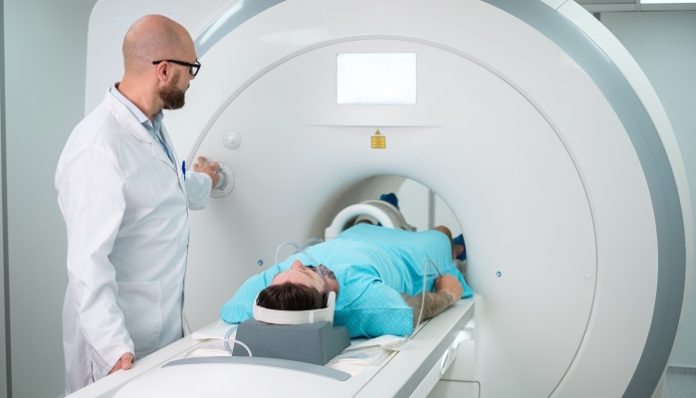
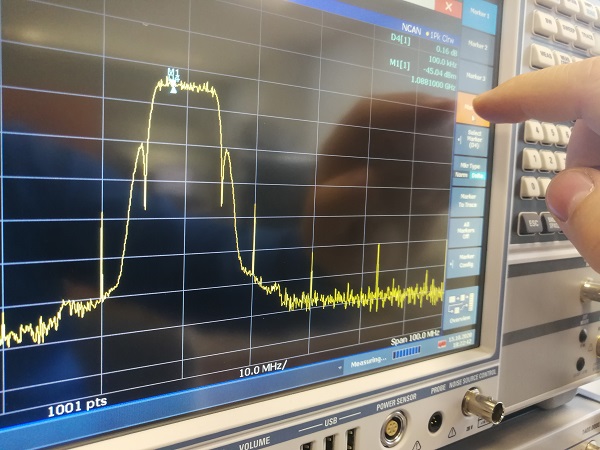
Some medical equipment utilizes radiofrequency (RF) to achieve optimal accuracy, function, and efficiency. For instance, magnetic resonance imaging scanners, commonly called MRI, send pulse RF currents into the patient’s body to obtain an image that helps create a diagnosis and provide the appropriate patient care required. To ensure optimal functionality of MRI scanners, hospitals use spectrum analyzers to measure and analyze signals while identifying any interference that could disrupt their accuracy and performance.

The spectrum analyzer is used by hospital technicians to observe a vast array of radiofrequency signals at a specific time frame, making them ideal for equipment testing, monitoring, or calibration. They’re manufactured and distributed by technological equipment specialists such as Keysight and similar providers, and they can be purchased brand-new or used.

The advantages that Keysight spectrum analyzers offer to patients and hospitals will be discussed in this article. Continue reading to learn more about this tool and its benefits.

Defining Spectrum Analyzers And Their Functions

Spectrum analyzers are manufactured by various companies and come in different formats. The common design of analyzers includes the RF detection device housed in a container and mounted in a short rack. Other designs are more suited for portable use, or made as attachments to equipment and computers. The common denominators of these designs include the monitoring screen, control buttons, and knobs.

A spectrum analyzer is used to measure the frequency of a radio or audio signal in different settings such as electrical, laboratory, engineering, and music. In medical facilities, these devices can identify the efficiency and performance of medical equipment using RF such as MRI scanners and RFID-tagged items. Moreover, spectrum analyzers can also define interfering signals, which is useful for testing, installation, troubleshooting, or calibrating devices.

The Benefits Of Using Keysight Spectrum Analyzers In Healthcare

Keysight Spectrum analyzers make a wise investment in healthcare facilities because of the value they add for hospitals and patients. Here are some of the ways these devices become advantageous to healthcare:

  1. Augments Interference Detection And Management

Most healthcare facilities or institutions utilize medical equipment that uses radiofrequency such as MRI scanners and radio-frequency identification (RFID) trackers. For instance, MRI scanners use radiofrequency pulses to trigger proton movement against the magnetic field created by the same device. This function allows the scanner to create accurate imaging of the body and its internal organs. For optimal functioning, the radiofrequency current should flow unimpeded through the patientโ€™s body, which is why signal interruptions during MRI scans should be prevented.

Meanwhile, RFID trackers are used for various machines, vehicles, and medical equipment in hospitals. One example is the RFID band worn by patients around their wrists. The RFID band serves as the patientโ€™s identification in the hospital, and it carries information such as their name, medical record, and other details relevant to their treatment. Through RFID bands, the hospital is able to track the patient for their own safety and security.

To boost the functionality and effectiveness of these devices, it’s essential to properly manage the radio signals they receive and improve the detection of any interference. With a spectrum analyzer, hospital technicians can differentiate interference and monitor the signals from the medical equipment. They can also make the necessary adjustments to remove the source of interference and prevent further disruptions.

As there may be fewer instances of interference, the results of any measurement, data collection, or testing using medical devices will be more accurate. Also, the processes will be smooth and hassle-free, making spectrum analyzers significantly beneficial for patients and hospitals alike.

  1. Supports Wireless Signal Monitoring

It’s common for hospitals and other medical facilities to have complex structures built with specialized construction materials to facilitate various kinds of treatments. Because of the nature and design of these facilities, some rooms may have radio path loss, which means that equipment utilizing radiofrequency may have poor connection. For instance, a room made with thicker concrete may suffer from attenuation, making it unideal for MRI installation or RFID use.

It can be challenging to ensure that all rooms or areas will have the same strength of wireless signal coverage required to support medical equipment that needs stable connectivity to function. However, facilities need reliable signal coverage, especially during emergencies or when accommodating high patient volumes.

To minimize attenuation and ensure robust connectivity, technicians can utilize spectrum analyzers when analyzing signal strength and detecting any disruptions to the connection. For instance, the technicians can perform tests in rooms where MRI or CT scans are conducted before patients are accommodated to ensure that the testing will be accurate, comfortable, and free of disruptions.

  1. Enhances Troubleshooting And Maintenance Processes

Keysight spectrum analyzers also enhance troubleshooting and maintenance processes, which can be especially helpful for field technicians in charge of fixing damage or testing the equipment. For one, the analyzers come with a display screen, making it easier for technicians to see and read data relevant to their tasks efficiently. Because of this feature, they have to strategically place the display screen on a spot where they can conveniently read it while adjusting the machinery they’re working on.

Spectrum analyzers can cover several radio channels at a given time, which allows technicians to scan them simultaneously. While there may be several pieces of equipment in a hospital that frequently use radiofrequency, it’s possible to detect the sources to see if there are any unwanted signals with the help of the analyzer.

Improving these processes can benefit patients and hospitals for several reasons. For one, improved troubleshooting prevents patient testing or treatment schedule disruptions as the

hospital will experience fewer equipment malfunctions. In turn, patients can receive medical care without delay. Meanwhile, hospitals can avoid costly repairs while preventing errors or delays in their patient services, which will boost their service quality.

  1. Increases Site Survey Accuracy And Efficiency

Apart from regular servicing of MRI scanners or RFID equipment, hospital technicians also conduct site surveys from time to time. Site surveys help ensure that testing or diagnostic rooms with RF-based medical equipment get protection against stray radio waves. These unwanted signals can be detrimental to the accuracy of the diagnostic results and to the general effectiveness of the devices, which is why it’s essential to detect them immediately and block their sources.

For instance, MRI rooms are designed to be safe from RF signals such as radios or mobile phones. Besides the structure that shields the scanner from these interferences, hospitals also assign technicians to conduct surveys to ensure that the equipment is safe from disruptions. According to a 2020 study, the most effective electromagnetic shield is made from a combination of copper and zinc. However, the effectiveness of shields may degrade over time, which is why periodic testing or surveying is essential.

However, traditional testing methods can be costly, time-consuming, and ineffective. Thus, spectrum analyzers are used because they’re portable and easy to set up. With testing becoming more manageable, more effective, and more convenient, hospitals and patients can benefit from improved accuracy and efficiency of medical diagnosis using monitoring or measuring health devices.
How Keysight Spectrum Analyzers Benefit Patients And Hospitals

  1. Boosts Workplace Efficiency

Medical institutions can handle varying volumes of patients daily, each with a different illness or concern relevant to their health and well-being. Because of the volume of work that needs to be done, problems that may derail efficiency such as equipment failure, are best prevented. By doing so, the personnel will have an easier time managing the volumes and workflow.

Aside from the number of patients, hospitals also face various challenges that may be detrimental to productivity and efficiency, such as patient cooperation, complexity of illnesses, or provider competence. At times, these hurdles can also affect the quality of healthcare provided. Hence, the management, staff, and other stakeholders in hospitals or clinics do what they can to optimize the resources they have to meet service standards.

Using a spectrum analyzer can be one effective way healthcare facilities can boost their efficiency. For one, accurate surveys, testing, and timely troubleshooting of equipment failure can prevent delays and diagnostic ambiguities or errors. Downtime will also be reduced or eliminated, improving turnaround time and speed of service. Moreover, hospitals will be able to accommodate more patients as there won’t be long wait times between testing or treatments.

  1. Improves Cost-Efficiency

The Centers for Medicare And Medicaid Services produced a report about healthcare costs in the United States in 2020. According to the agency, the national health expenditure for one adult in the US reached around $12,530 in the said year. With the median household annual income at $67,521, these costs can be challenging to manage for the average citizen. Hence, anything that can boost cost-efficiency in the healthcare system would be a welcome change for patients and health institutions alike.

Operational costs in a healthcare facility are factored in when determining diagnostic or treatment fees. For this reason, patients will also directly benefit from cost-efficient solutions that improve the quality of services a medical facility can provide. In this scenario, using Keysight spectrum analyzers can significantly reduce equipment testing, surveying, and troubleshooting costs. The savings can be deducted from the hospital or clinic’s operational expenses, allowing them to offer more affordable treatments.

  1. Supports Quality Patient Care And Services

A 2019 survey showed that 43% of Americans expressed dissatisfaction in the healthcare system in their country. This statistic has been attributed to several factors that cause a decrease in the quality of care provided to patients, including limited scope of healthcare services. For instance, clinics that don’t have immediate access to functional MRI scanners may have to refer patients to other facilities, limiting the scope of services they can offer.

Meanwhile, the World Health Organization (WHO) recommended chest imaging through computed tomography or CT scans and other imaging modalities as an effective measure in addressing health issues related to COVID-19 in a 2020 report. In this scenario, itโ€™s disadvantageous for patients if the medical facility offers limited services, especially for patients who have a health emergency. Some may not have the time, resources, or strength to look for another facility where they can get lung imaging through a functional CT scan. This scenario isn’t only inconvenient but may be harmful or life-threatening for patients.

With this in mind, the importance of having reliable testing and monitoring tools such as a spectrum analyzer is emphasized. Performing routine testing can significantly improve the efficiency of medical equipment, and prevent breakdowns. Beyond the convenience and efficiency that it provides to hospital management processes, patients would truly benefit from complete, accurate, and reliable medical services. Hence, investing in a spectrum analyzer is a wise decision for facilities to provide the best healthcare they can offer.

Conclusion

Keysight spectrum analyzers are significantly beneficial in supporting various tasks related to managing hospital equipment. They can be used to test or service MRI scanners, conduct site surveys, monitor signal coverage, or detect and troubleshoot disruptions or interference. Overall, spectrum analyzers are crucial in improving the efficiency of diagnosis, treatment, and other medical health services in medical facilities. For this reason, patients and hospitals or clinics directly benefit from them.


How To Deal With Drug Addiction The Right Way

How To Deal With Drug Addiction The Right Way

When it comes to drug addiction, there are a lot of things that need to be taken into account. Many people try to deal with drug addiction on their own, and this often leads to disaster. This article will discuss the best way to deal with drug addiction.

Seek Professional Help

It’s very important to know that you don’t have to, and should not, do this by yourself. The people working at everlastrecovery.com know exactly how much it means to have professionals around you, especially in the starting period of your recovery. There’s no shame in checking into rehab as it’s a sign of maturity and personal growth.

When you’re in a rehab facility, you’re surrounded by people who understand what you’re going through. You have access to professionals who can help you get to the root of your addiction and work with you to develop a plan for recovery.

Inpatient rehab is often the most effective treatment option for drug addiction, but it’s not always possible or necessary.

Identify What Triggers You

Different people have different relapse triggers, so knowing them is essential to your sobriety. A trigger could be anything, a person, place, thing, or situation, that reminds you of your drug use and makes you want to use it again. Triggers can be internal (thoughts or feelings) or external (people, places, things, or situations).

Many people have triggers that are related to specific places, such as the home where they used drugs or the bar where they used to drink alcohol. Other people have triggers that are related to certain activities, such as going to parties. Still, others have triggers that are related to certain people in their lives, such as friends who still use drugs.

For example, let’s say that your trigger is going to parties. You might avoid going to parties altogether, or you might go to parties but not drink alcohol.

Go To Therapy

A safe place to explore your addiction with someone who can help is in therapy. You will be able to talk about the root of your addiction and start to work through it. This is an important step in recovery because you will learn how to deal with the emotions that come with addiction.

Going to therapy can help you understand your triggers and how to avoid them. It can also provide a support system so that you feel less alone in your battle against addiction.

If you or someone you know is struggling with drug addiction, please seek professional help.

Start A Healthy Lifestyle

You should also make a lot of changes in your lifestyle. These are the following:

  • Eating healthy
  • Working out
  • Getting rid of any negative influences in your life
  • Spending time with positive people
  • Practicing mindfulness
  • Self-love

Making these changes will help you take control of your life and feel better about yourself. It is important to feel good about yourself when you are in recovery so that you can stay on track.

Eating healthy and working out will help your body heal from the damage that drugs have done. Getting rid of negative influences will help you avoid triggers and stay away from temptation. Finding a hobby will give you something to focus on other than drugs. Spending time with positive people will remind you that there are good things in life and that you are not alone in this battle.

Change Your Surroundings

Your environment largely affects your behavior, so changing your surroundings can help break old patterns and bad habits. If you’re trying to quit drugs, it’s important to remove yourself from any triggers that might make you want to use them. This might mean changing your social circle, getting a new job, or moving to a new city.

It can be difficult to make such drastic changes, but if you’re serious about overcoming addiction, they may be necessary. Of course, you don’t have to do everything at once. Start with small changes and see how they affect you.

Try Occupational Therapy

Occupational therapy during drug recovery is a process of relearning how to enjoy life without using drugs. It can be an important part of your treatment plan, whether you’re in an inpatient or outpatient program.

During occupational therapy, you’ll work with a therapist to set goals and learn new skills. You may also learn how to deal with triggers that could lead to relapse.

Try a calming hobby like fishing, hiking, or painting. Do things that you used to enjoy before you started using drugs. If you’re not sure what to do, ask your therapist for ideas.

How To Deal With Drug Addiction The Right Way

Drug addiction is one of the worst things that can happen to a person and it’s essential that you seek professional help. Make sure to identify your triggers and find a therapist to help you out. Start on a healthier lifestyle and change your surroundings step by step. Finally, you should also consider occupational therapy by finding a hobby you enjoy!

Translate ยป