












Close
Digital Health & Ai Innovation summit 2026
Medical Taiwan 2026

US Q2 Healthcare Mergers Earned $19.2bn Due To Megadeals

US Q2 Healthcare Mergers Earned $19.2bn Due To Megadeals

Healthcare mergers and acquisitions experienced a record-breaking quarter in the 2nd period of this year, with a total transacted revenue of $19.2 billion, driven by a few “megadeals” that doubled the transacted revenue reported in Q1.

Without a shred of doubt, these megadeals have put Q2 M&A rate at an all-time high. The proposed merger between Advocate Aurora Health and Atrium Health, in which the smaller party, Atrium, has an annual revenue of $12.9 billion, was the primary driver of the historically high quarter, as per Kaufman Hall’s Quarterly Mergers and Acquisitions Report. The smaller party in megadeals or mega transactions often generates annual sales of more than $1 billion.

MercyOne and Trinity Health revealed another large-scale agreement during the quarter, with the smaller company reporting $3 billion in yearly revenue. Additionally, although they weren’t “mega” transactions, Bellin Health System and Gundersen Health System ($800 million in smaller party revenue) and George Washington University Hospital ($600 million in smaller party revenue) were both big agreements that happened in Q2.

13 transactions in total were declared in Q2. That may seem modest in comparison to some of the figures from before the outbreak struck in 2020, but the huge deals have more than made up for any possible shortfall in total revenue from transactions.

WHAT IMPACT IS IT?

The $19.2 billion figure is double the $8.5 billion in transaction revenue that healthcare reported in Q2 2021. Additionally, the scale of the Q2 2022 deals that were publicly disclosedโ€”particularly the proposed merger of Advocate Aurora Health and Atrium Healthโ€”led to average party sizes that were more than twice as large as the record-breaking $619 million average party sizes at year’s end in 2021. The normal size of the smaller party was close to $1.5 billion for Q2 2022.

A for-profit health institution served as the acquirer in three of the 13 mergers. An academic/university-associated acquirer participated in one deal, and a religiously linked acquirer participated in the other. In the latter eight transactions, different non-profit health systems were the acquiring parties.

Certain agreements went beyond the usual horizontal alliances among hospitals and health systems. An illustration of this pattern was the formation of new partnerships for the delivery of skilled nursing and long-term care. Hackensack Meridian Health announced in late March that Complete Care would buy the majority of its long-term care facilities. Furthermore, Virtua Health stated in April that it had sold its two skilled nursing facilities (SNFs) to Tryko Partners, who will continue to run them with assistance from Marquis Health Consulting Services.

These serve as an example of the growing propensity of health systems to review their strategic choices for offering post-acute skilled care, which may involve the selling or monetization of their current SNF properties or collaboration with specialist SNF operators. These deals were attributed to changes in the long-term care sector and a willingness to reinvest in core services. In a news release announcing the merger, Hackensack Meridian Health stated that this decision had been made in accordance with industry trends and best practises. The long-term care market has seen significant changes over the previous few years as a result of the COVID-19 pandemic.

By divesting in the skilled nursing space, they are better able to reinvest in areas where they can actually make an effect, Dennis W. Pullin, President and CEO of Virtua Health, stated.

THE GENERAL TREND

Because there were no megadeals in the first quarter of the year, there were only 12 transactions, for a historically low total of $2.9 billion. President Joe Biden’s executive order from last summer sought to rein in hospital and health insurance mergers as well as other practises that it claimed reduced competition and raised prices.

According to the order, hospital mergers have left many localities, particularly rural towns, with few viable options for accessible and reasonably priced healthcare services. It urged the Federal Trade Commission and the Department of Justice to rigorously enforce antitrust laws and acknowledges that the law empowers them to fight earlier improper acquisitions that former Presidencies did not originally challenge.

Biden urged the DOJ and FTC to evaluate and update current merger regulations in order to make sure that such mergers do not negatively impact patients.

Australia Opens Digital Cancer Hub For Families And Children

For the purpose of assisting young cancer patients and family members, the Australian government has developed a digital cancer hub. Canteen, Camp Quality, and Redkite, three of Australia’s best organisations for helping kids with cancer, worked together to make the Cancer Hub.

According to a press release, the digital centre will offer online counselling to parents of children under the age of 12 who have cancer. It expands on Canteen Connect, a phone app and online community for individuals between the ages of 12 and 25 coping with cancer of their own or that of a family member.

The Cancer Hub will be offered by Canteen until the end of 2023 with funding from the federal government of A$3.3 million ($2.2 million). This includes A$1.5 million ($1 million) to provide a cancer navigation service and A$1.8 million ($1.2 million) to maintain its Canteen Connect service. The government hopes to help 20,000 more Australians with mental health issues and more than 70,000 people with cancer through the centre. It will also offer lodging and financial support.

The government stated in a release that providing young cancer patients and their families with digital access to specialised navigators and counsellors will guarantee that they can get the proper help as near to home as possible and in the quickest timeframe. Additionally, the Cancer Hub will include local employees in all major capital cities as well as in a few smaller centres.

WHY IT MATTERS

According to data from the Australian Childhood Cancer Registry, 750 Australian children under the age of 14 are typically given cancer diagnoses each year. Leukemia and tumours of the central nervous system, particularly those of the brain, are the most common cancer forms in young kids.

Additionally, it is anticipated that children’s cancer takes over 100 lives annually in Australia, with brain tumours being the main culprit. Among the G20 nations, Australia has the fifth-highest prevalence of childhood cancer cases, but it also has the lowest fatality rate, as per data from Globocan.

THE GENERAL SURFACE

Canteen and the Australian government have a long-standing partnership; in 2008, Canteen obtained its first government grant. According to recently appointed Health and Aged Care Minister Mark Butler, the government will continue to spend extensively on kids’ and teenage cancer across the cancer care continuum.

Canteen launched a physical cancer centre in New South Wales in March 2022,ย joining up with seven other nonprofit organisations. The Hunter Cancer Hub also provides information and assistance to families and individuals affected by cancer.

The federal government recently provided Ovarian Cancer Australia with an additional A$2 million ($1.3 million) to support the non-efforts profit to deliver psychosocial telehealth services and support to ovarian cancer sufferers through 2024.

India Delivers 2bn COVID Doses, Cases Reach A 4-Month High

India Delivers 2bn COVID Doses, Cases Reach A 4-Month High

As daily infections reached a four-month high, the Indian government’s COVID-19 vaccinations touched 2 billion on July 17th. Booster doses are currently being administered to all people. Prime Minister Narendra Modi praised the vaccination milestone and celebrated the world’s largest and longest-running immunisation programme, which began last year.

India makes history once more!!, added PM Modi in a tweet. The opposition has accused the prime minister of mishandling the outbreak, which experts claim killed millions of people. The administration disputes the claims.

According to data from the health ministry, 49 deaths were reported overnight, bringing the COVID death toll to 525,709 in the country. The number of new cases increased by 20,528 during the last 24ย hours, i.e. between July 16th and July 17th, reaching its highest level since February 20. The majority of COVID-related restrictions have been repealed in the 1.35 billion-strong nation, and global travel has made a strong comeback.

Covishield, a domestically produced vaccine by AstraZeneca, made up about 80% of the immunizations. Others include the Sputnik V from Russia and the locally made Covaxin and Corbevax.

In order to stop the spread of infections, the central government has stepped up its booster campaign, increasing its efforts in the eastern states of Assam andย West Bengal, and Karnataka in the south.

To Export Novavax COVID Jab, Serum Institute Gets USFDA Nod

To Export Novavax COVID Jab, Serum Institute Gets USFDA Nod

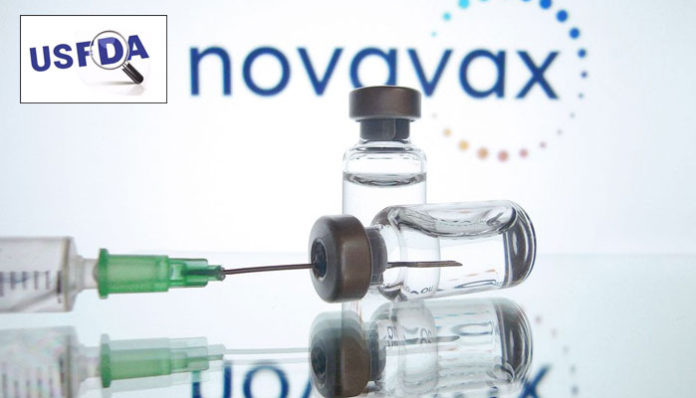
The FDA has given the go-ahead to the Serum Institute of India (SII) to eventually supply a COVID-19 vaccine to the U.S. with Novavax’s Nuvaxovid.

The emergency use authorization granted to Novavax’s recombinant protein-based vaccination on July 13th means SII will be able to distribute the shot, also known as Covovax, to the United States from India.

The adenovirus-vectored vaccination Vaxzevria, manufactured by SII for AstraZeneca, is not offered in the United States. With the approval of Novavax, SII is officially the first Indian pharmaceutical company to create a COVID injectable for the American market.

According to Novavax Chief Medical Officer Filip Dubovsky, SII produces all of the commercially available Novavax shots, including those that are initially used in the United States.ย 

Following a favourable recommendation from an FDA expert panel, the U.S. government obtained an inaugural 3.2 million doses of the Novavax shot. A leading media daily was previously informed by a Novavax representative that some dosages had already arrived on July 6.

Prior to the 13th Julyย approval, there were rumours that Novavax had trouble meeting production criteria, particularly those pertaining to vaccine purity.

The late debut of Novavax and SII coincides with a decline in the market for COVID vaccinations worldwide. Adar Poonawalla, CEO of SII, reportedly stated that the company has discontinued producing AstraZeneca’s shot after accumulating 200 million doses because it was unable to find any buyers, even for free.

One of the leading newspapers revealed this week, using data from the CDC, that around 90.6 million shots of various COVID vaccination doses have been disposed of in the United States. The Vaccine Alliance and Novavax entered an advance purchase agreement last May to provide up to 350 million shots of Nuvaxovid for mass distribution in low-income nations. These were a part of an arrangement that covered a total of 1.1 billion doses of the shot, with SII taking care of the remaining supply.

As a potential booster, Novavax and SII are developing an improved omicron-targeted injection. In Australia, Novavax began a phase 3 study for the omicron-specific vaccine, coded NVX-CoV2515, in late May. Participants in the experiment had previously received either a core series of an mRNA vaccine or a booster series.

Real-Time Eligibility Information Improves Both Practice Efficiency and Revenue Performance

Real-Time Eligibility Information Improves Both Practice Efficiency and Revenue Performance

Learn how a typical physician practice can use Revenue Performance Advisor to drive operational improvements and increase patient satisfaction.

Nancy is a practice manager for a family medicine clinic in the Midwest. Itโ€™s a rewarding job, as she and her staff respect the physicians in the practice and enjoy helping patients.

The Problem: Difficulty accessing eligibility and benefits information impacts revenue and patient satisfaction.

Click Here To Download The Whitepaper

The financial challenges facing physician practices-and how to solve them

The financial challenges facing physician practices-and how to solve them

How to Increase Financial Stability in a Challenging Business Climate.

The challenges facing physician practices in maintaining financial stability are numerous, including lasting impacts from the COVID-19 pandemic, administrative burdens from payers, claim denials, and more. But there are ways physicians can make their practices run more efficiently, and technology tools play a major role. Specifically, there are three areas where technology can make a difference: Capturing reimbursement owed, using key data and analytics to benchmark progress, and simplifying workflows to ensure staff can take on higher-level tasks and help the practice achieve financial success.

Click Here To Download The Whitepaper

Advanced Tools Help Reduce Laboratory Denials, Expedite Re-Work, Boost Collections

Advanced Tools Help Reduce Laboratory Denials, Expedite Re-Work, Boost Collections

Research shows the 5-to-10 percent of medical claims rejected by insurance companies account for 90 percent of provider organizationsโ€™ missed revenue opportunities.

Clinical laboratories cannot afford to leave money on the table in todayโ€™s healthcare environment. Yet denied claims continue to be a significant source of revenue loss for many organizations. By some estimates, the 5-to-10 percent of medical claims rejected by insurance companies1 account for 90 percent of an organizationโ€™s missed revenue opportunities.2 The impact of this lost revenue is made worse by the dramatic reductions in testing fees imposed by the Protecting Access to Medicare Act (PAMA), as well as the rise of high-deductible health plans. As patient pay responsibilities increase, so too does bad debt exposure for provider organizations. This makes it imperative that laboratories collect every dollar theyโ€™re entitled to from insurance companies.

Click Here To Download The Whitepaper

5 Opportunities to Help Improve Business Efficiencies and Revenue

5 Opportunities to Help Improve Business Efficiencies and Revenue

Use one solution to automate time-consuming, error-prone manual processes and reap end-to-end improvements.

Your staff needs timely information, visibility into the revenue cycle, and advanced tools to make your practice run efficiently. See how Revenue Performance Advisor can help you overcome five common challenges to increase both revenue and patient satisfaction.

COVID-19 Public Health Emergency In The US Stands Extended

MEDITECH Quick Vaccination solution streamlines COVID-19 vaccination process

The COVID-19 public health emergency was prolonged by the Biden administration on July 15th for a further three months. The declaration was officially renewed by Xavier Becerra, Secretary of the US Department of Health and Human Services, and was extended through October 13, 2022.

The newest extension of the emergency declaration, which has been in effect since January 2020, comes as the Omicron branch BA.5, the most contagious strain to date, is making inroads in the US. The number of COVID-19 hospitalizations and fatalities is at its highest level in months, despite the fact that daily case rates are substantially undercounted.

More than half of the population of the US resides in counties with a high COVID-19 Community Level, according to data released this week by the US Centers for Disease Control and Prevention, in which the medical system is at risk of becoming overwhelmed and mandatory indoor masking is advised.

A Biden administration source said that the Public Health Emergency proclamation continues to provide them with the resources and powers necessary to respond to the highly communicable COVID-19 subvariants that are now spreading around the country. The PHE gives hospitals crucial flexibility and capacity to better care for patients, especially if theyย were to witness a dramatic spike in admissions in the coming weeks.

Hospitalizations in the US are expected to increase over the course of the upcoming month, according to ensemble estimates from the CDC that were published this week ending July 16th. For the first time in a few weeks, the forecasts indicated a surgeย in hospitalizations rather than a continuing constant trend.

The official stated that without the PHE, they would be constrained in their ability to deliver broad and equitable access to life-saving medications through the Test to Treat programme, for example, which depends on flexibility for telemedicine and operations.ย 

The declaration of a public health emergency entitles many Americans to free COVID-19 testing, medical care, and vaccinations. Depending on whether they have Medicare, Medicaid, or Private insurance after it expires, they may have to pay out-of-pocket expenses. While state Medicaid programmes would decide whether to keep covering vaccinations for their participants, those eligible for Medicaid and private insurance would generally continue to receive free immunizations.

Additionally, Medicare has loosened its telemedicine regulations so that a greater number of enrollees can use these services during the declaration. Enrollees can perform visits at home rather than travel to a medical institution, and they can access a greater range of treatments through telehealth. Telehealth services are no longer only available to those who live in remote areas. After the crisis ends, most recipients’ access to these flexibility options will terminate.

And in exchange for obtaining more generous federal matching money, states are not forcibly removing residents from Medicaid during the declaration. Following the conclusion of the emergency, up to 14 million Americans might lose their Medicaid coverage, according to different forecasts made by Kaiser and the Urban Institute. The proclamation has also resulted in many low-income families obtaining increased food stamp benefits, even though several states have concluded their respective public health emergencies and ceased the increased allotments.

Testing, treatments, and immunizations may be used in an emergency under a separate emergency declaration. The US Department of Health and Human Services secretary will decide when it will cease. HHS will determine when it ends, and the organisation has agreed to give at least 60 days’ notice before any changes.

Scalp Evolution: What is Scalp Micropigmentation?

Scalp Evolution: What is Scalp Micropigmentation?

If thereโ€™s microblading for eyebrows, thereโ€™s also a similar process thatโ€™s done on your scalp and this is called Scalp Micropigmentation (SMP). SMP gives the illusion of a fuller head of hair. This cosmetic treatment is offered in many scalp micropigmentation clinics such as Scalp Evolution. But how is it different from microblading?

Although both microblading and scalp micropigmentation fall under the same category, which is micropigmentation, they are very different when it comes to their methods of implanting pigment.

Microblading is usually done using a manual blade whereas scalp micropigmentation is done using an electronic tattoo device. The reason for this is because the skin on your scalp is thicker so it needs something with more power to penetrate it.

Scalp Micropigmentation: How Does it Work?

Scalp Micropigmentation by Scalp Evolution doesnโ€™t aim to create hair-like lines. Rather, they use tiny, layered dots in varying shades of black to mimic the appearance of shadows on your scalp. This technique is called pointillism, and it makes the micropigmentation look more natural and defined.

Getting scalp micropigmentation service from a skilled practitioner will guarantee natural looking dots that resemble hair follicles. These dots blend in perfectly with your complexion too.

Scalp micropigmentation is great for men and women who experience all types of hair loss. This includes people who have:

  • Alopecia
  • Thinning hair
  • Cancer
  • Pattern baldness (both male and female)

Does Scalp Micropigmentation Hurt?

Because the process resembles that of getting a tattoo, it is obviously going to hurt. But how painful it can get depends on oneโ€™s pain tolerance and how the SMP is done.

Before the procedure, the SMP specialist will apply a numbing topical agent to your scalp. Although this will numb your senses, you might still experience some discomfort. But the amount of discomfort youโ€™ll feel depends on your tolerance to pain.

What to Expect with Scalp Pigmentation?

After the initial consultation with your Scalp Evolution SMP specialist, you will be briefed on what to expect during the scalp micropigmentation procedure and how you should prepare in advance.

For instance, here are some rules below:

  • Take a shower before the treatment. You wonโ€™t be allowed to wash or wet your scalp (including sweating) for four days after each treatment.
  • Each SMP treatment can take about four to five hours
  • The number of treatments you need will depend on how much scalp is getting SMP. Even small areas in your scalp, like the widowโ€™s peak, will require three to four treatments.
  • Treatments are usually scheduled a few weeks in between.

Youโ€™ll be advised to avoid swimming, using steam or sauna rooms, or taking hot showers in the weeks following your treatments.

Itโ€™s also advised that you keep your scalp from being exposed to the sun four days after your first treatment. Five days after the treatment, you can expose the treated skin to the sun for 45 minutes to an hour.

Take note, however, that the less you expose the treated area/s to the sun, the better the retention.

After the final treatment, youโ€™ll be advised to:

  • Avoid swimming, going to saunas and steam rooms for 4 weeks after the final treatment
  • Avoid getting in the sun 4 weeks after the treatment. Use SPF 30-50 after the 4-week period.
  • Avoid doing any heavy exercises five days after your last treatment
  • Start moisturizing the treated area regularly four days after your final treatment.

How Much Does SMP Cost and How Long Does It Last?

The cost of getting an SMP treatment varies depending on how much area of your scalp needs to be covered. Typically, a treatment can cost you around $400 to $1000.

Micropigmentation is a semi-permanent treatment, which means that even the effects may last for years (with some lasting up to eight years!), the treated area will slowly fade over time. This is because our skin naturally exfoliates itself.

The color may lighten over time, but there shouldnโ€™t be any change of color. If this happens, then that means the SMP specialist used the wrong pigment.

If you suffer from dry skin, however, the fading will happen faster. This is due to the tendency of the skin to flake with dry skin, unintentionally exfoliating the pigment in the process.

What Are the Risks Involved in SMP?

Just like any medical and cosmetic procedures, there are risks that come with SMP.

Although you really canโ€™t consider micropigmentation a tattoo, permanent makeup services like SMP do come with similar risks as tattoos. These risks include allergic reactions to some components in the pigment as well as infections related to tattoo ink.

The most important thing to understand is that SMP artists or specialists do not need any formal training to perform the procedure on patients. This is why itโ€™s important that you do your research when choosing a good practitioner.

How to Find a Good SMP Center

Before you decide on the clinic you get your SMP treatment done, itโ€™s important that you do your research first. Make sure you check out the office or clinic where the service will be performed.

A good quality SMP treatment center should have the following:

  • SMP training certification
  • Body art practitioner license
  • County health permit
  • Bloodborne pathogens certification
  • A sink
  • A clean and sterile environment
  • Barrier protection during treatment
  • Packaged needles that are opened only in front of the client

Licensing and regulation for SMP varies by state. In California, for instance, the process for practicing tattooing, body piercing, body branding, or permanent makeup (SMP included), is licensed and regulated the same way. Despite that, licensed tattoo artists can easily shift to SMP even without any training.

The Food and Drug Administration (FDA) also warns consumers against the risks involved with tattoos and permanent makeup. This is especially due to the fact that the FDA has not actually regulated the inks and pigments used in tattoo and permanent makeup.

Experts at Scalp Evolution also warns that SMP results can end up in failure if it is performed by inexperienced practitioners. So, if you have any hesitation toward an SMP practitioner or SMP clinic, itโ€™s best for you to simply cancel the appointment and go to someplace thatโ€™s more trusted.

Translate ยป