Close
Digital Health & Ai Innovation summit 2026
Medical Taiwan 2026

SingHealth Extends Sunrise-Altera Interoperability Deal

SingHealth Extends Sunrise-Altera Interoperability Deal

Recently, SingHealth and Altera Digital Health agreed to use the Sunrise family of healthcare solutions throughout their network of medical facilities. This is an extension of their prior deal, which was signed in 2017, and it now lasts until 2029. In accordance with the most recent agreement, Altera will continue supporting SingHealth’s EMR platform.

Altera offers its Sunrise platform, which connects all elements of care across many healthcare disciplines. Altera was formerly the Hospitals and Large Physician Practices division of health IT company,ย Allscripts. Since 1998, SingHealth has been using the Sunrise Clinical Manager System.

WHY IT IS IMPORTANT

According to a news release, Integrated Health Information Systems (IHiS), which is Singapore’s national health technology organisation that supports SingHealth, will continue to implement the Sunrise platform. The highly customizable platform can interoperably conform to SingHealth’s range of systems and clinical operations. SingHealth runs a network of eight polyclinics, five national specialty centres, three community hospitals, four public hospitals, and the Singapore General Hospital. The healthcare organisation will be able to use Altera’s Sunrise as an interface to build its own healthcare IT solutions in addition to strengthening its care management procedures and improving healthcare delivery, allowing greater extensibility, versatility, and bandwidth of its clinician-specific workloads that can lead to much more streamlined patient care.

SingHealth will have access to Altera’s highly specialised consulting team as part of their relationship, which will help them in the future by enabling new functions and efficiencies. SingHealth will manage patient health records more efficiently after installing Altera’s EMR software. According to the firm, doctors can review patients’ medical data and care plans using the EMR platform as a central information hub in order to better health outcomes. The EMR technology, which is integrated with globally recognised medical terminology, can also be used to spot care patterns and gather more information to improve care delivery.

THE BIGGER TREND

As a recently acquired company by Harris Computer, Altera claims that its cooperation with SingHealth represents the beginning of its adventure in the Asia-Pacific region.

Prior to being acquired, it collaborated on an interoperability project using dbMotion with the South Western Sydney Primary Health Network in Australia. The project has connected about 70 care centres since finishing its pilot phase in the middle of 2020, and about 8,000 patients have given their consent to exchange personal health information.

ON RECORD

SingHealth is dedicated to embracing technology and digital solutions as essential drivers to enhance care delivery and clinical results, optimise resources, and improve the patient experience as Singaporeans’ healthcare requirements continue to change, according to SingHealth Group CEO Ivy Ng.

BA.5 Causes More COVID-19 Reinfections, But Not More Often

BA.5 Causes More COVID-19 Reinfections, But Not More Often

It’s not your imagination: As infections from the fast mutating BA.5 coronavirus subvariant rise throughout the United States, more people are becoming infected with COVID-19 for the second or third time. However, on aggregate, these reinfections do not appear to be occurring more quickly, finds a recent study from the gene sequencing firm, Helix.

According to the most recent data from the US Centers for Disease Control and Prevention, BA.5, another Omicron variation offshoot, is currently responsible for around 80% of new COVID-19 infections in the country.

Recently, Helix, which analyses COVID-19 tests to keep track of variants, dug into its data to determine how frequently the same person screened positive for COVID-19 and if there are more reinfections now than there were in previous waves. Reinfections made up nearly half of the roughly 300,000 illnesses recorded since March 2021, increasing from 3.6% during the BA.2 surge in May to 6.4% during the BA.5 wave in July. However, it doesn’t appear that these reinfections are happening more frequently.

The average interval among positive COVID-19 tests for the same person in April, during the BA.2 wave, was almost 230 days; by July, it was roughly 270 days, or roughly nine months. The most recent data revealed a significant increase in the proportion of illnesses that are repeat infections. The jump happened, said Shishi Luo, Helix’s associate director for infectious illness and bioinformatics.

According to Luo, a variety of causes, such as decreasing immunity, widespread dissemination, and mutations in BA.5 that enable it to evade the body’s defences, are likely contributing to the surge. On average, nine months have passed since the first infection in those who are currently getting the disease. That doesn’t mean there haven’t been recent instances of people contracting COVID-19 again just a few weeks later. These can be seen by Luo in the data. However, they are not typical.

She stated that the longer it has been since an infection, the statistically greater the likelihood that a person may become ill again. The Helix data corroborate the findings of a previous study on reinfection from Qatar, which regularly tests its 2.8 million inhabitants for COVID-19, testing roughly 5% of the population each week. The BA.4 and BA.5 subvariants appeared in Qatar in May and were controlled by June.

Researchers examined instances of reinfection using data from nationwide screening. They discovered that only 15% of people who had Covid-19 infections prior to the introduction of the Omicron variant were protected from contracting the infection again and developing symptoms during the BA.5 wave. However, there was a higher level of protection against an Omicron variant infection in the past: roughly 76%.

According to Laith Abu-Raddad, an epidemiologist from Weill-Cornell Medicine-Qatar in Doha, Qatar, those who got infected with a pre-Omicron form now have really little resistance against the illness of BA.4 or BA.5; they cannot truly rely on natural immunity to protect them.

According to Abu-Raddad, those who have had an Omicron variant infection more recently have pretty good robust immunity, but obviously not complete immunity, against reinfection.

The findings of this study may not be applicable to everyone. According to the experts, Qatar has a unique demographic because most of the men who live there travel there for business and there aren’t many people over 50.

However, Luo advises individuals not to become alarmed if they learn that acquaintances or family members have contracted COVID-19 twice in one month. That’s not how it usually goes.

Singapore General Hospital To Use AI-Powered PPE Check Tool

Singapore General Hospital To Use AI-Powered PPE Check Tool

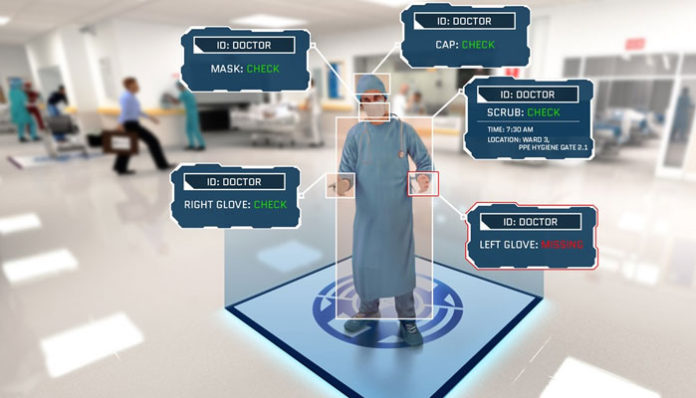
A computerised system from New Zealand will soon be used by Singapore General Hospital (SGH) to verify that personal protective equipment is worn correctly before accessing an isolation facility. The hospital collaborated with Blue Mirror to deploy its PPE Instructor tool, which was customised to offer automatic supervision and inspections based on SGH’s PPE protocol.

An iPad becomes a virtual mirror thanks to the AI and cloud-based tool. It can be easily moved about areas of need with simple access to PPE supplies because it is positioned on a tripod. The solution was modified to identify Asian features and a variety of skin tones since it was based on a non-Asian demographic and PPE used in Australia, and it was then customised to meet SGH’s needs.

The three modes of the customised solutionโ€”PPE Buddy, Train and Practice, and Visitorโ€”have been approved by roughly 200 hospital guests and staff members. PPE Buddy instructs staff members on how to properly wear PPE; the Training and Drill mode is for staff members to review their knowledge; and the Visitor mode gives hospital guests an audio step-by-step guidance and check before visiting an isolation ward.

As per deputy director of the SGH Nursing Division, Ang Shin Yuh,ย the hospital might still modify the Blue Mirror PPE Instructor in the future for disease-specific procedure, contact tracing, and picture recognition for staff access.

Connected Beds Could Save Hospitals In India $250M A Year

According to a recent unbiased assessment, connecting hospital beds can help the Indian health care system save as much as INR 21.5 billion ($268.7 million) annually while solving shortages in ICU beds, physicians, and nursing staff.

An evaluation of the effects of a remote patient monitoring system by medical device manufacturer Dozee on the workload of medical staff, the standard of patient care, and operational costs, as well as a study of its acceptance and adoption among hospital staff, was published by a local social impact consultant, Sattva Consulting.

Dozee’s AI-powered remote patient monitoring system, which consists of a thin sensor sheet placed under the mattress and tracks a person’s vital signs, converts hospital beds into linked beds.

FINDINGS

According to the impact assessment report, connected beds can reduce the amount of time nurses spend manually monitoring patients’ vital signs in non-ICU wards by up to 80%. These can also reduce the typical duration of stay in the ICU to around 1.3 days, filling the ICU bed shortfall.

According to the study, 144 lives may be saved for every 100 connected beds. The Dozee MillionICU programme, which aims to turn one million medical ward beds into linked beds and potentially save over 110,000 lives, is now being implemented.

The majority of doctors and nurses surveyed, according to the report, favour the digitization of health information because they see it as essential for an effective and streamlined healthcare environment. In six public hospitals that are partners in Dozee’s MillionICU project, 79 medical professionals shared their opinions and thoughts on the impact of the research.

WHY IT MATTERS

Currently, India has 125,000 ICU beds and an estimated two million hospital beds. According to the report, roughly 95% of these beds are only minimally monitored through manual checks, which limits the chance of early diagnosis of a patient’s deteriorating condition and increases workload on the under-resourced healthcare system.

The purpose of the project was to determine how improving hospital beds into linked beds would affect patient care and promote digital transformation.

MARKET SNAPSHOT

Modern remote patient monitoring systems being provided in India increasingly incorporate AI. Early this year, Healthnet Global, part of the Apollo Hospitals Group, unveiled AutoMaid, a smart in-patient room automation solution with capabilities for triaging and remote patient monitoring.

The AI-powered bedside patient tracking system from Statis Health began to be made available in India by Medtronic last year. The Stasis Monitor is made up of a bedside monitor that keeps track of 6 vital signs, a tablet, and software that is cloud-connected and allows remote monitoring across many devices.

ON THEย RECORD

The COVID-19 pandemic made clear how urgently the nation’s healthcare infrastructure needed to be improved. Even though the government has taken steps to improve access and outcomes, such as the Ayushman Bharat Digital Mission, there is still a critical need for technology and innovations from the private sector and through public-private partnerships to close the gap and hasten the improvement of clinical outcomes for all, opinesย the CEO and co-founder of Sattva Consulting, Srikrishna Sridhar Murthy.

In big public hospital facilities and care facilities, adopting monitoring of patients and early warning systems like Dozee saved nurses a significant amount of time and energy in terms of patient surveillance, allowing them to handle other care-related tasks more effectively. In addition to digital monitoring capabilities that helped find patients at high-mid-low risk and further enabled the prioritisation of critical patients, it also improved patient safety, Dr. Vaishali Shelgaonkar, head of the anaesthesia department at Indira Gandhi Government Medical College & Hospital, added her thoughts.

With $3.9B One Medical Deal, Amazon Extends Healthcare Reach

With $3.9B One Medical Deal, Amazon Extends Healthcare Reach

On Julyย 21st, Amazon and One Medical revealed their intentions to join in a $3.9 billion transaction that would see the retail behemoth continue its ambitious spree of healthcare purchases. According to the merger agreement’s provisions, Amazon will buy One Medical in an all-cash deal for $18 per share, subject to the usual closing requirements.

Headquartered in San Francisco,ย One Medical is a technology-focused primary healthcare organisation that provides in-person, online, and virtual care services with the goal of enhancing its clients’ access to healthcare, according to the company. One Medical CEO Amir Dan Rubin, who will persist in that position, said in a statement that the chance to reshape health care and improve consequences by incorporating One Medical’s human-centered and technology-powered prototype and outstanding team with Amazon’s customer fascination, background of innovation, and willingness to spend in the longterm is so exciting.

He said that by working with Amazon, the agreement would make primary care more approachable, inexpensive, and even fun for patients, clinicians, and insurers. Over the past few years, Amazon has made significant investments in the healthcare industry, and this is one of its most significant declarations yet that it intends to play a significant role in the future provision of both telehealth and in-person treatment across the United States.

The SVP of Amazon Health Services, Neil Lindsay, stated in a statement that they believe health care is high up on the list of experiences that need reimagining. Theyย see lots of possibilities to both enhance the customer’s experience and give the people back precious time in their lives, he said. Booking a meeting, having to wait weeks or months to be seen, taking time off from work, driving to a health centre, discovering a parking spot, waiting in the reception area, then the exam room for what is very often a hasty handful of minutes with a physician, and making a further trip to a drugstore.

According to market commentators, the agreement benefits both companies, at least on paper. Paddy Padmanabhan, CEO of Damo Consulting, who has written at length about Amazon, Big Tech, digitalization, and the consumerization of healthcare, stated that Amazon is delving into the next phase of growth with the recent reconfiguration of the healthcare business and the consolidation of all the different units such as Pillpack and AmazonCare into one leader. The One Medical purchase not only complements AmazonCare’s efforts to improve the primary care service, but it also helps the company with scaling issues in a competitive labour market, Padmanabhan said. Additionally, this is a strategy that One Medical can use to avoid the shaky financial and economic picture in the long run.

The acquisition by the e-commerce and cloud services firm provides One Medical with a roadmap to sustainable growth in a marketplace where the struggle for general practise is intensifying and top health systems ramp up their consumer digital initiatives to drive growth and retention, the executive continued. However, he issued a warning that the purchase raises intriguing problems regarding how more established clients of AWS’s health system will perceive Amazon’s audacious entry into the primary care market.

According to Padmanabhan, only Oracle’s acquisition of Cerner is thus close to the company’s core business of providing healthcare services.

Withings: Making Inroads in Wearable Innovation

Withings: Making Inroads in Wearable Innovation

1. Withings has come a long way ever since technological innovations took place in the body scales category. How different do you see yourself today, both in terms of innovation as well as supply chain management, as compared to a decade back?

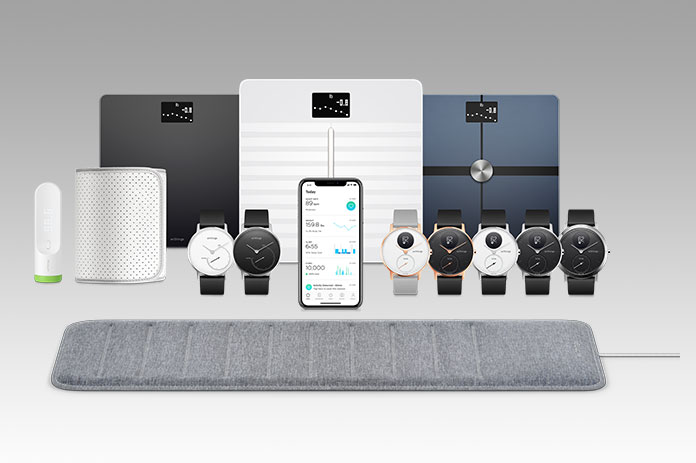
We have certainly improved a lot through the years, using better technology to improve our scales and adding more medical features. In 2021, we received our first FDA clearance with Scanwatch, showing the quality ofย  our measurements. At the end of this year, we will take the next big step in our innovation, releasing Body Scan, the first scale worldwide to segmental body composition, 6 lead ECG and nerve health.

On the operations side, supply chain management at Withings has proved its efficiency during the covid crisis. We maintained our production during this hard time despite a huge shortage worldwide on the components. This is possible thanks to the collaborative efforts of our teams, from engineering to sourcing, to procurement.

2. Can you tell us something about the segmented body analysis that the Withings Smart Body Scale is known to provide?

Body Scan uses bioelectrical impedance analysis (BIA) and conducts measurements at different frequencies. This multi frequency measurement is important for collecting the most accurate results, delivering improved accuracy by better computing water percentage and distinguishing extracellular water from intracellular water.ย  This also allows for additional metrics such as visceral fat.ย  Thanks to a retractable handle, we can also measure the muscle and fat mass of the different segments of the body (both arms, torso, and both legs).

3. Durability is pretty important when it comes to body scales. What has Withings done in this regard to ensure that the investment is long term?

Durability testing is an important part of product development. Drop tests, temperature and humidity cycles, weight verification, battery performances, mechanical parts resistance, and other tests are performed at different stages of product development, to ensure the best quality possible.

Amazingly, most of the Withings scales that were sold in 2009/2010 are still used today, which demonstrates the durability of our products.

4. How can the Withings scales be helpful in understanding the current state of the body, which can lead to a healthier tomorrow?

Each measure performed by Body Scan is really important. However, the most important thing is the combination of these metrics in a single device.

In less than 1 minute, you can have a full understanding of your body and follow a series of important biomarkers longitudinally, from the comfort of your home.

5. Describe the user privacy of the scales and how it works.

Withings has always taken data privacy seriously. In order to achieve this, security and privacy are taken into account during the product development of all of our products (including scales). As a proof, we are certified ISO 27001 and HDS (Health Data Hosting). Moreover, employees have to follow GDPR training in order to ensure that privacy best practices are applied for any activities at Withings. All of our data is hosted in a manner that is compliant with HIPAA and GDPR.ย  We do not sell any userโ€™s data to any third parties.

6. How fast you think is the “At-Home” device particularly for your industry growing and where does Withings fit in?

The at-home device industry was already trending strongly upward prior to the pandemic.ย  With COVID-19, and less access to medical resources, many people took more control over their health, causing a large spike in at-home devices, with increased interest in at home medical measurements and testing.ย  Withings has been committed to empowering people to take control of their health using medical grade at-home measurements that can be tracked over the long run.ย  We see ourselves as a leader in this space, both because of the quality of our devices and measurements and because of the large (and growing) number of measurements available in our product suite.

7. Tell us about your smart watch and how does the ECG work in it?

An ECG, or electrocardiogram, is a graphical representation of the electrical activity of the heart. It can detect certain cardiovascular pathologies, like atrial fibrillation, or AFib. An electrocardiogram is a medical exam typically conducted by a trained team with a medical device using several electrodes attached to different points of the body. We have developed a watch that can record an ECG in 30 seconds anytime, anywhere, thanks to 3 electrodes discreetly embedded in the watch. To perform an ECG using ScanWatch, the user must place their opposite hand on the watch, allowing the measurement of a one-lead ECG.

At each heart beat, an electrical wave travels through your heart. When the user touches the electrodes of ScanWatch, an artificial electrical circuit is made between the โ€œ+โ€ and โ€œ-โ€ electrodes, just like when a battery is connected to a lamp. This circuit is able to record the heart’s electrical wave and transmit it to the watch. The ScanWatch ECG algorithm automatically acquires and filters the result to extract your heartโ€™s electrical impulses from other irrelevant signals such as muscular activity that are not related to the heart and breathing. The result is a clear signal that detects heart rates, as well as irregularities, such as AFib.

8. Keeping a check in advance on various health segments is very important in todayโ€™s scenario. What are these various health parameters that are put into use in Withings devices?

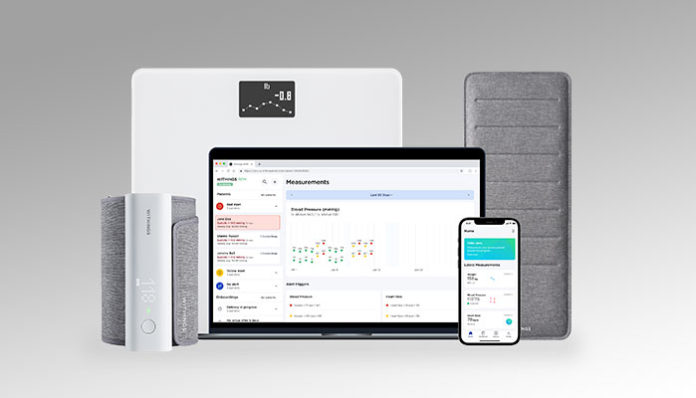
Withings devices allow users to monitor a variety of health parameters, particularly those that relate to cardiometabolic health.ย ย  ScanWatch provides sleep analysis, in addition to activity, pulse, and oxygen saturation (SpO2), in addition to ECG.ย  Body Scan provides vascular age and electrodermal activity, in addition to 6 lead ECG and segmental body composition.ย ย  BPM Core provides a comprehensive heart analysis, with ECG and heart sounds, in addition to blood pressure.ย  Withings Sleep provides a detailed analysis of sleep patterns and disruptions, which can indicate a different element of cardiovascular risk given the relationship between poor sleep and increased cardiovascular risk.

9. Is there a possibility that your health outcomes get shared with your doctor immediately if there is a trigger?

We at Withings believe users should be in control of their health data.ย  As a result, we do not directly share results with a doctor on behalf of a patient.ย  But, becauseย  we do feel that information sharing is incredibly important, we have configured our app so that each user can download a PDF of their health data to share with their care teams.ย  If there is a concern in a personโ€™s measurements, they are advised to seek medical care and to share their data with their doctor.

10. So, where does Withings go from here? What are the next set of innovations that are taking place?

Withings will continue to innovate each year – itโ€™s in our very nature as a company to do so.ย  The major innovations we will work on in the near term are concentrated in a few areas.ย  First, we will continue to expand both our range of devices, and the range of measurements in each, focusing on medical grade monitoring.ย ย  Second, we will develop our capabilities to combine these measurements for each user, to give each person a personalized picture of their health in near real-time.ย  Third, we will go beyond measurement, to really engage our users in health behavior change, unlocking more improved health outcomes.


Drug shortages and potential solutions to help mitigate them in the marketplace

Drug shortages and potential solutions to help mitigate them in the marketplace

Collaborative Solutions to Address Supply Chain Vulnerabilities and Mitigate Drug Shortages

The challenges of the last several years have shined a light on the pharmaceutical supply chain, revealing both its incredible strengths and opportunities for enhancements. According to a recent industry survey, four in five physicians said that they faced potential medicine shortages during the Covid-19 pandemic. In addition, 95 percent of healthcare providers believe that the pandemic has shown the supply chainโ€™s vulnerabilities.

Stakeholders across the healthcare ecosystem responded by making swift adjustments and remained resilient despite uncharted waters and unprecedented market dynamics. Pharmaceutical distributors played an important role, working closely with government entities and healthcare providers to help manufacturers understand the scope of increased product demand and manage the inventory available. Sophisticated allocation programs placed safeguards on products in high demand to stabilize supply and get as much product to as many providers as quickly as possible.

While a reported 83 percent of physicians believe drug shortages have become a bigger problem in recent years, theyโ€™ve long been a critical topic for the pharmaceutical and healthcare industries. Itโ€™s an issue that will require innovative thinking and collaborative solutions across all members of the healthcare supply chain, including the public and private sectors, to mitigate vulnerabilities and foster stability for future patient needs and public health crises.

Identifying and addressing vulnerabilities  

The creation of generic pharmaceuticals following the landmark Hatch-Waxman Act in 1984 increased medicine affordability and drove substantial growth in patientsโ€™ access to care. Now, nearly 90 percent of all medicines dispensed in the United States are generic formulations, and they account for less than 20% of our nationโ€™s overall drug spend. When generic products experience shortages, it can cause significant care disruptions, particularly in hospitals that need pharmaceutical inventory to support acute-care patients being treated in emergency rooms, operating rooms and intensive care units. It can also cause stress and uncertainty for all members of the supply chain.

Mitigating drug shortages for these critical medicines relies on producing generic formulations in a consistent and reliable way. For the pharmaceutical manufacturing community, this often hinges on the existence of dependable, long-term demand for products. Therefore, programs are needed to cultivate consistent demand for generic products, which will in turn help manufacturers properly forecast, invest in, and sustain production. To support accurate forecasting, supply chain partners are developing opt-in assurance programs that allow healthcare providers to invest in reliable supplies of critical molecules and products, especially those that have a potential risk of going on shortage. In some instances, sites of care are pooling resources together to support the creation of needed drugs through newly established not-for-profit manufacturers. Many programs have started to emerge in the industry, but it will take collaboration and public-private partnerships going forward to address these issues in a viable way.

In addition to creating a sustainable market, supply chain partners must diversify their sourcing relationships to reduce reliance on consolidated regions of the world for active pharmaceutical ingredients (APIs) and finished dosage forms (FDFs). At AmerisourceBergen, for example, we manage a database that uses predictive analytics to help identify and address supply chain challenges in todayโ€™s global generic marketplace. These enhancements began before Covid-19 hit but proved vital as we navigated the impacts of the pandemic alongside manufacturers and providers. In addition to key supply chain data, we leveraged third-party data sources to factor in natural disasters as well as evolving potential market disruptions. This database drove the diversification of AmerisourceBergenโ€™s generics portfolio, mitigating risk and, ultimately, creating a broader supply for our provider customers.

Creating stability and visibility

Another result of recent product availability challenges is more pressure on pharmaceutical procurement teams. To reduce disruptions to patient care, healthcare entities have taken additional steps to safeguard against shortage risks, including purchasing more supply than historically utilized when it is available. Wholesalers and manufacturers must try to manage the effects of purchasing demands that unexpectedly exceed the norms driving inventory levels and supply forecasts. Purchasing variances can create a ripple effect that also impacts product availability, but in todayโ€™s landscape, different stakeholders have limited visibility and data that spans the full supply chain. This makes it difficult to proactively assess or predict the potential impact of decisions in one area of the supply chain that could affect other areas of the system as a whole.

Given their unique position in the supply chain, pharmaceutical wholesalers can play an important role in stabilizing demand by reliably communicating supply and market updates from manufacturers to healthcare providers and from providers back to manufacturers. For example, amid significant spikes in demand for products to treat Covid-19 cases in the early months of the pandemic, AmerisourceBergen and our manufacturing partners established weekly town halls and one-on-one calls with health systems. These calls provided health systems with opportunities to share inventory concerns and ask questions, while helping us and our manufacturer partners understand their mindset and front-line needs. This level of mutual understanding facilitated the efficient and secure delivery of products to patients across the country during the heat of the Covid-19 crisis.

Additionally, AmerisourceBergenโ€™s allocation program, which was reviewed against established ethical frameworks by medical ethicists, helped safeguard high demand products to ensure providers could receive as much of needed medications and supplies as possible. The program is both algorithm-based and responsive, accounting for previous purchase history as well as factors like emerging Covid-19 hot zones and the number of ICU beds at facilities in that area. We found that concentrating inventory at the distributor level rather than the provider level helped keep the supply chain nimble enough to support patients everywhere.

Public-private partnerships have also played a key role in responding to supply challenges amid Covid-19. AmerisourceBergenโ€™s partnership with Healthcare Ready allows us to support the Essential Medicines Strategic Stockpile Act of 2020, which disseminates pharmaceuticals to high-infection areas in the United States. The federal government also helped establish a data watchtower that could track all supply across the public and private sector, giving all of us in the supply chain enhanced and unprecedented visibility. We should continue this data sharing for critical products going forward, even beyond the current pandemic.

While Covid-19 drove enhanced collaboration between supply chain partners and government entities, there is still more work to be done. To mitigate service level issues and stabilize demand over the long-term, the industry must collaborate on solutions and continue to establish partnerships that strengthen communication between stakeholders and increase overall visibility across the supply chain.

Key Takeaways

All members of the pharmaceutical supply chain, including private and public sectors, have a responsibility to work together to mitigate drug shortages by addressing the root causes. As a distribution partner, weโ€™re committed to being a valuable link and a conduit of accurate information between our provider customers and our manufacturer partners. If we implement strategies to create a more sustainable marketplace and build solutions to reduce demand irregularity, we can begin to stabilize the U.S. pharmaceutical marketplace and work to insulate it from drug shortages in the future.

Medable Announces Partnership with Withings Health Solutions to Integrate Connected Health Devices in Decentralized Clinical Trials

Medable Announces Partnership with Withings Health Solutions to Integrate Connected Health Devices in Decentralized Clinical Trials

Medable Inc., the leading SaaS platform provider for patient-centered clinical trials, announced a new partnership with Withings Health Solutions, the business-to-business division of Withings, one of the global leaders in at-home connected health. Withingsโ€™ devices will seamlessly connect to Medableโ€™s decentralized clinical trial platform, reducing the burden on sponsors and sites while empowering patients to participate in trials from home.

With Withings easy-to-use devices, Medable can remotely capture and integrate critical medical-grade measurements, including temperature, heart rate, blood pressure, sleep patterns, and weight. Withings incorporates patient-centered design principles to develop non-invasive devices that are both robust and easy for patients to use in any setting. The convenience can improve patient recruitment and retention โ€“ which is significant since 85% of clinical trials fail to retain enough patients and more than two-thirds of sites fail to meet patient enrollment goals.

โ€œMedable has significantly contributed to improving the way clinical trials are run and shares our focus on usability and patient experience. We are very proud to partner with them to bring our devices to their decentralized clinical trials platform.โ€ said Antoine Robiliard, VP Health Solutions, at Withings. โ€œTogether, we can increase operational efficiencies and enhance the patient experience in clinical trials.โ€

With Withings devices integrated into Medableโ€™s DCT platform, Medable eliminates siloed data streams, delivering aggregate patient data in one platform to improve trial oversight for sponsors. Sites also gain immediate access to data insights within the Medable platform, consolidated for every patient in a study.

Medable was founded by Dr. Michelle Longmire, who wanted to solve the problem of limited participant access to clinical trials. Medableโ€™s platform has revolutionized how clinical trials are conducted, allowing people across demographics to participate remotely in decentralized and hybrid clinical trials.

โ€œAs the industry leader in plug-and-play connected sensor devices, Withings is the ideal partner for Medable as we continue driving for population representation in clinical trials,โ€ said Dr. Michelle Longmire, co-founder and CEO of Medable. โ€œTheir devices are a critical part of a successful decentralized clinical trial โ€“ the third leg of the DCT stool โ€“ and we look forward to a long, successful partnership with Withings.โ€

All You Need to Know About Leasing Pathological Equipment

All You Need to Know About Leasing Pathological Equipment

Setting up a successful lab is no easy feat. From PPE to pathological equipment, the list is endless, and the money involved can seem staggering. One option thatโ€™s helping a lot of start-up labs is equipment leasing. The options are limitless โ€“ you can hire blood bank analysers, osmometers, and even automated immunohistochemistry strainers.

The fact is we live in a rental age. Sharing of information and data is making access to improved tools and research even easier and the ability to rent equipment is opening opportunities for a variety of teams, regardless of their size or budget. Physics historian Peter Galison makes the claim that tools are an even greater driver of scientific revolution than ideas. Equipment is so influential to scientific progress that if access to it is limited, it can be emotionally frustrating and restrictive to research. At the same time, lab equipment is not cheap to get your hands on. Itโ€™s constantly updating and therefore becoming outdated and there are expensive pieces of kit that you need only for a few short studies.

So, what is the answer?

Renting and leasing lab equipment.

The Benefits of Leasing Equipment

Renting or leasing lab equipment is not a new idea and itโ€™s helping hundreds of labs to easily jump into the 21st century of research. What are the benefits that come from renting lab equipment?

  • Cost. The upfront cost is reduced dramatically by spreading the cost over a longer period of time. This makes the equipment much more affordable and accessible. Additionally, you have the potential to pay for the equipment with 100% tax deductible payments which means you make significant cash savings. You can conserve your working capital more easily, giving you the funds that you need to invest in the important business and operational needs at the core of your work.
  • Time. Machine downtime is minimised as maintenance and repair are often included in the rental agreement. The administrative process is simplified as there is less work involved in procuring the necessary equipment which further saves a lot of time.

If there are so many benefits, what are the options?

Finding the Best Leasing Option for Your Needs

There are many different leasing options so itโ€™s important to find one that will suit your needs and your budget. Each option has pros and cons so it will take some time to consider your teamโ€™s needs and accommodations that need to be made for the cost of the equipment. There are many factors involved in deciding whether to buy or rent equipment and within the option of renting there are further decisions to be made regarding the type of lease you take out. With time and effort, you can decide on an option thatโ€™s ideal for you, your team, your budget and your research.

Operating Lease โ€“ An operating lease is a great option for lessees looking for a short-term, flexible solution. You donโ€™t take on the risks of owning the equipment, but you also donโ€™t get the perks of owning it. At the end of the rental term, you have the choice to either return the equipment to the lender, renew the same rental at a lower price or buy the instrument outright for the value it now has. When you pay monthly under the terms of an operating lease youโ€™ll often be able to claim back the tax which will bring you greater financial savings. Itโ€™s also great for equipment that has a shorter lifespan or is likely to be updated regularly. Problems arise if you need customised equipment โ€“ as you will not own the item outright at the end of the contract, you canโ€™t make any changes to the device.

Sale-leaseback โ€“ If youโ€™ve just paid out to own an item outright, some rental companies will offer you cash for the equipment and convert the purchase into a long-term rental. This will help you to free up some of the money in your budget rather than sinking it into one permanent asset.

Capital lease โ€“ sometimes these are known as rent-to-own leases and as the name suggests, ownership is transferred from the lessor to the lessee at the end of the contract. While this means you will eventually own the equipment outright, the interest rates are often higher so the monthly cost will be considerably more. Furthermore, by the time you own the equipment, there may be an updated version that you would rather start using. With this in mind, only choose a capital lease for an item that is not subject to frequent upgrades. If youโ€™re considering a capital lease, make sure that the payments include the same services and warranty that would be included in an outright purchase. Eventually, this equipment will be yours, so you want to know that it has been looked after, repaired, and regularly maintained.

The Downsides of Renting and Leasing Lab Equipment

To truly examine the options, we need to look at the downsides to renting or leasing lab equipment. While the pros are many, there are cons that you need to consider:

  1. While the upfront costs are considerably more appealing, the cost over time may work out higher. With the additional interest to take into consideration, the cost over the period of the lease may ultimately end up being more than if you have just bought the equipment outright in the beginning. Of course, itโ€™s harder to prepare and accommodate for bigger upfront expenses so even though a monthly payment works out more expensive in the long run, itโ€™s more manageable and friendly to the budget.
  2. Another downside comes from the contract. You are tied into that lease for as long as you initially agreed even if you end up using the equipment a lot less than you first imagined. This might eventually become a costly and unnecessary expense that you are committed to paying until the end of the term.

Whether you choose to buy, rent, or lease, each option serves a valuable purpose. Itโ€™s just up to you as to which path you will take.

Don’t Make These 3 Mistakes When You Are A Poor Sleeper

What to Do if You Have Trouble Sleeping

Sleep is fundamental for health and well being so when you are a poor sleeper, you can end up with a lot of different problems. Poor sleep can result in high blood pressure, depression, and can even end up harming relationships. Getting enough sleep should be your goal and there are steps needed to be taken to ensure you succeed.

There are mistakes made, however, that are the root cause of the poor sleep you have been getting. When you arenโ€™t taking active measures, or the things you are doing are what is causing the bad sleep to begin with, you have to take a step back and make a sleep hygiene plan. Before you call the professionals at SnoozeUniversity, you should stop making these mistakes as soon as possible.

1 – Looking at your devices in bed

One of the most common reasons that people are underslept and miserable is that there are far too many devices that make their way into the bedroom. Before bed people like to think theyโ€™re unwinding by looking at their phones or tablets. This is the opposite of unwinding as the stimulation can cause you to start waking up when your brain should be shutting down.

One reason is that looking at your social media feeds is overly stimulating and will either get your brain activated because you are annoyed by what you see, or because you are pleased. The other side of the coin is that the blue light creates an effect on your brain that throws off your body clock.

There is a hormone called melatonin that is what the brain needs to understand that itโ€™s time to sleep. The blue light tricks the brain so none is produced and that causes you to lie awake after looking at the devices.

2 – Not getting enough exercise

Exercise is another important building block for getting enough sleep. It has a lot of other obvious benefits but helping you fix your sleep issues will result in everything else falling into place.

When you are exercising you will be getting tired so at the end of the day your body will be willing to sleep and not fight you since you didnโ€™t exert enough energy.

The other benefit is that you will be increasing your circulation which brings much needed nutrients to your body and brain. This helps to reset your body clock and makes sure that you are going to sleep when ready.

3 – Not modifying your sleep environment

Your bedroom could actually be the cause of your sleep problems. If it has a lot of distracting clutter that makes you feel stressed out instead of comfortable then this is a sign that you need to modify your sleep environment.

Make sure to turn the lights down to get your brain ready for sleep. You should also make sure to use a noise canceling device to block out any outside sounds. When you have your room set up like a cocoon then youโ€™ll get the best sleep of your life.

Translate ยป