Close
Digital Health & Ai Innovation summit 2026
Medical Taiwan 2026

Lynch Syndrome- AI Enhances Colorectal Cancer Detection

In the presence of Lynch syndrome, researchers at the National Center for Hereditary Tumor Diseases (NZET) at Bonn University Hospitalย have demonstratedย that artificial intelligence (AI) can augment the efficacy of colonoscopy. The study results have been posted online in the United European Gastroenterology Journal.

Lynch syndrome (LS), also known as hereditary non-polyposis colorectal cancer (HNPCC), is the most prevalent hereditary colorectal cancer syndrome. According to estimates, it is thought to impact about 300,000 people in Germany alone. Two to three percent of all colon cancers are caused by LS. Defects in the genes that are in charge of mending the DNA that makes up human genetic material cause it. Children of affected individuals have a 50% chance of inheriting the pathologically altered genetic disposition (mutation), which increases their risk of developing colon cancer at an early age. Colonoscopy surveillance is therefore advised here on a yearly to two-year basis.

However, despite such consistent endoscopic monitoring, the head of the hepatogastroenterology section at UKB’s Medical Clinic I, Prof. Jacob Nattermann, notes that the risk of colorectal cancer in those affected remains elevated. The reason for this, according to the researchers, is that adenomas, which are possible origins of colorectal cancer, are still largely missed by colonoscopy. Even seasoned gastroenterologists run the danger of missing small and flat adenomas, according to Prof. Nattermann.

According to recent statistics, computer-aided detection (CADe), also known as artificial intelligence (AI)-assisted colonoscopy, may aid in boosting the population’s adenoma detection rates (ADR). So, explains Robert Hรผneburg, senior physician at UKB’s Medical Clinic I, the purpose of their study was to assess the diagnostic performance of AI-assisted colonoscopy in patients with Lynch syndrome.

Thus, between December 2021 and December 2022, 46 LS patients were researched using traditional endoscopy and 50 LS patients using AI-assisted colonoscopy in close partnership with the Institute of Medical Informatics, Statistics, and Epidemiology, University of Leipzig. Here, adenomas were found by substantially more of the AI-assisted examinations (36%) than the conventional examinations (26.1%). According to Hรผneburg, this was primarily because of much enhanced flat adenomas identification. In conclusion, this study was the first in the world to gather data indicating that AI-assisted real-time colonoscopy is a viable strategy to increase flat adenomas’ detection during endoscopic surveillance of LS patients. According to these findings, bigger multicentre research is now being planned by the department because of the small sample size, according to Prof. Nattermann.

Indian NHA To Launch HMIS For Private And Small Clinics

A hospital management information system will soon be made available by India’s National Health Authority to the nation’s minor medical facilities and private clinics.

According to a press release, the software’s beta version will offer the following features:

  • Ayushman Bharat Health Account generation and retrieval for patients is permitted thanks to ABDM (Ayushman Bharat Digital Mission) compliance.
  • Calendar, appointment, and patient information management in a single window for facility management.
  • View patients’ prior medical information, prescriptions, and schedule video consultations via digital services.
  • E-prescription services enable them to create and distribute digital, standardised prescriptions with the ability to change the way they are formatted.

Small clinics’ transition to the digital age will move more quickly thanks to the new HMIS solution, according to the NHA, which is implementing the ABDM. Additionally, it will increase the number of healthcare providers in the nation. In the first week of 2023, the Indianย government will hold a virtual session for the HMIS in which it will also solicit suggestions for enhancements from healthcare professionals.

An initiative to establish a cloud-based hospital information management system to link all of the public hospitals in the state was announced by the Delhi government in 2021. It was planned for the system, whose development was given to NEC Corporation India, to be delivered last year.

In the meantime, the National Informatics Center’s e-hospital HMIS is being fully implemented by the All India Institute of Medical Science in New Delhi.

How To Save Money When Buying Health Supplies And Medicine For Your Family

Managing illnesses and injuries can add more expenses to your household. Buying the medicines and necessary medical supplies can strain an already tight budget. But these are necessities when youโ€™re under treatment and recovery. You donโ€™t have to keep stressing because there are ways to save more money when you need medicines and medical supplies.

In this blog post, youโ€™ll learn how to save money when buying medical supplies for your family.

  1. Buy Medical Supplies In Bulk

You can save on medical supplies by purchasing them in bulk. Only spend money on supplies that you use or need. Look into mail-order pharmacies if they have coupons for supplies and medications that you or a family member uses. If you or a family member has a chronic disease or youโ€™re treating yourself or someone with an injury, buying in bulk is helpful.

Search for the nearest wholesale store in your area to get monthly test strips, bandages, syringes, and other supplies instead of buying a single unit. Ask your doctor if you can purchase supplies from them directly. Sometimes, they can get samples released by various pharmaceutical companies.

Suppose youโ€™re taking medication for your skincare routine. You can search online drug stores or your preferred beauty supply store that offers wholesale deals to buy supplies on sale or discounts.

  1. Choose Generic Names

Generic medicines are more affordable than brand names. While they might not be first on many peopleโ€™s lists, generic has the same properties as the brand names, which help address healthcare inequality.

In addition, generic medicines cost lower because producers donโ€™t need to repeat animal and human or clinical studies. Brand-name medicines often need to do these studies multiple times to prove their safety and efficacy. Essentially, upfront research costs are lower, leading to more accessible pricing.

Another reason for the lower prices of generic brands is that multiple generic drugs get approval for the same product. The medicines tend to become cheaper because the approval also creates competition in the market. Regardless, the Food and Drug Administration has also approved generic medicines.

Generic medication might also be more affordable and treat the same condition using a different formula. Ask your healthcare provider if generic options for your current branded medication exist.

  1. Search For Beneficial Prescription Drug Websites

You can find legitimate websites online for more information on how to save on prescription drugs. The websites allow you to search for medicines by condition or diagnosis and contain different manufacturersโ€™ savings programs.

In addition, some websites offer coupons and rebates. But before you buy any recommendations made by the website, ensure that you verify the information you find with your pharmacist or healthcare professional.

Other sites contain a database of individual medicines, and you can review prices by various pharmacies. The website also helps pharmacists because it can help them find safety net programs or representatives who can provide coupons or samples of specific medications.

There are also assistance programs for uninsured patients, provided they meet the eligibility requirements. These programs are reserved for those at a certain poverty level. Some drug manufacturers require patients to be categorized for lower medication prices.

  1. Plan And Time Your Order

Suppose youโ€™re regularly using specific medications and supplies. Making a list makes tracking which ones are running out of stock easier. For example, youโ€™re a diabetic patient with particular medicines you need to take weekly. Your medical list must be easy to read and placed where you always see it. Blood sugar testing strips must also always be on hand if you tend to test yourself up to 10 times or more daily.

If youโ€™re also treating injuries, you must have a supply of self-care medications, tools, and other needs while you or someone in your family is recovering. If you run out of antibiotics or topicals vital to healing wounds, your recovery will slow. Thereโ€™s also the risk of infections, making the wounds harder to heal.

You can look for deals and promotions on certain medications and supplies. Also, take advantage of free shipping and discounts. Some discounts allow you to get a fraction of the cost of supplies once your order reaches a minimum amount. Keep in mind these deals might be limited time only. Take advantage of them if you can to save more.

In Conclusion

You can save money on medicines and supplies by being resourceful. Search for websites that offer information on medication for specific conditions and savings programs. Some websites backed by well-known manufacturers even have assistance programs for those under the poverty line. Ask your doctor for assistance and buy supplies from them direct.

There are many ways to save on medicines and supplies. It only takes research and asking the right questions.

Retailization of Health Competes Directly With Hospitals

Paul Schuhmacher, a managing director in the healthcare business of consulting company AArete, believes that VillageMD’s recent $8.9 billion takeover of Summit Health-CityMD is the most recent chapter in the retailization of healthcare. Evernorth, a Cigna company that provides health services, and Walgreens Boots Alliance contributed to the investment.

According to Schuhmacher, the transaction represents a big investment and a major chance for the pharmacy chain to seize a portion of the income that would often go to established provider groups.

More broadly, he thinks they will see more retailization of healthcare, said Schumacher. In the long run, it will pick up, albeit perhaps not as much in 2023 as interest rates rise and expenditures stagnate in many companies.

Retailers will keep going deeper if they see the approach working. The difficulty, he noted, is that the margins on these commoditized services are smaller. Their objective is to expand into a very broad line of business, expand their revenue streams, and increase same-store sales, even if they are not yet generating nearly as much money as they do in the retail sector.

They are colliding more often and battling more with suppliers, according to Schumacher. They can currently perceive the revenue possibilities. As per Schuhmacher, the health offerings must be straightforward for this to be successful in retail. Retailers should concentrate on streamlining, repeating, and standardising services and procedures across the board.

It is a fast-food business concept that provides consumers with accessibility and convenience. Customer service is already a priority for retailers. The Amazon experience is also available.

The poor operating margins in healthcare come with a learning curve, though.

According to The Wall Street Journal, Walgreens Boots Alliance reduced the number of walk-in clinics it operated in 2019 in order to reduce costs. It sought to hire other companies to provide medical services in stores. The Deerfield, Illinois, drugstore chain announced that it would preserve 220 clinics managed by regional health systems while shuttering the approximately 160 in-store health clinics it currently operates in the United States.

In 2021, CVS Health revealed plans to reorganise and close 900 stores countrywide over a three-year period in order to expand its range of health services at the remaining locations. According to Schuhmacher, CVS, Amazon, Walmart, and other companies that are spending extensively in various ways are posing a direct threat to hospitals and medical practises.

Schumacher remarked that he wouldn’t say they’re too concerned at this stage. Some healthcare providers are worried. Through digital service offerings and traditional primary care, these firms continue to expand.

The Walgreens Health platform, which will provide care in-store, at home, in the doctor’s office, or via a mobile app, was unveiled by Walgreens in October 2021.

The launch of the former’s virtual primary care service in August by CVS Health and telehealth provider Amwell signalled the retail pharmacy chain’s next steps toward building a bigger online presence. In October, Walmart announced plans to open 16 new clinics in Florida in 2023. These clinics would provide general care, lab, X-ray, and EKG services, as well as behavioural health, dentistry, and community health care, with location-specific services.

Amazon said in July that it would pay $3.9 billion to buy the primary care provider One Medical. Neil Lindsay, SVP of Amazon Health Services, stated at the time that they think healthcare is at the top of the list of experiences that need reinvention. As the population of the country ages due to the baby boomer generation, large pharmacy businesses and others have also broadened their care models to include home care. According to the U.S. Census, senior Americans will account for 21% of the population by 2030, up from just under 17% now, when all baby boomers will be older than 65.

In 2021, Walgreens Boots Alliance finished buying a controlling stake in CareCentrix, a platform that helps patients, clinicians, and health plans coordinate treatment at home. In order to acquire the home health platform, CVS Health outbid Amazon, UnitedHealth Group, and other companies in September for $8 billion.

Inflation Reduction Act Tax Credits Boost ACA Uptake By 18%

According to the Department of Health and Human Services, enrollment in the Affordable Care Act marketplace has continued to outperform previous years, with almost 11.5 million consumers choosing a health plan nationally as of December 15โ€”the cut-off date for coverage beginning Jan. 1, 2023.

According to HHS, 1.8 million more peopleโ€”or an 18% increaseโ€”have signed up for health insurance compared to this time last year.

In 2022, 10.2 million people signed up for insurance through the federal marketplace at HealthCare.gov. The latest 2022 enrolment data shows 14.5 million people enrolling for coverage across all states, with 3 million of those people being new customers, according to the Centers for Medicare and Medicaid Services summary.

The HealthCare.gov Marketplace Active Enrolment is currently available until January 15, 2023 for coverage beginning on February 1, 2023.

On January 11, 2023, a new snapshot of available national plans will be made public, including those offered through state-based marketplaces. The Inflation Reduction Act investments, according to HHS, are what allowed four out of every five users of HealthCare.gov to select health plans for $10 a month or less.

Extraordinary investments result in outcomes that are unmatched, according to HHS Secretary Xavier Becerra. As stated in the statement, under President Biden’s leadership, they have enhanced the Affordable Care Act marketplace with ongoing record affordability, vigorous competition, and historic outreach efforts, and the enrolment numbers mirror that.

According to HHS, 92% of HealthCare.gov registrants will have the option of three or more insurance companies when selecting a plan. Consumers can compare and select options by using standardised plans that offer many of the same benefits at the same cost.

The HHS reports that earlier this year, the country’s uninsured rate reached a record low. As a result, hospitals will receive less unpaid care.

The ending of the Medicaid continuous enrolment rule that was implemented during the public health emergency is one worry that could increase the number of people without insurance. As states go through the process of redetermining their level of coverage, an anticipated 18 million Medicaid enrolees might lose their health insurance.

Regardless of whether the PHE is still in effect, states may begin processing Medicaid determinations on April 1 as a result of the $1.7 trillion omnibus budget bill’s passing. The ACA is regarded as a substitute for beneficiaries who are no longer qualified for Medicaid coverage.

It’s unclear if those who lose their Medicaid eligibility will be able to immediately enrol in ACA coverage during a special enrolment period. It is evident that the omnibus bill’s passage separates Medicaid redeterminations from the PHE’s conclusion.

There is still more work for CMS to do, according to a representative there. People who have had a life-changing event, such as a wedding, divorce, or having a child or adopting a kid, are typically eligible for Special Enrolment Period coverage.

Withings Brings a New Stream of Health Data to the Healthcare Industry With U-Scan, The World’s First Hands-free Connected Home Urine Lab

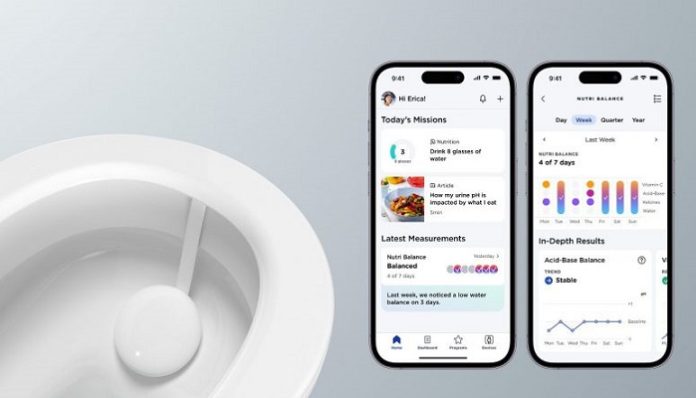
At CES, Withings, global leader in connected health, has announced U-Scan, a breakthrough in-home biomarker analysis platform. One of the companyโ€™s most technologically advanced devices to date, U-Scan is a miniaturized health lab that hygienically sits within any toilet bowl[1] to unlock the wealth of health information in daily urine. Simultaneously being developed for the consumer health and professional medical markets, its first professional partners are announced as Pr. Marie Courbebaisse (Nephrologist, Physiology department Metabolic and renal exploration units Georges Pompidou European Hospital, Paris), and Institut Curie.

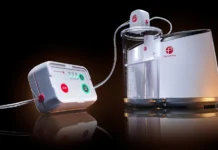
With the potential to offer both consumer health solutions and medical professional applications ranging from research to clinical trials to remote patient monitoring[2], U-Scan is a game changer in home health technology. It is designed to be a versatile platform consisting of an advanced pebble-shaped reader and changeable analysis cartridges designed to assess specific biomarkers without the need for external sample capture or strips.

It will debut in Europe with two consumer health cartridges, including U-Scan Cycle Sync for womenโ€™s monthly cycle tracking and syncing and U-Scan Nutri Balance, a detailed metabolic guide to hydration and nutrition. Withings Health Solutions, the companyโ€™s business-to-business division, has launched U-Scan For Professionals to bring this technology to the medical and healthcare industries.

Working with medical professionals, disease management programs, pharmaceutical, CROs, and health providers, customizable cartridges for U-Scan For Professionals can be developed to assess a myriad of biomarkers contained within urine that are associated with a host of medical and health conditions. Presently solutions can be tailored to analyze a combination of markers such as pH, specific gravity, ketones, vitamin C, albumin, and creatinine but Withings chemistry teams are available to help medical professionals create bespoke cartridges for their use case.

One of its first partnerships includes powering a clinical study to improve the follow-up of patients with cystine renal lithiasis and uric acid renal lithiasis with Professor Marie Courbebaisse, Nephrologist, Physiology department – Metabolic and renal exploration unit – Georges Pompidou European Hospital (APHP, Paris). A future collaboration is underway with Dr. Franck Perez, CNRS Research Director and Head of the Cell Biology and Cancer Unit at Institut Curie, to develop the first non-invasive at-home urine monitoring of bladder and ovarian cancer relapse and screening. It represents an exciting potential use of the technology.

“Being able to monitor specific urine biomarkers regularly and easily at home is a breakthrough innovation that opens exciting fields for nephrology research and patient outcomes. People suffering from lithiasis will be able to better self-monitor their condition and limit the occurrence of relapses,” commented Pr. Courbebaisse.

โ€œWe are confident that our proprietary antibody technology allied with the revolutionary U-Scan device could be a game changer for detection and survey of cancer progression,” โ€“ Dr. Franck Perez, CNRS Research Director and Head of the Cell Biology and Cancer Unit at Institut Curie.

U-Scan For Professionals – How it Works

While easy to use, U-Scan overcomes multiple technical and chemical challenges. Developed with in-vitro diagnostic experts, it was four years in the making and resulted in 13 patent application families.ย  As a complete system, U-Scan performs three tasks:

1) Automated Sample Capture โ€“ using a sophisticated reader within a toilet bowl

Just 90 mm in diameter, the rechargeable U-Scan reader is engineered to distinguish between external liquid and urine and automatically funnel samples for analysis. Urine flows efficiently to a collection inlet thanks to its pebble-shaped design.ย  A pump is activated when a thermal sensor detects the presence of urine, which starts a sampleโ€™s fluidic journey within a microfluidic circuit.

After its collection, the urine sample is injected into a test pod where the chemical reaction is read by an optical module. At the end of each measurement, the circuit returns to the idle position and the remaining liquid is purged through a waste outlet. The system is subsequently cleaned with every flush.

2) Biomarker Analyses โ€“ within a miniaturized urine lab tailored to specific use casesย ย 

The rotating cylindrical U-Scan cartridge is a tiny chemical assessment chamber containing dozens of miniaturized test pods that can deliver reliable results.ย When the reader delivers the sample to the injection point U-Scan begins the chemical analysis within moments.ย  It automatically transmits results via Wi-Fi and then rotates the cartridge to expose the next test pod to the injection point.

The module systemย is purposely designed to allow for bespoke cartridges to be developed as required by use cases.

3) Actionable ย Dataโ€“ unlocking new health data streams

The data collected with U-Scan For Professionals can be analyzed and delivered to audiences in a variety of ways depending on the use case.

As the latest device within the Withings ecosystem, U-Scan For Professionals is compatible with Withings RPM, the highly advanced Remote Patient Monitoring solution that places the patient experience at the heart of the telehealth experience.ย The ability to carry out daily urine analysis greatly increases the health data Withings can offer partners, making it one of the most comprehensive platforms on the market.

Leveraging its API, Withings partners can bring patientsโ€™ data to their own environment and offer results or actional advice in their own voice and brand.

โ€œThe ability of U-Scan to perform daily urine analysis from home provides a powerful health data stream that can be used by health professionals in multiple functions.,โ€ said Mathieu Letombe, Withings CEO. โ€œThe data U-Scan unlocks can be used in medical research or in clinical trials helping to bring new treatments to market as well as a multiple of remote patient monitoring sceneries[3].ย  We have purposely built this modular technology to be able to be customized for a myriad of biomarkers and look forward to working with professional partners in the health industry to realize its exciting potential.โ€

Commenting on the launch of U-Scan and its potential in his field, Pr. Bernard Canaud,ย Emeritus Professor of Medicine at Montpellier University, School said, โ€œThe ability to automatically analyze the physical and chemical composition of urine in real-time is a tool missing for todayโ€™s clinicians and health providers. This unmet need is being realized by U-Scan, which is a major technological breakthrough that I predict will facilitate the improved treatment and monitoring of chronic kidney disease patients. In addition, this disruptive technology has the potential of improving kidney and cardiac disease outcomes by empowering patients with daily information.”

Want to Become a Dental Assistant? Here’s What You Need to Do

Are you interested in a career as a dental assistant? Dental assistants are an integral part of the dental team, and their job is to provide support for dentists by preparing patients for treatment, taking x-rays, providing oral hygiene instructions, and more. Becoming a dental assistant requires specialized knowledge and skills that must be learned through education or on-the-job training.

If you’re looking to start your journey toward becoming a certified dental assistant, let’s look at the seven steps that you need to take.

Complete an Education Program

Earning your high school diploma or GED is the first step to becoming a dental assistant. Even if you do not plan on pursuing further education, most employers will require a minimum level of education before they offer employment.

Then, you’ll need to complete an accredited dental assistant program. Most programs involve classroom and lab instruction, as well as hands-on experience in a clinic or office setting. Depending on the program, it can take from one to two years to finish. Course topics in these programs may include dental anatomy, pharmacology, radiography, infection control procedures, dental materials, and dental office management.

Once you’ve completed an approved program, the next step is to take the Dental Assisting National Board (DANB) exam. The exam consists of three parts; Radiation Health and Safety, General Chairside Assistance, and Infection Control. You must pass all three parts to become a certified dental assistant (CDA)

Entering the field

You can also receive on-the-job training from a certified dentist, as long as they are willing to provide the necessary instruction and mentorship. This type of program requires up to two years of supervised clinical practice and a one-time fee may be required. Once you have completed your training, you will then need to take the DANB exam to receive certification.

To find training job opportunities, you can look for postings in local dental offices or search online job banks for advertised positions.

The process of choosing candidates is like finding a real job. You will need to provide a resume, make sure you have all the necessary documents, and be prepared to answer questions. To strengthen yourself for these, look for job interview tips to become a dental assistant and practice your confidence for the conversation. Some of the interview criteria can include your long-term goals as a dental assistant, your proficiency in assisting tasks such as taking x-rays or sterilizing instruments, and any related certifications.

Obtain Credentials and Licensure

Once you have passed the DANB exam and completed your training program or on-the-job training, you can become a certified dental assistant. Most states require individuals to obtain licensure to practice. The process of obtaining your license will vary by state but typically requires you to submit an application and pay a fee.

There are also other certifications that you may pursue, such as Radiology Certification or Coronal Polishing Certification. These additional credentials can greatly enhance your chances of finding and retaining a job in the industry.

Gain Experience

Experience is key for any career and dental assisting is no exception. Once you have obtained your certification and licensure, look for opportunities to gain additional experience. These experiences can be in the form of internships, volunteer work, or simply shadowing other dental assistants. Not only will this help you build your skill set but it will also give you a chance to make connections and expand your professional network.

On the other hand, you can also look for job postings in dental practices. Even if you do not have a lot of experience, it’s possible to gain entry-level positions or internships that may lead to full-time employment.

Stay Up-to-Date on Industry Trends

The world of dentistry is rapidly evolving, so it’s important to stay up-to-date on the latest trends and technologies. This includes attending conferences and webinars, signing up for newsletters or blogs, joining professional organizations such as the American Dental Assistants Association (ADAA), and networking with other dental assistants.

By staying informed on industry trends you will have a better understanding of the field, which can help you to become a more well-rounded and knowledgeable dental assistant.

Additionally, technology is constantly changing in the dental world, so it’s important to keep up with those changes as well. This includes learning new software programs, staying aware of advances in technology, and utilizing online resources for continuing education.

Continuing Education

Continuing education is essential to staying up-to-date in the field of dental assisting. The DANB offers recertification courses that can help you maintain your credentials and stay current with industry standards. You can also take additional courses, obtain certifications, or pursue further professional development through an accredited school or program.

This type of educational advancement will not only demonstrate your commitment to the profession but can also open up opportunities for career growth and better job prospects.

Build Strong Relationships

In addition to obtaining experience and staying current in the field, it’s important to build strong relationships with your colleagues, supervisors, and patients. This includes developing excellent communication skills, treating patients with respect, and being a team player.

Strong relationships will not only help you to do your job effectively but they can also lead to better working opportunities in the future.

Additionally, having a positive attitude and strong work ethic will make you stand out from the crowd. This can help you to become an invaluable asset in any dental practice.

Polish Your Resume

Finally, it’s important to have a well-written resume that highlights your skills and experience. This includes making sure that your educational background, certifications, and other qualifications are clearly outlined. You should also include any relevant volunteer work or research projects that you have completed.

In addition, make sure to highlight any awards or recognitions that you have received for your work in the field of dental assisting. This will help distinguish you from other applicants and show potential employers that you are an asset to their practice.
Becoming a dental assistant requires dedication, hard work, and commitment. It is important to stay up-to-date on industry trends, obtain certifications and continue your education to be successful. Additionally, itโ€™s essential to build strong relationships with colleagues and patients as well as have an impressive resume that highlights all of your accomplishments.

With the right attitude and preparation, you can become a top-notch dental assistant in no time!

The Crucial Factors When Choosing Furniture for a Healthcare Facility

The furnishing of a healthcare facility is an important consideration for any medical organization, from small clinics to large hospitals. Furniture plays a vital role in providing comfort, safety, and functionality to both staff and patients. When selecting furniture for a healthcare facility, there are several crucial factors that must be taken into account. This includes comfort, durability, safety, and the ability to be cleaned easily.

Consider the layout and environment of the healthcare facility

Is it a busy ward, a high-traffic waiting area, or an operating theater? Each of these environments will require furniture that is designed to suit its purpose. For example, patient beds need to be comfortable and adjustable for different positions. Waiting areas should provide comfortable seating with armrests and tables for paperwork. Ample storage should also be provided in departments where multiple supplies are used.

Comfort

Comfort is a key factor when choosing furniture for a healthcare facility. Not only should the furniture provide comfort to patients, but it should also support staff in their daily tasks. It is important that chairs and couches are designed with ergonomics in mind; this will help reduce fatigue and keep staff productive throughout the day. Furthermore, adjustable furniture options can be a valuable asset in any healthcare facility, as they provide flexibility and can cater to a variety of sizes and shapes. Once the comfort requirements of your facility have been identified, you can then focus on selecting furniture that is up to the task.

Durability

Durability is another important factor when selecting furniture for a healthcare facility. Healthcare facilities are usually busy environments where the furniture must be able to withstand constant use and abuse. It is important to choose furniture that is made from quality materials, such as solid wood or metal frames, to ensure it will last for many years.

If the furniture is not durable, it can quickly become worn and needs to be replaced frequently, resulting in unnecessary costs. Look for furniture with strong warranties and long-term guarantees to ensure you are getting the most out of your investment.

Easy to clean and maintain

Due to the nature of a healthcare facility, easy-to-clean and maintained furniture is essential. This helps reduce the spread of germs and bacteria, making it important that furniture is cleaned regularly and easily. Furniture with smooth surfaces is best, as it can be quickly wiped down without leaving any residue or grime. Namely, you should consider getting a supply of antibacterial seating and furniture that can tackle the tough cleanup jobs. The furniture should also be designed in a way that makes it easy to remove and replace cushions or covers, as this will help ensure the furniture looks and feels fresh for years to come.

Safety

The safety of both staff and patients must be taken into account when selecting furniture for a healthcare facility. Furniture with rounded edges, non-slip surfaces, or even antibacterial coatings can help reduce the risk of slips and falls. Additionally, furniture should also be fire retardant to ensure maximum safety in case of an emergency. When selecting furniture for a healthcare facility, it is important to pay attention to the safety guidelines set out by local authorities.

Easy to move and rearrange

Another factor to consider when selecting furniture for a healthcare facility is the ease of movement and rearrangement. Chairs, couches, and tables should be easy to move around without any difficulty. This will help ensure that the furniture can be quickly arranged as needed for different activities or treatments. Furniture with wheels is an ideal option, as it can be moved around with ease. On the contrary, furniture that is more substantial such as cabinets or desks may require bolting to the floor for extra stability. Alternatively, you can purchase furnishings that are easy to break down and store away for convenience when rearranging your healthcare facility’s layout. This way, it will be easier than ever to swiftly modify your space in response to changeable needs!

Goes with the design

Finally, the furniture should also complement the overall design of the healthcare facility. This includes choosing furniture that fits in with the existing color scheme, decor, and style of the space. The furniture should also be tailored to fit the purpose of each room; for example, chairs in a waiting room should have a more relaxing feel than those found in an operating room. For a unified look, choose furniture pieces that are made from the same material or color.

Look for ergonomic furniture

Ergonomic furniture is another important factor when selecting furniture for a healthcare facility. This type of furniture is designed to provide comfort and support, as well as reduce stress on the body during long hours in one position. Look for chairs and other pieces that are adjustable and have cushions that can be adjusted to fit the user’s body. This will help ensure maximum comfort and reduce the risk of injury or strain in the long run.

Sustainable furniture

Sustainability should also be taken into consideration when selecting furniture for a healthcare facility. Look for furniture that is made from recycled materials and has a minimal environmental impact. In addition, choose pieces that are not only long-lasting but also easy to repair or refurbish in order to reduce waste. This will help ensure the longevity of the furniture and save money in the long run.

Water-resistant furniture

Finally, water-resistant furniture is an important factor to consider when selecting furniture for a healthcare facility. This type of furniture is designed to hold up against spills and moisture, making it ideal for bathrooms or wet areas. Look for furniture that has been treated with waterproof sealants or finishes in order to ensure maximum protection from the elements. If possible, choose pieces that are also easy to clean and maintain.

When choosing furniture for a healthcare facility, all of the aforementioned factors are essential to consider. Taking the time to select quality and comfortable furniture will ensure a safe and productive environment for both staff and patients. By ensuring that comfort, durability, safety, and cleanliness are part of the decision-making process, any healthcare facility can ensure they have furniture that meets the needs of everyone in their facility.

Neurology Diagnostics Boost Japanese Medical Device Sector

Conforming to a report from GlobalData, cutting-edge diagnostics would not only support the future development of Japan’s medical device industry but would also make it possible to provide patients with neurological illnesses with better care.

In Japan, the occurrence of neurological illnesses like Alzheimer’s disease (AD) is rising as the population ages. In order to address the expanding need for better neurological healthcare, new in-vitro diagnostics (IVD) as well as high-precision imaging techniques are being created, according to GlobalData.

As per Dr. Satyajeet Salunkhe, a medical devices researcher and expertย at GlobalData, well over 60% of dementia cases appear to have AD as their primary cause.

Therefore, motion correction features in PET scanners will improve the accuracy of diagnosing psychiatric and dementia illnesses. The additional knowledge gained fromย this picture analysisย will aid in the creation of novel medications, according to Salunkhe.

Thus, according to GlobalData’s analysis, Japan has a significant market share in the Asia-Pacific region for diagnostic imaging, accounting for about 26.9% of the market.

The development of the Japanese nuclear imaging equipment market is anticipated to be accelerated by novel solutions like motion-corrected PET scanners. In contrast, the development of new IVD tests will be facilitated by vigorous industry-academia cooperation in Japan, which will spur the market for IVD analyzers and reagents to expand.

Blood-based diagnostic tests will not only be less costly than other invasive procedures but will also aid in the early diagnosis of neurological problems, according to Salunkhe. Early detection is a significant prognostic element in neurological disorders.

Inexpensive testing will make these diagnostic techniques available to people from all socioeconomic situations and provide fair access to healthcare for everyone, he said.

Assisted Living Facilities in West Palm Beach, Florida – A Comparison Guide

As you get older, even the simplest daily activities – possibly the same ones you have been effortlessly doing your whole life – can become challenging and stressful. However, you donโ€™t need to give up on your preferred standard of living when this happens.ย 

By choosing assisted living, you can maintain your independence and dignity while also enriching your life with improved safety and engaging activities. In this guide, youโ€™ll learn how to choose the right facility for your needs and discover the best assisted living communities in West Palm Beach, FL.ย 

Assisted Living Facilities in West Palm Beach: What You Need To Know

When choosing a senior living community in West Palm Beach, FL, you can be sure to enjoy the highest standards of living. However, not all facilities are created equal. That is why it is important to know what to look for in the right community. Here are some key factors to assess.ย 

Reputation and Standards of Care

The first step is to look at a communityโ€™s reputation, history, and experience. To do so, start by looking for the โ€œAbout Usโ€ page on their website, read testimonials, and spend time assessing their online reviews.ย 

Additionally, you should look at the level of care they provide, whether they offer both short- and long-term care, and what the qualifications earned by the staff members are. Since, according to ACL, seniors tend to spend less than a year in assisted living facilities, you might also look into what type of continued care a certain community provides.ย 

Cost and Included Services

Of course, you canโ€™t put a price on health and independence during your Golden Years. However, for many seniors, managing their health also means managing their money.ย 

That is why the next step is to assess the services included by your chosen assisted living facility. Although this may vary depending on your health, you should strive to find a provider that offers 24-7 skilled nursing care, hospice services, assistance with daily activities and personal care, and specialized care for seniors with conditions such as Alzheimer’s disease or Parkinson’s disease.

Size and Location

As you age, it might be important to you to live close to your family and friends while also taking advantage of a well-established community. In this case, assessing the location and size of your chosen assisted living center can help you determine whether it will fit well with your lifestyle goals.ย 

Life-Enriching Activities

Most assisted living facilities offer life-enriching activities and value-based care for seniors. These engaging activities include sports, physical exercise, high-quality food, wellness programs, housekeeping services, and social events. Make sure to review what a certain provider offers before signing the contract!

5 Best Assisted Facilities in West Palm Beach, FL

In Florida, there are nearly 2,200 assisted living facilities to choose from, and over 60 of those are located in the West Palm Beach area. So, how can you find the right one for your needs?

Although the choice might feel overwhelming, the shortlisted communities below can work as a great starting point to find your next home:

  • Wellington Bay – Located a stoneโ€™s throw from the center of West Palm Beach and the Atlantic coast, Wellington bay is a luxury retirement community that offers fine dining, wellness centers, specialized memory care units, and an upscale lifestyle.
  • Brookdale West Palm Beach – This senior living community is centrally located and provides a wide range of services, including assisted living, independent living, memory care, hospice services, and skilled nurse care. Guests can enjoy facilities such as walking paths and outdoor pools located within the centerโ€™s 33-acre grounds.
  • Argo Senior Living at Haverhill Road – what sets apart this community is the intentional like-home feel and compassionate care. Beyond simply offering assisted living services, Argo Senior Living offers a secure and welcoming home for seniors.ย 
  • Fountainview – Located at the heart of West Palm Beach, Fountainview offers a resort-like luxurious lifestyle to its residents. The community provides independent living and assisted living services, as well as respite and long-term care.ย 
  • The Carlisle Palm Beach – If you are looking to immerse yourself in an upscale, resort-like environment, the Carlisle Palm Beach community is for you. This senior living center provides independent living options, as well as assisted living and memory care services. The community also enriches the lives of its residents with a calendar packed with events and world-class entertainment and wellness facilities.ย 

Ready to start your search? Although websites can help, donโ€™t forget to visit prospective facilities in person to determine whether they are right for you!

Translate ยป